How Long Does It Take to Recover From Severely Damaged Hair?
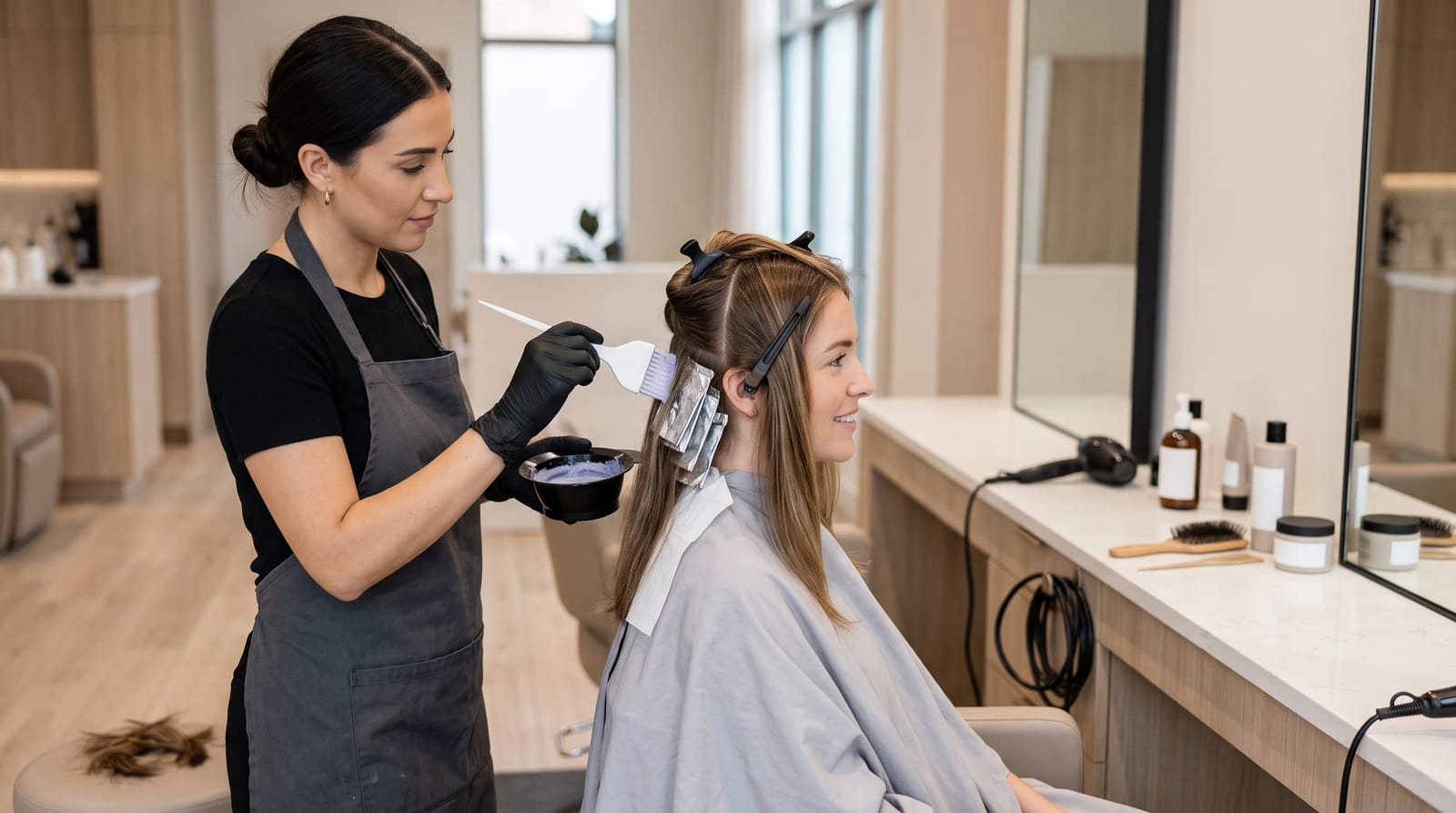
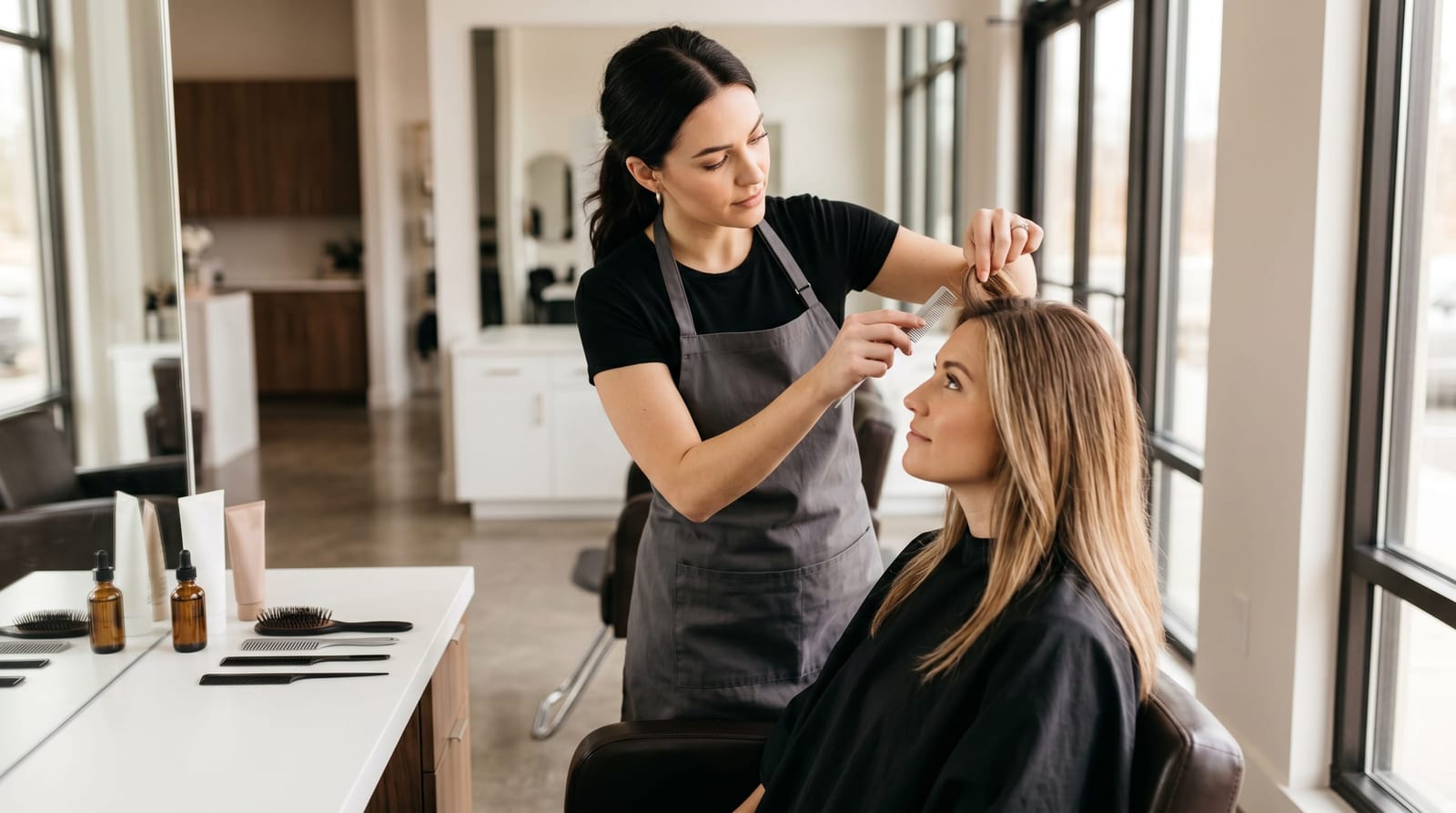
If you've been wondering whether your hair can actually bounce back: the honest answer is yes, but the timeline varies more than most people expect. Hair damage recovery isn't a one-size-fits-all process, and understanding what influences your results can make the difference between frustration and real progress. Whether you're dealing with breakage from over-processing, heat damage, or the wear-and-tear of repeated protective styles, this guide walks you through realistic recovery timelines, the role of consistent conditioning for damaged hair, and how a structured approach, like the staged recovery plan at Kabelly Salon, helps you get there faster.
Why Hair Damage Recovery Takes the Time It Does
Before setting expectations, it helps to understand one fundamental truth: hair that has already grown out of your scalp cannot be fully "repaired" in the biological sense. The cuticle, the outermost protective layer of each strand, can be smoothed, strengthened, and fortified through conditioning for damaged hair, but truly damaged sections of the hair shaft will eventually need to be trimmed away as healthy hair grows in to replace them.
On average, hair grows approximately half an inch per month, or about 6 inches per year. That number varies based on genetics, nutrition, scalp health, and overall hair care habits. For clients dealing with severe breakage or damage that extends several inches from the ends, a full recovery, meaning all visibly damaged hair is replaced by healthy growth, can realistically take anywhere from 12 to 24 months. Mild to moderate damage, where the concern is concentrated at the ends, may show significant improvement in as little as 3 to 6 months with consistent care.
What accelerates the process isn't a miracle product: it's the combination of regular trims to remove damage, a consistent conditioning for damaged hair routine, and avoiding the repeated stressors that caused the damage in the first place.
Understanding Damage Severity: A Simple Framework
Not all damage looks, or behaves, the same way. Knowing where your hair falls on the damage spectrum helps you set realistic timelines and choose the right level of care.
Mild Damage
Signs include slight dullness, minor frizz, and occasional split ends. Hair still has reasonable elasticity and doesn't break easily when wet. With a focused conditioning for damaged hair routine, including weekly deep conditioning treatments and protective styling: you can expect noticeable improvement within 6 to 8 weeks.
Moderate Damage
Hair that feels rough, tangles easily, and shows visible split ends or mid-shaft breakage falls into this category. This is extremely common in clients who regularly color, relax, or use high heat. With consistent care, moderate damage typically shows meaningful improvement in 3 to 6 months. Studies on hair fiber integrity suggest that protein-enriched conditioning treatments can reduce breakage by up to 40% when used consistently over an 8-week period: making conditioning for damaged hair one of the most impactful tools in your recovery plan.
Severe Damage
Severe damage presents as extreme brittleness, significant breakage (especially near the roots or mid-shaft), gummy texture when wet, or hair that snaps with minimal tension. Recovery here is a longer commitment, typically 12 to 24 months, and often requires professional guidance to avoid compounding the damage through additional chemical services before the hair is strong enough to handle them.
The Role of Conditioning for Damaged Hair in Your Recovery Plan
Conditioning for damaged hair isn't just a single step: it's a layered strategy. Different types of conditioning products work at different levels of the hair strand, and using them in the right combination is what produces real results.
- Rinse-out conditioners: Used after every wash, these smooth the cuticle and reduce friction-related breakage. They're your baseline: skip them and you're starting every wash day in the negative.
- Deep conditioning masks: Applied weekly or biweekly, deep conditioning masks deliver concentrated doses of moisturizing and strengthening ingredients, including oils, vitamins, and proteins, that penetrate past the cuticle into the cortex for more lasting improvement. Matrix, Kérastase, and other professional-grade lines formulate these specifically for compromised hair structure.
- Protein treatments: Protein-rich conditioners temporarily fill in gaps in the damaged cuticle, restoring strength and elasticity. These are especially important for chemically treated or heat-damaged hair, but they should be balanced with moisture: over-proteinizing hair can actually increase brittleness.
- Leave-in conditioners: Applied to damp hair before styling, leave-ins provide ongoing moisture and thermal protection throughout the day, reducing the cumulative stress of everyday handling.
At Kabelly Salon, the conditioning for damaged hair approach is customized based on your hair's current protein-moisture balance, because what works for relaxed hair dealing with over-processing looks different from what a heat-damaged natural curl pattern needs.
Kabelly's Staged Recovery Plan: What to Expect
Rather than throwing every treatment at damaged hair all at once, Kabelly takes a staged approach that respects the hair's current condition and builds strength progressively.
Stage 1: Stabilize (Weeks 1-4)
The first priority is stopping further damage. This means an initial trim to remove the most severely damaged ends, a professional deep conditioning treatment in the salon, and a clear at-home routine built around gentle cleansing and consistent conditioning for damaged hair. Chemical services, including color and relaxers, are paused at this stage if the hair cannot safely handle additional processing.
Stage 2: Rebuild (Months 2-4)
Once the hair is stabilized, the focus shifts to rebuilding internal strength. Regular protein-moisture conditioning treatments, monthly check-in trims, and scalp care are introduced. Clients who stay consistent at this stage often notice a dramatic reduction in breakage and improved manageability within 60 to 90 days.
Stage 3: Restore (Months 4-12+)
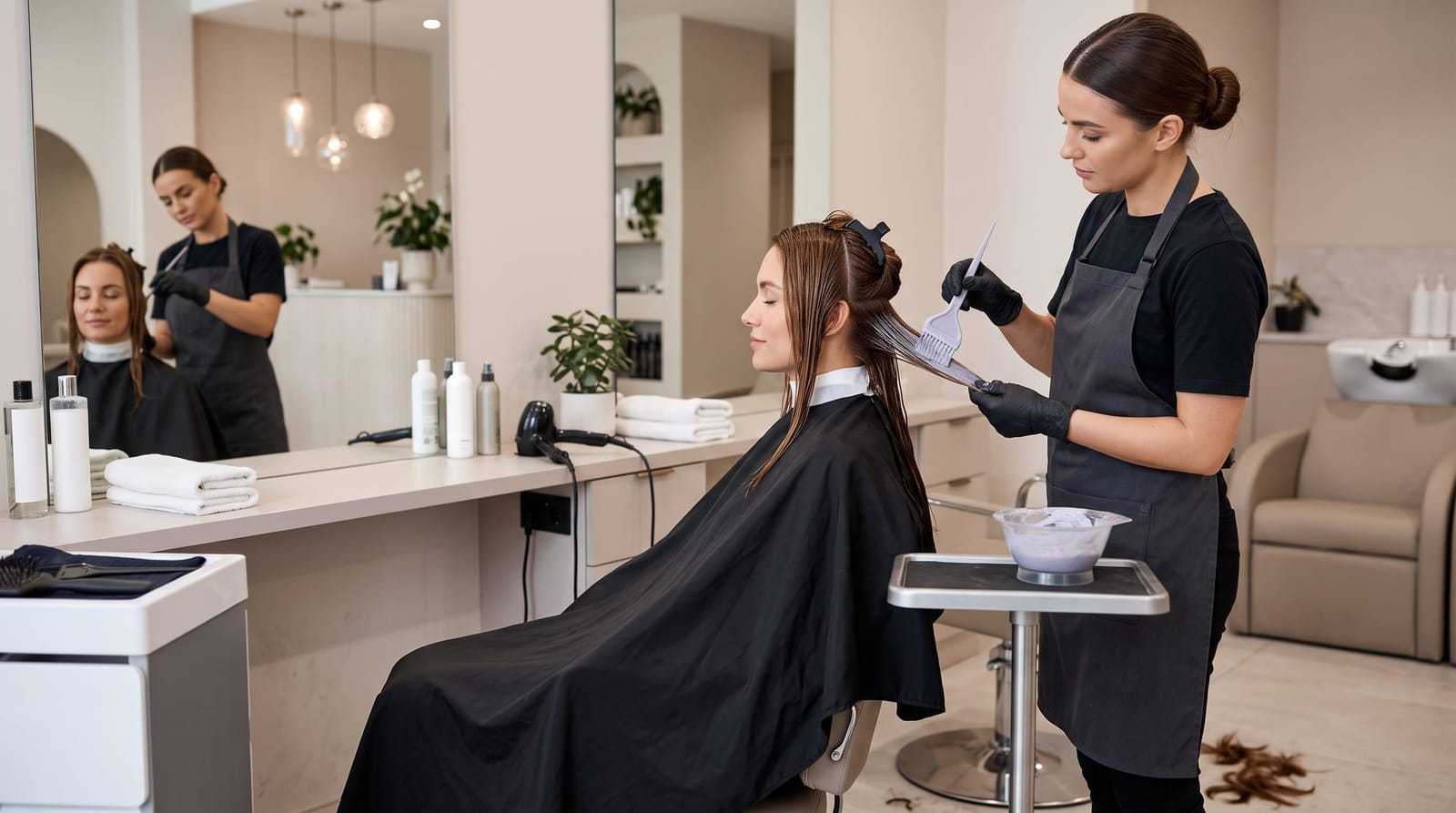
As healthy new growth replaces damaged sections, more styling options become available again. This is the stage where appropriate chemical services can be reintroduced: thoughtfully and on a schedule that keeps the hair's integrity intact. By month 6, many clients with moderate damage report that their hair feels and performs significantly differently than it did at the start.
Frequently Asked Questions
How often should I deep condition damaged hair?
For damaged hair, deep conditioning once a week is generally a good starting point. If your hair is severely compromised, some stylists recommend a deep conditioning treatment every wash day until the hair stabilizes. At Kabelly, your stylist can recommend a frequency based on your specific hair condition during your consultation.
Can I color or relax my hair while it's recovering from damage?
This depends on the severity of your damage. Mild damage may still allow for carefully selected, lower-lift color services. Severely damaged hair, however, often needs a period of strengthening before it can safely handle additional chemical services. A professional assessment is the safest way to determine what your hair can handle without setting back your recovery.
Does cutting my hair really speed up damage recovery?
Trimming doesn't make your hair grow faster, but it does remove the most damaged sections that cause breakage to travel further up the strand. Regular trims: typically every 8 to 12 weeks during active recovery: help you retain the length you're growing in by stopping damage from progressing. It's one of the most practical steps in any conditioning for damaged hair recovery plan.
What's the difference between a regular conditioner and a deep conditioning treatment?
Regular rinse-out conditioners are designed for quick cuticle smoothing and detangling: they sit on the hair for a few minutes and rinse clean. Deep conditioning masks have a richer, more concentrated formula and are designed to penetrate more deeply into the hair shaft when left on for 15 to 30 minutes, often with added heat. For damaged hair, both have a role, but deep conditioning treatments provide the level of restoration that everyday conditioners can't match on their own.
The Bottom Line on Hair Damage Recovery
Recovering from severely damaged hair is a real, achievable goal: it just requires honesty about the timeline and commitment to the process. Most clients see meaningful improvement within 3 to 6 months with consistent conditioning for damaged hair, strategic trims, and reduced heat and chemical stress. Full recovery for severe damage can take a year or more, but every month of consistent care moves you closer to healthier, stronger hair. If you're ready to understand where your hair is starting from and build a realistic plan to get it where you want it to be, Kabelly's stylists are here to guide that process: one step at a time.