What Is a Hair Health Assessment at a Salon and What Does It Tell You?
If you've ever sat in a stylist's chair and wondered exactly what they're looking at when they run their fingers through your hair: you're not alone. A professional hair health assessment is one of the most valuable things a salon can offer, yet most clients have never experienced a truly thorough one. Whether you're navigating years of color, heat styling, protective styles, or chemical treatments, understanding the condition of your hair before any service is the foundation of every great outcome. Here's exactly what a hair health assessment involves and why it matters for your hair journey.
What Is a Hair Health Assessment, Really?
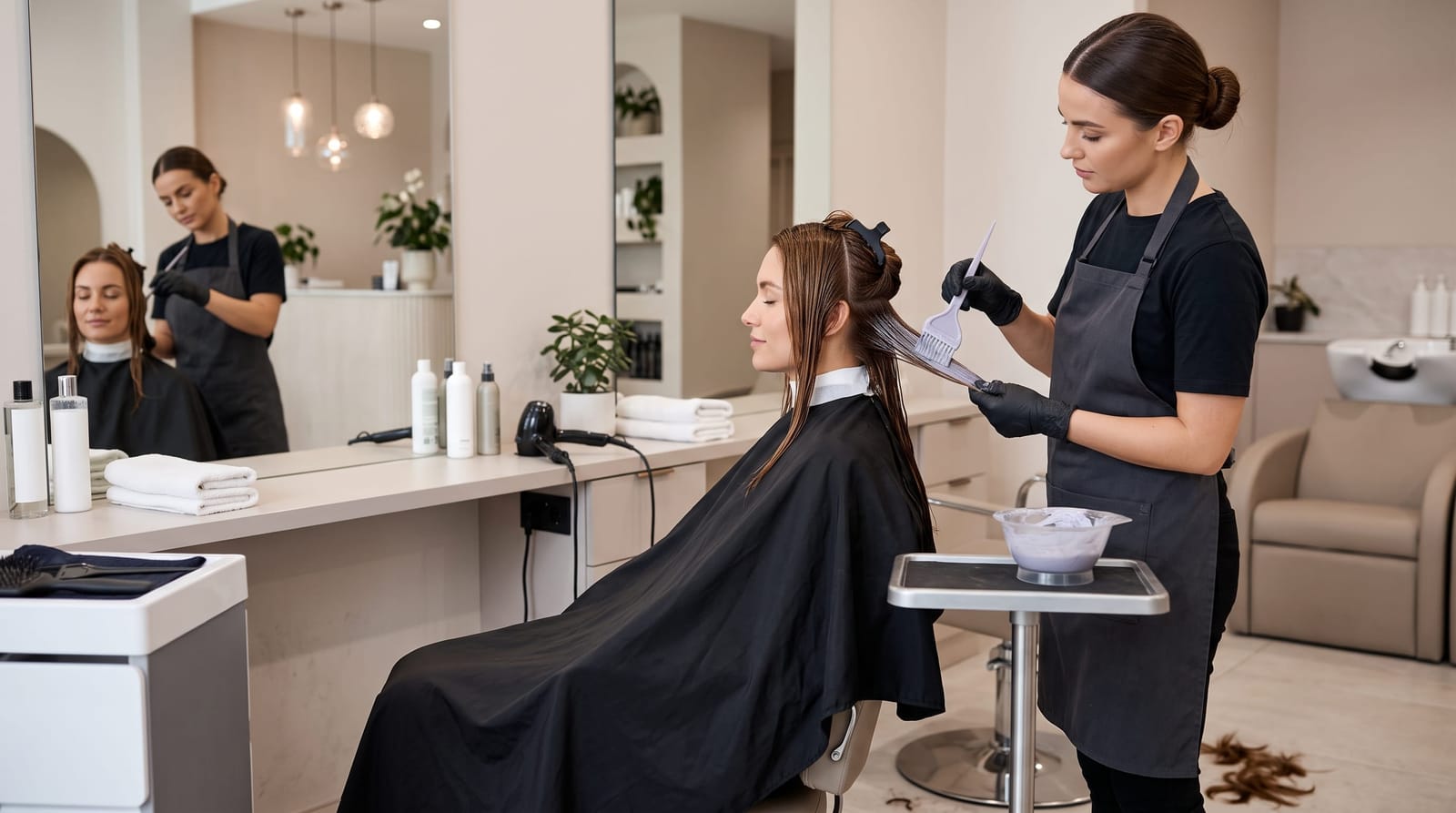
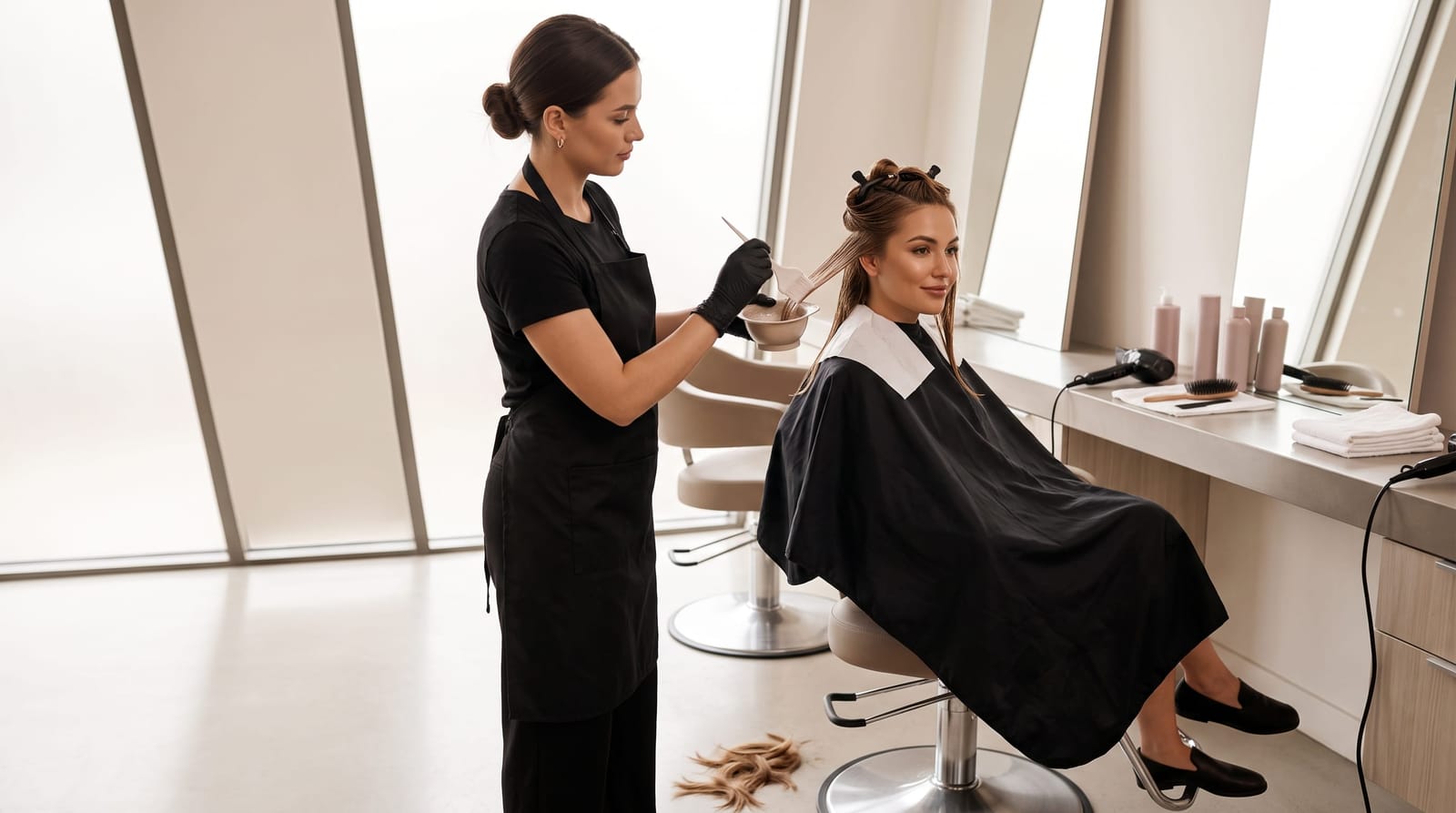
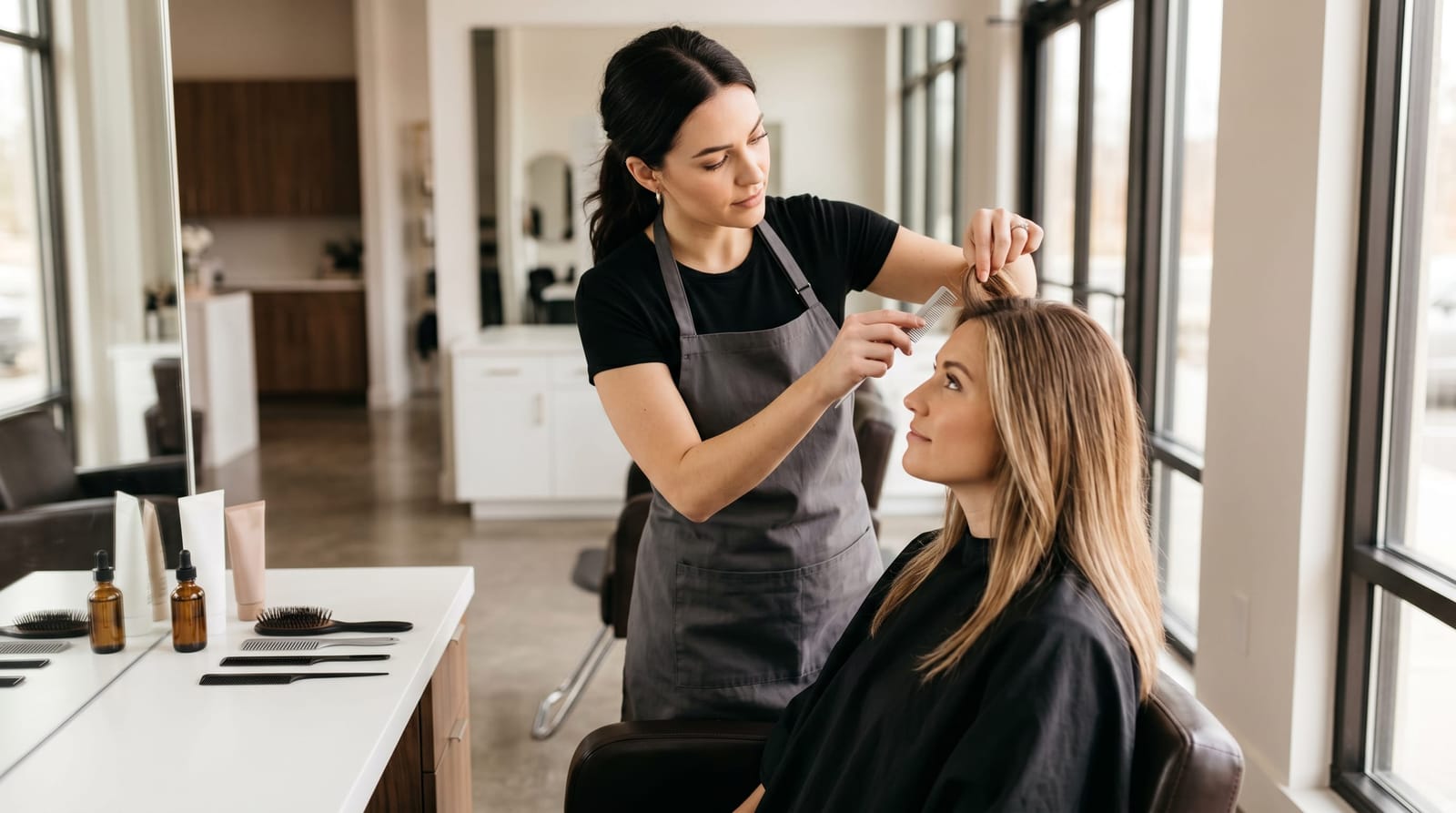
A hair health assessment is a structured consultation where your stylist carefully evaluates the current condition of your hair and scalp before recommending or performing any service. Think of it as a wellness check, not a judgment, but a starting point.
At Kabelly Salon, this process goes beyond a quick glance. Your stylist takes time to observe, feel, and test your strands to build a complete picture of what your hair needs. This is especially important for clients with textured, color-treated, chemically processed, or heat-styled hair, where the visible surface doesn't always tell the full story.
The assessment covers three main areas: the hair fiber itself, the scalp, and your hair history. Together, these give your stylist the information they need to personalize every recommendation, from what products you should be using at home to which in-salon treatments will actually move the needle for your hair health.
This isn't a formality. It's the difference between a service that transforms your hair and one that sets it back.
The Three Key Tests Your Stylist Performs
During a thorough hair health assessment, your stylist will evaluate three core properties of your hair. Each one tells a different part of the story.
Elasticity Testing
Elasticity refers to your hair's ability to stretch and return to its original shape without breaking. Healthy hair can stretch up to 30% of its length when wet and spring back without snapping. Your stylist will gently stretch a single wet strand between two fingers to observe how it responds.
Low elasticity is one of the most common signs of protein loss, often the result of frequent coloring, relaxers, bleach, or prolonged heat use. Hair with poor elasticity tends to feel limp, break easily, and resist holding a style. Understanding your elasticity level determines whether your hair needs a protein treatment, a moisture-focused treatment, or a carefully balanced combination of both.
Porosity Assessment
Porosity describes how easily your hair absorbs and retains moisture. It's determined by the condition of your hair's outer cuticle layer: the tiny overlapping scales that protect each strand. Your stylist may perform a simple float test (dropping a strand into water and observing whether it sinks quickly, slowly, or floats) or assess porosity by feel and observation during the consultation.
- Low porosity hair has tightly closed cuticles that resist moisture absorption: products tend to sit on top rather than penetrate the strand.
- Medium porosity hair absorbs and retains moisture well: it's generally the most manageable and responds predictably to treatments.
- High porosity hair has raised or damaged cuticles that absorb moisture quickly but lose it just as fast, often the result of chemical processing or mechanical damage.
Knowing your porosity level shapes everything from how your stylist formulates a color service to which deep conditioning approach will work best for your hair. It's one of the most actionable insights a professional assessment can offer.
Density and Scalp Evaluation
Hair density refers to how many individual strands you have per square inch on your scalp, not to be confused with thickness (the width of each individual strand). Your stylist will assess both, along with the overall health and condition of your scalp.
A healthy scalp is clean, balanced in oil production, and free of irritation or buildup. Signs of buildup, dryness, inflammation, or thinning at the edges or crown are all important factors that influence which services are appropriate and which should be approached with extra care. For clients who wear protective styles regularly, scalp health is especially worth monitoring.
What Your Hair History Has to Do With It
Your stylist will also ask you a series of questions about your hair history, and your honest answers are just as important as the physical tests. This part of the assessment helps piece together a timeline of what your hair has been through.
Common questions include:
- What chemical services have you had in the last six to twelve months?
- How often do you use heat tools, and at what temperature?
- Have you recently worn a protective style, weave, or extensions?
- What does your current hair care routine look like?
- Are you experiencing any unusual shedding, breakage, or scalp sensitivity?
This conversation helps your stylist understand not just where your hair is today, but why it's there, and what path forward makes the most sense. A client who just removed a long-term sew-in has very different needs from someone whose hair is fatigued from months of flat ironing, even if the surface-level symptoms look similar.
How Assessment Results Shape Your Service Plan
Once your stylist has completed the assessment, every recommendation flows directly from what they've found. This is where a professional consultation becomes genuinely transformative.
If your elasticity is low and your porosity is high, your stylist might recommend pausing on any additional chemical services and prioritizing a structured treatment plan first: beginning with a targeted protein treatment followed by deep hydration. Understanding how often you should get a deep conditioning treatment based on your specific porosity level is one of the most practical outcomes of this process.
If your hair shows signs of high porosity but strong elasticity, the conversation might shift toward sealing treatments and moisture-retention strategies that help your hair hold onto the hydration it absorbs. Your stylist might also weigh in on whether you can deep condition too often given your current hair condition, because yes, more is not always better.
For clients ready to move forward with color, extensions, or a chemical service, the assessment ensures the service is customized to what your hair can actually handle, not just what looks beautiful in theory. This protects your hair's integrity while still helping you achieve the results you're envisioning.
Frequently Asked Questions
How long does a professional hair health assessment take?
A thorough hair health assessment typically takes between 15 and 30 minutes, depending on the complexity of your hair history and any concerns you want to discuss. At Kabelly Salon, it's built into the consultation process so that your stylist has everything they need before a single product touches your hair.
Do I need a hair assessment before every appointment?
Not necessarily a full assessment, but a brief check-in before each visit is always a good idea. If you've had any significant changes, a new chemical service elsewhere, extended protective styling, unusual shedding, or a switch in your home care routine, letting your stylist know ensures your service is adjusted accordingly. A full reassessment is especially valuable before any major chemical service like color, a relaxer, or keratin treatment.
Can a hair health assessment tell me if my hair is too damaged for a specific service?
Yes, and this is one of the most important things it can do. If your hair doesn't have the strength or structural integrity to withstand a particular service safely, your stylist will tell you, and offer a realistic plan to get you there. This isn't a no; it's a better path forward that protects your hair and your investment.
Is a hair health assessment only for damaged hair?
Not at all. Even if your hair feels healthy, an assessment gives your stylist valuable baseline information that informs every future service. It's also a great way to understand your hair's unique characteristics, especially porosity and density, so you can make smarter decisions about your at-home routine.
Understanding Your Hair Is the First Step to Loving It
A hair health assessment isn't about uncovering problems: it's about understanding your hair so that every service, treatment, and product recommendation is working with your hair, not against it. It's one of the most meaningful ways a skilled stylist can personalize your experience and set your hair up for real, lasting improvement. Whether you're beginning a damage recovery journey or simply want to maintain the health of your hair between services, starting with a thorough assessment at Kabelly Salon gives you the clarity and confidence to move forward beautifully.