How Often Do You Need Deep Conditioning Treatments?
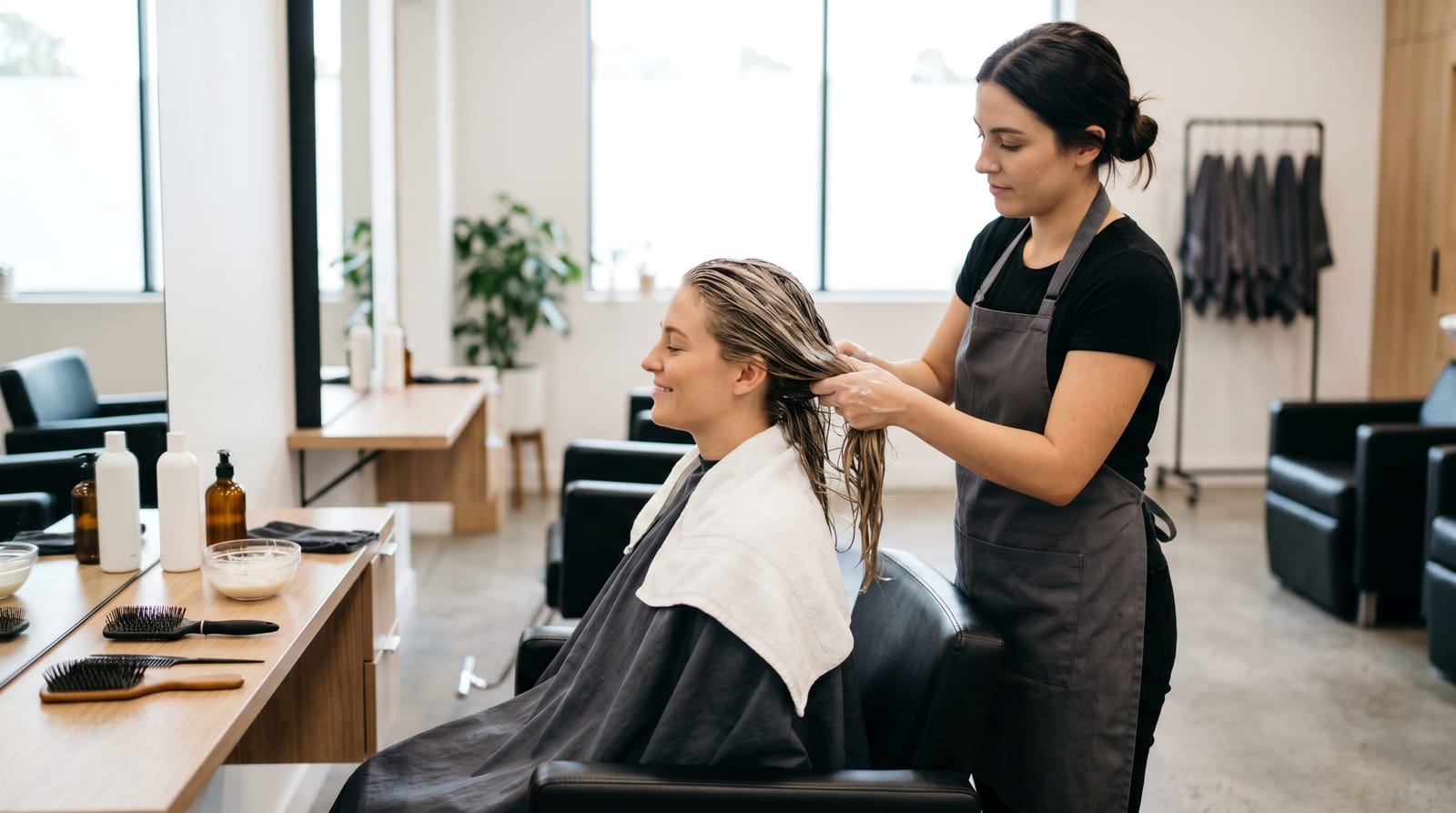
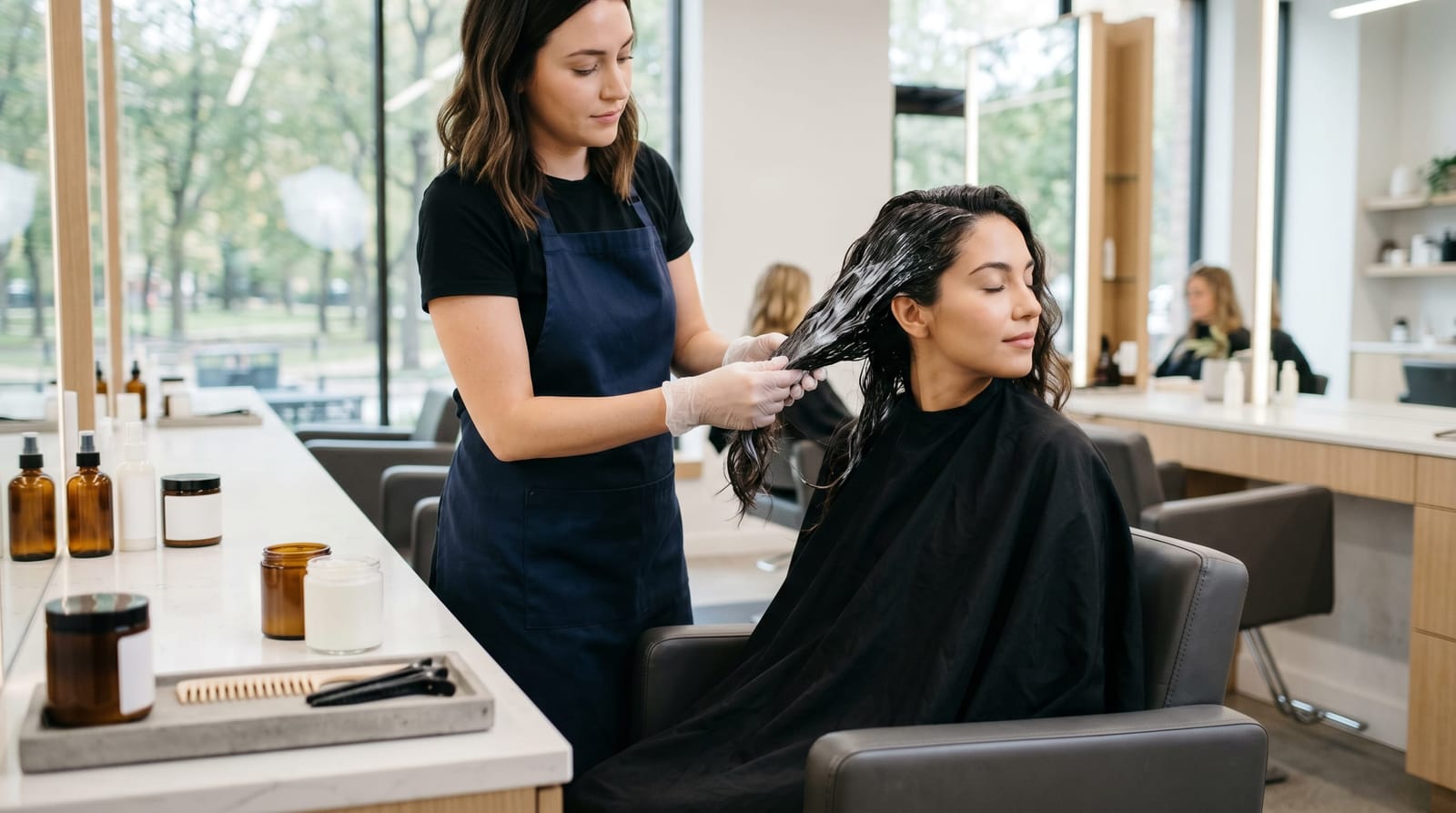
One of the most common questions clients ask before committing to a hair care routine is simple but important: how often should I actually deep condition my hair? The honest answer is that there is no single schedule that works for everyone. Your ideal deep conditioning frequency schedule depends on your hair type, texture, chemical history, and even the time of year. As part of a broader approach to professional hair health, getting your timing right can mean the difference between hair that thrives and hair that stays stuck in a cycle of dryness and breakage. This guide breaks it down clearly so you can stop guessing.
Why Deep Conditioning Frequency Matters More Than You Think
Deep conditioning is not just an occasional luxury treatment: it is a targeted intervention that replenishes moisture, rebuilds protein bonds, and restores elasticity to compromised strands. But applying it too infrequently leaves hair chronically under-nourished, while overdoing it, especially with protein-rich formulas, can cause stiffness, brittleness, and what stylists call "protein overload."
Research consistently shows that moisture loss is one of the leading causes of breakage, with studies estimating that hair loses up to 30% of its moisture content within just a few days of washing, depending on environmental humidity. This is why a consistent deep conditioning frequency schedule is not optional for clients with chemically treated, heat-styled, or naturally dry hair types: it is essential maintenance.
The key is matching your schedule to what your hair is actually asking for. Healthy hair that receives minimal chemical or heat stress needs far less intervention than hair that is regularly bleached, relaxed, or straightened. Understanding where your hair falls on that spectrum is the starting point for building a frequency schedule that works.
Deep Conditioning Frequency by Hair Type and Condition
Every hair type has a different baseline need. Here is a breakdown of recommended deep conditioning frequency schedules by category, based on professional guidelines and stylist expertise:
Curly, Coily, and Textured Hair (Types 3A: 4C)
Curly and coily hair textures are structurally more prone to dryness because the natural curl pattern prevents scalp oils from traveling down the hair shaft efficiently. For this reason, most curl specialists recommend deep conditioning 1 to 2 times per week. A weekly deep conditioning frequency schedule helps maintain moisture levels, enhance curl definition, and significantly reduce breakage: one of the most common complaints among clients with natural hair.
Color-Treated and Chemically Processed Hair
Hair that has been bleached, colored, relaxed, or permed has had its cuticle layer chemically lifted or restructured. This makes it dramatically more porous and significantly more vulnerable to moisture loss. Colorists and keratin specialists almost universally recommend deep conditioning once per week for chemically treated clients, with some recommending a split approach: a moisture-focused treatment one week and a protein-based treatment the following week, alternating to address both hydration and structural repair.
Fine or Oily Hair
Fine hair can become weighed down quickly, making weekly treatments counterproductive. For fine or naturally oily hair types, a deep conditioning frequency schedule of every 10 to 14 days is typically sufficient. The focus should be lightweight, moisture-balancing formulas rather than heavy butters or thick creams that can flatten fine strands and accelerate oiliness at the scalp.
Heat-Styled Hair
Regular use of flat irons, curling wands, or blow dryers strips moisture from the hair shaft with every session. Stylists recommend deep conditioning after each significant heat styling session to replenish what was lost. For clients who heat-style multiple times per week, this can mean conditioning 2 to 3 times weekly: always prioritizing a quality heat protectant before styling as a preventive measure.
Seasonal Adjustments to Your Deep Conditioning Schedule
Your deep conditioning frequency schedule should not be static throughout the year. Seasonal environmental changes directly impact how your hair retains moisture, and ignoring these shifts is one of the most common mistakes in at-home hair care.
During winter months, indoor heating dramatically reduces ambient humidity, sometimes dropping it below 20%. This accelerates moisture evaporation from hair strands, meaning even clients who condition every two weeks should shift to weekly treatments between November and February. Protective styles combined with more frequent deep conditioning are especially effective during cold-weather months.
In summer, UV exposure, chlorine from pools, and salt water from the ocean can all damage the hair cuticle significantly. Studies show that UV radiation can degrade up to 18% of the hair's melanin and protein content with prolonged sun exposure. Clients who swim regularly or spend significant time outdoors should increase their deep conditioning frequency to compensate for this accelerated damage.
Spring and fall tend to be transitional periods where you can reassess your routine as conditions normalize. Use these seasons to evaluate your hair's current health and adjust accordingly, whether that means scaling back from a winter-intensive schedule or ramping up before summer heat and humidity arrive.
How to Read Your Hair's Signals and Adjust Your Frequency
Beyond general guidelines, your hair communicates when it needs more, or less, deep conditioning. Learning to read these signals is what separates reactive care from truly proactive hair health management.
Signs you need to increase your deep conditioning frequency:
- Hair snaps or breaks easily when detangling
- Strands feel rough, brittle, or straw-like to the touch
- Excessive tangling or knotting between washes
- Dullness that persists even after washing and styling
- Hair shrinks significantly more than usual (for curly types)
Signs you may be overdoing it:
- Hair feels limp, gummy, or mushy when wet: a classic sign of hygral fatigue or protein overload
- Strands that stretch excessively and do not spring back (moisture overload)
- Flatness and lack of volume that worsens after each treatment
Hair porosity also plays a significant role in determining your ideal deep conditioning frequency schedule. High-porosity hair, which absorbs moisture quickly but loses it just as fast, typically requires more frequent conditioning than low-porosity hair, which resists moisture absorption but retains it well once it penetrates the shaft. A licensed stylist can assess your hair's porosity and help you calibrate your schedule accordingly.
Frequently Asked Questions
Can I deep condition my hair too often?
Yes. Over-conditioning, particularly with protein treatments, can lead to protein overload, causing hair to become stiff, brittle, and prone to breakage. Moisture-only deep conditioners are more forgiving, but even those can cause hygral fatigue if used daily on low-porosity hair. Stick to the recommended deep conditioning frequency schedule for your hair type and adjust based on how your hair responds.
How long should a deep conditioning treatment stay on my hair?
Most deep conditioning treatments are designed to be left on for 20 to 30 minutes under a plastic cap, with or without heat. Professional in-salon treatments, which use higher-quality formulas and controlled heat application, often penetrate more effectively in less time than at-home options. Leaving a deep conditioner on for longer than the recommended window does not always improve results and can sometimes cause over-softening or protein imbalance.
Is a salon deep conditioning treatment better than doing it at home?
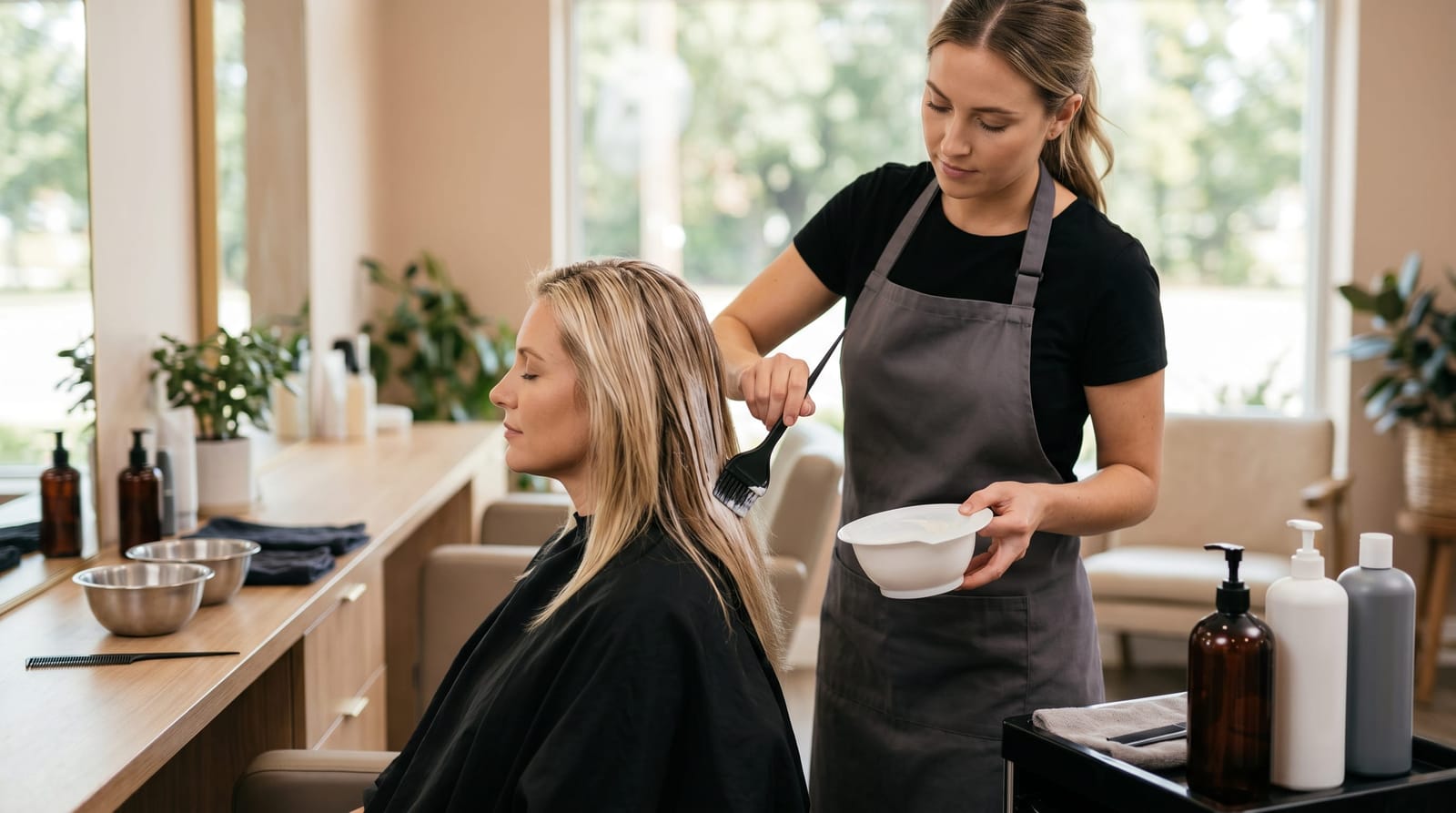
Professional salon treatments typically use higher-concentration formulas that are not available in retail products, combined with controlled heat tools that open the cuticle for deeper ingredient penetration. For clients dealing with significant damage, color processing, or chronic dryness, scheduling a professional deep conditioning treatment at least once a month, alongside your regular at-home routine, produces noticeably better results than at-home care alone.
Does my deep conditioning frequency schedule change after a keratin treatment?
Yes. In the first two to four weeks following a keratin treatment, you should avoid washing and conditioning more than necessary to allow the treatment to fully set. After that initial period, most stylists recommend shifting to a weekly deep conditioning frequency schedule focused on moisture replenishment, since keratin treatments can gradually reduce the hair's natural moisture retention over time.
Building a Deep Conditioning Schedule That Actually Works for You
There is no universal answer to how often you should deep condition, but there is a right answer for your hair, your lifestyle, and your goals. Whether you have fine hair that needs treatment every 10 to 14 days or coily hair that thrives on a weekly deep conditioning frequency schedule, consistency is what delivers results over time. Pair your at-home routine with professional deep conditioning treatments for the best possible outcome, and do not hesitate to reassess your schedule seasonally or after any major chemical service. Your hair's needs evolve: your routine should too.