Seasonal Hair Care: How to Protect Your Hair From DMV Weather Year-Round
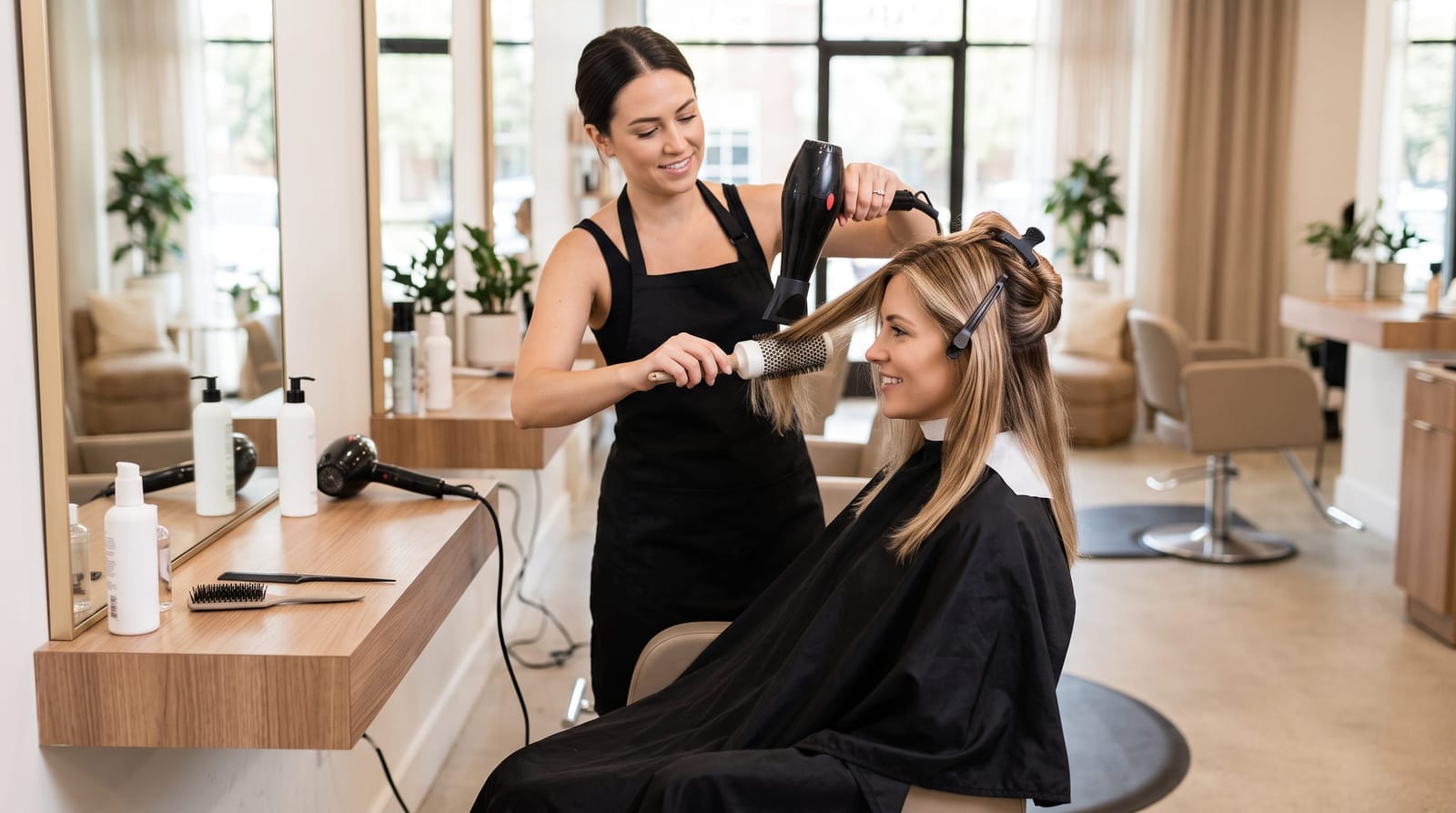
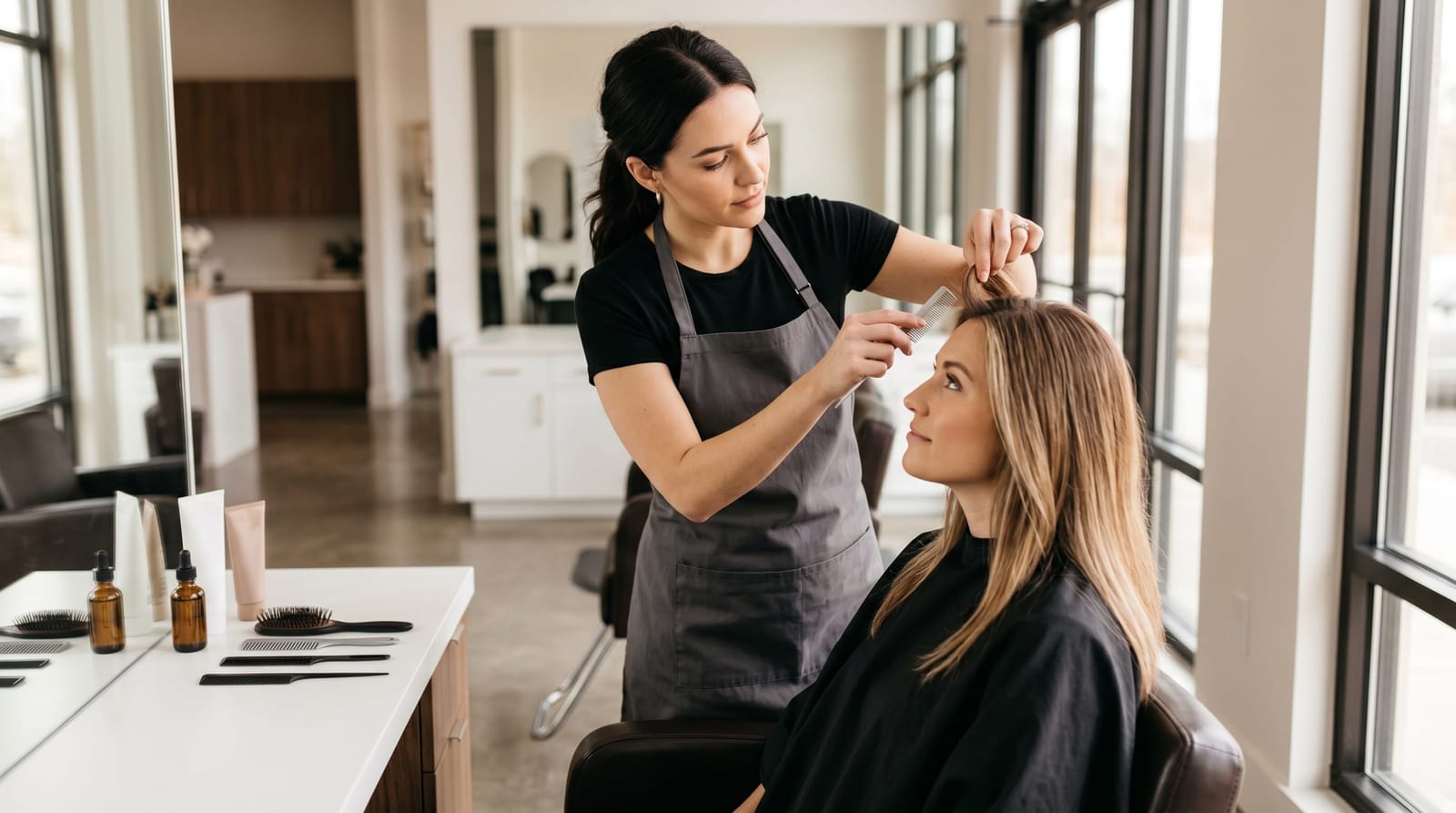
If you've ever walked out of the salon with a fresh blowout only to have humidity undo everything by the time you reach your car, you already understand the DMV's complicated relationship with hair. Washington, D.C., Maryland, and Virginia sit in a climate zone that genuinely tests textured and chemically processed hair in a different way with every passing season. Understanding your seasonal hair conditioning needs is one of the most practical things you can do to protect your hair health across the full year, and it connects directly to the broader conversation around hair needs deep conditioning signs that many clients overlook until damage is already visible. In this guide, we'll walk through each season, what it does to your hair, and exactly how to respond.
Why the DMV Climate Is Uniquely Challenging for Textured and Processed Hair
The DMV region experiences four very distinct seasons, and each one creates a completely different environment for your hair. Summer brings average humidity levels above 70%, sometimes spiking to 90% or higher during heat waves. Winter drops relative indoor humidity to as low as 15-25% once heating systems kick in. Spring and fall act as transitional zones: unpredictable, oscillating between dry cold snaps and heavy rain events that can last for days.
For clients with naturally textured hair, Type 3 and Type 4 curl patterns, or hair that has been chemically processed through relaxers, color, or keratin treatments, these swings matter more than they might for straighter, unprocessed hair. Chemically treated strands have an altered cuticle layer, which means they absorb and release moisture less efficiently than untreated hair. Research consistently shows that high humidity causes the hair shaft to swell as it absorbs atmospheric moisture, which disrupts the cuticle and leads to frizz, tangling, and breakage, especially where the hair is already compromised.
Understanding how seasonal hair conditioning needs shift throughout the year is the foundation of any smart hair care plan in this region. It isn't just about buying a different product every few months: it's about genuinely adjusting your entire maintenance approach based on what the weather is doing to your strands right now.
Summer in the DMV: Humidity, Heat, and UV Exposure
DMV summers are notoriously humid and hot, with average temperatures routinely climbing above 90°F from June through August. For textured and chemically processed hair, these months present a three-part challenge: atmospheric moisture causes swelling and frizz, direct UV exposure degrades the protein structure of the hair shaft, and heat styling on top of already-stressed hair accelerates breakage.
Key Summer Hair Adjustments
- Prioritize lightweight, anti-humidity moisture sealing. Heavy creams and butters can feel suffocating in summer heat and may weigh curls down rather than defining them. Look for water-based leave-ins followed by a light sealing product: this layering approach locks moisture in without creating buildup that the humidity will only worsen.
- Incorporate UV-protective products. UV rays degrade the melanin in your hair and break down the proteins that give strands their strength. Studies estimate that unprotected hair can lose up to 30% of its tensile strength after prolonged UV exposure. Sprays or serums that contain UV filters are worth adding to your summer routine, particularly for color-treated clients where UV fading is a real and expensive concern.
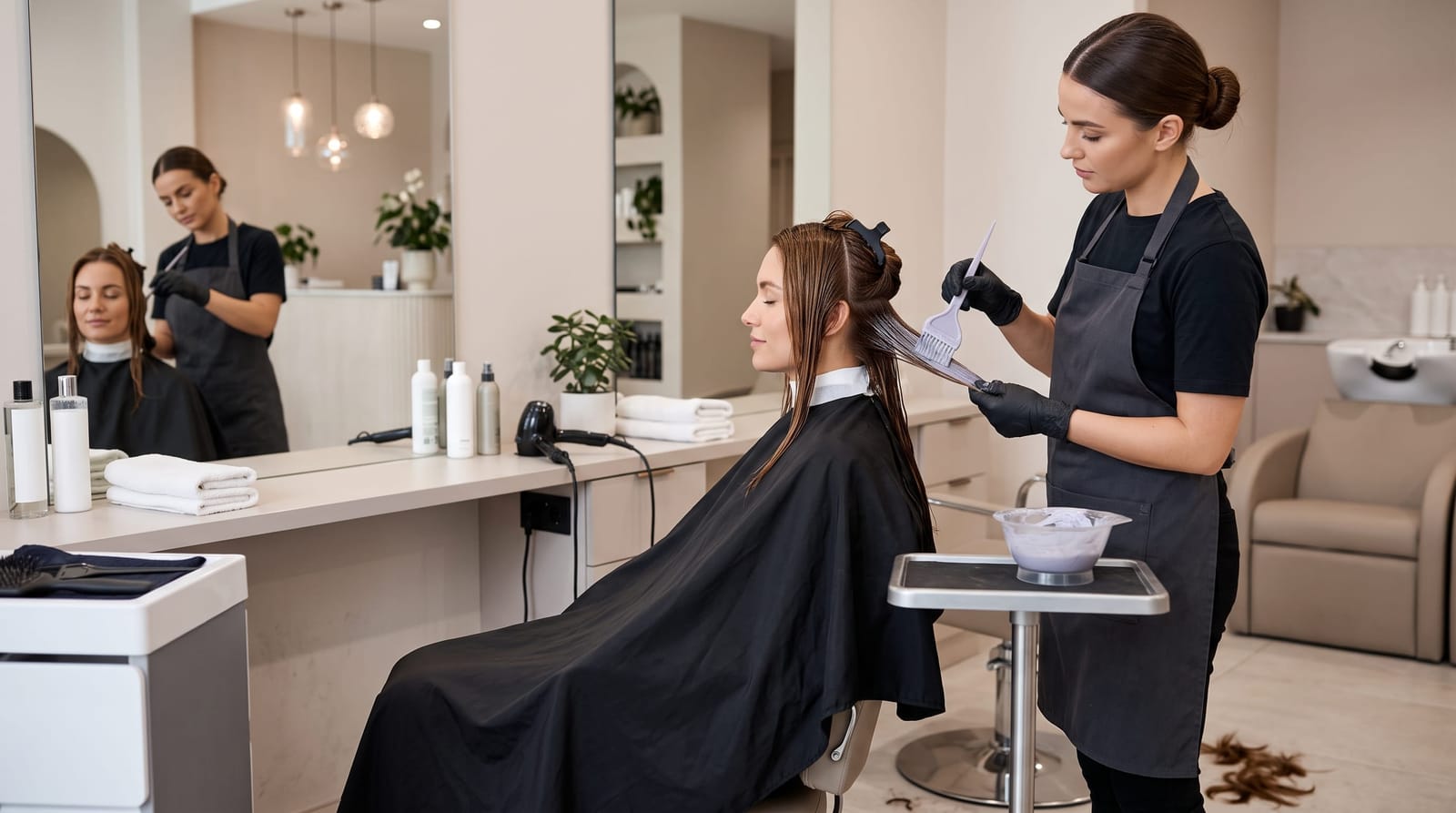
- Deep condition every 7-10 days. Summer sweat, pool water, salt water, and product buildup combine to strip moisture more aggressively than in cooler months. Scheduling a deep conditioning treatment at Kabelly every three to four weeks during summer, and maintaining consistent at-home masking in between, keeps your hair balanced rather than reactive.
- Minimize high-heat styling. When the air itself feels like a blow dryer, adding direct heat to already humidity-stressed hair compounds the damage. Protective styles like twist-outs, braid-outs, or braided styles are smart summer choices that reduce heat dependency while protecting your ends.
Fall: The Season to Reset and Repair
September and October in the DMV are genuinely beautiful months for hair. Humidity drops, temperatures become more manageable, and the climate becomes considerably less aggressive. This makes fall the single best season of the year to reset your hair health, and the one most clients underutilize.
Why Fall Trims and Treatments Matter
After three months of summer humidity, UV exposure, and heat styling, your ends are almost certainly carrying some level of wear. Industry professionals typically recommend trimming hair at least every 10-12 weeks, and fall is the ideal time for a meaningful cut that removes the accumulated damage before you head into the more vulnerable winter months. Even removing a quarter to half an inch of split or frayed ends dramatically improves how your hair retains moisture through the colder season ahead.
Fall is also the right time to reassess your protein and moisture balance. If your hair has been in protective styles all summer, it may be moisture-saturated but protein-deficient: leaving it feeling mushy or stretchy rather than strong and elastic. This is exactly the conversation that connects to understanding the difference between a protein vs moisture hair treatment and which one your hair currently needs.
At Kabelly, fall is when many clients schedule a comprehensive hair health consultation to map out their winter maintenance plan, including conditioning frequency, appointment spacing, and whether a strengthening treatment series makes sense before the harsh months arrive.
Winter: Combating Dryness, Breakage, and Indoor Heat Damage
Winter is the season that causes the most quiet, cumulative damage to textured and chemically processed hair in the DMV. The problem isn't just the cold outside: it's the contrast between outdoor cold (which contracts the hair cuticle and makes strands brittle) and indoor dry heat (which strips moisture from the shaft). When you move between these two environments multiple times a day, your hair never finds equilibrium.
Winter Hair Care Priorities
- Increase deep conditioning frequency to every 7 days. Winter calls for more moisture input, not less. Swapping your regular conditioner for a rich, penetrating mask at least once a week keeps the moisture baseline high enough to withstand environmental dryness. Ingredients like shea butter, honey, and glycerin are particularly effective in cold-weather formulations.
- Protect your hair from physical friction. Cotton pillowcases and wool hats are two of the biggest culprits for winter breakage. Satin-lined bonnets or satin pillowcases reduce mechanical friction by approximately 40-50% compared to cotton surfaces, and satin-lined winter hats let you stay warm without sacrificing your edges.
- Seal your moisture, don't just add it. Cold air pulls moisture out of the hair shaft rapidly. Applying a sealing oil (like jojoba, avocado, or argan oil) over your leave-in conditioner helps create a barrier that slows moisture loss throughout the day.
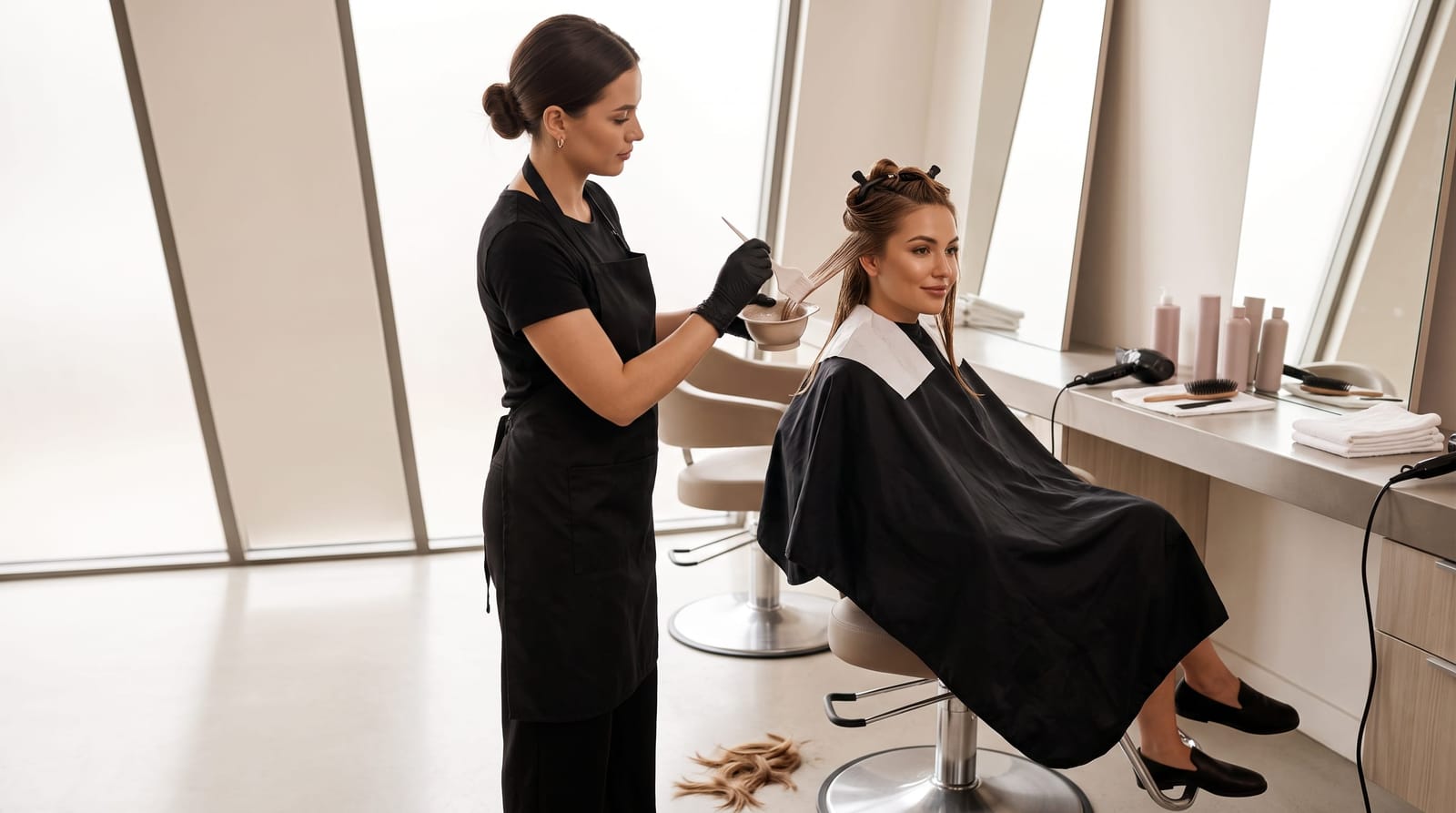
- Schedule regular salon visits every 4-6 weeks. Winter is not the season to extend your appointment gaps. Regular professional conditioning services, scalp treatments, and trims keep breakage from compounding month over month. For clients managing over-processed or chemically damaged hair, consistent professional care during winter is especially critical: a topic explored in more depth in our guide to conditioning for damaged hair.
Spring: Managing Transitions and Humidity's Early Return
Spring in the DMV arrives unpredictably. A 65-degree sunny Thursday can turn into a cold, rainy weekend followed by 80-degree humidity the following week. For hair that is still in its winter conditioning routine, the sudden return of atmospheric moisture can cause visible frizz, swelling, and curl distortion: particularly in the second half of April and through May.
Spring Hair Adjustments to Make Early
The key spring transition is gradually lightening your product weight as humidity climbs. Swapping a thick, buttery winter moisturizer for a lighter water-based cream keeps your moisture levels stable without overloading the hair shaft as outdoor humidity begins to supplement what products are doing. Think of it as scaling back the artificial moisture inputs because the environment is starting to provide more on its own.
Spring is also when protective styles can be reintroduced if your hair needs a reset period. Many clients at Kabelly use April and May to give their hair a growth and recovery window: keeping ends protected while the scalp and strands rebuild strength lost over the winter. If your hair has been breaking more than usual or feels persistently dry despite consistent conditioning, that's a signal worth addressing before summer's more aggressive conditions arrive.
A clarifying treatment in early spring is worth considering as well. Product buildup from heavier winter formulations can prevent moisture from reaching the hair shaft properly. One clarifying wash every four to six weeks during the seasonal transition removes that buildup and lets your fresh spring products perform the way they're designed to.
Building Your Year-Round Salon Schedule at Kabelly
One of the most consistent patterns seen among clients with healthy, well-maintained hair is this: they treat their salon visits as a seasonal maintenance rhythm, not just a reaction to a bad hair day. A smart annual schedule for the DMV climate looks something like this:
- Summer (June-August): Every 3-4 weeks for deep conditioning, scalp care, and protective style maintenance. UV-focused treatments and lightweight moisture protocols.
- Fall (September-October): A meaningful trim to remove summer damage, a protein-moisture reassessment, and planning for the winter service schedule.
- Winter (November-February): Every 4-5 weeks, with a focus on intensive hydration treatments, breakage prevention, and scalp health during dry indoor heat months.
- Spring (March-May): Transitional treatments, clarifying services, and a product formula refresh as humidity returns to the region.
The average client who follows a seasonally adjusted schedule experiences significantly less breakage, better color retention, and more predictable styling results throughout the year, because the hair is never playing catch-up from the damage of the previous season.
Related Hair Health Topics Worth Exploring
Seasonal conditioning is one piece of a larger hair health picture. If you're noticing that your hair feels persistently dry, lacks elasticity, or has been responding poorly to products it used to love, these detailed guides go deeper on what your strands might be telling you and how professional treatment can help.
- Understanding hair needs deep conditioning signs: how to recognize when your hair is asking for more moisture before breakage begins
- The difference between protein vs moisture hair treatment and how to identify which imbalance your hair is currently experiencing
- A structured approach to conditioning for damaged hair after chemical services or extended protective styling
- How the DMV's specific climate affects chemically processed hair at the structural level: seasonal hair conditioning needs by hair type and service history
Conclusion: Your Hair Deserves a Seasonal Strategy
The DMV's climate doesn't give your hair a break, but a thoughtful, season-by-season approach to conditioning, product selection, and professional care means your hair doesn't have to absorb the full force of every weather shift. Whether it's switching to a lighter leave-in as spring humidity builds, booking a fall trim to protect your ends going into winter, or committing to a more frequent deep conditioning schedule during the dry months, every adjustment you make compounds into healthier, stronger hair over time.
Ready to build a seasonal hair care plan that works for your specific hair type and service history? Book a consultation at Kabelly Salon and let's create a year-round maintenance strategy tailored to your hair's actual needs, not just the season everyone is in right now.