When Should You Schedule Your Highlight Touch-Up? A Guide for DMV Clients
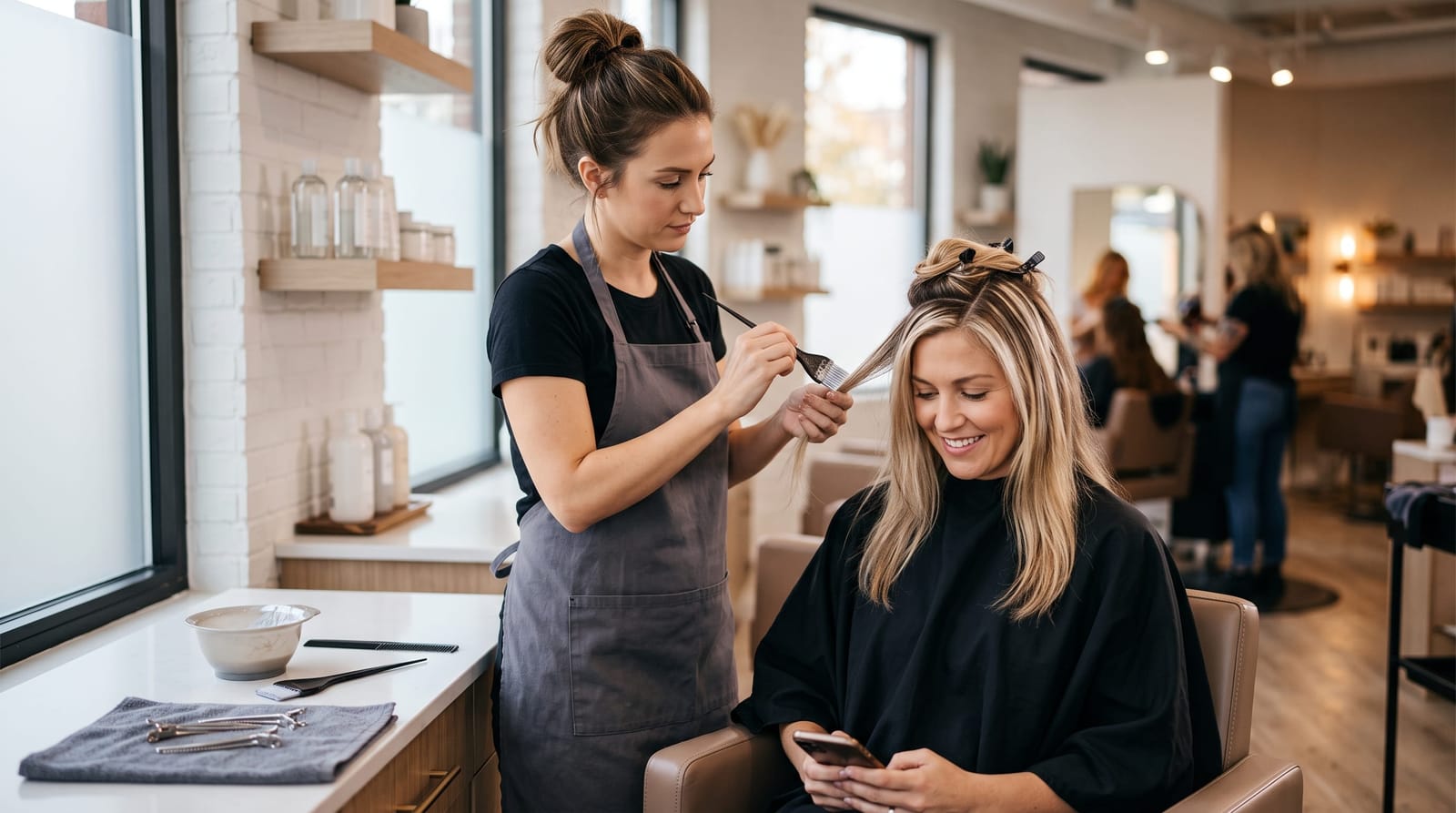
If you've invested in beautiful highlights, you already know how transformative the right color can be, especially when it's tailored to complement your skin tone and texture. But one of the most common questions clients ask at Kabelly is simple: when do I come back? Getting your highlight touch up timing right is one of the most important parts of maintaining a color that looks fresh, intentional, and luminous rather than grown-out and uneven. Whether you're rocking sun-kissed balayage, dimensional highlights, or a bold blonding service, this beginner's guide will walk you through everything you need to know to stay on schedule and keep your color looking its best in the DMV.
We'll cover the key factors that influence how often you need a touch-up, how different techniques change that schedule, and how to build a realistic maintenance plan that works for your lifestyle and your hair.
---What Does a Highlight Touch-Up Actually Involve?
Before diving into timing, it helps to understand what actually happens during a highlight touch-up appointment, because it's different from a full highlight service, and that difference directly affects how long it takes and how often you'll need one.
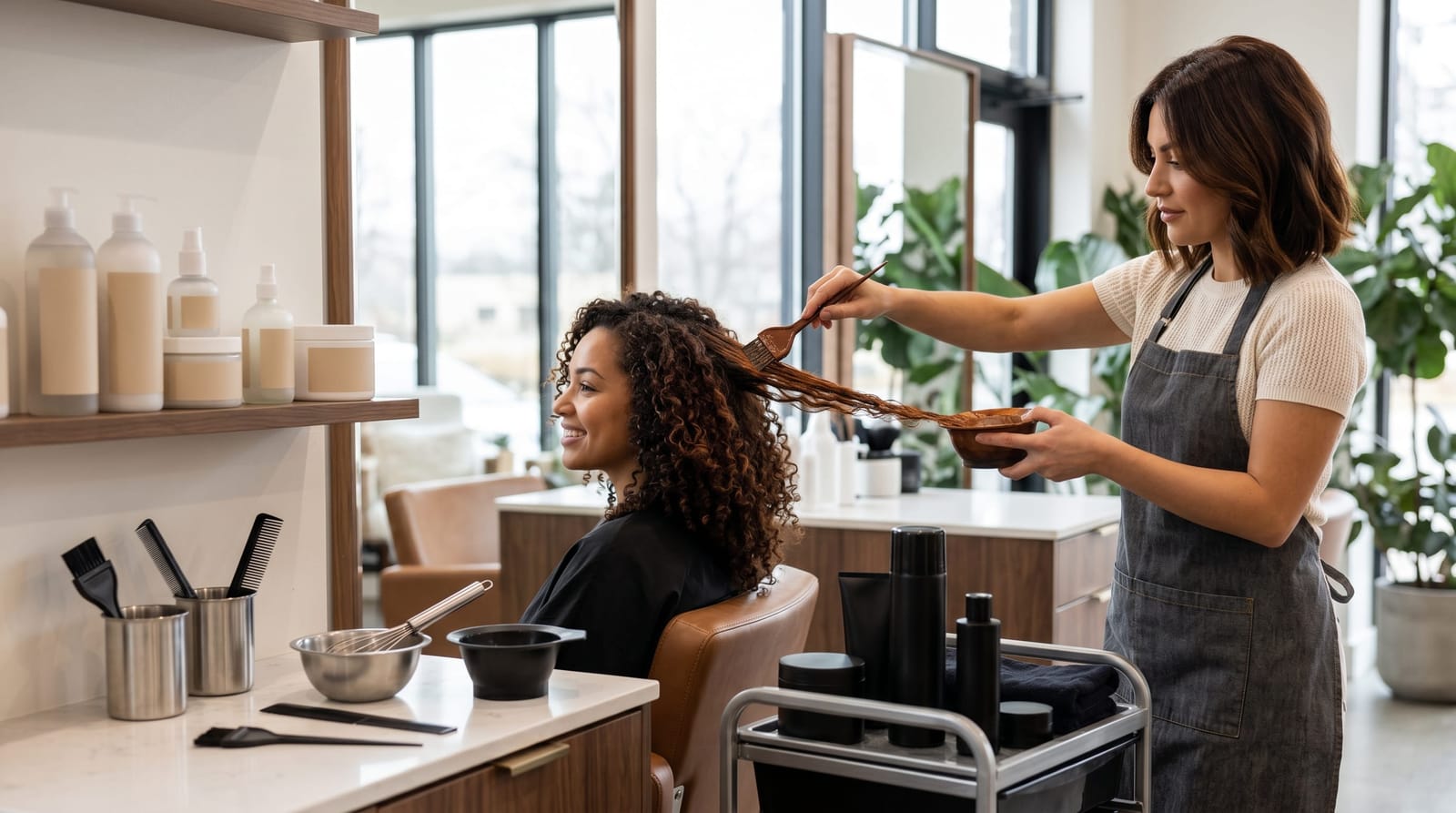
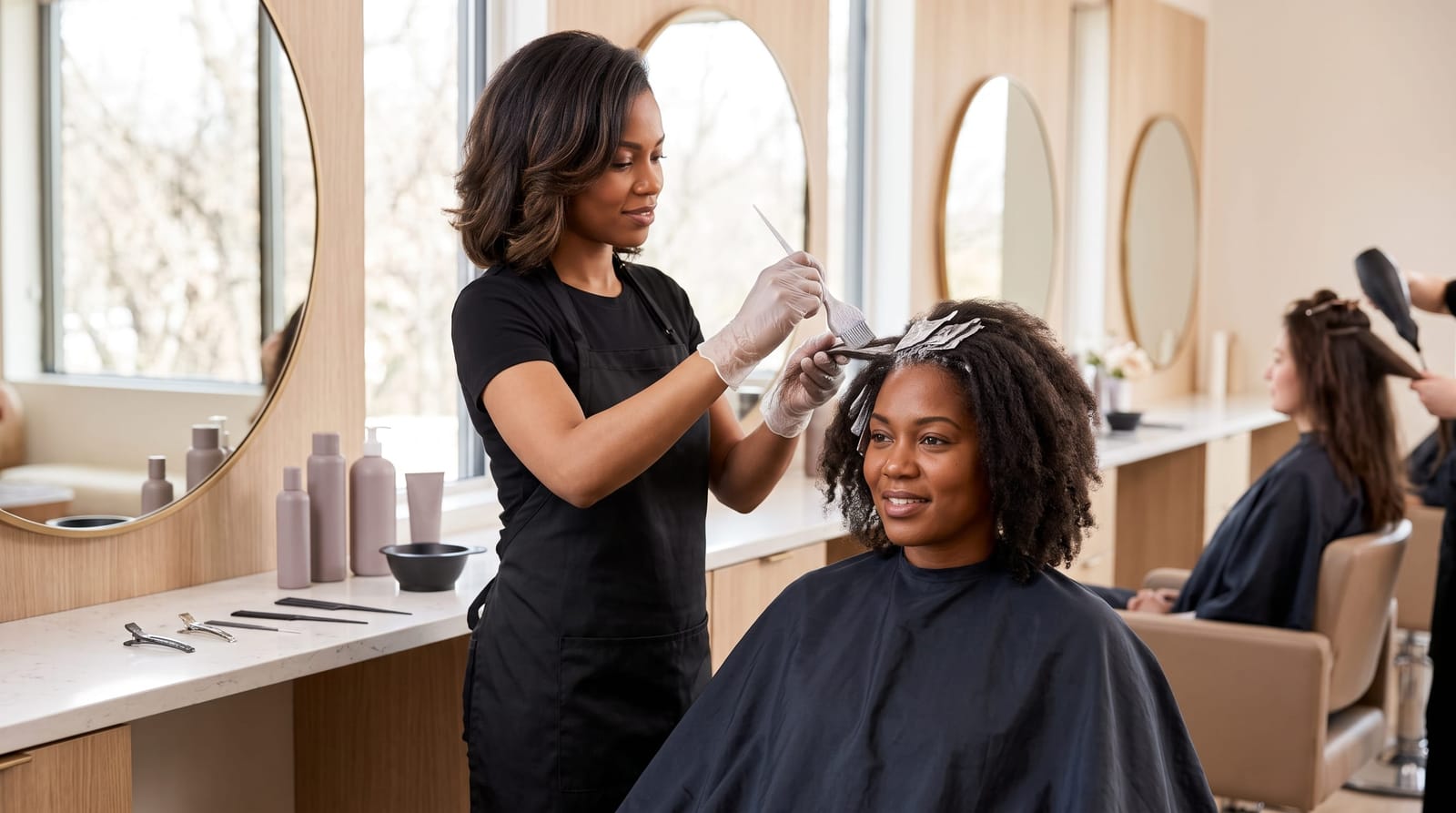
A highlight touch-up focuses on refreshing the sections closest to your roots, where new growth has emerged since your last visit. Your colorist isn't re-doing your entire head of hair: they're strategically working on the regrowth area to blend it seamlessly with your existing color. Depending on your technique, they may also refresh the mid-lengths and ends to keep your color vibrant and even.
How Long Will Your Appointment Take?
Appointment length varies based on the type of service you're maintaining:
- Single process color touch-up: Typically around 60 minutes total: roughly 30 minutes of application and 30 minutes of processing time, not including a blowout.
- Highlight touch-up: Plan for up to 2 hours and 20 minutes, depending on the technique, the density of your highlights, and whether toning or a glossing treatment is included.
This is why booking in advance matters. When you understand the appointment length and your personal touch-up schedule, planning ahead becomes much easier, and you avoid the last-minute scramble when your roots are more visible than you'd like.
If your highlights are paired with a toning treatment (which many colorists recommend to neutralize brassiness), learning about the highlight touch up timing relationship with toning can help you decide whether to combine both services into a single visit or stagger them.
---The Golden Window: How Often Should You Come In?
Professional colorists generally recommend scheduling a highlight touch-up every 8 to 14 weeks. That's a fairly wide range, and intentionally so. The right timing for your hair falls somewhere within that window based on several personal factors we'll break down below.
Here's a quick starting framework:
- Every 8-10 weeks: Best for clients with fast hair growth, high-contrast highlights (such as platinum or bright blonde on dark hair), or those who prioritize a consistently polished, salon-fresh look.
- Every 10-12 weeks: A balanced schedule that works well for most clients maintaining dimensional highlights or medium-contrast color.
- Every 12-14 weeks: Ideal for balayage or lived-in color techniques where a soft, natural grow-out is part of the style's appeal.
The key takeaway: there's no one-size-fits-all answer. Your highlight touch up timing is personal, and getting it right means looking at your specific hair, your technique, and your lifestyle together.
---Factor #1: Your Hair Growth Rate
Hair growth rate is one of the most straightforward factors in determining touch-up frequency. On average, hair grows approximately half an inch per month, which means after 8 weeks, you're looking at roughly 1 inch of new growth at the root, and after 12 weeks, closer to 1.5 inches.
For clients with high-contrast highlights (for example, bright highlights against a deep, rich base), even half an inch of new growth can be quite visible. For clients with lower-contrast color or a more blended technique, that same amount of growth may barely register.
How to Tell Where You Fall
After your first highlight service, pay attention to how your hair looks at the 6-week mark, the 8-week mark, and the 10-week mark. Take a photo in natural light each time. You'll quickly get a sense of when you personally start to notice the grow-out, and that's your cue that your ideal touch-up window is approaching.
Some clients find that their hair grows faster during warmer months or after certain lifestyle changes, so it's worth reassessing your schedule seasonally.
---Factor #2: Your Highlight Technique
This is one of the biggest variables in highlight touch up timing, and it's one many clients don't initially think about. The technique your colorist uses dramatically changes how your highlights age, and how forgiving they are as your hair grows.
Traditional Foil Highlights
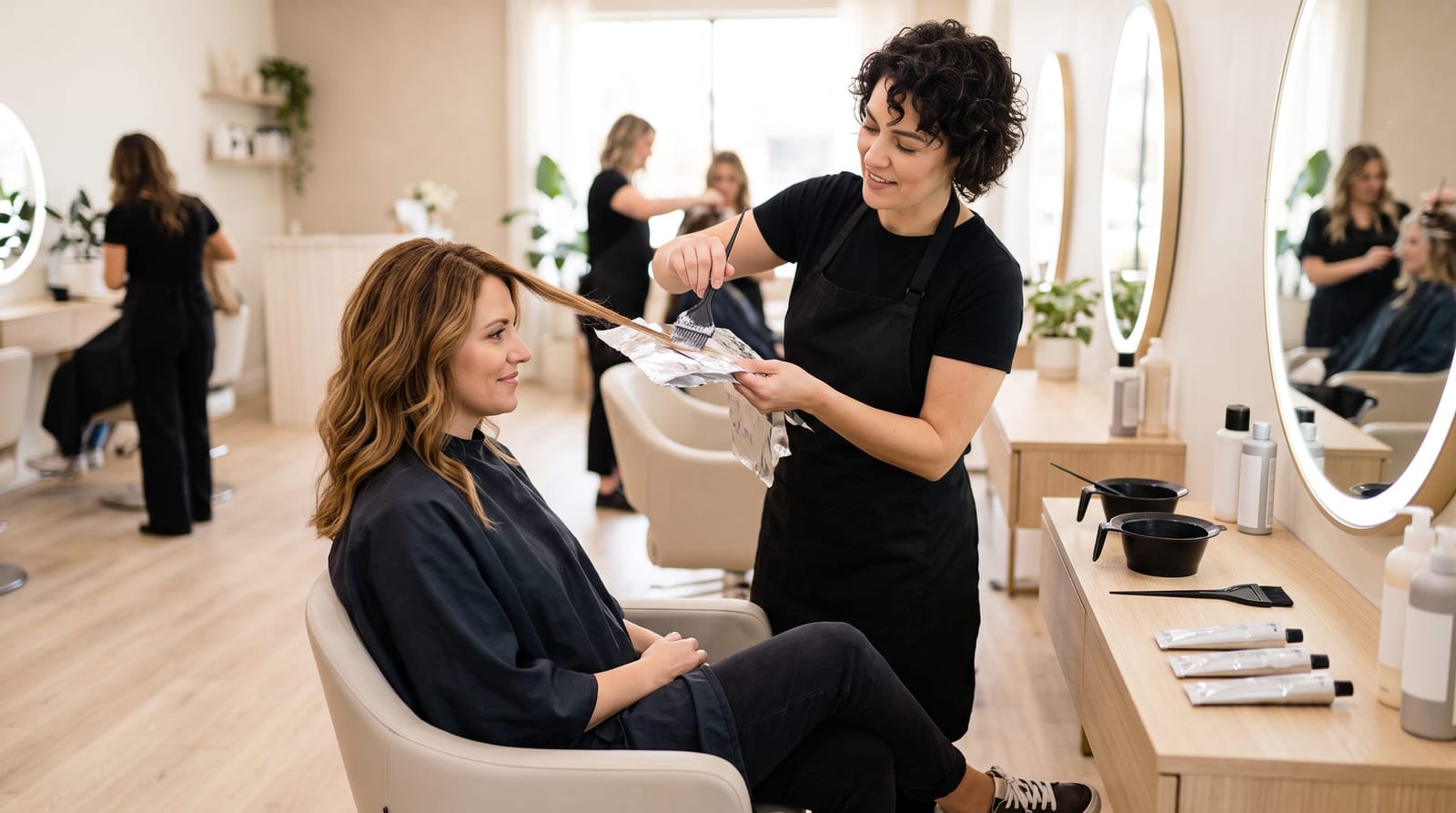
Traditional foils create precise, defined sections of color that start very close to the scalp. Because of this, new growth is often visible within 6 to 8 weeks, making this technique one of the higher-maintenance options. Most clients maintaining foil highlights fall into the 8 to 10 week range for touch-ups.
Balayage and Lived-In Color
Balayage is a freehand painting technique that places color starting a few inches away from the root, creating a soft gradient effect. Because the color doesn't begin right at the scalp, the grow-out looks intentional and natural for much longer, often 12 to 14 weeks, and sometimes even longer for clients with a darker base.
This is one reason balayage has become such a popular option for clients who want lower-maintenance color without sacrificing beauty or dimension. If you're exploring which technique makes the most sense for your complexion and hair goals, the guide on hair color for black hair offers a deeper look at shades and approaches that work beautifully on melanin-rich skin tones.
Full vs. Partial Highlights
Full highlights cover the entire head, while partial highlights focus on the top sections and face frame. Partial highlights typically require less frequent touch-ups because there's less overall color to maintain, and the lower sections of hair naturally receive less sun exposure and attention.
---Factor #3: Your Natural Hair Color and Base
The contrast between your natural hair color and your highlights plays a significant role in how often you'll need to come in. This is especially relevant for African American and Hispanic clients in the DMV who are starting from a rich, deep base.
When the contrast between your natural color and your highlights is high, think soft copper or caramel on a deep brown base, even a small amount of root growth can draw attention. When the contrast is lower, like chocolate-toned highlights on a medium brown base, the grow-out blends more naturally and requires less frequent attention.
This doesn't mean you should avoid bold, high-contrast highlights if that's the look you love. It simply means you'll want to plan for a more consistent touch-up schedule. Your colorist can help you choose a contrast level that balances your desired look with your preferred maintenance frequency.
It's also worth noting that if you have chemically processed hair, such as a relaxer or keratin treatment, the timing and application of highlights require additional consideration. For a full breakdown, the post on highlights on relaxed hair covers everything you need to know before booking your service.
---Factor #4: Your Lifestyle and Maintenance Habits
Your daily routine has more influence on your highlight touch up timing than you might expect. Two clients with identical highlight services can end up on completely different schedules depending on how they care for their color at home.
Sun Exposure and Outdoor Lifestyle
Spending a lot of time outdoors, especially during the DMV's warmer months, can cause highlights to lighten and shift in tone faster than expected. This may mean your highlights look beautiful and sun-kissed for longer, but it can also mean more brassiness or unevenness between appointments. A UV-protective hair product and a good toner can help manage this between visits.
Wash Frequency and Product Choices
Washing your hair frequently, especially with non-color-safe shampoos, can cause highlights to fade more quickly. Using color-safe, sulfate-free products and incorporating a purple or blue toning shampoo (for cooler-toned highlights) can meaningfully extend the life of your color between appointments: helping you stretch closer to the 12 to 14 week end of the recommended window.
Protective Styles
Clients who wear braids, twists, wigs, or other protective styles for extended periods may find that their highlights remain in excellent condition for longer, since the hair is exposed to less environmental stress and manipulation. This is an important consideration when planning your annual color maintenance schedule.
---Building Your Personal Highlight Maintenance Schedule
Now that you understand the key factors, here's how to build a realistic schedule that keeps your highlights looking their best year-round at Kabelly.
Step 1: Identify Your Technique and Contrast Level
Start with your most recent (or upcoming) service. Is it balayage or foil highlights? High contrast or soft and blended? This gives you your baseline range: 8 to 10 weeks for traditional foils, 12 to 14 weeks for balayage.
Step 2: Add Your Personal Variables
Consider your growth rate, lifestyle, and wash habits. If you have fast hair growth and spend a lot of time outdoors, move toward the shorter end of your range. If you use protective styles and wash infrequently with color-safe products, you may be able to comfortably extend to the longer end.
Step 3: Book Your Next Appointment Before You Leave
The easiest way to stay on schedule is to book your next touch-up appointment before you leave the salon. Most clients find that pre-booking takes the guesswork out of the process and ensures they always have a spot, especially during busy seasons when the salon fills up quickly.
Step 4: Reassess Seasonally
Your highlight maintenance schedule doesn't need to be rigid year-round. Check in with your colorist each season: your hair's needs in a dry DMV winter may be different from its needs during a humid summer.
And if you ever find that your color has shifted unexpectedly or your results don't look quite right between visits, it may be time to learn more about hair color correction service options, because getting your color back on track is always possible with the right professional approach.
---Conclusion: Timing Is Everything
Getting your highlight touch up timing right is one of the simplest ways to protect your color investment and keep your hair looking its best between visits. The sweet spot for most clients falls between 8 and 14 weeks, but your personal schedule depends on your technique, growth rate, natural base, and lifestyle habits. Starting with that framework, and adjusting it based on how your specific hair responds, gives you a maintenance routine that feels effortless rather than stressful.
At Kabelly, our colorists are here to help you build a plan that's tailored to you. Ready to schedule your next highlight touch-up or talk through what timing makes sense for your hair? Book your appointment today and let's keep your color looking exactly the way it should: beautiful, intentional, and completely yours.