Hair Color Correction: What It Is, When You Need It, and How Kabelly Can Fix It
When it comes to achieving your dream hair color, the journey isn't always a straight line, and that's completely okay. Whether a box dye left your hair with unexpected green or orange tones, a previous salon visit resulted in uneven color, or you're simply ready to make a major change after years of coloring, hair color correction is the service designed to get your hair back on track. As part of our broader approach to hair color for dark skin tones DMV clients, understanding color correction is essential, especially for African American and Hispanic women whose hair history often involves multiple chemical processes. This guide breaks down exactly what color correction is, why it's more involved than a standard color appointment, and what you can expect when you come to Kabelly for this transformative service.
What Is Hair Color Correction, Really?
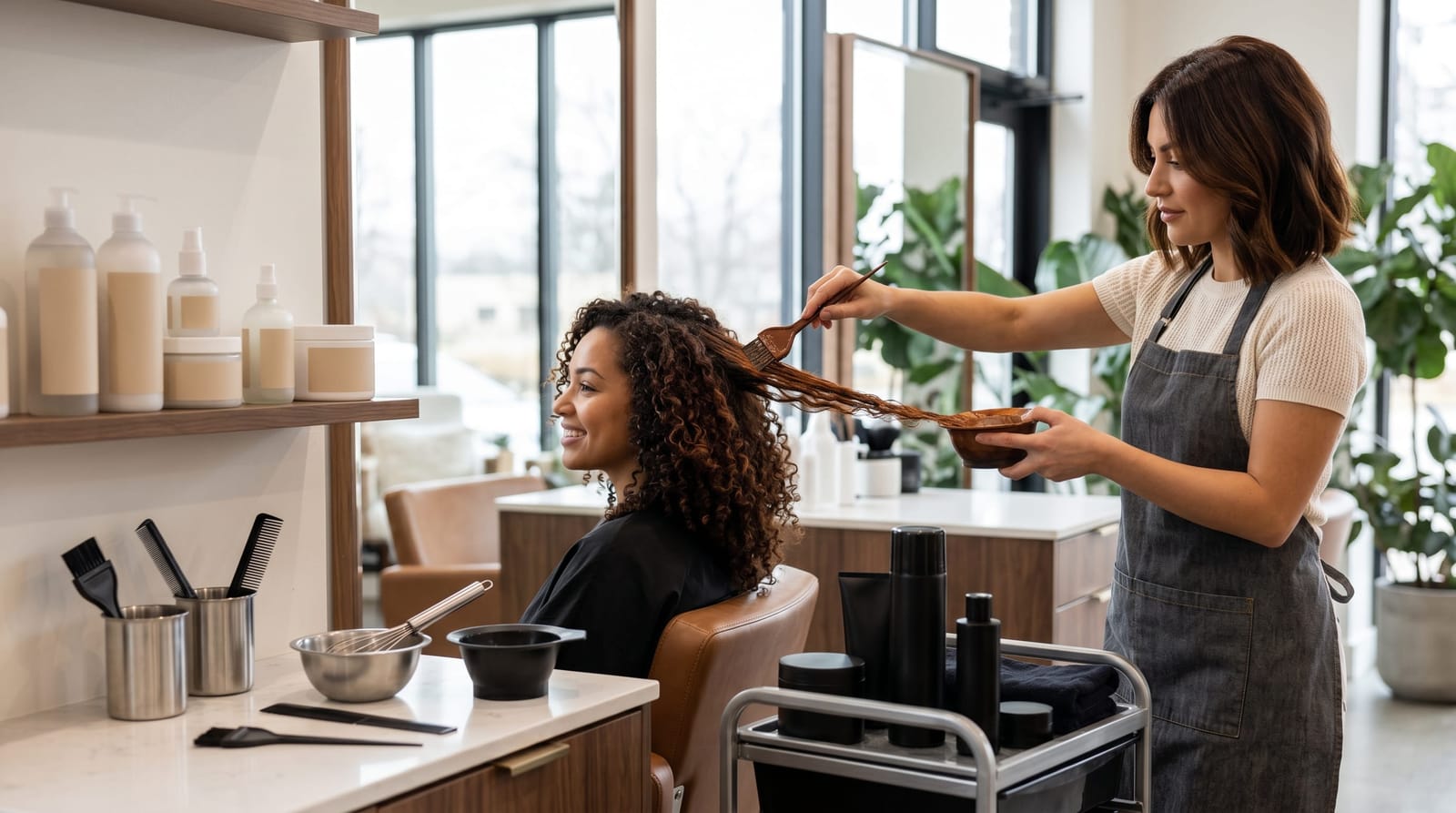
Hair color correction is a professional service designed to fix unwanted tones, uneven color distribution, or dye mistakes, whether they happened at home or in a previous salon. It's not a single technique but rather a category of corrective work that includes several different approaches depending on what your hair needs.
A hair color correction service can involve any combination of the following:
- Neutralizing brassiness or unwanted warm tones (orange, yellow, or red undertones)
- Evening out patchy or inconsistent color from previous applications
- Removing or lightening color from a box dye job gone wrong
- Correcting color that was applied unevenly across different hair sections
- Transitioning from one color family to another, for example, moving from jet black to a warm brunette or chestnut shade
- Restoring color balance after years of overlapping chemical services
The reason color correction is considered a specialty service is because it requires a stylist to accurately diagnose what is currently in your hair, including the underlying pigment, previous chemical history, and current hair integrity, before deciding how to move forward. This diagnostic step alone separates a skilled colorist from a generalist. At Kabelly, our approach to color correction always begins with a thorough consultation so we fully understand your hair's history before any product touches your strands.
Why Color Correction Is More Complex Than a Regular Color Service
Many clients are surprised to learn that color correction often requires multiple appointments spread across weeks or even months. This isn't because stylists are being overly cautious: it's because hair color chemistry is layered, and correcting it responsibly takes time.
The Challenge of Underlying Pigment
Every hair strand holds natural pigment, and when hair is lightened or colored, those underlying tones are exposed in stages. Dark hair, for example, passes through red, then orange, then yellow tones as it's lightened. If a color service stops too early or uses the wrong formulation, those in-between tones get "locked in," resulting in the brassiness many clients experience after coloring. For women with deeper, melanin-rich complexions, which is common among our African American and Hispanic clientele, this process requires even more precision because the natural pigment is denser and more resistant to lifting.
The Risk of Over-Processing
One of the most important reasons color correction must be done gradually is hair integrity. Trying to make too dramatic a color change in a single session can compromise the hair's structure, leading to dryness and breakage. Professional colorists know how to balance correction with preservation, which is why spreading the process across multiple visits is often the safest and most effective approach. According to industry estimates, color correction services can take anywhere from two to five hours per session, and some full corrections require two to three separate appointments to complete safely.
The Cost Reflects the Expertise
Hair color correction services are typically priced by the hour, with industry rates generally ranging from $80 to $120 per hour depending on the salon, stylist experience, and the complexity of the correction needed. At Kabelly, pricing is discussed during your consultation so there are no surprises: you'll know exactly what your correction plan involves before we begin.
Common Situations That Call for Color Correction
Color correction isn't just for dramatic hair disasters. It's a service that many clients need for more subtle but equally frustrating issues. Here are the most common situations we address at Kabelly:
Box Dye Gone Wrong
At-home hair color products are formulated for mass application, which means they can't account for your individual hair texture, porosity, or previous chemical history. Box dyes, especially black and dark brown shades, deposit color molecules deeply into the hair shaft in a way that's notoriously difficult to remove or adjust. Many clients come to us after applying box dye only to find their color looks flat, too dark, or has taken on an unexpected cool or muddy tone. This is one of the most common color correction requests we receive, and it's one that requires patience and a strategic plan.
Brassiness After Lightening
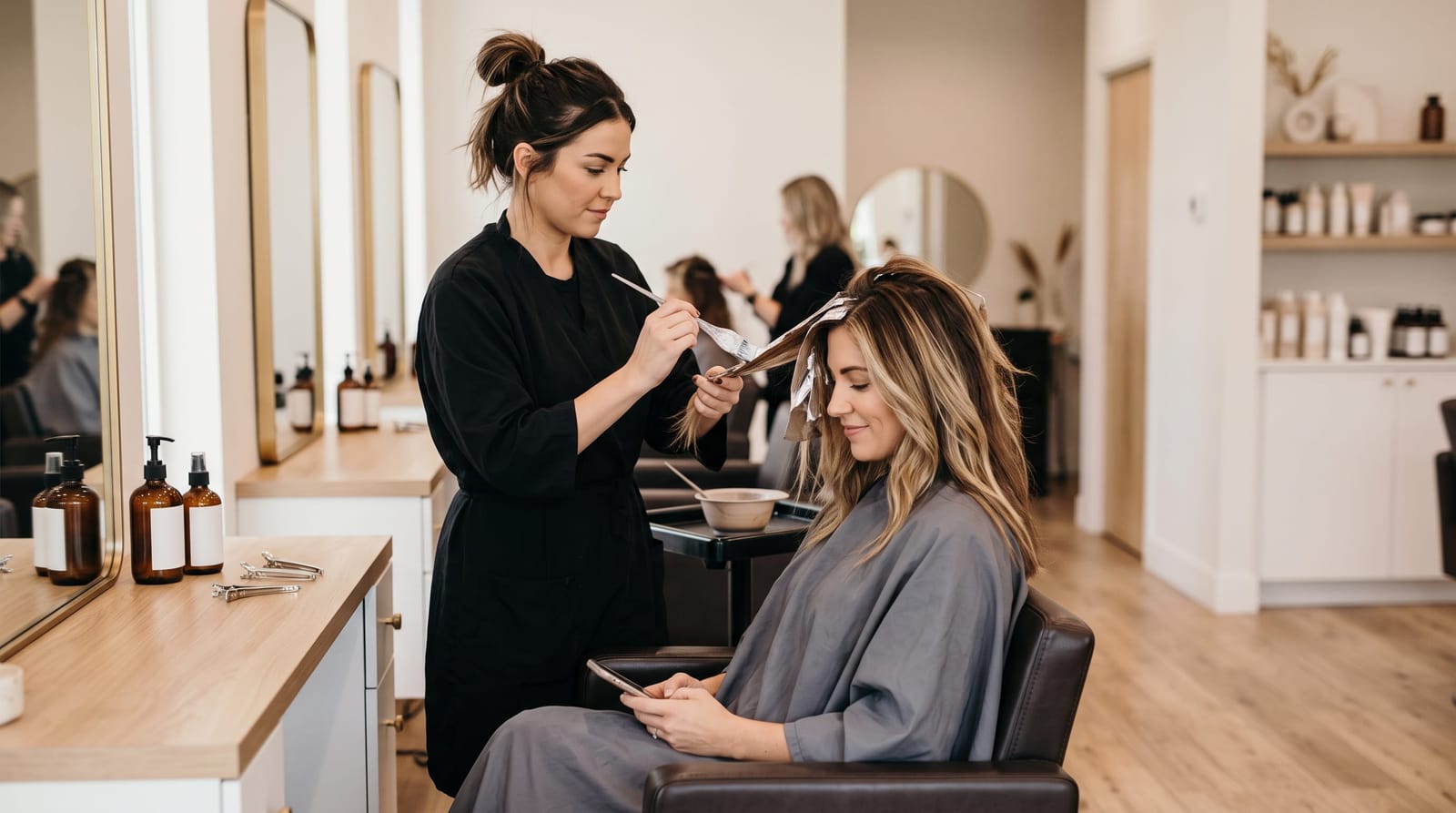
If you've had highlights, balayage, or a full lightening service and noticed your hair turning orange or yellow within a few weeks, that's a classic brassiness issue. This happens when the lightening process doesn't fully neutralize the underlying warm pigment, or when the toner used wears off faster than expected. A professional color correction service, including a customized toning treatment, can restore the cool, dimensional tones you were aiming for.
Uneven or Patchy Color
Uneven application is another reason clients seek out a hair color correction service. This can result from at-home coloring, rushed salon work, or hair that has different levels of porosity throughout (which is especially common in textured and chemically processed hair). Porosity affects how color is absorbed, meaning the same formula can look dramatically different at the roots versus the ends. Correcting this requires section-by-section analysis and a tailored approach.
Major Color Changes
Going from very dark hair to a significantly lighter shade, or vice versa, almost always qualifies as a color correction scenario. For example, a client moving from a deep black to a warm caramel brown can't achieve that in one step without risking uneven results or over-processing. Our colorists map out a realistic path to your goal shade across multiple sessions, ensuring each step strengthens rather than compromises your hair.
How Color Correction Works at Kabelly
Our color correction process at Kabelly is structured around three core principles: assess, plan, and execute with precision. Here's how we approach it:
Step 1: The Consultation
Every color correction begins with an in-depth conversation about your hair history. We'll ask about previous services, relaxers, keratin treatments, highlights, box dyes, because all of these affect how your hair will respond to corrective treatments. We also discuss your goal color and set realistic expectations about the timeline and number of sessions involved. This transparency is part of what makes Kabelly a trusted destination for color services in the DMV.
Step 2: Color Analysis and Diagnosis
After the consultation, we assess your current hair color under salon lighting to identify the undertones, porosity levels, and any areas of concern. This is where professional training and experience make a meaningful difference: an experienced colorist can "read" the hair and anticipate how it will respond to treatment, which helps avoid common correction mistakes like over-lightening or uneven toning.
Step 3: The Correction Plan
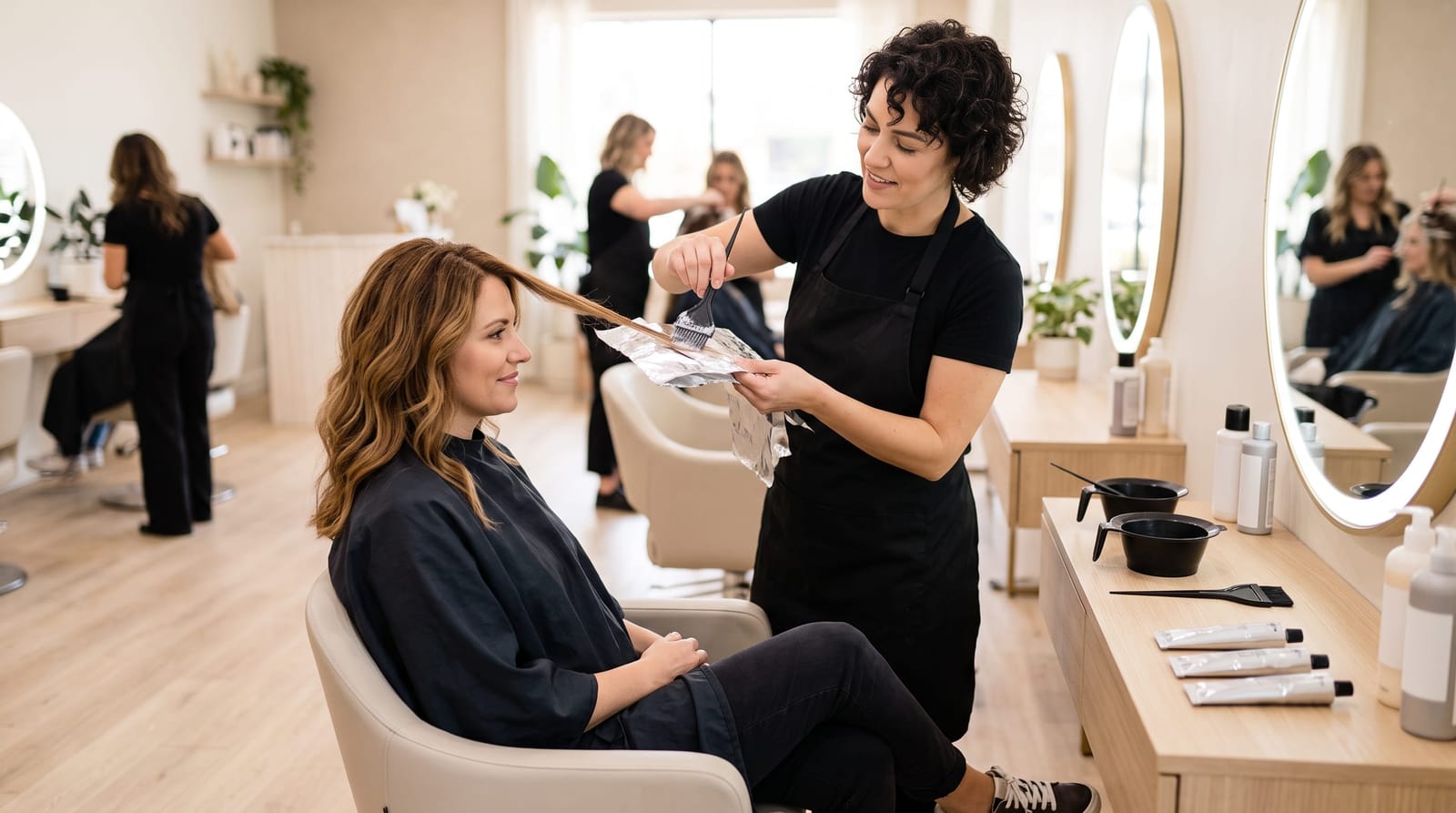
Based on your consultation and color analysis, we create a step-by-step correction plan. Depending on the complexity, this may involve color removal, toning, color balancing across sections, and conditioning treatments between chemical steps. We use professional-grade products specifically chosen for your hair type and texture: a detail that matters especially for textured and chemically treated hair, which has specific needs that generic products often don't address.
Step 4: Ongoing Maintenance
Color correction doesn't end when you leave the salon. We'll recommend a maintenance plan including at-home care products, toning shampoos or conditioners, and the ideal timeline for your next appointment. This ongoing support is part of how we help clients maintain their corrected color between visits.
Color Correction and Textured or Chemically Treated Hair
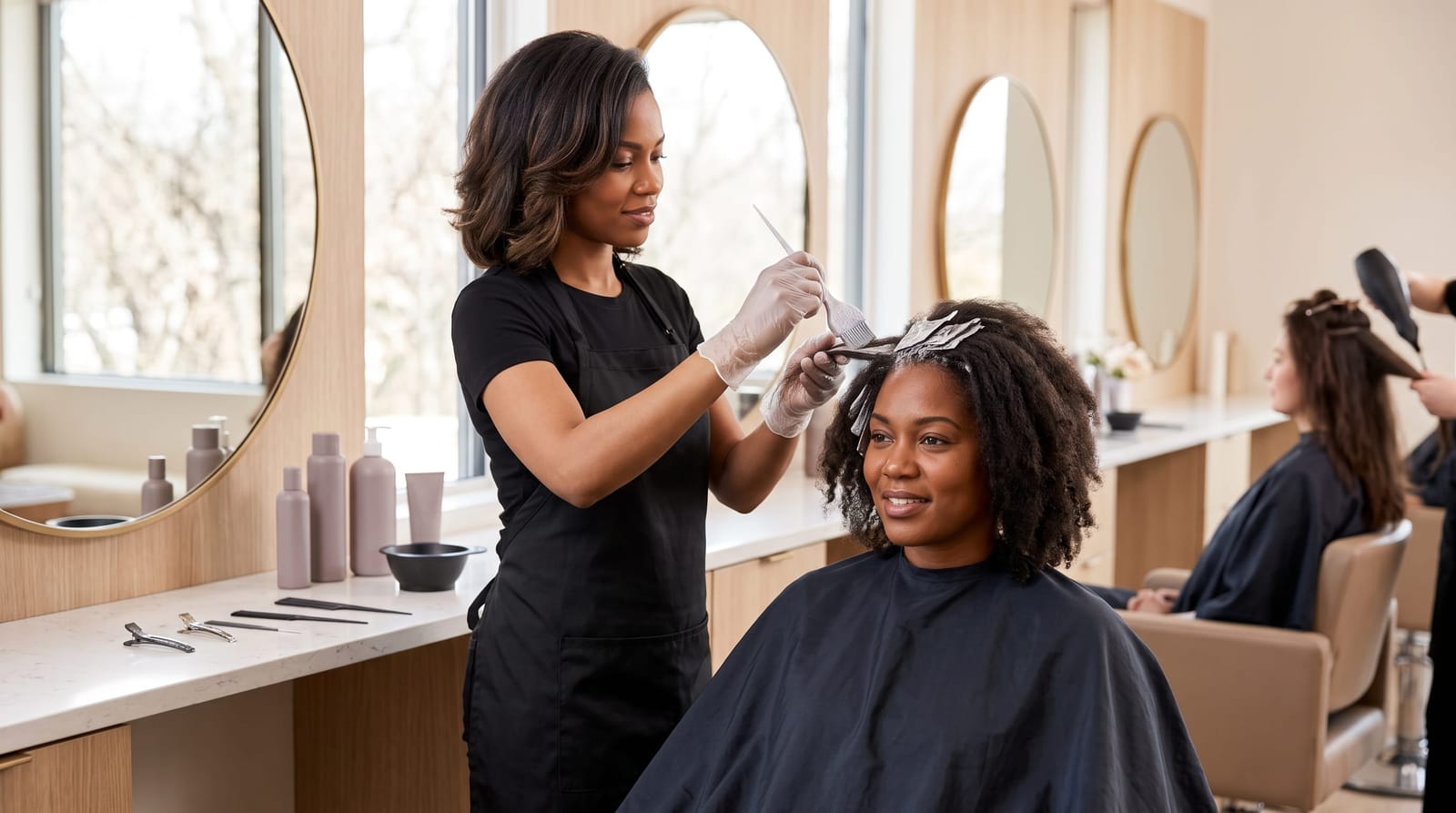
For African American and Hispanic women in the DMV, color correction comes with an additional layer of consideration: particularly if your hair has been chemically relaxed, texturized, or treated with a keratin service. If you're exploring highlights on relaxed hair, it's important to understand that the combination of chemical relaxing and color correction requires especially careful timing and formulation to preserve your hair's health and integrity.
Relaxed hair has already undergone a chemical process that changes the hair's internal structure, which affects how it absorbs and holds color. This means the correction process may need to be approached more conservatively, with longer intervals between steps and added focus on strengthening treatments alongside the color work. The good news is that this kind of nuanced, personalized approach is exactly what Kabelly specializes in: we understand the unique needs of textured and melanin-rich hair and build every color plan around those specifics.
When choosing the right starting point for your color journey, it's also worth understanding which shades work beautifully with your complexion. Our guide to hair color for black hair is a great resource for exploring shades that complement deeper skin tones before committing to a color direction.
When to See a Professional Instead of Trying to Fix It at Home
It can be tempting to try to correct color at home, especially if the initial mistake happened with an at-home product. But color correction is one of those areas where additional at-home attempts often make the situation more complex, not less. Here are clear signs that it's time to book a professional appointment:
- Your hair has turned an unexpected color (green, orange, or muddy brown) after dyeing
- You have noticeably different tones at your roots versus your ends
- You've applied box dye over previously lightened or highlighted hair
- You're trying to go significantly lighter than your current color
- You've already tried to fix the color once at home without success
- Your hair feels unusually dry or fragile after coloring
In any of these situations, stepping back and consulting a professional colorist is always the wisest choice. Color correction done by an expert preserves more of your hair's health and gets you to your goal more efficiently, even if it takes a few sessions to get there.
Conclusion
Hair color correction is one of the most skilled and personalized services available at Kabelly, and for good reason. Whether you're dealing with brassiness, a box dye situation, uneven tones, or a major color change, the right correction plan makes all the difference. Our colorists bring both the technical expertise and the cultural understanding needed to serve African American and Hispanic clients across the DMV with care and precision. If your current color isn't telling the story you want it to, we're here to help write a better one. Book a color correction consultation at Kabelly today and let's create a plan that works for your hair, your complexion, and your goals.