What to Do With Your Hair After Removing Braids: A Step-by-Step Guide
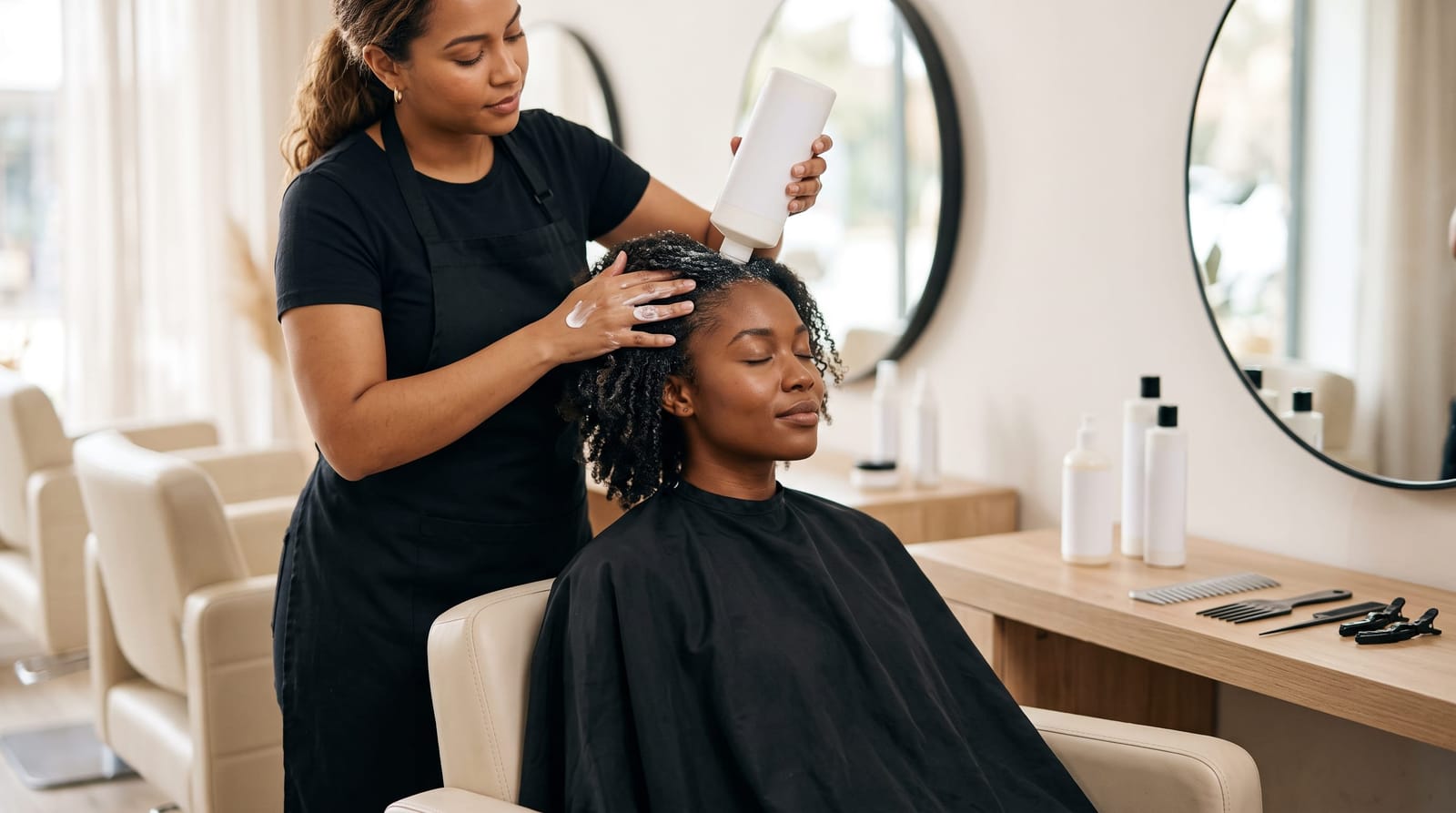
Taking down a protective braided style is one of the most rewarding, and delicate, moments in any natural hair journey. After weeks or months of low manipulation, your hair has been resting, but it also needs some dedicated attention before you move forward with your next look. If you've been researching what comes next, you're likely already familiar with the bigger conversation around blow out after braid removal in the DMV, and for good reason. A professional blow out for braids is one of the most effective ways to transition out of a protective style without sacrificing the length and fullness you worked so hard to preserve. This guide walks you through exactly what to do, from the first moment you remove that last braid to the finishing touches of your refreshed style.
Tip 1: Take Your Time With the Takedown: Rushing Costs You Length
The post-braid process actually begins before you ever step into the shower. How you remove your braids matters more than most people realize. Studies on natural hair breakage show that mechanical stress, like aggressive unraveling, accounts for a significant portion of length loss during protective style transitions. In fact, hair that has been braided for 6 to 8 weeks or longer can shed up to 150 hairs per day once released, compared to the average 50 to 100 strands of daily shed hair. That's not damage: it's simply accumulated shedding that was held in place by the style itself.
How to Remove Braids Without Breakage
- Work in small sections rather than grabbing large chunks of hair at once
- Use a small amount of lightweight oil, such as jojoba or argan, on each braid before unraveling to reduce friction
- Gently slide braids down toward the ends rather than pulling from the root
- Set aside 2 to 4 hours depending on the size and length of your braids: patience here protects your edges and length
Once every braid is removed, your hair will still be in a stretched, elongated state. Resist the urge to immediately detangle dry hair with a comb. This is the stage where most breakage happens, and it's also where professional guidance makes a meaningful difference.
Tip 2: Pre-Detangle Before You Wash: Don't Skip This Step
One of the most common mistakes after braid removal is going straight from takedown into the shampoo bowl. Your hair has been coiled, twisted, and compressed for weeks. Introducing water before loosening the shed hair and tangles will cause those strands to knot even further: making the detangling process significantly harder and more damaging.
Pre-Detangle the Right Way
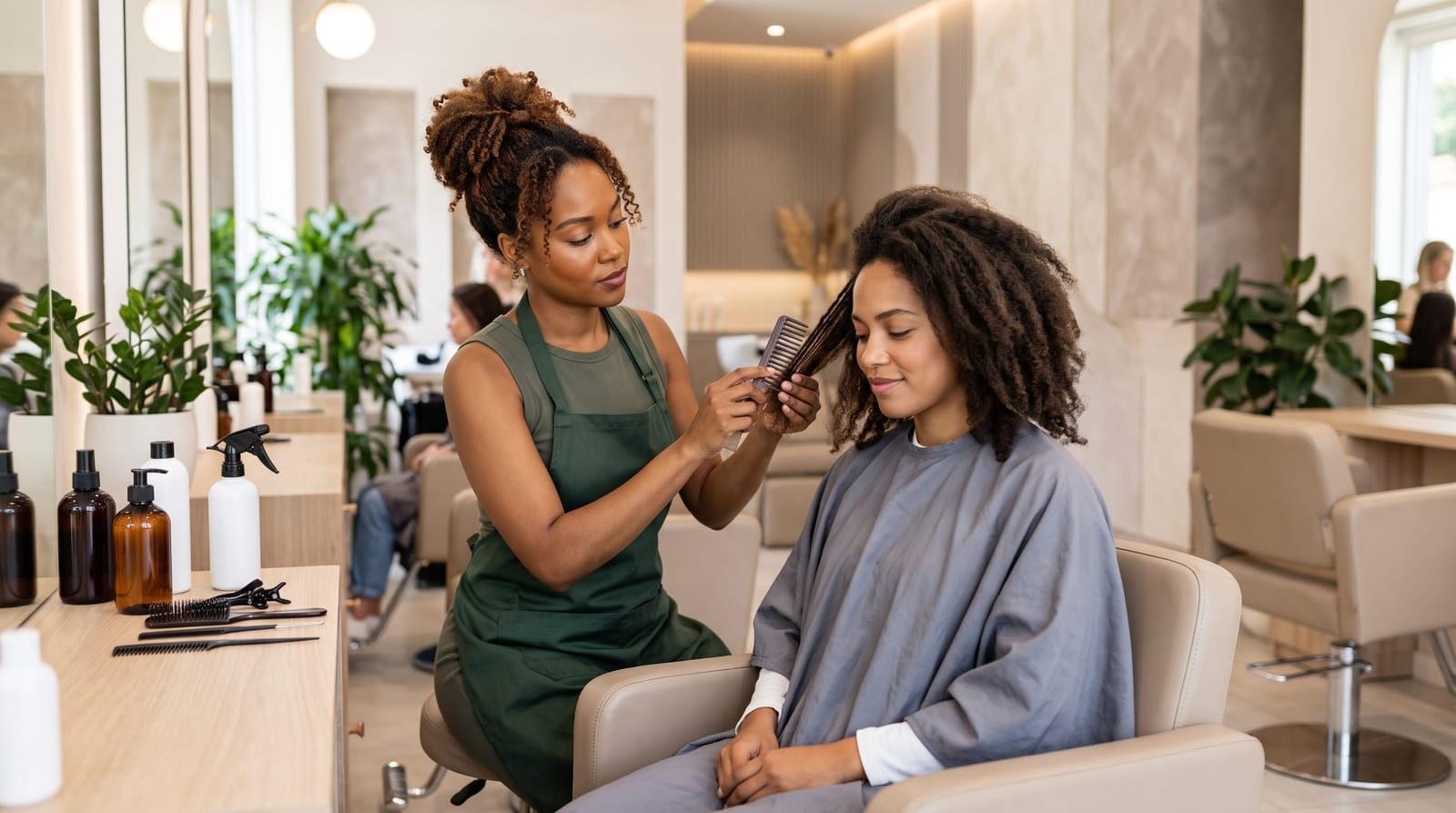
Before washing, apply a generous amount of a lightweight conditioner or detangling product to each section of dry hair. Use your fingers first to gently separate larger tangles, working from the ends upward toward the roots. Once your fingers can move through each section without resistance, transition to a wide-tooth comb, still working from ends to roots, before moving to the wash step.
This pre-detangle step can reduce the time spent detangling in the shower by as much as 50%, and it dramatically cuts down on the number of strands lost during the process. If you're planning a professional blow out for braids at a salon like Kabelly, your stylist will often perform a professional-grade detangle as part of the service, but arriving with hair that has been pre-loosened makes the entire process more comfortable and effective for your hair.
Tip 3: Wash and Deep Condition: Your Hair Is Thirsty After Weeks Under a Style
After weeks of little to no moisture access, your strands are ready for a deep drink. A thorough cleanse followed by an intensive conditioning treatment is non-negotiable at this stage, and it sets the foundation for everything that comes after, including the blow out.
Choosing the Right Shampoo
Look for a clarifying or gentle cleansing shampoo that removes product buildup, dry scalp flakes, and any residue from braid sprays or oils used during the protective style. Buildup left on the scalp after long-term braiding can contribute to scalp sensitivity, so a clean base is important. Wash in sections, typically 4 to 6 large sections, to prevent re-tangling.
The Deep Conditioning Step
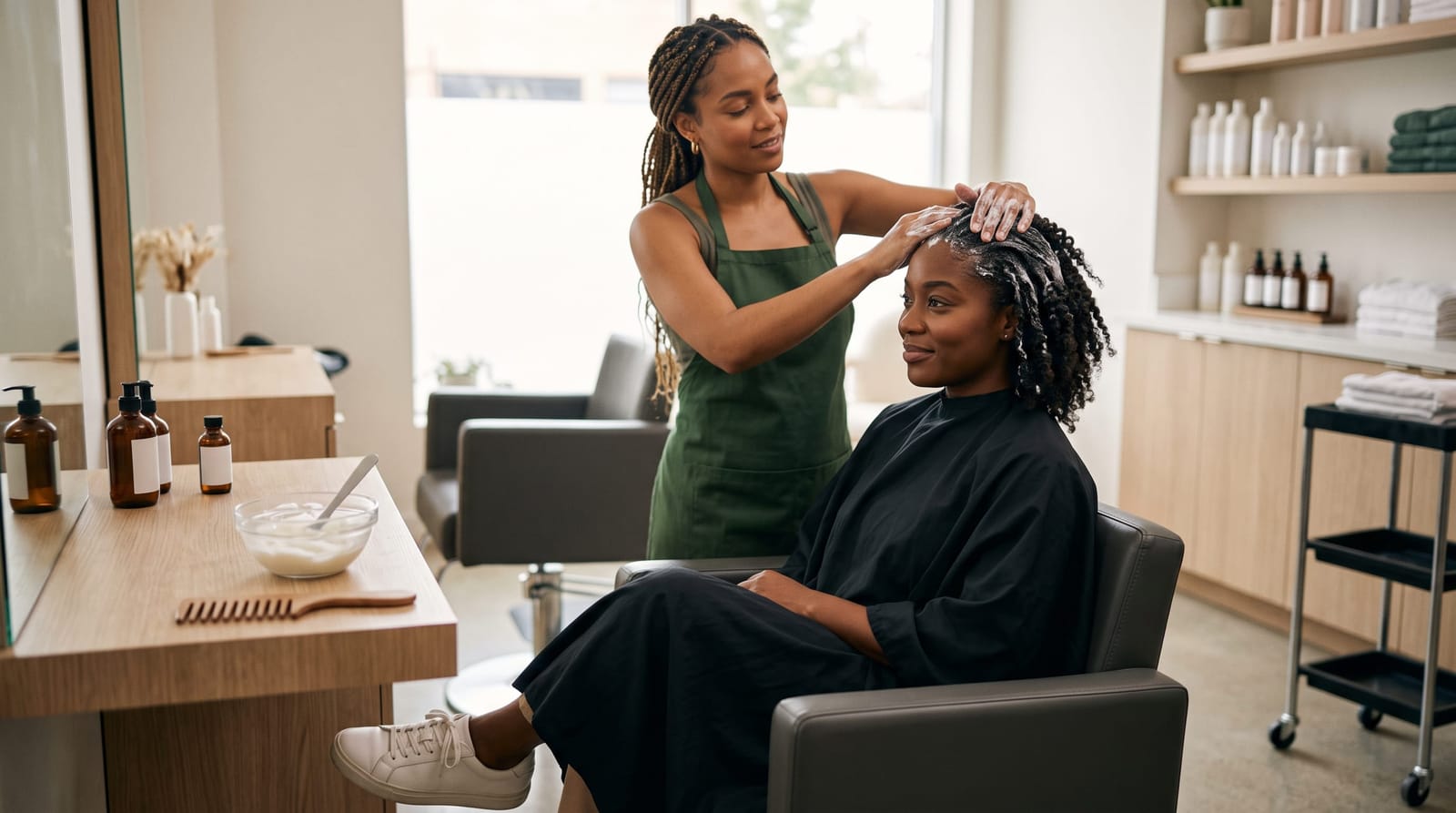
This is not the moment to skip your conditioner. After a long-term protective style, hair benefits most from a deep conditioning treatment: ideally one that penetrates the hair shaft for moisture restoration rather than simply coating the surface. Apply generously, comb through with a wide-tooth comb to ensure even distribution, and allow it to sit for at least 20 to 30 minutes under a plastic cap. Heat (from a hooded dryer or even a warm towel) helps open the cuticle and allows the conditioner to absorb more effectively.
At a professional salon, this deep conditioning step is often paired with steam or professional heat equipment, giving your hair a level of moisture restoration that's difficult to replicate at home.
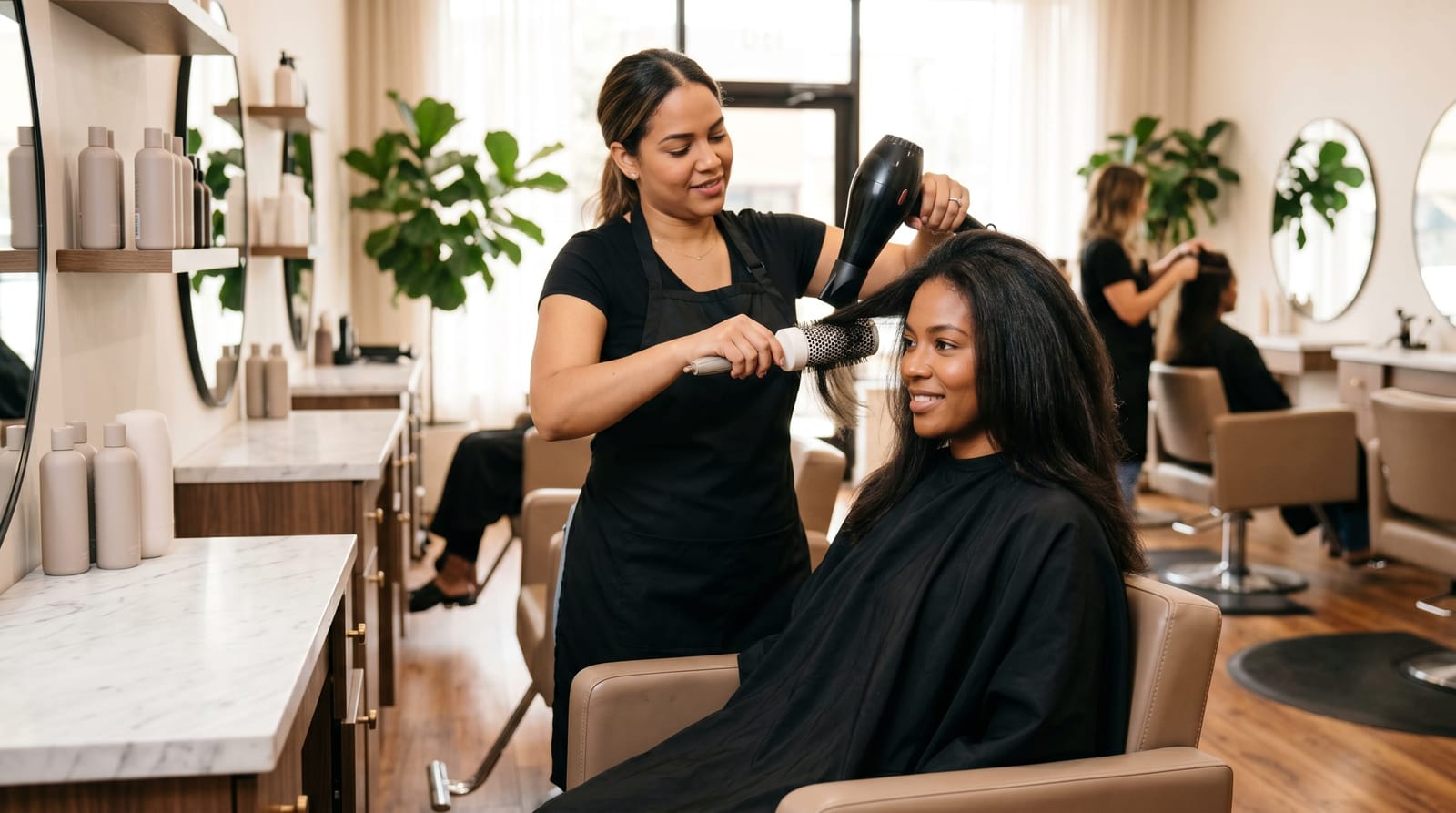
Tip 4: The Blow Out for Braids: Why This Step Changes Everything
Once your hair is clean, conditioned, and gently detangled, it's time to talk about the blow out, and why it's specifically valuable after braid removal, not just as a general styling service.
A blow out for braids serves a dual purpose. First, it stretches the hair in its most hydrated, healthy state, which means less manipulation needed later and a smoother transition to your next style. Second, it allows a professional to see your hair fully extended, giving them the clearest possible picture of your hair's health, density, and any areas that might benefit from a trim.
What a Professional Blow Out Includes
- A heat protectant application: Products are applied section by section before any heat tool touches your hair
- Tension technique: Using a round brush or paddle brush with the blow dryer, a stylist stretches each section from root to tip, smoothing the cuticle as they go
- Controlled heat management: A professional stylist adjusts heat settings based on your hair's texture and current condition, not a one-size-fits-all approach
- Length and fullness reveal: The blow out stretches curl pattern, revealing your true length and showing exactly how much your hair has grown during the protective style
At Kabelly, the blow out for braids is tailored specifically to the post-protective-style client. Stylists understand the unique condition of hair coming out of long-term braiding, including the need for extra moisture, gentle tension, and careful attention to the hairline and edges, which are often the most delicate areas after braid removal.
Clients often find that understanding Dominican blow out time helps them plan their salon visit appropriately: post-braid appointments typically take longer than a standard blow out due to the additional detangling and conditioning steps involved.
Tip 5: Use the Right Products Before and After Your Blow Out
The products you use during and after a blow out for braids have a direct impact on how your hair looks, feels, and holds up in the days following your appointment. This isn't about layering on as many products as possible: it's about choosing the right formulas for your hair's post-braid condition.
Products for the Blow Out Process
- Blow out cream or lotion: A lightweight blow out cream adds smoothness and helps the hair respond to heat styling without stiffness or heaviness. These products typically provide a balance of moisture and hold that keeps hair manageable throughout the drying process
- Heat protectant: Non-negotiable. A quality heat protectant reduces the risk of moisture loss during the blow dry process
- Leave-in conditioner: Applied before the blow out cream, a leave-in adds an extra layer of hydration that supports elasticity and reduces frizz
Products for After Your Blow Out
- A light finishing serum or oil to add shine and smooth the cuticle once your style is complete
- A satin pillowcase or bonnet to maintain your style overnight: this single habit can extend your blow out by 2 to 3 additional days
- A dry shampoo or scalp refresher for days 2 and 3 to extend freshness without compromising your blow out's volume
For a more detailed breakdown of which specific formulas work best at each stage, explore our guide on blow out maintenance products recommended for post-braid care.
Tip 6: Consider a Trim: Fresh Ends Make Everything Look Better
After a blow out for braids reveals your full length, it's the ideal moment to assess whether a trim is in order. Long-term protective styles, while excellent for retaining length, can sometimes leave the ends of your hair in a dry or uneven state, especially if the braid extensions caused any friction on the tips of your natural hair.
A trim at this stage isn't about losing length: it's about refreshing the ends so that every inch of hair you've retained looks and feels its best. Even a small trim of a quarter to half an inch can dramatically improve the overall appearance of your blow out and make your next style lay more evenly.
For a closer look at when and why to schedule a post-braid trim, our guide on haircut frequency schedule after protective styles covers the timing and decision-making process in detail.
Related Details Worth Exploring
Once you've mastered the core post-braid process, there are a few more specific topics that can help you get the most out of your blow out experience in the DMV:
- How long the appointment takes: Post-braid blow outs are a more involved service than a standard blowout. Understanding the timeline helps you plan your day and arrive without feeling rushed.
- Which products to use at home: The right maintenance products between salon visits make a measurable difference in how long your blow out looks fresh and how your hair feels heading into your next style.
- Whether a trim is right for you: Not every post-braid appointment needs a trim, but knowing when it makes sense can help you protect your length while keeping your ends healthy.
Final Thoughts: Your Hair Deserves a Thoughtful Transition
Removing braids is an exciting moment: your hair has grown, rested, and is ready for something new. But the steps you take in those first hours and days after takedown set the tone for everything that follows. A careful detangle, a nourishing wash and deep condition, and a professional blow out for braids give your hair the foundation it needs to thrive in its next style: whatever that looks like for you.
At Kabelly in the DMV, the post-braid blow out is a signature service designed specifically for this transition. If you're ready to see your hair's full potential after removing your braids, book your appointment and let a skilled stylist guide your hair through the process with the care it deserves.