Texturizer on Natural Hair: What to Expect, Results, and How Long It Lasts
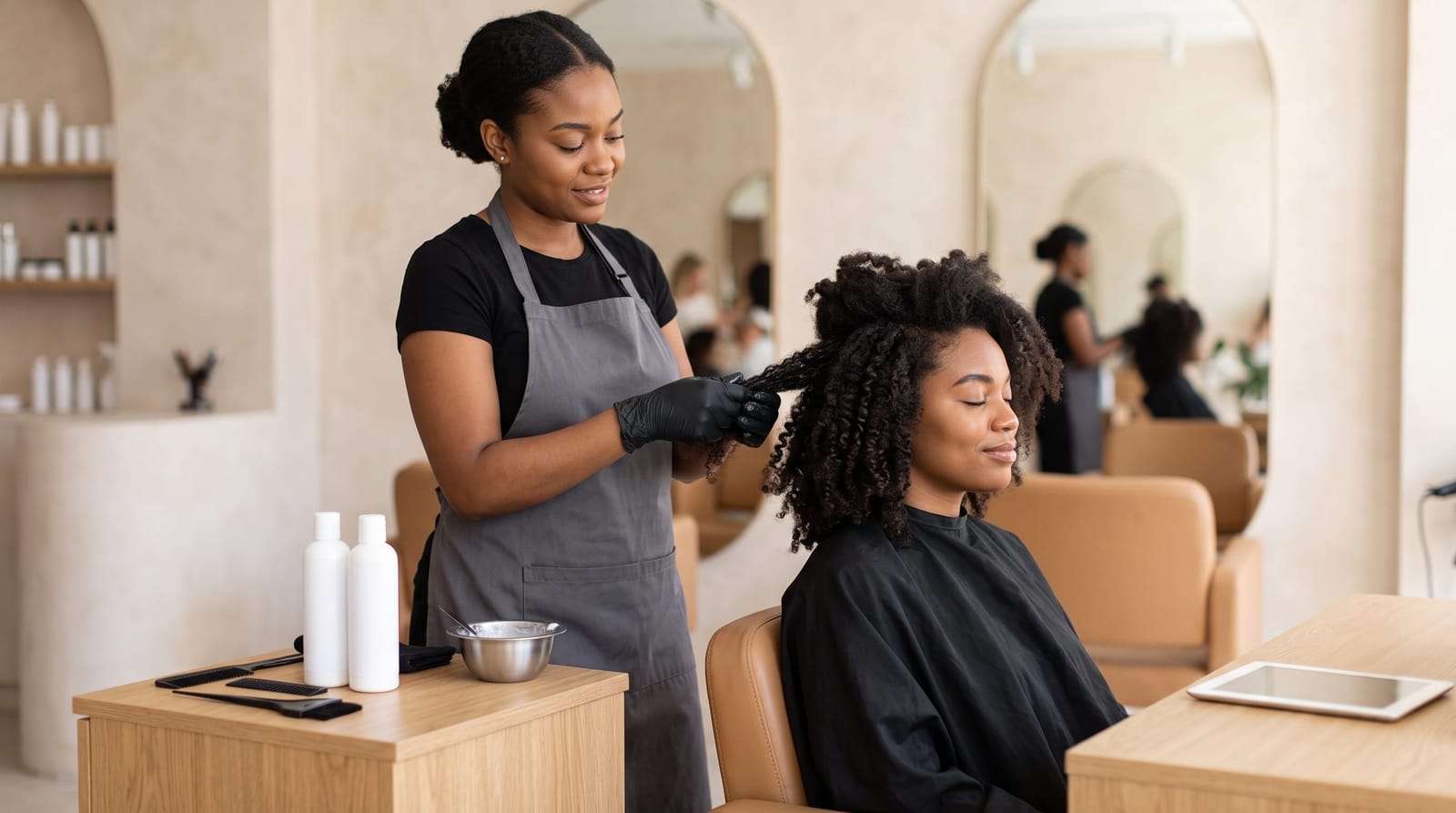
When exploring chemical hair services, most people land on one of two options: a full relaxer or a texturizer hair treatment. While both involve a chemical process, they deliver very different outcomes, and for natural hair clients in the DMV who want softer, more manageable curls without losing their texture entirely, a texturizer is often the more appealing starting point. Our complete guide to relaxers vs. texturizers covers the broader landscape of chemical straightening, but this post goes deeper into what a texturizer actually does, who it works best for, what real results look like, and how to maintain your hair after the treatment. If you've been curious about the texturizer hair treatment but weren't sure where to begin, this overview is written for you.
What Is a Texturizer Hair Treatment?
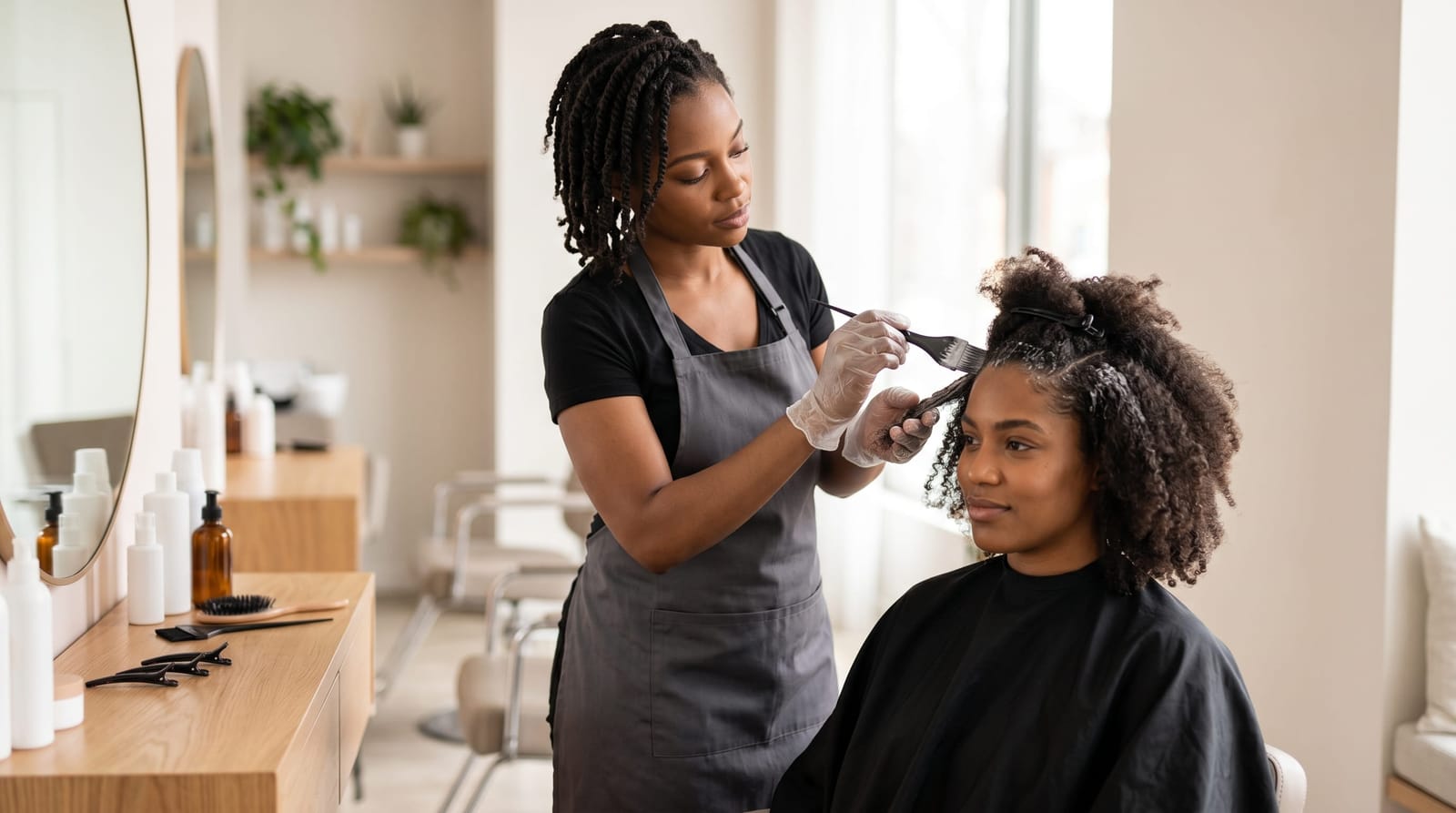
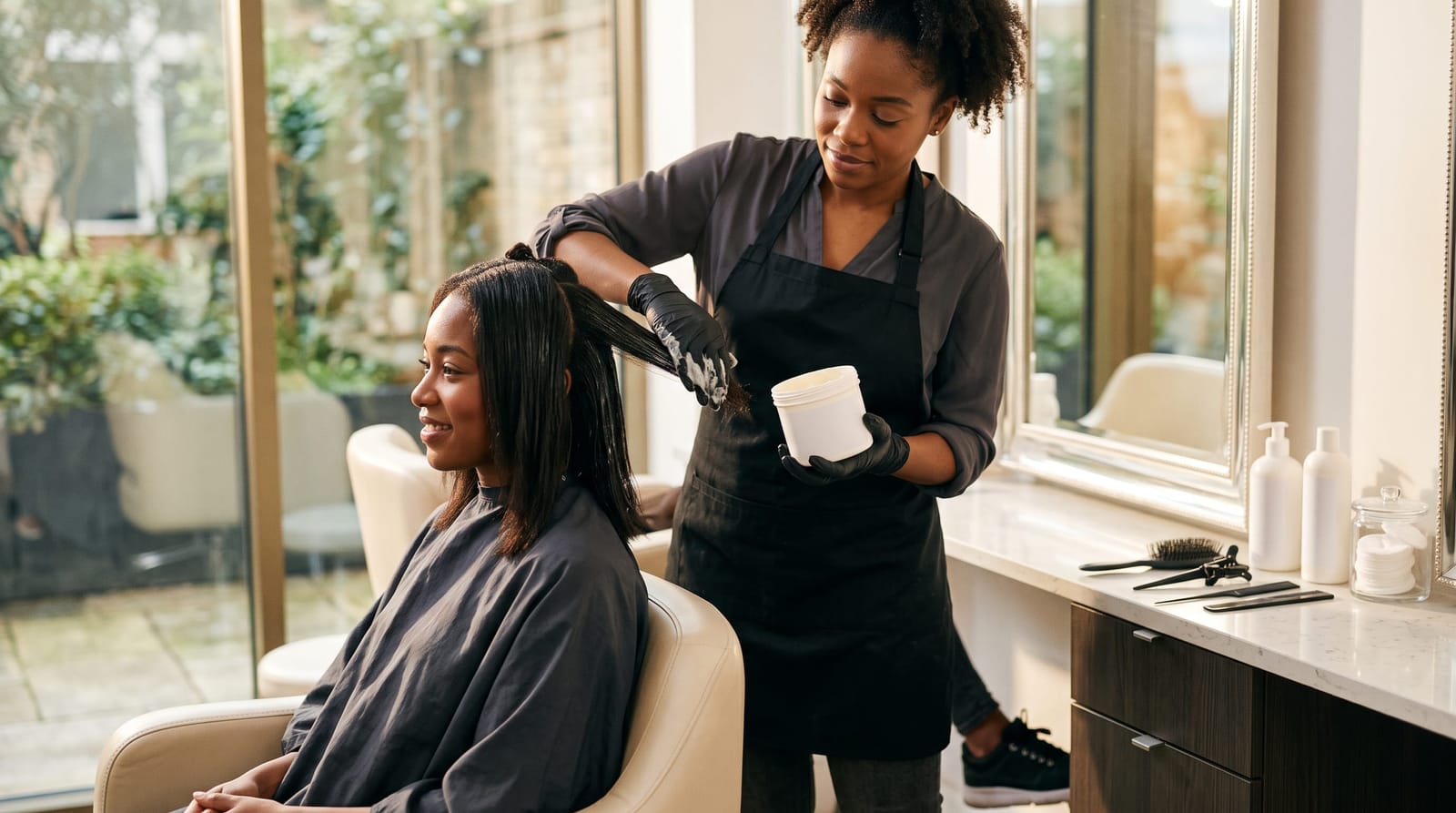
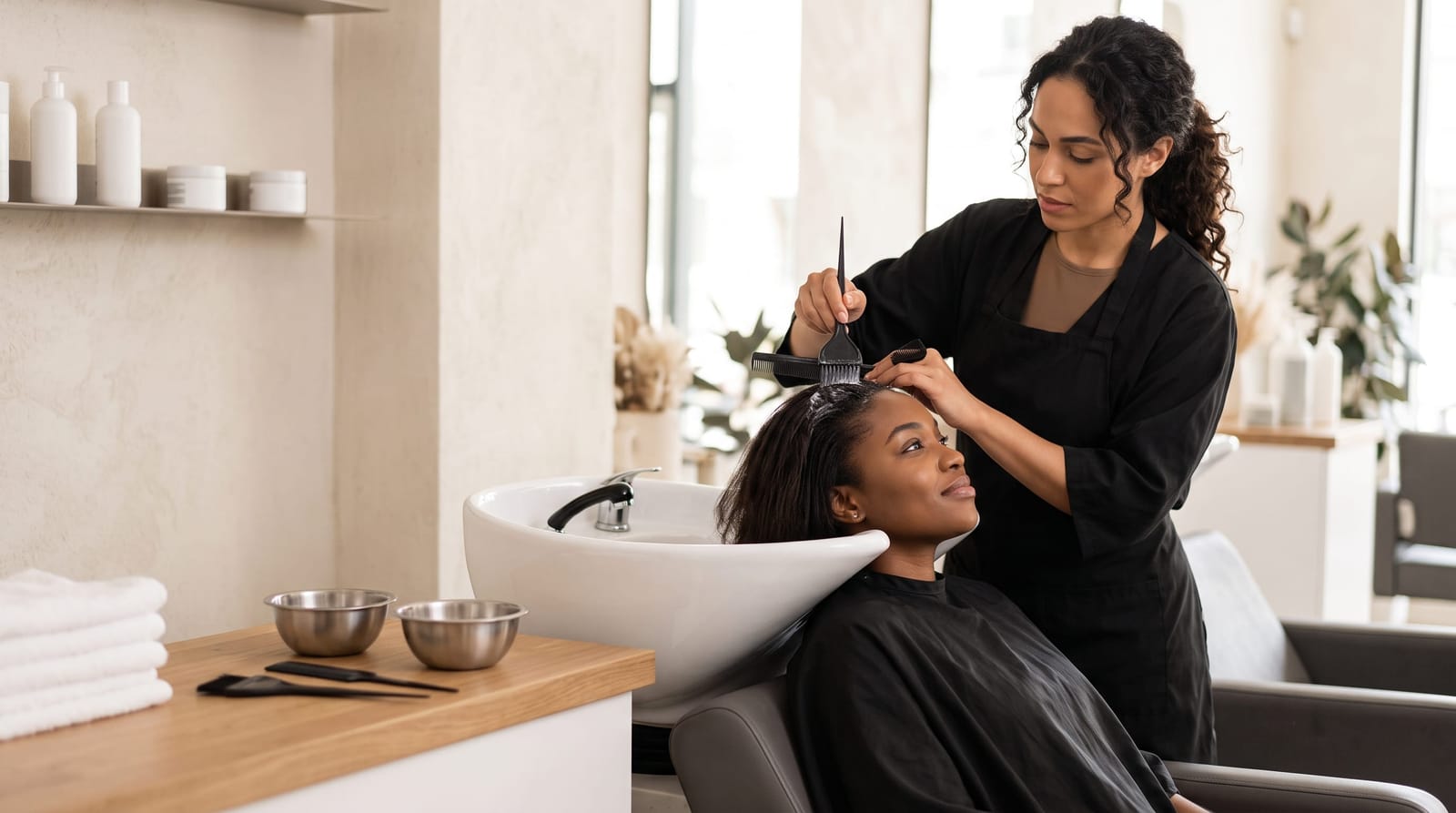
A texturizer hair treatment is a chemical service that loosens your natural curl pattern without fully straightening your hair. Think of it as a relaxer turned down in intensity. The same chemical process is at work, the treatment penetrates the hair shaft and alters the protein bonds that give your curls their shape, but it's applied for a shorter processing time, which means the result is a softer, more open curl rather than a straightened one.
The key word here is loosen. A texturizer hair treatment doesn't eliminate your curl pattern. Instead, it redefines it. Tightly coiled 4A or 4B curls may relax into a softer S-shaped wave. Looser 3B or 3C curls may become more defined and elongated with significantly less frizz. The outcome depends on your starting texture, the product strength used, and how long the treatment processes.
How It Changes the Hair's Structure
Like a relaxer, a texturizer hair treatment is a permanent chemical process. It breaks down the disulfide bonds in the hair's protein structure and reshapes them in their loosened state. Once those bonds are altered, the change is permanent in the treated strands. New growth will come in as your natural texture, which is why regular maintenance appointments are part of the process.
It's important to understand that "permanent" refers to the treated hair itself, not the overall look over time. As your hair grows, new natural-textured roots will appear, creating a visible line of demarcation between new growth and treated hair. This is completely normal and expected with any chemical hair service.
Texturizer Results: What Does It Actually Look Like?
One of the most common questions clients ask before booking a texturizer hair treatment is: what will my hair actually look like afterward? The honest answer is that results vary, and that's part of what makes this treatment so personal.
Softer, More Defined Curls
For most clients, a texturizer hair treatment produces curls that feel softer, look more defined, and require significantly less manipulation to style. If you've spent years fighting frizz or spending long mornings detangling tightly coiled hair, this shift can feel genuinely transformative in your daily routine.
Hair that was previously difficult to detangle while wet becomes much more cooperative. Wash-and-go styles are easier to achieve and last longer. Twist-outs and braid-outs tend to come out smoother and more uniform in pattern.
What a Texturizer Won't Do
It's equally important to have realistic expectations. A texturizer hair treatment is not a straightening service. Your hair will not be bone straight, sleek, or dramatically elongated the way a full relaxer produces. If your goal is a straightened style, a texturizer may leave you wanting more, which is exactly why understanding the difference between the two services matters before you commit. If you're weighing both options, the texturizer vs relaxer difference is worth exploring in detail so you choose the service that matches your actual goals.
Results also depend heavily on the starting hair type. Very tightly coiled hair may only loosen slightly with a texturizer, while a looser curl pattern may see more dramatic softening. A consultation with your stylist at Kabelly before the service is the best way to align expectations with realistic outcomes for your specific texture.
Who Is a Good Candidate for a Texturizer Hair Treatment?
Not every natural hair client is the ideal candidate for a texturizer hair treatment, and not every goal requires one. Here's a clear look at who tends to benefit most from this service.
Ideal Candidates
- Natural hair clients with medium to tight curl patterns who want easier daily styling without committing to full straightening
- Those with high-shrinkage hair who want more length visibility and definition without a relaxer
- Clients who struggle with frizz and dryness and want a more manageable wash-day routine
- Women transitioning from a relaxer who want some chemical assistance without returning to a full relaxer
- Clients with thick, coily textures who want to retain their natural look but reduce daily manipulation: a topic we explore further in our post on haircuts for thick curly hair
Who Should Pause Before Booking
Clients with currently compromised hair, whether from color services, heat damage, or prior chemical treatments, should speak with their stylist before booking a texturizer hair treatment. Applying chemical services to already-stressed hair requires careful assessment. Your Kabelly stylist will evaluate your hair's current condition during your consultation and recommend the safest path forward. This is educational information only; always rely on a licensed professional for guidance specific to your hair's condition.
How Long Does a Texturizer Hair Treatment Last?
Because a texturizer hair treatment is a permanent chemical process, the treated portion of your hair doesn't revert. However, maintaining a consistent look as your hair grows requires regular touch-up appointments. Most clients return every 8 to 12 weeks for a new growth application, though this timeline can vary based on how quickly your hair grows, how much contrast you're comfortable with between new growth and treated hair, and your preferred styling look.
Understanding the Growth Cycle
On average, hair grows about half an inch per month. That means after 10 weeks, you may have close to an inch of new natural growth at your roots. For many clients, this new growth is manageable and even beautiful: it's part of the natural look that a texturizer helps maintain. For others, the line of demarcation between new growth and treated hair becomes more noticeable and may signal that it's time to return for a touch-up.
The touch-up process for a texturizer hair treatment is similar to a relaxer touch-up: the chemical is applied only to new growth, never overlapping onto previously treated hair to prevent over-processing. This is a key reason why working with an experienced stylist for your texturizer hair treatment matters. Overlapping applications can lead to uneven texture and weaken the hair over time.
Aftercare and Maintenance Between Appointments
Maintaining chemically processed hair between salon visits is where clients can make the biggest difference in how their hair looks and feels day to day. A texturizer hair treatment changes the hair's structure, which means your aftercare routine needs to reflect that change.
Moisture Is the Foundation
Chemically processed hair, including texturized hair, benefits enormously from consistent moisture. A gentle, sulfate-free shampoo used weekly or bi-weekly, followed by a deeply hydrating conditioner, helps maintain the softness and manageability that the texturizer hair treatment delivers. Deep conditioning treatments every 1 to 2 weeks are a great addition to any texturized hair routine.
Protective Styling
Low-manipulation and protective styles work beautifully on texturized hair. Twists, braids, braid-outs, and updos help retain moisture, minimize breakage, and extend the life of your style between wash days. These styles also reduce the need for daily heat styling, which is always a good thing for chemically processed hair.
Heat Styling Tips
When heat styling is part of your routine, always use a heat protectant before applying any direct heat to texturized hair. Because the hair's protein bonds have already been chemically altered, it can be more susceptible to dryness with frequent heat use. Keeping heat styling to an occasional basis rather than a daily habit helps maintain the integrity of your hair long-term.
For more structured guidance on maintaining chemically processed hair between appointments, our post on relaxer aftercare routine offers a detailed breakdown of care practices that apply equally well to texturized hair: many of the principles are the same.
When to Schedule Your Next Texturizer Touch-Up
Knowing when to return for your next texturizer hair treatment touch-up is as important as the service itself. Waiting too long can make the application process more complex, while returning too soon risks over-processing your hair.
A few signals that it may be time to schedule your touch-up include increased frizz at the roots, noticeable difficulty in blending your new growth with the treated length, or a return of the tighter coil pattern you wanted to soften. Most stylists recommend a consistent 8-to-12-week schedule to keep results looking seamless and hair feeling its best.
If you're also wondering how these timing principles apply to relaxers, our post on the relaxer touch up schedule walks through how to assess readiness and avoid common timing mistakes: many of the same principles carry over to the texturizer touch-up conversation.
Related Topics Worth Exploring
If you're still deciding whether a texturizer hair treatment is right for you, or you want to understand how it compares to other chemical options, these related posts go deeper into specific questions you may have:
- Wondering whether a texturizer is appropriate if you've previously used a relaxer? Our post on the texturizer vs relaxer difference covers the transition conversation in full detail.
- Have thick, coily hair and want to know if a texturizer is the right fit for your texture? Explore our post on haircuts for thick curly hair for texture-specific insights.
Final Thoughts: Is a Texturizer Hair Treatment Right for You?
A texturizer hair treatment is a thoughtful middle ground for natural hair clients who want a more manageable texture without committing to full straightening. It softens your curl pattern, reduces frizz, and makes daily styling noticeably easier, all while preserving the natural essence of your hair. Like any chemical service, it works best when paired with a consistent aftercare routine and regular touch-up appointments with an experienced stylist.
At Kabelly, our stylists take the time to understand your texture, your lifestyle, and your goals before recommending any chemical service. If you're in the DMV and curious about whether a texturizer hair treatment is the right next step for your hair journey, we'd love to talk through it with you. Book a consultation with us today and let's find the approach that works beautifully for your hair, and your life.