Can You Get a Texturizer if You've Been Using a Relaxer?
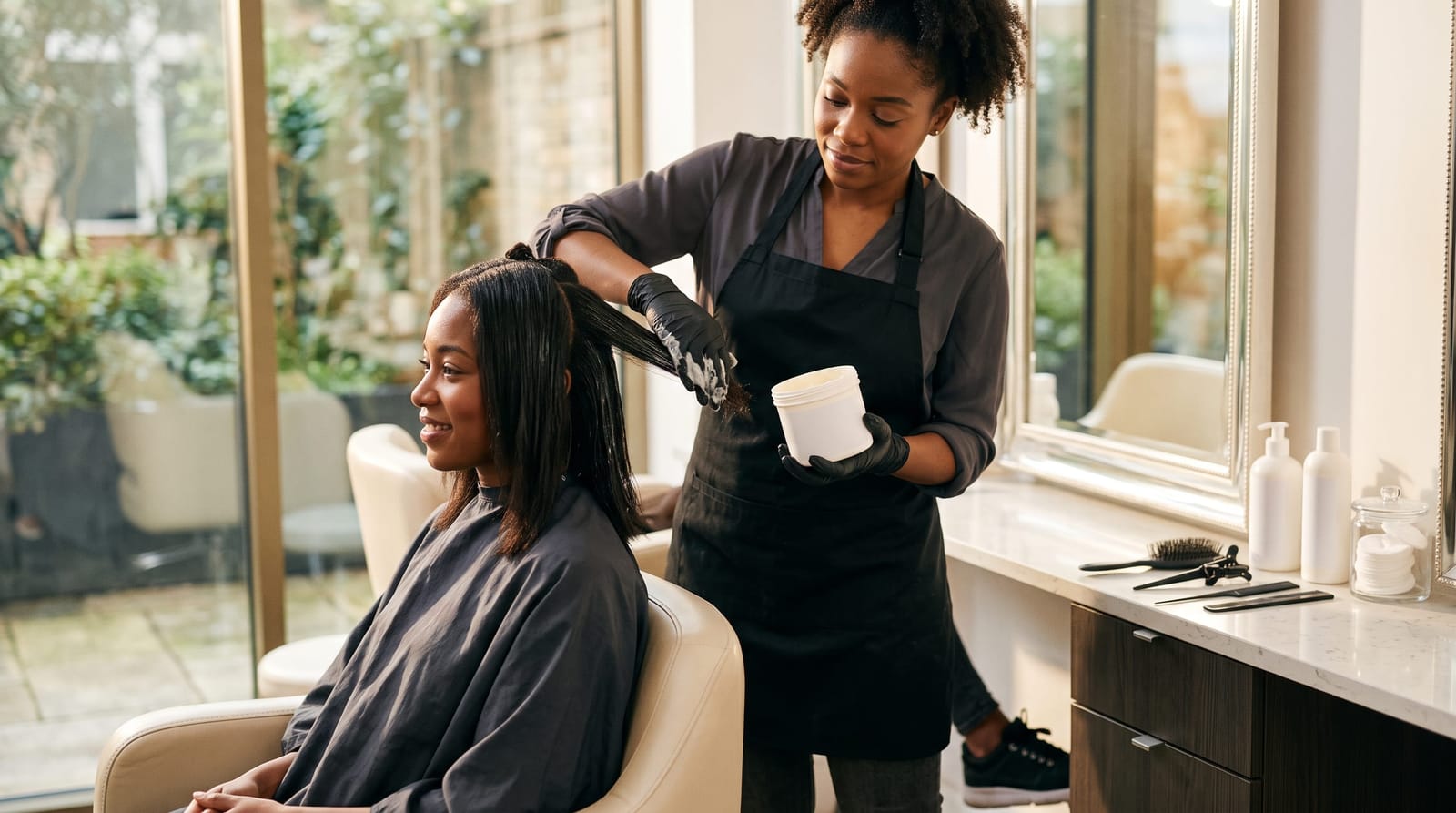
If you've spent years with a relaxer and you're curious about switching to something a little less intense, you're not alone. Many women across the DMV are asking the same question: is it actually possible to transition from a relaxer to a texturizer? Understanding the texturizer vs relaxer difference is the first step, and once you do, the path forward becomes a lot clearer. The short answer is yes, it can be done, but the details matter. Here's everything you need to know before making that transition.
Understanding the Texturizer vs Relaxer Difference
Before we get into the transition itself, it helps to understand what separates these two chemical services at their core. Both a relaxer and a texturizer work by chemically altering the protein bonds inside the hair shaft: specifically the disulfide bonds that give your hair its natural curl pattern. The key difference lies in how far that process goes.
A relaxer is left on the hair long enough to fully break down those bonds, permanently straightening the curl pattern. A texturizer uses the same chemistry, typically calcium hydroxide or guanidine, but it's processed for a shorter amount of time, usually just 5 to 10 minutes compared to the 15 to 25 minutes a relaxer typically requires. That shorter window means the curl pattern is loosened rather than completely removed.
Think of it this way: a relaxer takes your curl from a tight coil to a straight line, while a texturizer softens that coil into a more manageable wave or S-pattern. Both are permanent on the hair that's been treated, but the texturizer preserves more of your natural texture. For women exploring the texturizer vs relaxer difference for the first time, this distinction is everything.
What Happens to Your Hair During the Transition Period
Here's the honest truth: you cannot simply apply a texturizer over fully relaxed hair and expect it to bring your curls back. The hair that has already been relaxed is permanently altered: there is no reversing that process on existing strands. Those bonds have already been broken and reformed in a straightened position. No amount of texturizer will undo that.
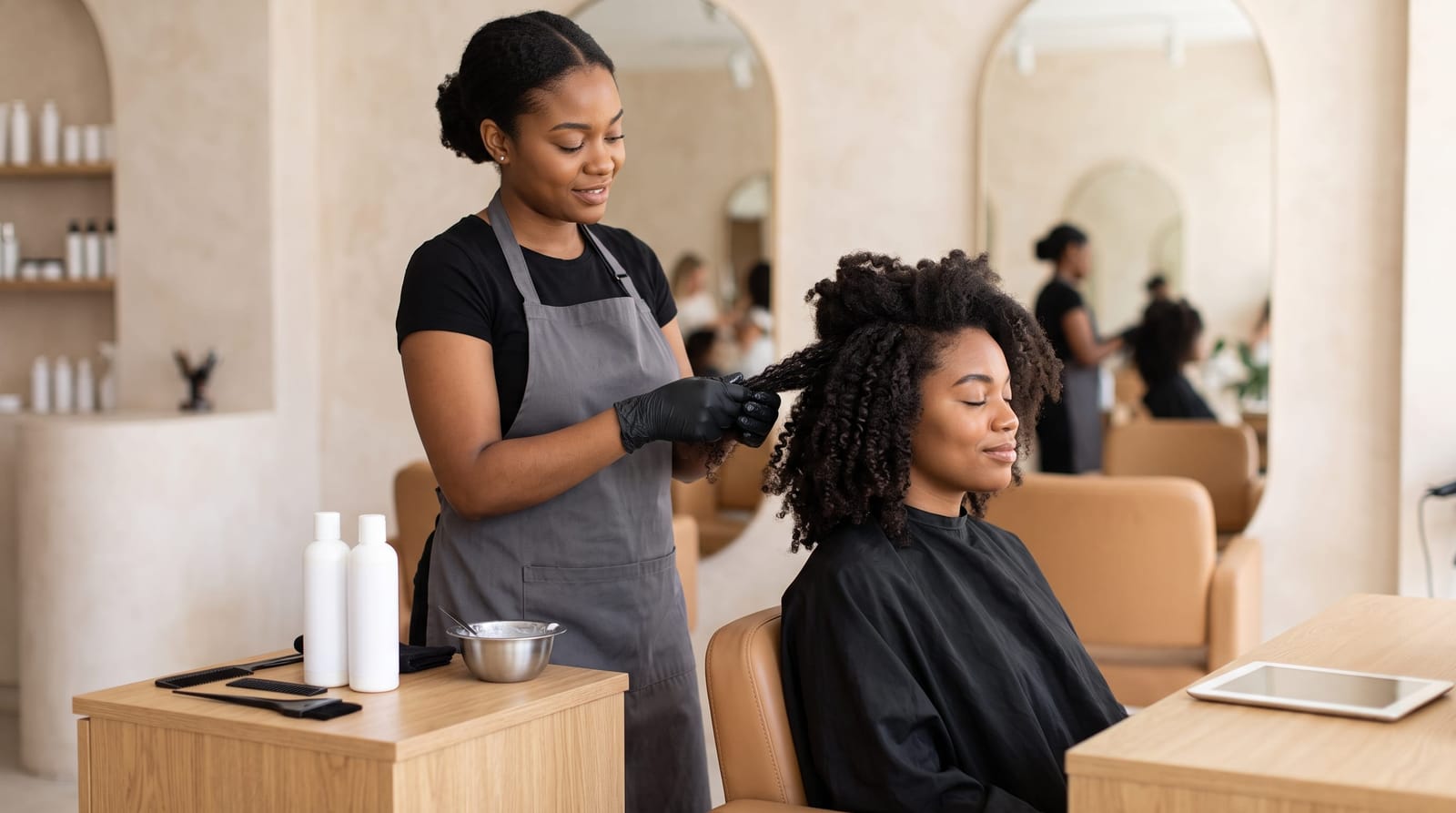
What the transition actually looks like is a regrowth journey. As new, natural hair grows in at the root, that new growth carries your original curl pattern. Over time, typically 3 to 6 months of growth, though this varies based on your individual hair growth rate, you'll have enough new texture to begin working with a texturizer on the new growth while the old relaxed ends gradually get trimmed away.
This period, often called the "line of demarcation," is where the two textures meet. Research and professional experience consistently show that this junction point, where new natural growth meets chemically processed hair, is the most fragile area of the strand and requires careful handling. Breakage at this point is one of the most common challenges during any chemical transition, which is exactly why professional guidance isn't just helpful: it's essential.
Is It Safe to Apply a Texturizer During the Transition?
Yes, but only when done correctly and by someone with real experience managing dual-texture hair. Applying any chemical service to hair that's already been chemically processed requires a careful assessment of the hair's current condition before any product touches your head.
At Kabelly, our stylists evaluate several factors before proceeding with a service like this:
- Porosity levels: Over-processed hair absorbs chemicals faster and unevenly, which can lead to unpredictable results if not accounted for.
- Strand strength: A simple elasticity test can reveal how much stress the hair can safely handle before additional chemical work is introduced.
- Amount of new growth: Ideally, there should be at least half an inch to one inch of natural regrowth before a texturizer is applied to that section.
- Overall scalp health: Any irritation, flaking, or sensitivity needs to be addressed before any chemical service proceeds.
Studies on chemically treated hair suggest that previously relaxed hair already has a significantly reduced tensile strength compared to virgin hair, in some cases up to 30 to 40 percent weaker. That's not a reason to panic, but it is a reason to be strategic. Timing, product selection, and processing control are non-negotiable.
How Kabelly's Stylists Safely Manage This Transition
The transition from relaxer to texturizer is not a one-appointment process, and any stylist who tells you it is should give you pause. At Kabelly, we approach this service as an ongoing hair health journey, not a single transaction.
Here's how a thoughtful transition typically unfolds in our salon:
- Initial consultation: We take a detailed look at your hair's history: how long you've been relaxing, the frequency of your touch-ups, and what your natural texture looked like before chemical services began.
- Strengthening phase: Depending on the condition of your hair, we may recommend a series of protein-based conditioning treatments to rebuild strength before introducing any new chemical service. This phase alone can take 4 to 8 weeks.
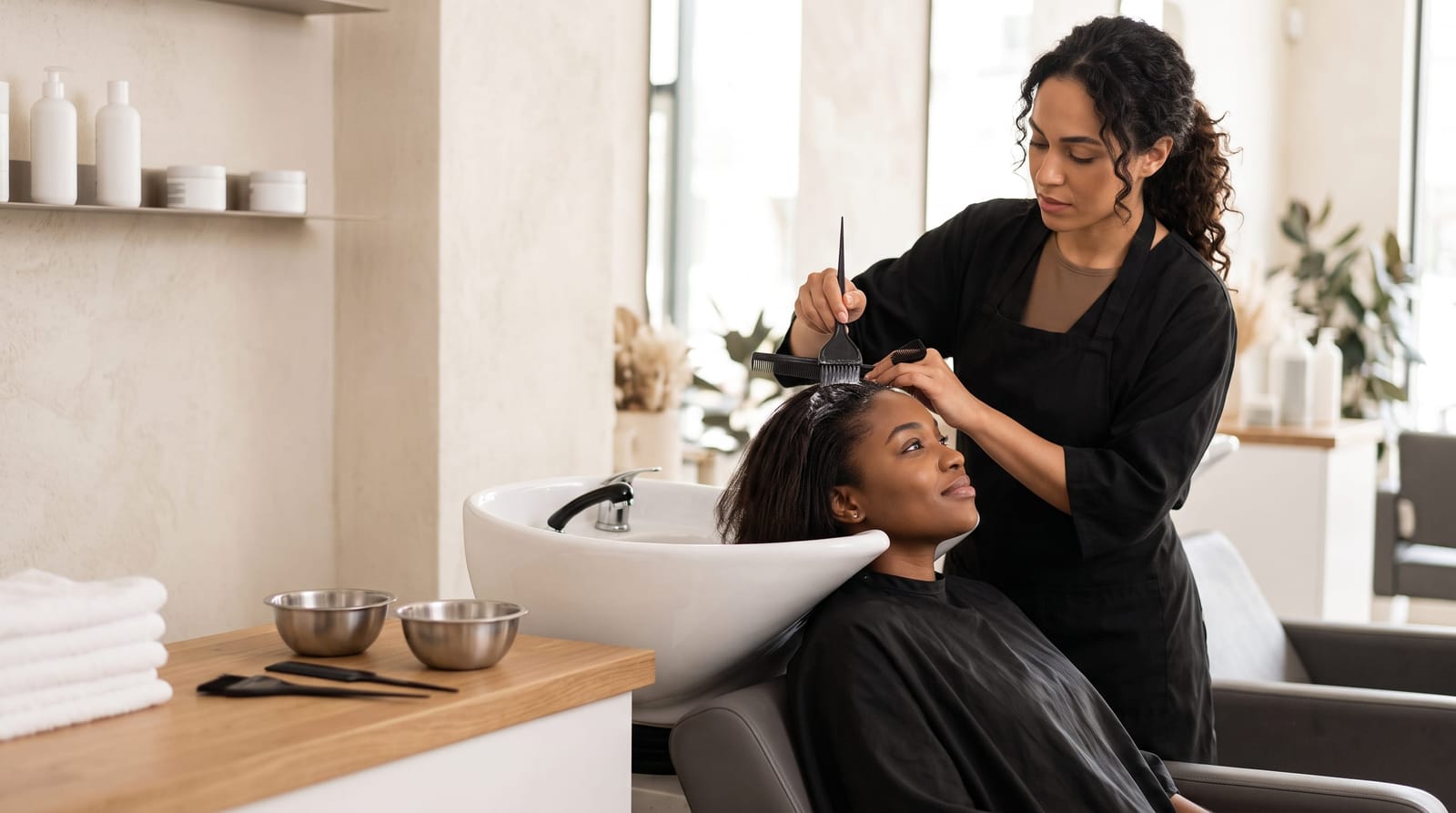
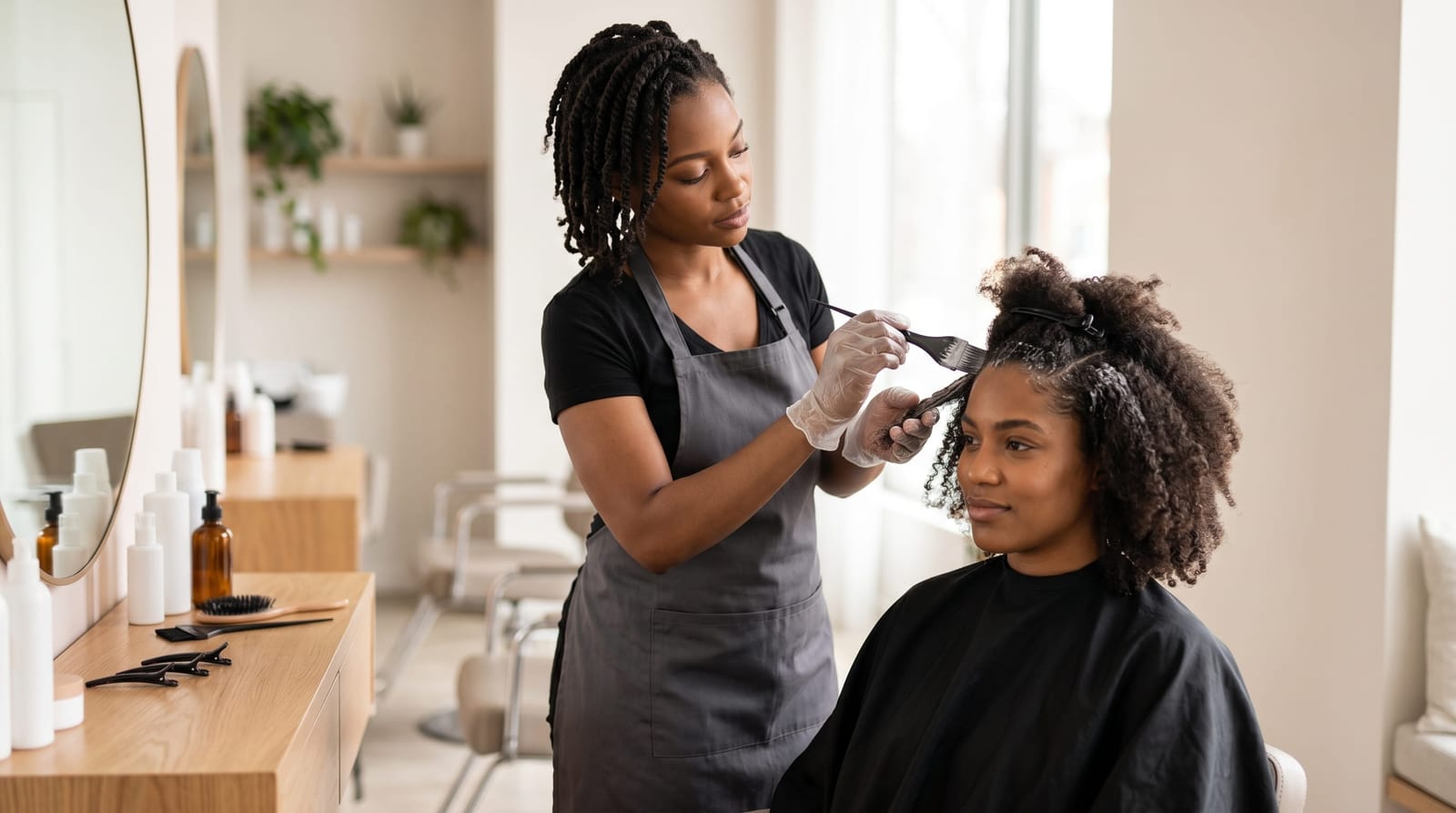
- First texturizer application: Once the hair is strong enough, the texturizer is applied only to new growth: never overlapped onto previously relaxed hair. This precision is what separates a professional application from a risky DIY attempt.
- Ongoing trim strategy: As relaxed ends are gradually trimmed away over subsequent appointments, more of your natural texture comes through, creating a unified look over time.
If you've been wondering whether a texturizer might be a good fit for your specific hair type during this transition, particularly if you have thick, coily natural growth coming in, exploring whether a texturizer is good for thick, coily hair types can help you set realistic expectations for how your new texture will respond to the service.
What Results to Realistically Expect
Managing expectations here is everything. The goal of transitioning from relaxer to texturizer is not to magically restore your original curl pattern or achieve a dramatic transformation overnight. What you're working toward is a healthier, more flexible relationship with your hair over time.
Most clients who complete this transition, typically over a 6 to 12 month period, report that their hair feels softer, retains moisture more easily, and requires less manipulation to style. The texturizer on new growth adds definition and manageability without the full commitment of a relaxer's permanent straightening effect.
It's also worth noting that results vary based on your natural curl pattern. A woman with 4C coils will have a different texturizer experience than someone with a 3B pattern. A personalized consultation is genuinely the only way to know what your specific hair will do, and that's a conversation we love having with clients at Kabelly.
Frequently Asked Questions
Can I apply a texturizer over relaxed hair the same day?
No. Applying a texturizer directly over fully relaxed hair will not restore curl: the bonds in that hair are already permanently altered. Texturizer should only be applied to new natural growth that has come in since your last relaxer. Overlapping onto relaxed sections increases the risk of breakage significantly.
How long should I wait after a relaxer before getting a texturizer?
Most stylists recommend waiting at least 8 to 12 weeks after your last relaxer application before introducing a texturizer to new growth. This allows sufficient natural regrowth to accumulate and gives the scalp and hair time to stabilize. At Kabelly, we assess this on a case-by-case basis during your consultation.
Will my hair look uneven during the transition period?
There will be a visible difference in texture between your natural new growth and the previously relaxed ends during the transition. This is completely normal. Our stylists can recommend protective styles, blowouts, or styling techniques that help blend the two textures while you're in the process of transitioning.
Is the texturizer vs relaxer difference significant enough to make the switch worth it?
For many clients, yes. The texturizer vs relaxer difference comes down to how much of your natural texture you want to preserve. If you're craving more versatility and a softer chemical commitment than a full relaxer provides, a texturizer, applied during a properly managed transition, can be a genuinely rewarding change. The key is having the right professional team guiding the process.
The Bottom Line
Transitioning from a relaxer to a texturizer is absolutely possible, but it's a process that requires patience, professional expertise, and a clear understanding of the texturizer vs relaxer difference and what it means for your specific hair. The hair that's already been relaxed will not change; your journey forward is about growing in your natural texture and managing it thoughtfully. At Kabelly, we're experienced in navigating exactly this kind of transition with care, precision, and a focus on keeping your hair healthy every step of the way. If you're ready to explore what that looks like for you, we'd love to be part of that conversation.