Seasonal Hair Care and Conditioning Needs
Your hair doesn't experience the same challenges in July as it does in January. Each season brings unique environmental stressors, humidity, cold air, UV exposure, and indoor heating, that shift your hair's conditioning needs dramatically. Understanding your seasonal hair conditioning needs helps you stay ahead of damage rather than reacting to it. This guide breaks down exactly what your hair needs each season and how to adapt your routine. It connects directly to the broader topic of professional deep conditioning and hair health treatments.
Why Seasons Change Your Hair's Conditioning Needs
Hair responds to its environment. Temperature, humidity, and sun exposure all affect the hair cuticle: the outer protective layer of each strand. When the cuticle is healthy, it lies flat. It seals in moisture and reflects light. When it's stressed by weather, it lifts and allows moisture to escape.
Winter air is dry. It strips moisture from the hair shaft. Summer humidity causes the cuticle to swell unevenly. This leads to frizz and breakage. Spring brings rain and wind. Fall introduces lower humidity and cooler temperatures. Each of these conditions demands a different response from your conditioning routine.
Chemically processed hair is even more vulnerable. Color-treated, relaxed, or heat-styled hair has a compromised cuticle to begin with. Seasonal changes push that vulnerability further. Adjusting your conditioning routine with the seasons isn't optional for these hair types: it's essential for maintaining length and integrity.
Winter: Intense Hydration Is Non-Negotiable
Winter is the hardest season for hair health. Cold outdoor air holds very little moisture. Indoor heating makes the air even drier. Together, they pull hydration from every strand.
Your seasonal hair conditioning needs in winter should focus on moisture retention above everything else. Here's how to approach the season:
- Use a deep conditioning mask weekly. Choose a formula with shea butter, argan oil, or honey. These ingredients penetrate the shaft and seal the cuticle.
- Switch to a sulfate-free shampoo. Sulfates strip natural oils. In winter, those oils are already scarce.
- Add a leave-in conditioner to your routine. Apply it to damp hair before styling. It creates a barrier against dry air.
- Reduce wash frequency. Washing every other day, or less, helps preserve natural scalp oils that protect strands.
- Use anti-static products. Dry air creates static. A light serum or oil tames flyaways without weighing hair down.
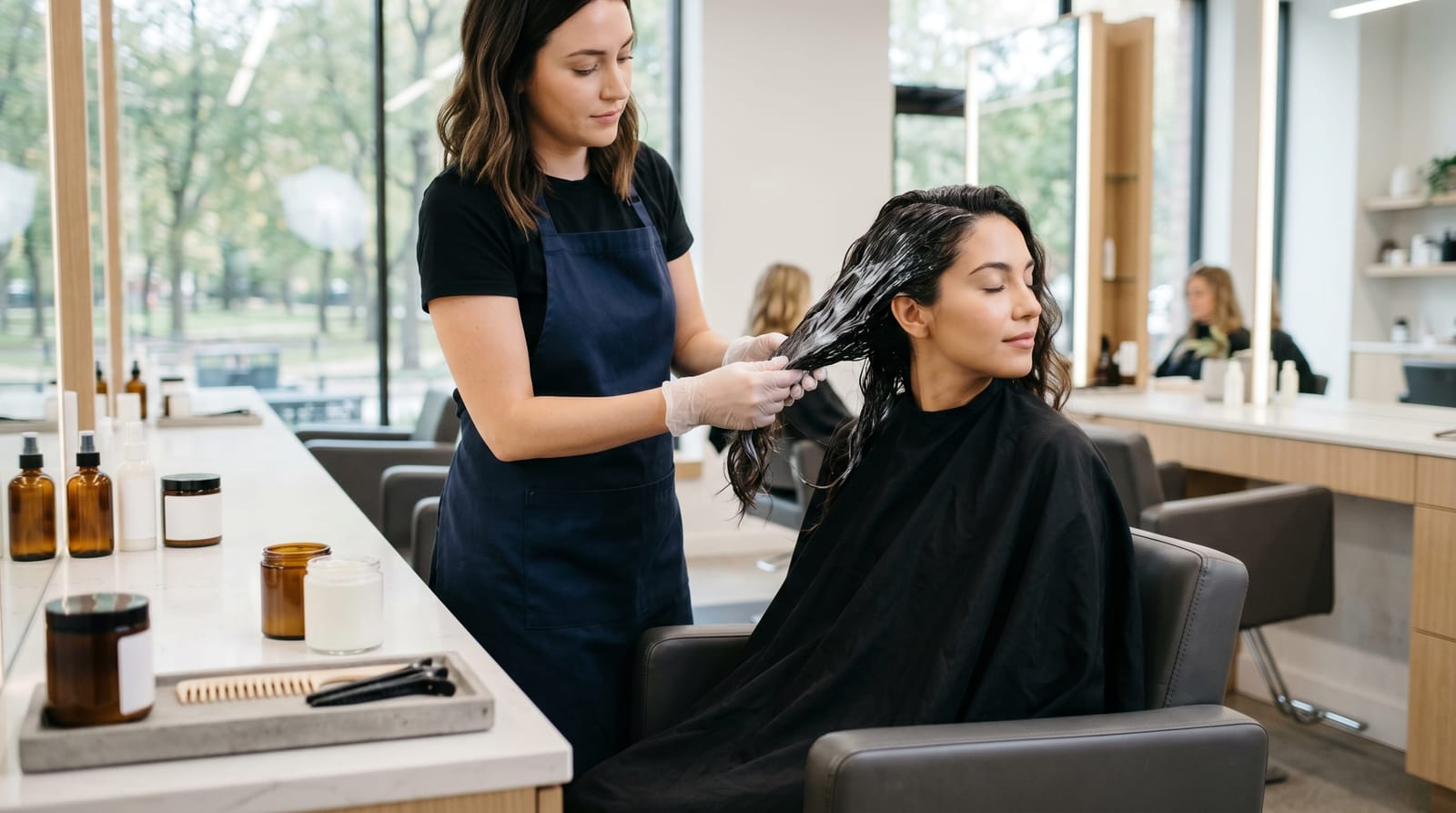
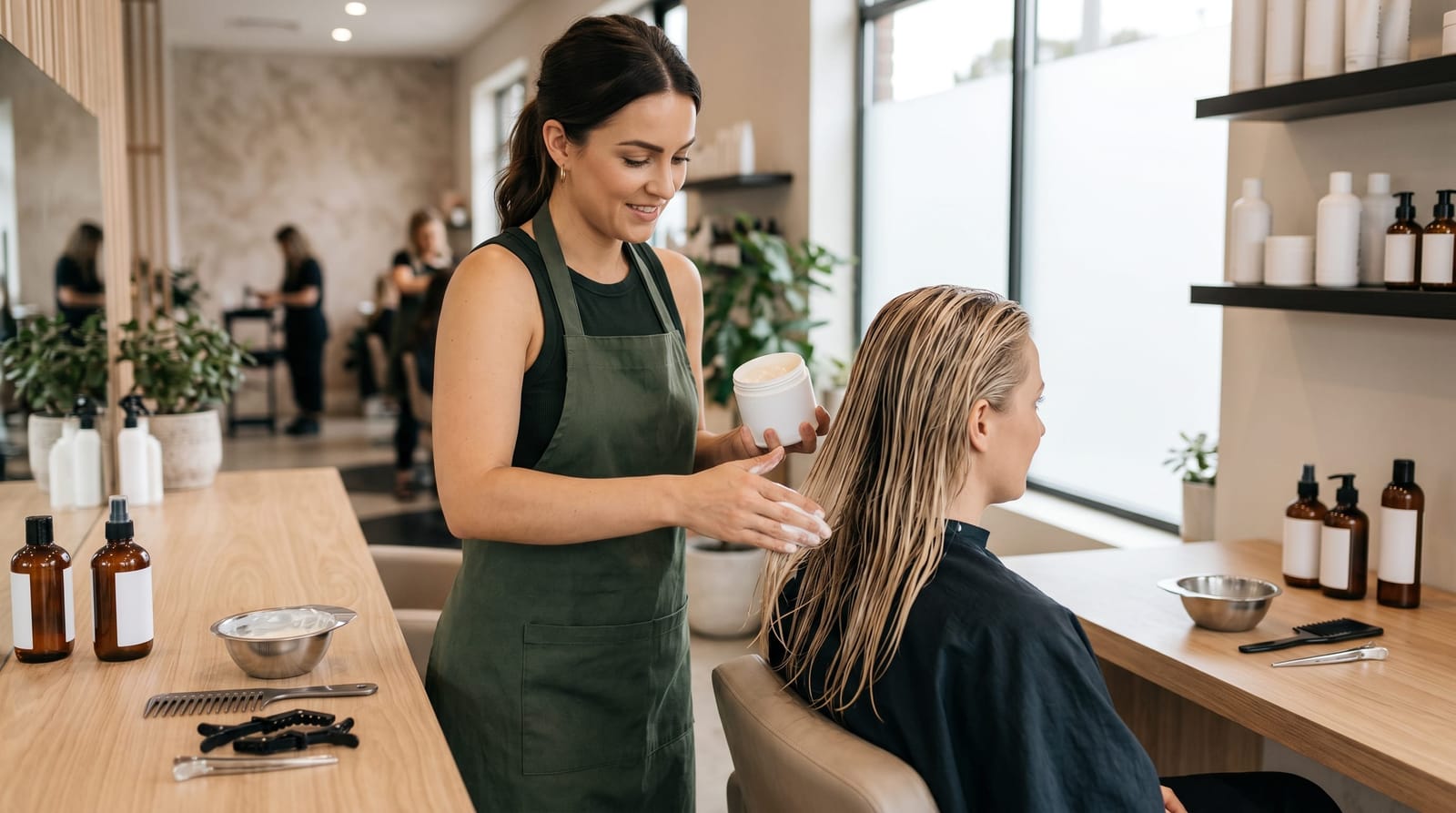
Professional deep conditioning treatments are especially valuable in winter. A salon treatment penetrates deeper than most at-home masks. It restores moisture levels that home care alone can't match.
Summer: Protection Comes First
Summer brings sun, saltwater, chlorine, and heat. These are four of the most damaging forces your hair encounters all year. Your seasonal hair conditioning needs shift toward protection and repair during warmer months.
UV rays break down the proteins in your hair. They fade color and dry out strands, even without heat styling. Saltwater and chlorine strip natural oils. They leave hair brittle and porous.
Here's what a summer conditioning routine should include:
- Use a UV-protectant spray or leave-in. Apply before outdoor exposure. Look for products with UV filters or natural sunscreens like raspberry seed oil.
- Rinse hair before swimming. Wet hair absorbs less chlorine and salt when it's already saturated with clean water.
- Deep condition every 7-10 days. Summer damage accumulates fast. Consistent conditioning prevents breakage before it starts.
- Avoid heat styling when possible. High summer temperatures already stress the hair. Adding hot tools increases the risk of protein damage.
- Use a clarifying shampoo once per month. It removes mineral and product buildup from sun exposure and pool chemicals.
Humidity control is also a key part of summer seasonal hair conditioning needs. Anti-humidity serums and lightweight oils smooth the cuticle. They prevent moisture from swelling the shaft unevenly and causing frizz.
Fall and Spring: Transitional Seasons Require Balance
Fall and spring are transitional seasons. Your hair is adjusting to changing conditions. These are the best times to reassess your routine and prepare for what's ahead.
Fall Hair Conditioning Strategy
Fall is an excellent time to repair summer damage. Humidity drops. Temperatures cool. This is the ideal window for restorative deep conditioning treatments. Rich oils, like avocado, castor, and olive, work particularly well in fall. They prep the hair for the dryness ahead.
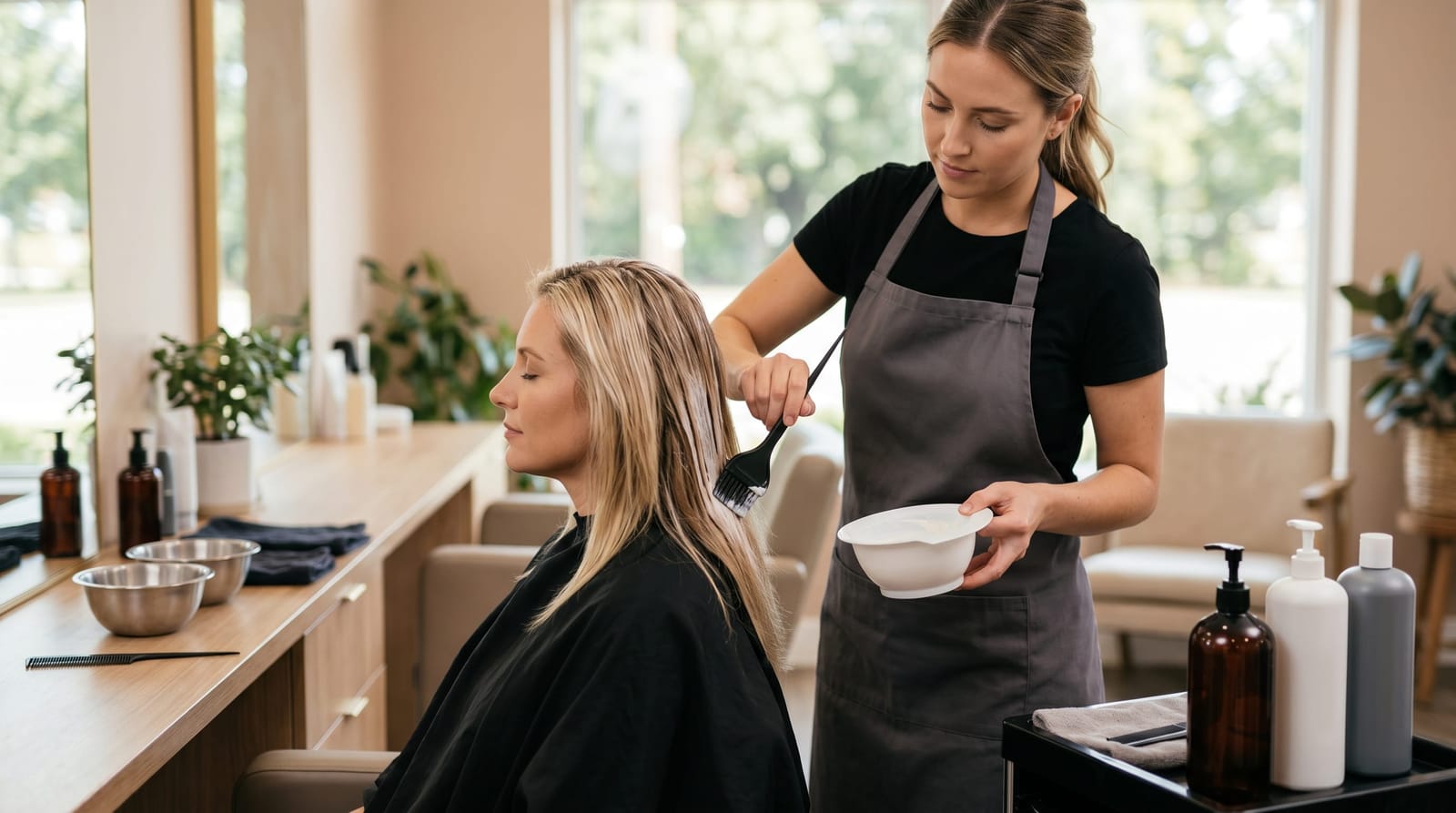
This is also a popular season for color treatments. Warm browns, coppers, and blondes are fall favorites. Color-treated hair needs extra conditioning attention. Schedule a professional deep conditioning treatment alongside any color service to maintain health and vibrancy.
Spring Hair Conditioning Strategy
Spring means increased rain, wind, and rising humidity. Hair that was brittle in winter now faces moisture overload. Lighter conditioners work better in spring. Heavy winter masks can cause buildup as the air becomes more humid.
Spring is also a good time to address any winter breakage. Look for conditioners with protein: keratin, silk amino acids, or hydrolyzed wheat protein. These ingredients reinforce weakened strands. They prepare your hair for summer stress.
Choosing the right products for each season makes a real difference. For help navigating your options at home, explore our guide to best deep conditioner products that work well across changing conditions.
Nutrition and Lifestyle: The Internal Side of Seasonal Hair Health
Conditioning products work on the outside. But seasonal hair health also depends on what's happening inside your body. Nutritional changes across seasons affect hair growth and strength.
In winter, people often eat less fresh produce. This reduces vitamin C and biotin intake. Both are important for healthy hair. In summer, dehydration is common. Dehydrated hair becomes dry and brittle from the inside out.
Support your seasonal hair conditioning needs with these lifestyle habits:
- Drink at least eight glasses of water daily: more in summer heat.
- Include omega-3-rich foods like salmon, walnuts, and flaxseed year-round.
- Take a biotin supplement if recommended by your doctor.
- Protect your hair with hats in both winter cold and summer sun.
- Get regular trims every 8-12 weeks to remove seasonal damage before it travels up the shaft.
Frequently Asked Questions About Seasonal Hair Conditioning Needs
How often should I deep condition my hair in winter versus summer?
In winter, aim to deep condition once per week. The dry air demands consistent moisture replenishment. In summer, every 7-10 days is usually sufficient unless your hair is color-treated or highly porous, in which case weekly treatments are still recommended.
Do I need different conditioners for different seasons?
Yes. Heavy, butter-based conditioners work well in winter when moisture levels are low. Lighter, water-based conditioners are better in humid summer months. They condition without adding excess weight or contributing to frizz.
Can seasonal changes cause hair loss?
Mild seasonal shedding is normal, especially in fall. This is called telogen effluvium. It's usually temporary. Consistent scalp conditioning, proper nutrition, and avoiding harsh treatments during these periods helps minimize shedding.
Is a professional deep conditioning treatment worth it in every season?
Professional treatments offer deeper penetration and longer-lasting results than most at-home options. Scheduling a salon deep conditioning treatment at the start of each season, especially fall and winter, gives your hair a strong foundation to handle environmental stressors ahead.
Conclusion: Stay Ahead of Seasonal Hair Damage
Your seasonal hair conditioning needs change with every shift in weather. Winter demands deep hydration. Summer calls for UV protection and damage repair. Fall and spring are transition points to reassess and strengthen. Staying ahead of each season with the right products, routines, and professional treatments keeps your hair healthy year-round. This is a core part of a broader commitment to professional deep conditioning and hair health: protecting your strands not just in the moment, but for every season ahead.