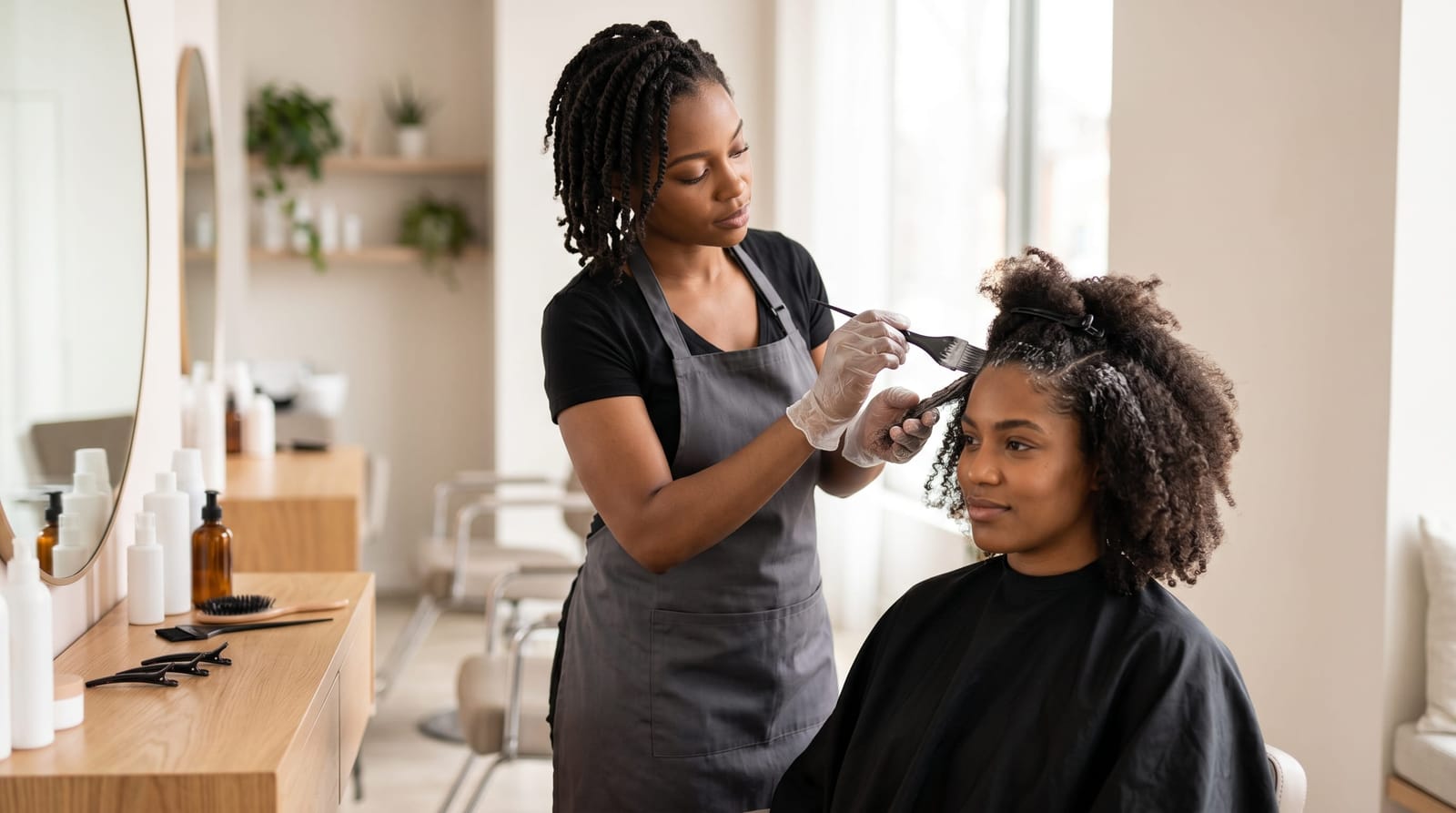
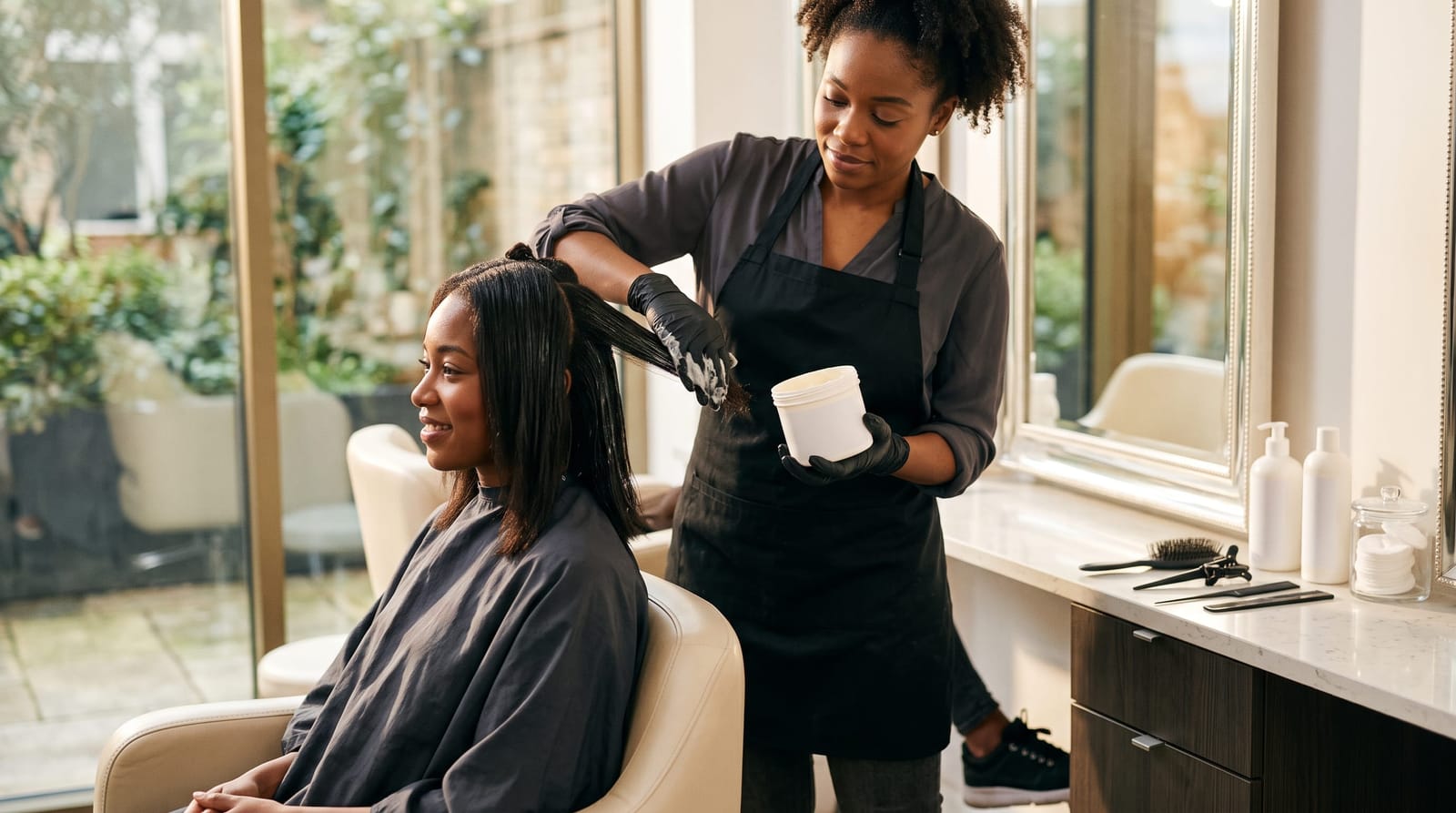
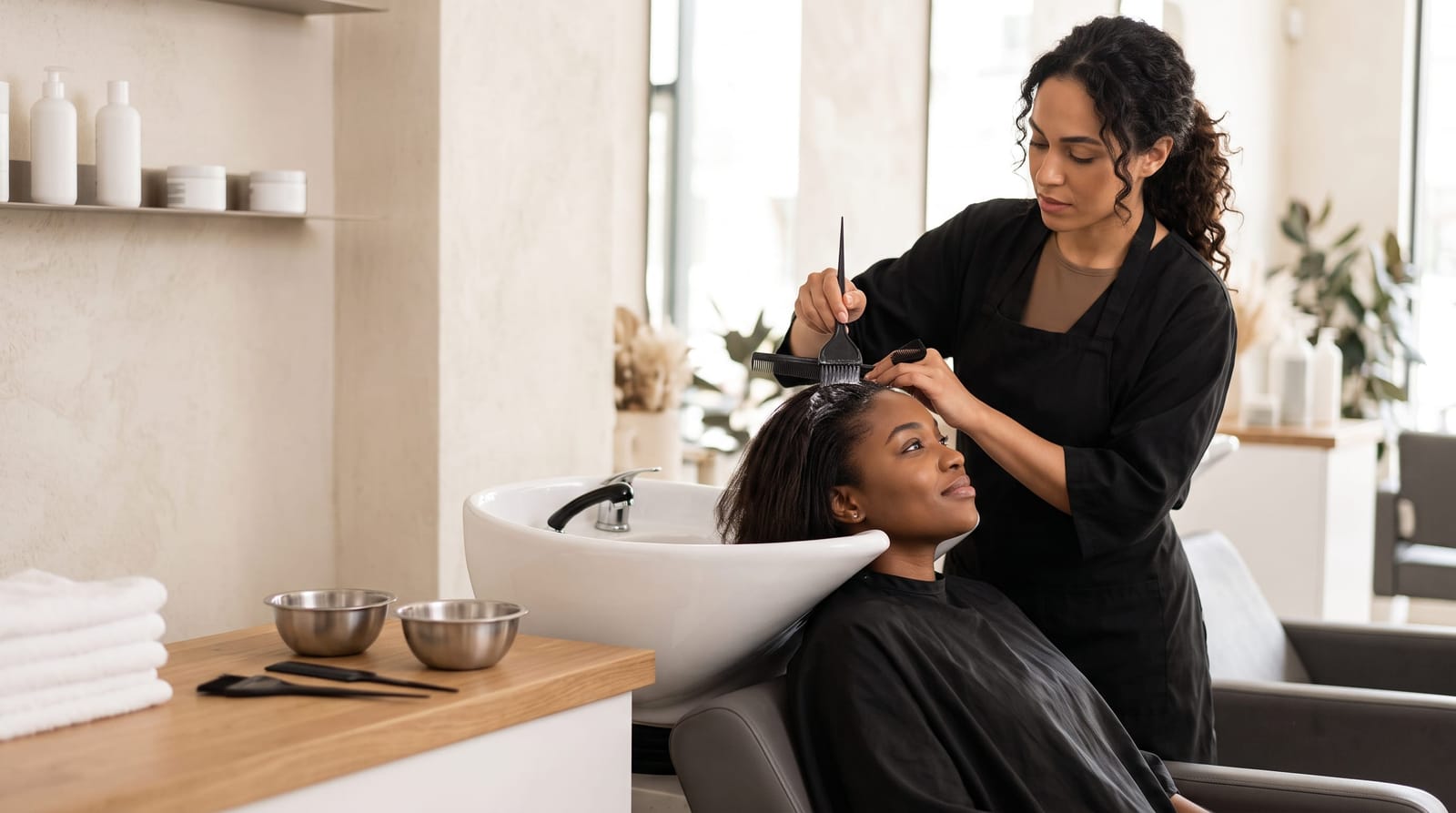
How Many Weeks Should You Wait Between Relaxer Touch-Ups?
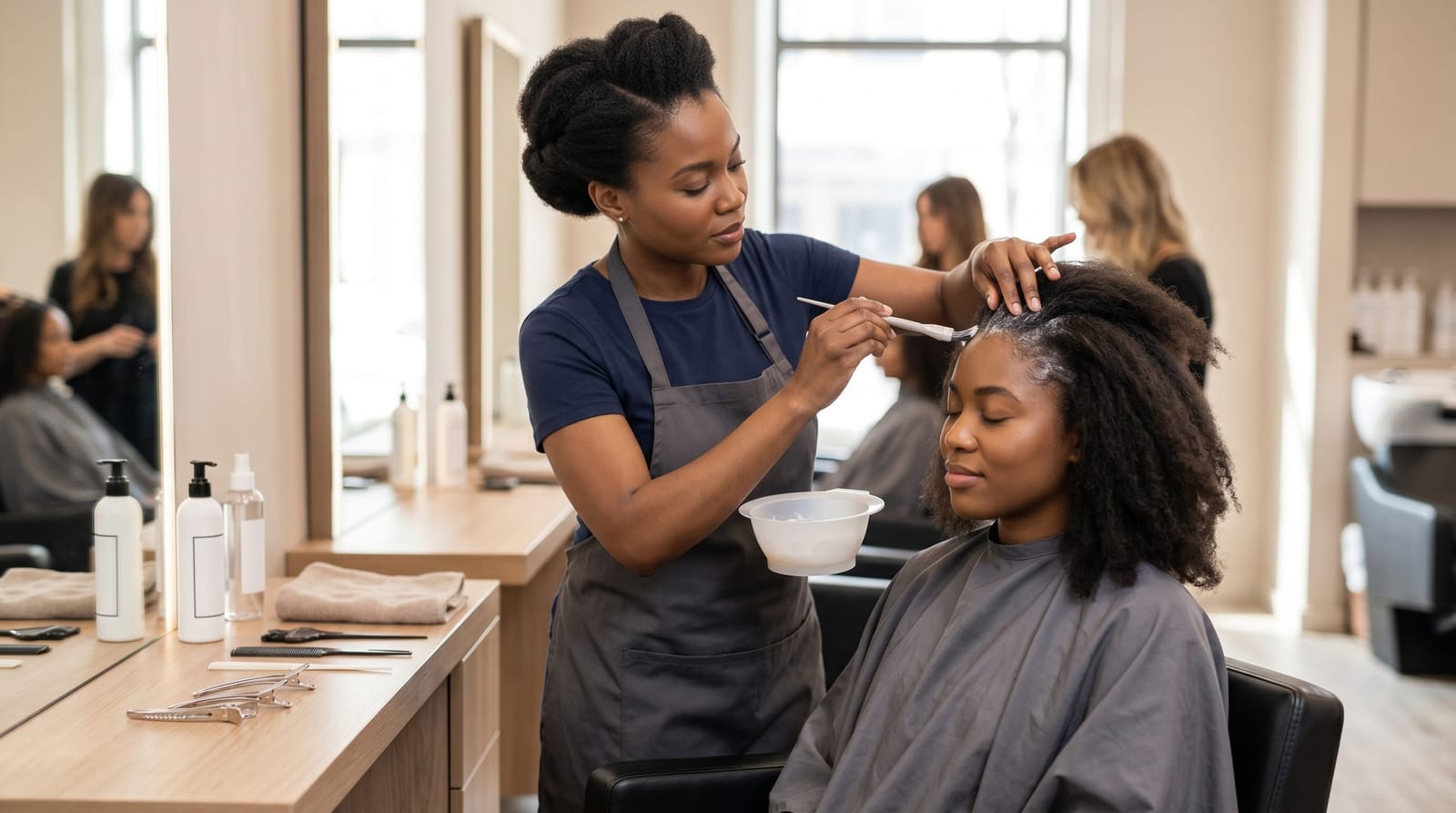
If you're maintaining relaxed hair, one of the most common questions that comes up between salon visits is: when is the right time to come back in? Coming in too soon risks overlapping product onto already-processed strands, while waiting too long can make styling difficult and leave your hair unevenly textured. Whether you're new to chemical straightening or have been on a relaxer journey for years, understanding your relaxer touch up schedule is one of the most important habits you can build for keeping your hair healthy and beautiful.
The Standard Timeline: 6 to 8 Weeks (But It's Not One-Size-Fits-All)
The most widely recommended window for a relaxer touch-up falls between 6 and 8 weeks after your last service. Some stylists and haircare professionals extend that recommendation to 8 to 12 weeks, depending on how fast your hair grows and how well your ends are holding up. At the 12-week mark, most clients are dealing with a noticeable amount of new growth that makes styling noticeably harder to manage.
Why does this range exist? Because hair growth isn't uniform. The average person's hair grows approximately half an inch per month, which means after 8 weeks you're typically working with about an inch of new growth: enough to apply product safely and evenly without risking overlap onto previously relaxed hair. After 12 weeks, that new growth increases to roughly 1.5 inches, which is still manageable but approaches the higher end of what's comfortable for most clients.
The most important rule, regardless of timing: relaxer should only be applied to new growth, not to hair that has already been chemically treated. Overlapping product onto previously relaxed strands is one of the leading causes of unnecessary breakage and hair stress over time.
Factors That Affect Your Personal Touch-Up Schedule
Your ideal relaxer touch up schedule isn't just about the calendar: it's about your individual hair biology, lifestyle, and styling needs. Here are some of the key factors that can shift your timeline earlier or later:
- Hair growth rate: Some clients naturally grow hair faster than average. If your hair grows closer to three-quarters of an inch per month, you may notice new growth sooner and feel ready for a touch-up around the 6-week mark.
- Hair texture and density: Coarser, denser hair may feel more challenging to manage with new growth, while finer hair textures may be more flexible to style between appointments.
- Scalp sensitivity: Clients with more sensitive scalps often benefit from stretching their touch-up timeline: giving the scalp additional recovery time between applications.
- Recent protective styling: If you've recently removed braids or a weave, it's important to avoid applying a relaxer immediately. Give your hair and scalp at least one to two weeks to rest before your next chemical service.
- Color services: If you color your hair, the standard recommendation is to wait 4 to 6 weeks between a color service and a relaxer reapplication to avoid stressing your strands with back-to-back chemical processes.
These factors are exactly why a personalized consultation with your stylist matters so much. What works for your friend may not be the right window for your hair.
What Happens If You Come In Too Early or Wait Too Long
Timing isn't just about convenience: it directly affects the condition of your hair over time.
Coming In Too Early
When there isn't enough new growth to work with, typically less than half an inch, it becomes nearly impossible to apply relaxer only to the new growth without inadvertently overlapping onto already-processed hair. This overlap weakens the hair strand over repeated applications and can lead to uneven texture, dryness, and reduced elasticity. Most stylists recommend waiting until you have at least half an inch to one inch of new growth before scheduling your touch-up.
Waiting Too Long
On the other end of the spectrum, waiting beyond 12 to 14 weeks can present its own challenges. The point where relaxed hair meets new growth, often called the line of demarcation, becomes a vulnerable spot when there's significant length difference between the two textures. This area can experience tension and stress, particularly during detangling, heat styling, or protective styling. Managing very long new growth also makes the application process more complex, which is one reason having a professional stylist handle touch-ups is so important.
How Kabelly's Stylists Help You Stay on the Right Schedule
At Kabelly, relaxer touch-up appointments begin with a conversation, not just a product application. Before any chemical service, your stylist assesses your current hair length and condition, the amount of new growth present, how your scalp is feeling, and whether any recent services (like color or protective styles) affect your timing.
This approach means you're never guessing about whether it's the right time to come in. Your stylist will give you a personalized recommendation at the end of each appointment so you know exactly when to book your next visit, whether that's 6 weeks, 8 weeks, or 10 weeks, depending on what's right for your hair. That kind of individualized guidance is especially valuable if you're newer to relaxed hair and still figuring out what your hair responds to best.
If you're exploring whether a relaxer or a texturizer is the right choice for your hair goals, the decision-making process goes beyond timing alone. Understanding the full difference between these two services is a great place to start before your first chemical appointment.
Frequently Asked Questions
Can I wash my hair right before a relaxer touch-up?
It's generally recommended to avoid washing your hair immediately before a relaxer service. Natural scalp oils provide a protective barrier during the chemical process. Most stylists recommend coming in with clean but not freshly washed hair: ideally at least 48 to 72 hours after your last shampoo.
What if I had braids or a weave installed before my touch-up?
After removing braids or a weave, it's important to give your hair and scalp a recovery period before applying a relaxer. Waiting at least one to two weeks allows your scalp time to rest and reduces unnecessary stress on your strands during the chemical process.
Can I color my hair and get a relaxer in the same appointment?
Color services and relaxer applications are both chemical processes, and layering them too closely together can put significant stress on your hair. The standard recommendation is to space them at least 4 to 6 weeks apart. Your Kabelly stylist can help you plan a service sequence that keeps your hair in the best condition possible.
Is 12 weeks too long to wait for a relaxer touch-up?
Not necessarily. Some clients comfortably stretch their touch-up schedule to 12 weeks or beyond, especially when maintaining protective styles. The key is managing the line of demarcation carefully and keeping up with deep conditioning to support the new growth during that stretch. Your stylist can assess your hair and advise whether your new growth length is ready for a touch-up.
The Right Schedule Makes All the Difference
Understanding your relaxer touch up schedule is one of the simplest ways to protect your investment in your hair. The standard 6 to 8 week window is a helpful starting point, but your ideal timing depends on your individual hair growth rate, texture, scalp health, and recent service history. Waiting until you have sufficient new growth, avoiding overlap onto processed hair, and spacing out chemical services thoughtfully are habits that keep relaxed hair looking its best. At Kabelly, your stylist is here to take the guesswork out of the process, so every appointment is perfectly timed for your hair.