Best Deep Conditioning Products for Home Use
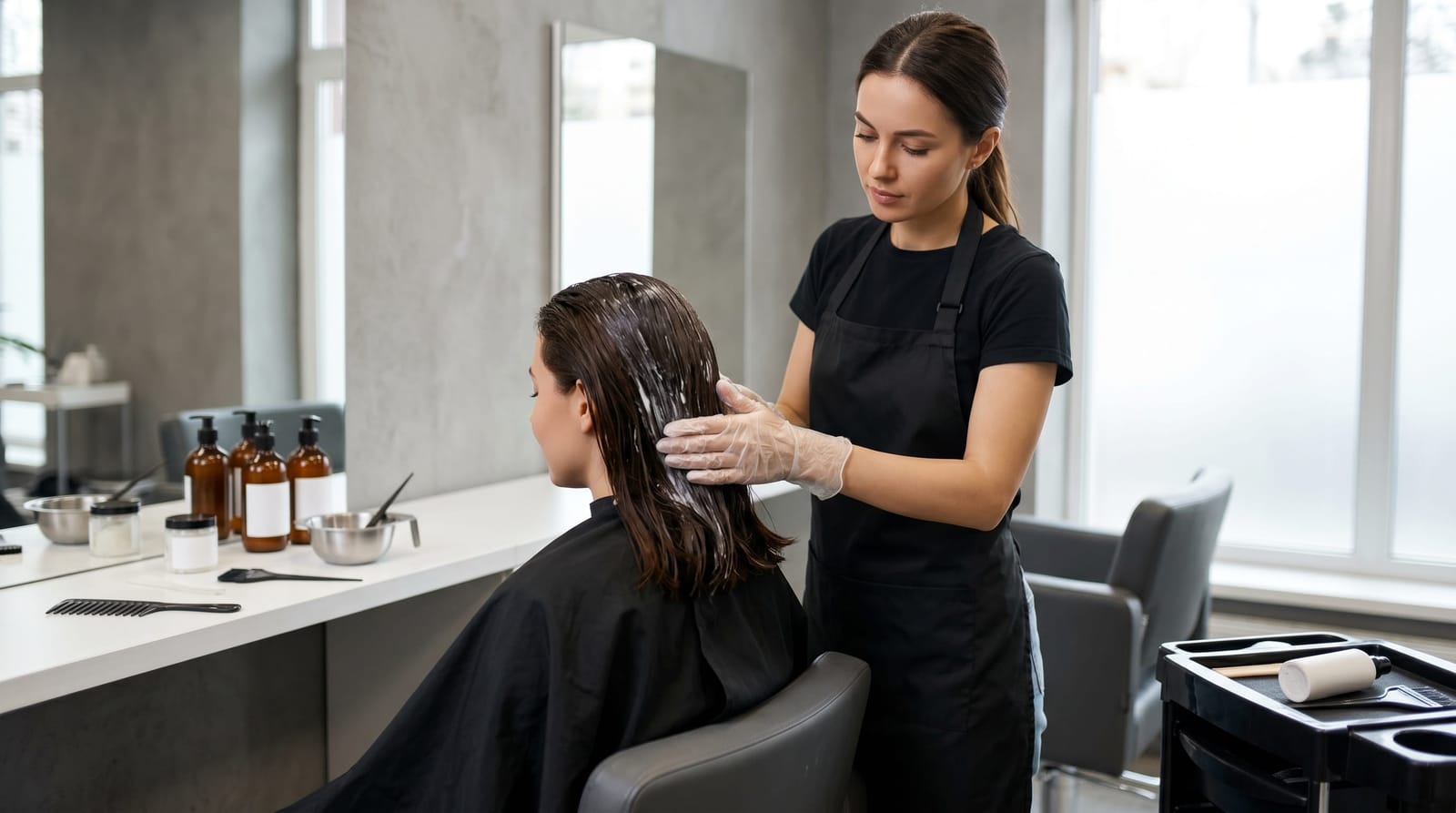
Finding the best deep conditioner products for your hair type can feel overwhelming with so many options lining store shelves and filling your social media feed. Whether you're maintaining results between salon visits or building a solid at-home hair health routine, the right deep conditioner makes a measurable difference. As part of our broader focus on professional deep conditioning and hair health, this guide cuts through the noise to give you expert-backed product recommendations, application techniques, and tips for getting the most out of every treatment.
How to Choose the Best Deep Conditioner Products for Your Hair Type
Not every deep conditioner works for every hair type, and choosing the wrong formula can leave your hair weighed down, crunchy, or under-moisturized. Before spending money on any product, you need to understand two things: your hair's moisture-to-protein balance and your hair's porosity level.
Moisture vs. protein: Hair that feels mushy, stretches excessively when wet, or breaks easily typically needs protein reinforcement. Hair that feels brittle, rough, or straw-like usually needs moisture. Many people cycle between moisture-focused and protein-focused treatments rather than using one exclusively.
Porosity matters: Low-porosity hair (where water beads up on the surface) benefits from lightweight, heat-activated formulas that can penetrate the tightly closed cuticle. High-porosity hair (common in chemically processed or heat-damaged hair) absorbs products quickly but loses moisture just as fast: it needs heavier, film-forming ingredients like shea butter, castor oil, and ceramides to seal the cuticle.
Ingredients to look for: Hydrolyzed proteins, panthenol, glycerin, hyaluronic acid, and natural oils like argan or jojoba are indicators of quality formulas. One important note: if you are protein-sensitive, avoid products that list hydrolyzed keratin, silk protein, wheat protein, soy protein, collagen, or amino acids high on the ingredient list, as these can cause stiffness and breakage over time.
Top Recommended Deep Conditioner Products by Hair Concern
Here is a curated breakdown of the best deep conditioner products based on specific hair concerns. These recommendations reflect both professional expertise and widely validated consumer testing data.
For Chemically Processed or Damaged Hair: Olaplex No. 3 Hair Perfector
Olaplex No. 3 is one of the most recognized best deep conditioner products on the market for a reason. It uses patented bis-aminopropyl diglycol dimaleate technology to reconnect broken disulfide bonds inside the hair shaft: the kind of structural damage caused by bleaching, coloring, and chemical relaxers. Unlike most deep conditioners that work on the surface of the hair, Olaplex No. 3 works from within. Apply it to damp, towel-dried hair, leave it on for a minimum of 10 minutes (longer for more severe damage), then shampoo and condition as usual. For heavily processed hair, using it weekly delivers noticeable improvements within four to six weeks.
For Dry, Brittle, or Breakage-Prone Hair: Briogeo Don't Despair, Repair! Deep Conditioning Mask
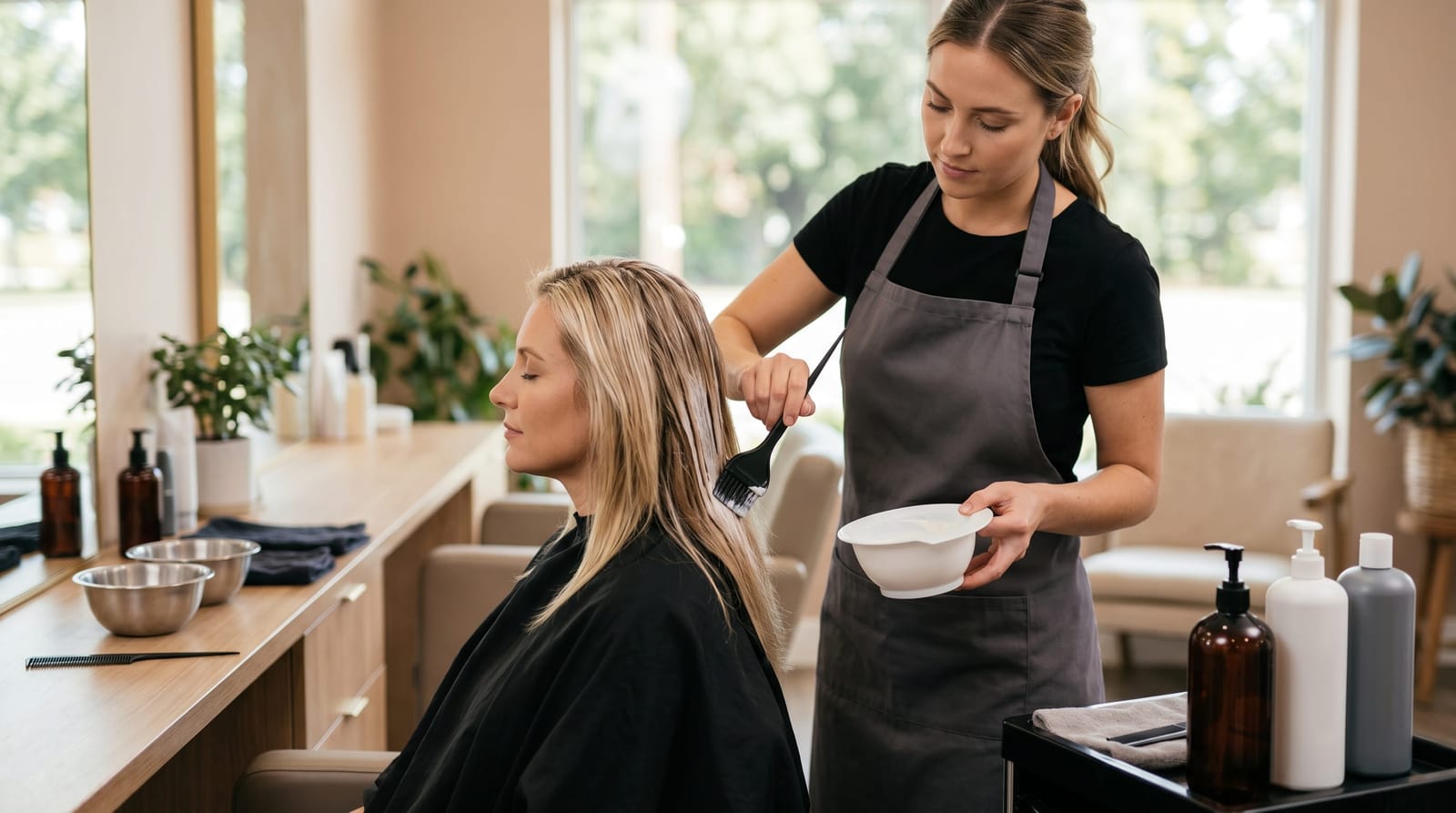
The Briogeo Don't Despair, Repair! Deep Conditioning Mask consistently ranks among the best deep conditioner products for dry and damaged hair. It combines rosehip oil, algae extract, and B-vitamins to deliver intense moisture while strengthening the hair fiber. This mask is particularly effective for naturally curly, coily, or transitioning hair. The formula is free of sulfates, silicones, parabens, and artificial dyes, making it a solid choice for those with scalp sensitivities. Apply generously from mid-shaft to ends, cover with a plastic cap, and let it sit for 20 to 30 minutes with or without heat.
For Fine or Easily Weighed-Down Hair: Amika Hydro Rush Intensive Moisture Mask
Fine hair often avoids deep conditioners out of fear of losing volume, but skipping treatments leads to long-term damage. The Amika Hydro Rush Intensive Moisture Mask earns its spot among the best deep conditioner products specifically because it delivers serious hydration without the heavy, greasy finish. Sea buckthorn berry, Amika's signature ingredient, is packed with omega fatty acids and antioxidants that strengthen without coating. Apply it only from the mid-lengths to ends, never at the roots, and rinse thoroughly after 5 to 10 minutes.
Application Techniques That Maximize Results
Even the best deep conditioner products underperform when applied incorrectly. These techniques help you get professional-level results at home.
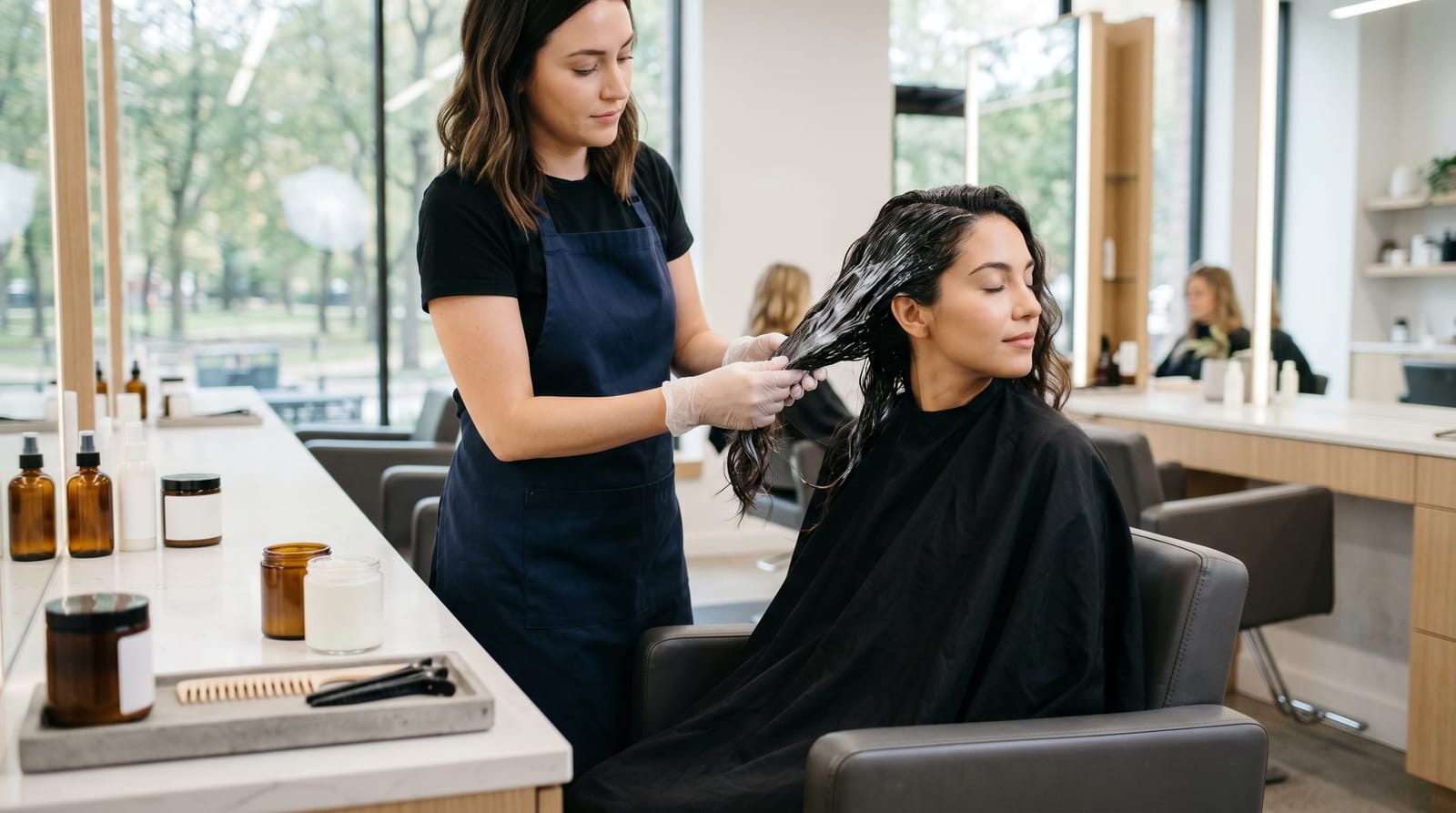
- Start with clean, damp hair: Deep conditioners penetrate best when the cuticle is slightly lifted from shampooing. Towel-dry gently so the product isn't diluted by excess water.
- Section your hair: Divide hair into four to six sections before applying. This ensures every strand is coated evenly, especially in thick or dense hair.
- Use heat to boost penetration: Covering your hair with a plastic processing cap and sitting under a hooded dryer, or simply using body heat for 20 to 30 minutes, opens the cuticle and allows deeper ingredient absorption. This is especially helpful for low-porosity hair.
- Don't rush the rinse: Rinse with cool or lukewarm water to help seal the cuticle and lock in moisture after treatment.
- Frequency matters: For chemically treated or heavily damaged hair, once per week is ideal. For healthy hair in maintenance mode, every two weeks is sufficient.
It's also worth noting that your conditioning needs shift throughout the year. As covered in our guide on seasonal hair care and conditioning needs, the colder months and higher humidity seasons call for adjusted product choices and treatment frequency to keep hair balanced year-round.
Stretching Your Results: Tips for Between Treatments
Using the best deep conditioner products is most effective when paired with smart daily habits. Here is how to maintain moisture and strength between conditioning sessions:
- Use a leave-in conditioner daily: A lightweight leave-in after washing helps maintain the hydration levels your deep conditioner established.
- Minimize heat styling: Every pass of a flat iron or blow dryer removes moisture. When you do use heat, always apply a thermal protectant first.
- Sleep on a satin or silk pillowcase: Cotton absorbs moisture from your hair overnight. Satin or silk reduces friction and preserves your treatment results.
- Avoid overwashing: Shampooing too frequently strips natural oils. Most hair types do best with washing two to three times per week at most.
- Protect ends from mechanical damage: Split ends travel up the hair shaft and undermine your conditioning work. Trim every eight to twelve weeks to keep ends healthy.
Frequently Asked Questions
How long should I leave a deep conditioner on my hair?
Most deep conditioners are effective with 20 to 30 minutes of processing time. Bond-repairing treatments like Olaplex No. 3 can be left on for several hours or even overnight for severely damaged hair. Always follow the product's instructions and avoid leaving protein-heavy treatments on longer than recommended, as overuse can cause brittleness.
Can I use the best deep conditioner products on color-treated hair?
Yes, and it is strongly encouraged. Color-treated hair has a more porous, weakened structure that loses moisture quickly. Look for sulfate-free, color-safe formulas like the Briogeo Don't Despair, Repair! mask. Avoid clarifying shampoos before deep conditioning sessions, as they can strip both color and moisture simultaneously.
What is the difference between a deep conditioner and a hair mask?
The terms are often used interchangeably, but there is a subtle distinction. Deep conditioners typically focus on restoring moisture and improving manageability, while hair masks may target specific concerns like protein repair, scalp health, or bond reconstruction. Both are left on significantly longer than rinse-out conditioners and penetrate deeper into the hair fiber for more intensive results.
How often should I use the best deep conditioner products at home?
For damaged, chemically treated, or very dry hair, once per week is the recommended frequency. For healthy hair in maintenance mode, bi-weekly treatments are sufficient. If you are using a protein-based deep conditioner, limit use to once every three to four weeks to avoid protein overload, which causes stiffness and increased breakage.
Choosing and using the best deep conditioner products consistently is one of the highest-return investments you can make in your hair health. Whether you opt for the bond-rebuilding power of Olaplex No. 3, the intense moisture of Briogeo's repair mask, or the lightweight hydration of Amika's formula, results come from matching the right product to your specific hair needs and applying it with proper technique. For a comprehensive look at how professional treatments can take your hair health to the next level, explore our full guide on professional deep conditioning and hair health treatments, because what you do at home should always work alongside, not against, your salon care.