What to Tell Your Stylist: A First-Time Client's Guide to Getting the Perfect Haircut
Walking into a salon for the first time, especially for a haircut tailored to thick, curly, or textured hair, can feel a little overwhelming. What do you say? Where do you even start? The good news is that a great haircut begins long before the scissors come out. It starts with a conversation. Whether you're visiting a Dominican hair atelier for the first time or simply want better results from your next appointment, knowing what to tell your stylist for a haircut makes all the difference. This guide walks you through exactly how to prepare so you walk out feeling beautiful and completely yourself.
Why the Consultation Matters More Than You Think
Studies suggest that roughly 70% of clients who are unhappy with a salon visit say the issue was communication, not technique. That's a significant number, and it points to something important: even the most skilled stylist can only work with the information you give them.
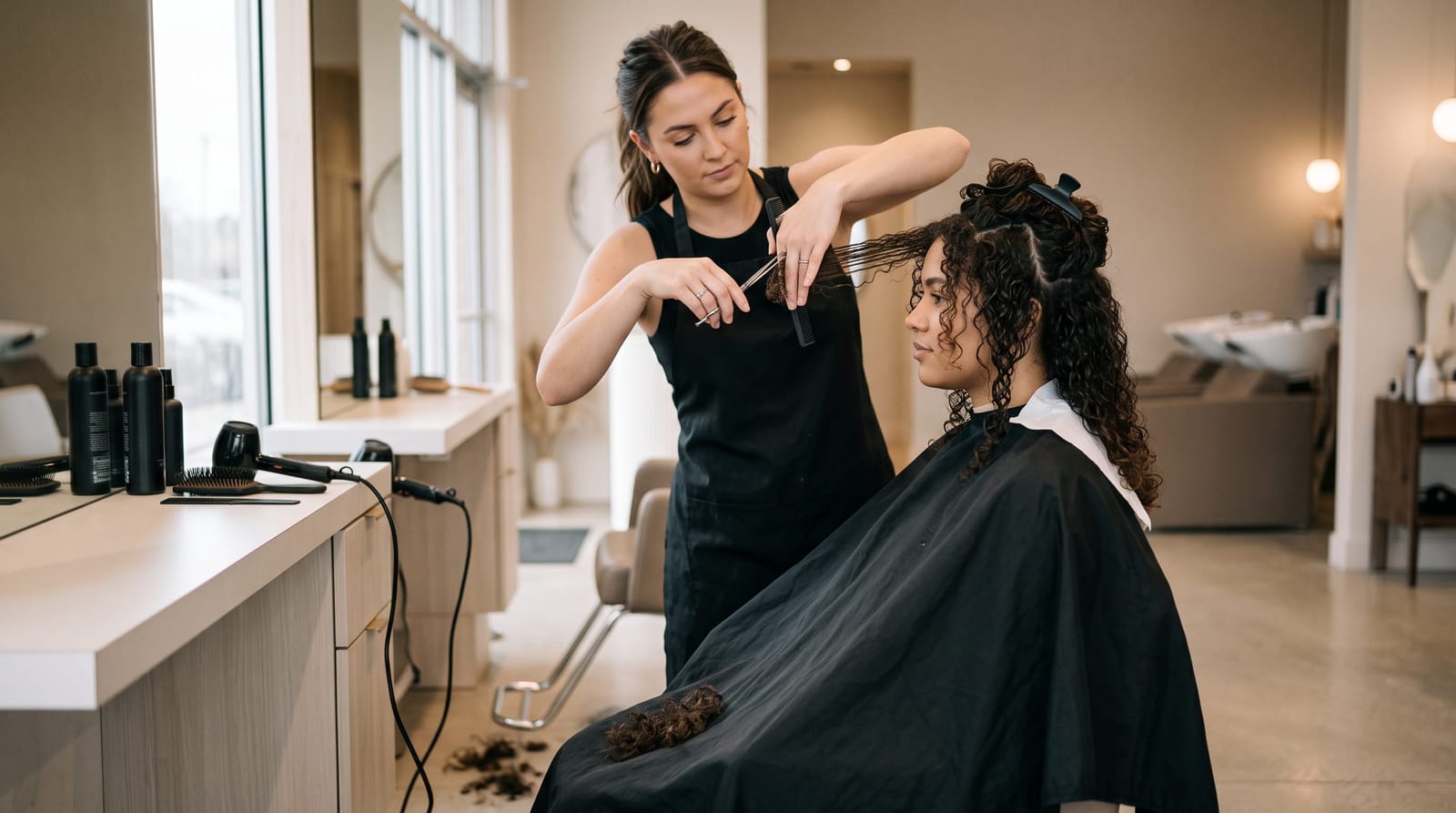
At a specialty salon like Ka Belly, where stylists are trained to work with the unique structure of curly, coily, and textured hair, the consultation isn't a formality: it's the foundation of your entire service. Textured hair behaves differently depending on its curl pattern, density, porosity, and how it's been previously treated. A stylist working with thick curly hair needs to understand your hair's history before making a single cut.
Before your appointment, take five to ten minutes to think through your hair goals, your daily routine, and any concerns you want to address. Coming in prepared makes the consultation feel like a collaboration rather than a guessing game, and that's where the magic happens.
Step 1: Bring Reference Photos (and Be Ready to Discuss Them)
Visual communication is one of the most effective tools in a salon setting. Words like "a little shorter" or "more volume" can mean completely different things to different people. A photo bridges that gap instantly.
Here's how to use reference photos effectively:
- Bring 2 to 3 photos showing the general style or shape you're drawn to, not just one, because no single image captures everything you want.
- Look for photos of people with similar hair texture. A cut that looks stunning on straight hair may behave very differently on a tight curl pattern. Try to find inspiration photos featuring curly or textured hair similar to your own.
- Include a "what I don't want" photo if you can. This helps your stylist understand your boundaries just as clearly as your goals.
- Be open to feedback. Your stylist may look at your photos and explain how your hair texture or density will affect the result. That's not a setback: that's expertise working in your favor.
If you're exploring haircuts for thick curly hair, a knowledgeable stylist will be able to look at your reference photos and help you identify which elements will translate beautifully to your specific curl pattern.
Step 2: Describe Your Lifestyle Honestly
A haircut should fit your life, not just a Pinterest board. One of the most helpful things you can tell your stylist is how you actually spend your time and how much effort you realistically want to put into your hair each day.
Consider sharing:
- Your morning routine: Do you have 10 minutes or 45 minutes for your hair? This directly influences how complex or low-maintenance your cut should be.
- Your work environment: If you're in a professional setting five days a week, your stylist may suggest a shape that transitions easily from polished to casual.
- Your activity level: Active clients who work out frequently or spend time outdoors may benefit from cuts with less layering or styles that hold up well with minimal restyling.
- How you typically wear your hair: Do you usually wear it down, pulled back, or in a protective style? A good cut should look beautiful in your everyday default.
According to a 2022 consumer survey on salon satisfaction, clients who described their lifestyle during the consultation reported being 40% more satisfied with their haircut results than those who focused only on aesthetics. Your stylist is not just a technician: they're problem-solving for your real life.
Step 3: Share Your Hair History
Your hair carries a record of everything it's been through, color treatments, heat styling, chemical relaxers, extensions, and more. Sharing that history gives your stylist essential context for how your hair will behave during the cut and how it may respond afterward.
Be ready to mention:
- Any chemical services in the last 12 months (color, relaxers, keratin treatments, perms)
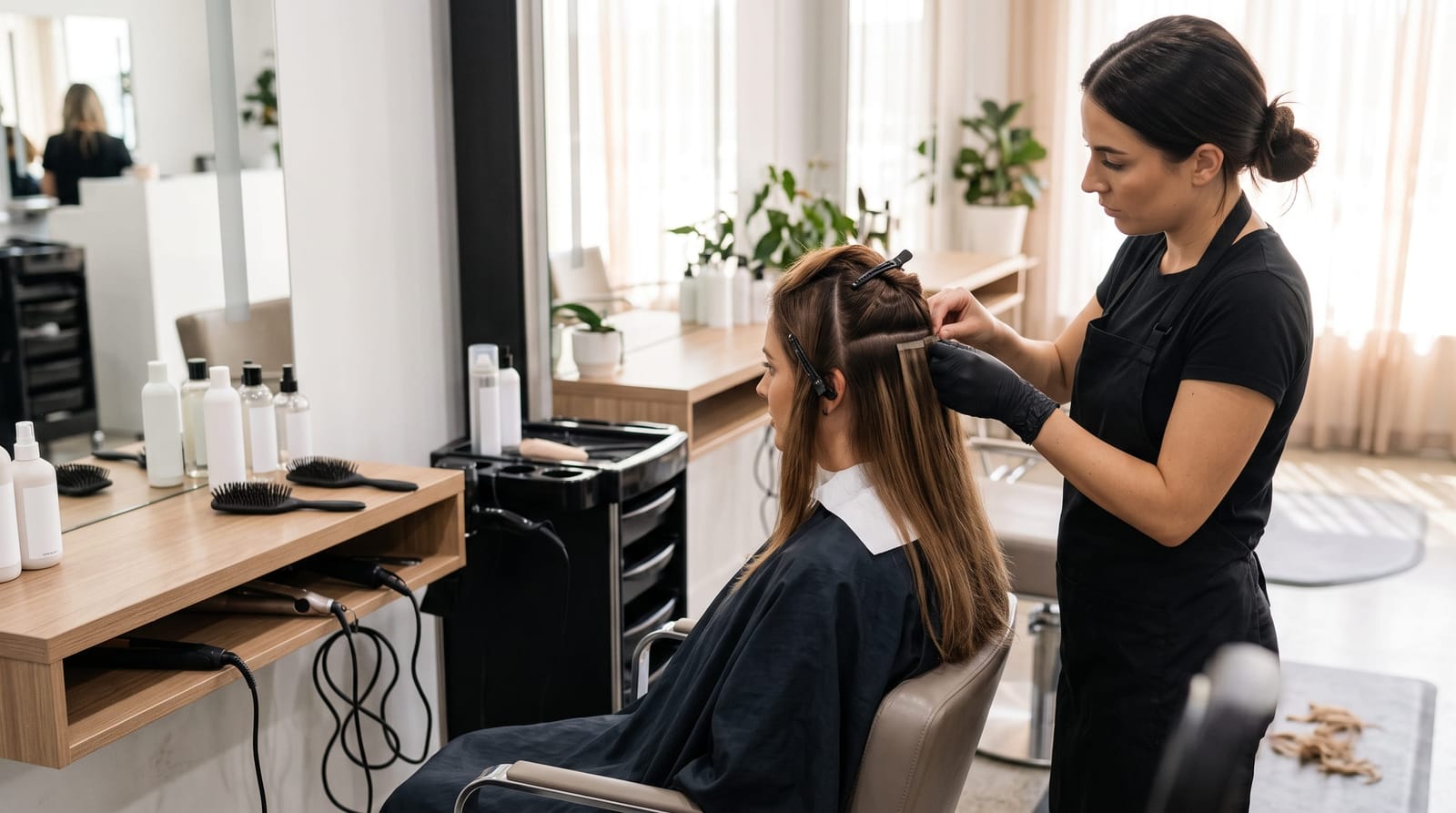
- Whether you wear or have recently removed haircut with extensions in or have had long-term extension wear
- How often you use heat tools and at what temperature settings
- Any previous haircuts that you loved or disliked, and why
- Whether your hair has any areas that feel thinner, coarser, or behave differently than the rest
This isn't about oversharing: it's about giving your stylist the full picture. For textured hair especially, previous chemical services can affect how curls form and how much the hair can handle during a cut. Transparency here leads to better decisions and better results.
Step 4: Get Specific About Length and Shape
Vague language is the enemy of a great haircut. Phrases like "just a trim" or "take a little off" are interpreted differently by every stylist. Here's how to be more precise:
- Reference a body part: "I want my hair to hit at my collarbone" is much clearer than "shoulder-length."
- Talk about shrinkage if you have naturally curly hair. If your hair shrinks significantly when dry, mention that so your stylist can account for it when cutting.
- Discuss the shape you want: Do you want layers for movement, a blunt cut for density, or something sculpted around your face? Each of these creates a distinctly different look.
- Ask about maintenance between visits: A skilled stylist can tell you roughly how often you'll need to come back to maintain the shape: typically every 6 to 12 weeks for most cuts on textured hair.
Being specific doesn't mean you have to use technical terms. Speaking plainly and asking your stylist to show you what they have in mind before cutting is always appropriate, and a great stylist will welcome the dialogue.
Frequently Asked Questions
What if I don't know exactly what I want?
That's completely okay. Bring a few photos of styles you're generally drawn to and let your stylist help you narrow it down. Sharing what you don't want can be just as helpful as sharing what you do. A good consultation is a two-way conversation, not a one-sided order.
Should I come in with my hair already washed or styled?
For most curly and textured hair appointments, it's best to arrive with clean hair in its natural state so your stylist can see your true curl pattern and texture. If you're unsure, call the salon ahead of time to ask what they recommend for your specific service.
Is it rude to bring photos of someone else's hair as a reference?
Not at all: reference photos are one of the most useful tools in a salon consultation. Just be open to your stylist's feedback about how the style may translate to your specific hair texture and density.
What if I'm unhappy with the cut before I leave?
Speak up before you leave the chair. A professional stylist genuinely wants you to love your result and would rather make adjustments in the moment than have you leave dissatisfied. Being honest and kind in that moment is always the right move.
You're More Prepared Than You Think
Getting a great haircut isn't about memorizing salon terminology or knowing exactly what you want before you walk in. It's about showing up ready to have an honest, open conversation with your stylist. Share your lifestyle, your hair history, your goals, and yes: those reference photos. When you communicate clearly, your stylist can do what they do best. If you're exploring options for your curl pattern or texture, take a look at the broader world of specialty cuts and how they can be customized for your unique hair. The right cut is out there, and it starts with the right conversation.