What Products Should You Use to Maintain Hair Extensions?
Maintaining hair extensions properly comes down to one essential truth: the products you use matter just as much as how you wear them. If you've already explored the broader world of extension care through our complete maintenance guide, you know that daily habits and product choices work together to protect your investment. But with so many options on the market, it can feel overwhelming to figure out what actually belongs in your routine. This guide breaks it down clearly: the right product categories, what to look for on labels, and why professional-grade formulas consistently outperform what you'll find on drugstore shelves.
1. Start With a Sulfate-Free Shampoo
Sulfates are the cleansing agents found in most standard shampoos, and they're effective: sometimes too effective. For natural hair alone, sulfates can strip moisture. For hair extensions, they can be especially disruptive, breaking down the bond adhesives used in tape-in or fusion extensions and causing the extension wefts to dry out prematurely.
Studies in cosmetic chemistry have shown that sulfate-free formulas reduce moisture loss by up to 30% compared to traditional detergent-based shampoos, making them a meaningful upgrade for anyone wearing extensions. When shopping, look for shampoos labeled "bond-safe" or "color-safe": these tend to be gentler across the board.
What to look for in a sulfate-free shampoo:
- Free of sodium lauryl sulfate (SLS) and sodium laureth sulfate (SLES)
- Moisturizing agents like aloe vera, glycerin, or panthenol
- Lightweight formula that won't weigh down wefts or bonds
- pH-balanced to keep the hair cuticle smooth and flat
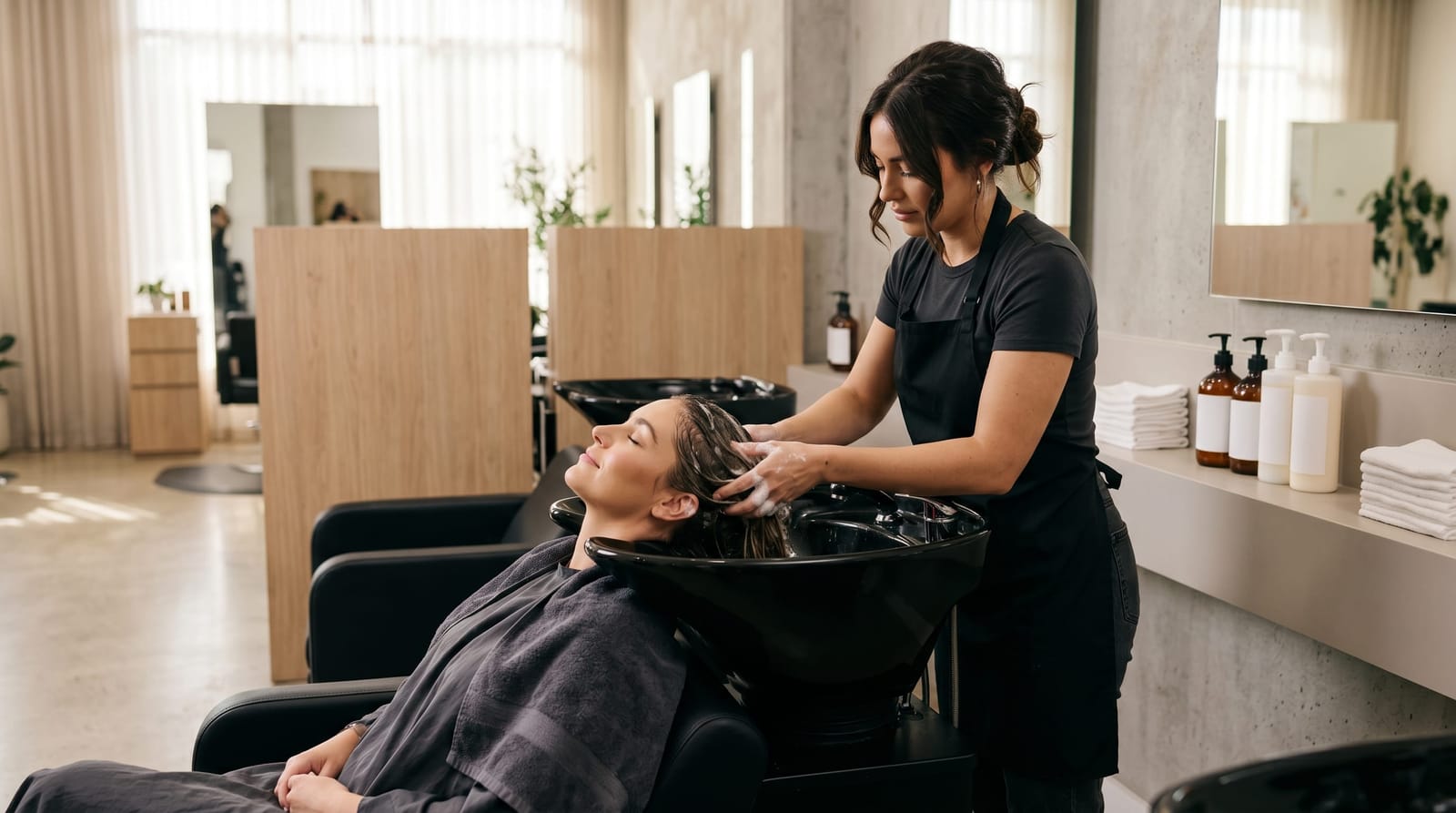
At Ka Belly Salon, the shampoos used during extension services are selected specifically to clean thoroughly without disrupting the installation. That level of precision is something most drugstore formulas simply aren't built to deliver.
2. Choose Lightweight Conditioners and the Best Deep Conditioner for Your Extension Type
Conditioner is non-negotiable for extension wearers, but application technique and formula weight both matter. Heavy creamy conditioners applied near the root or bond area can loosen adhesives and cause slippage, which means the product needs to be the right consistency and applied correctly every single time.
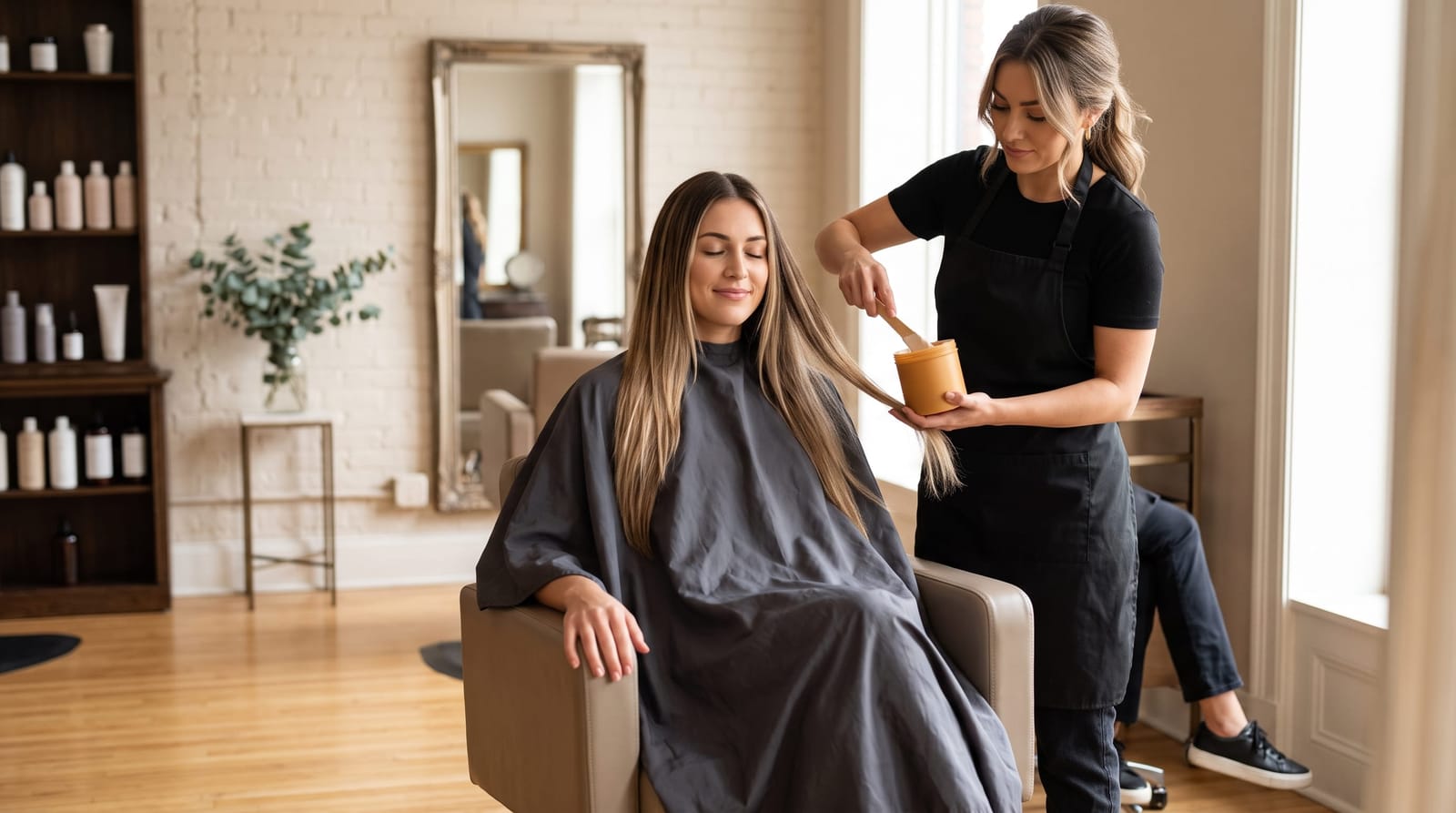
For daily conditioning, a lightweight leave-in or rinse-out formula works best from mid-shaft to ends. For deeper weekly care, the best deep conditioner products include options like the Cécred Moisturizing Deep Conditioner, the Kristin Ess Deep Treatment Mask, and the Ouidad Coil Infusion Triple Treat Deep Conditioner, all of which are highly rated for their effectiveness across different hair textures without over-saturating the hair.
What to look for in a conditioner for extensions:
- Silicone-free or low-silicone formula (heavy silicones can build up on extension fibers)
- Hydrating ingredients like shea butter, argan oil, or hyaluronic acid
- Designed for color-treated or chemically processed hair (extension hair is often pre-processed)
- A deep conditioner with a leave-on time of at least 5-10 minutes for maximum absorption
Deep conditioning once a week, or every other week depending on your extension method, makes a noticeable difference in how long extensions maintain their texture and shine.
3. Keep an Anti-Tangle Spray in Your Daily Routine
Tangling is one of the top reasons hair extensions lose their quality before their expected wear time is up. Extensions don't receive the same natural oils from the scalp the way your natural hair does, which means the strands are more prone to dryness and friction, especially overnight or during physical activity.
An anti-tangle or detangling spray adds a light layer of slip to the hair, making it easier to work through knots without pulling on the bonds or wefts. Most professional stylists recommend detangling daily, particularly at the nape area where extensions tend to tangle most.
How to use an anti-tangle spray effectively:
- Mist lightly from mid-shaft to ends: avoid spraying directly on bonds or tape attachments
- Use a wide-tooth comb or a soft-bristle extension brush, starting from the ends and working upward
- Detangle gently before bed and again in the morning to prevent overnight matting
- Reapply after swimming or any activity that causes friction
Professional anti-tangle sprays tend to use finer, more balanced formulas than most budget versions, which can leave residue or make the hair feel coated over time.
4. Never Skip a Heat Protectant
Heat styling is one of the leading causes of shortened extension lifespan. Extension hair, particularly human hair extensions, can tolerate heat, but without protection, repeated exposure to flat irons, curling wands, and blow dryers causes the cuticle to break down, leading to frizz, breakage, and dullness far sooner than expected.
Research from the Journal of Cosmetic Science has found that heat exposure above 365°F (185°C) causes measurable structural damage to the hair cortex, and that number is reached quickly with many common styling tools. A quality heat protectant creates a thermal barrier that allows you to style safely without compromising the hair's integrity.
What makes a great heat protectant for extensions:
- Protection rated to at least 450°F for versatility across styling tools
- Lightweight mist or serum format (heavy creams can interfere with bonds)
- Added smoothing or anti-frizz benefits to keep extensions looking polished
- Free of alcohol, which can dry out extension fibers over time
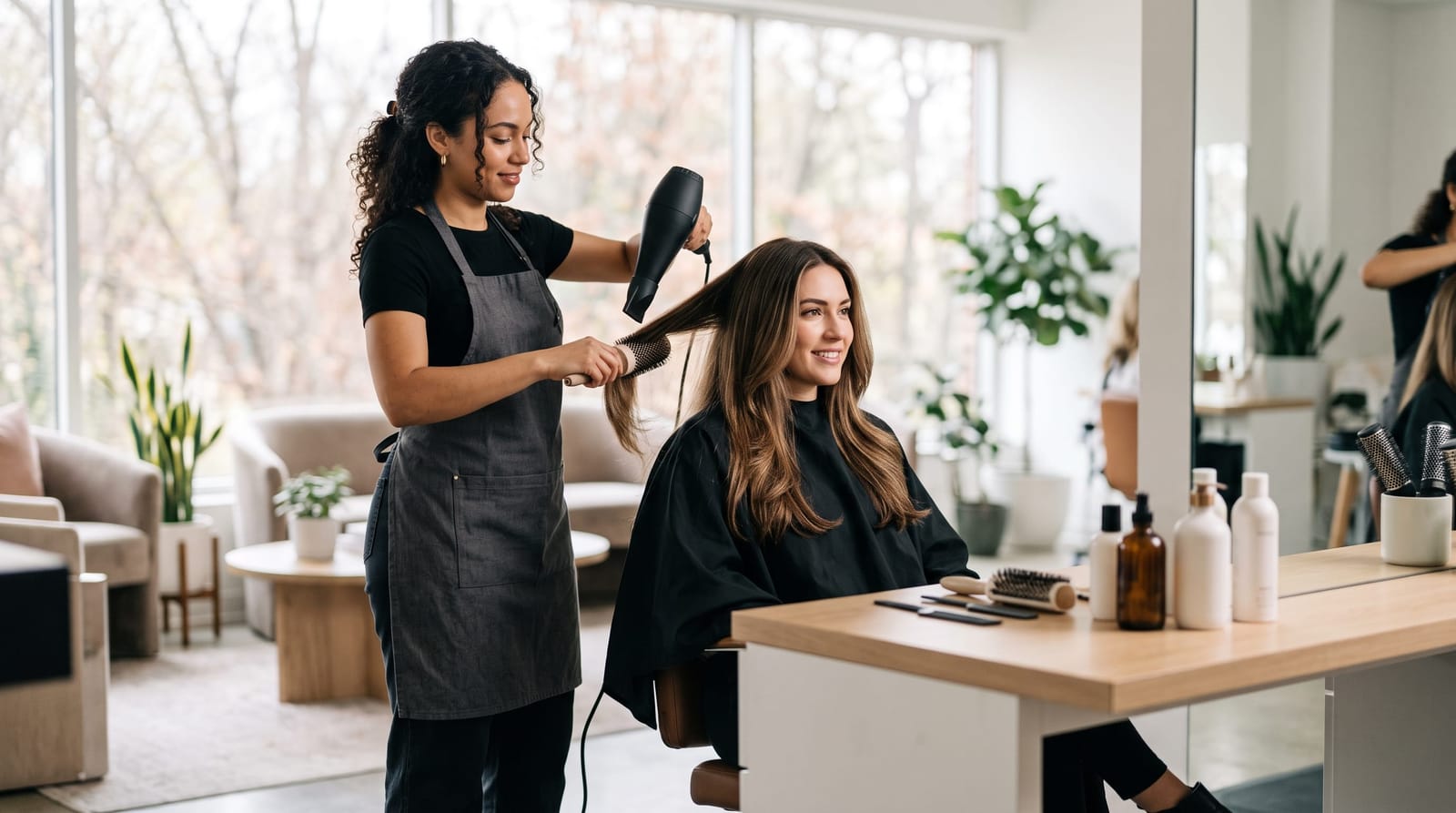
At Ka Belly Salon, heat protectants used during styling appointments are professional-grade formulas chosen specifically to work with the extension methods we install, so if you're unsure which formula is right for your specific extensions, your stylist is the best resource to guide you.
5. Why Professional-Grade Products Make a Real Difference
It's tempting to reach for familiar brands at the drugstore, and some of those products are genuinely good for natural hair. But extensions introduce a different set of needs: the hair isn't regenerating from a root, it doesn't receive scalp oils, and it's often attached with adhesives or bonds that react to certain chemical ingredients.
Professional formulas are engineered with higher concentrations of active ingredients, tighter quality control, and formulations that are tested specifically for compatibility with treated and extension hair. The difference shows in how long extensions maintain their look: most extension wearers who switch to professional products report extensions lasting noticeably longer between services.
Key differences between professional and drugstore extension products:
- Ingredient concentration: Professional formulas typically contain 2-3x higher concentrations of active ingredients like proteins and humectants
- Bond compatibility: Professional lines are often tested with common extension bond materials; drugstore brands are not
- pH balance: Professional shampoos and conditioners are more precisely pH-balanced, which protects the cuticle layer
- Residue: Budget shampoos can leave silicone and sulfate buildup that dulls extension fibers over time
Understanding how your extension style factors into product choices matters too, if you're weighing different extension methods, exploring clip on extensions styling can help you understand how attachment method affects your daily product routine. And if you're focused on seamless blending after installation, guidance on clip on extensions styling for a natural look pairs well with a strong product routine.
Frequently Asked Questions
How often should I deep condition my hair extensions?
Most extension wearers benefit from using the best deep conditioner products once a week or every 10 days. If your extensions feel dry or look dull sooner than expected, increasing to twice a week is a reasonable adjustment. Avoid applying deep conditioner directly to bond or tape attachment points.
Can I use the same shampoo I use on my natural hair for my extensions?
Only if your current shampoo is sulfate-free and gentle enough for color-treated hair. Many standard shampoos contain surfactants and detergents that weaken extension bonds over time. Checking the ingredients before continuing to use your regular shampoo is always a good idea.
Are drugstore heat protectants safe for hair extensions?
Some are, but the quality varies significantly. Look specifically for alcohol-free formulas with heat protection rated to at least 400°F. If a product feels heavy or leaves visible residue on extension hair, it's worth switching to a professional option designed for treated or extension hair.
Do I need different products depending on my extension method?
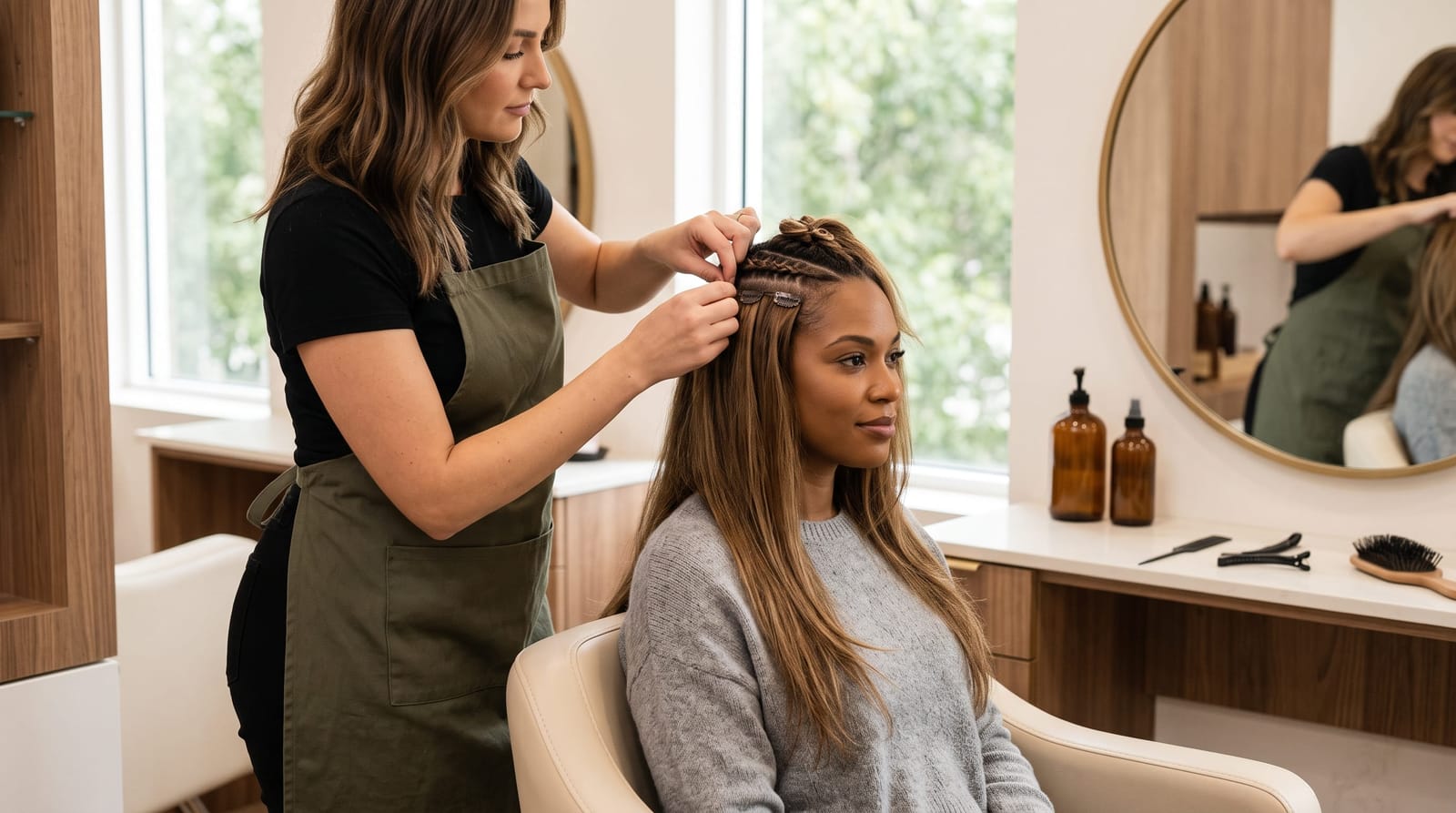
Yes: the extension method matters. Tape-in and fusion extensions require extra care around the bond area, particularly with heavier conditioners and styling products. Clip-in extensions can be removed and treated separately, which gives you more flexibility with product types. Your stylist at Ka Belly Salon can recommend the right product routine based on your specific installation.
Building Your Extension Product Routine
The right products don't need to be complicated: they just need to be the right ones. A sulfate-free shampoo, a lightweight conditioner paired with the best deep conditioner for your texture, a daily anti-tangle spray, and a quality heat protectant cover all the essentials for keeping extensions looking beautiful between appointments. When these products are professional-grade and matched to your extension method, the results are consistently better and your extensions last longer. If you're ever unsure what's right for your specific style, the team at Ka Belly Salon is always happy to walk you through a personalized recommendation.