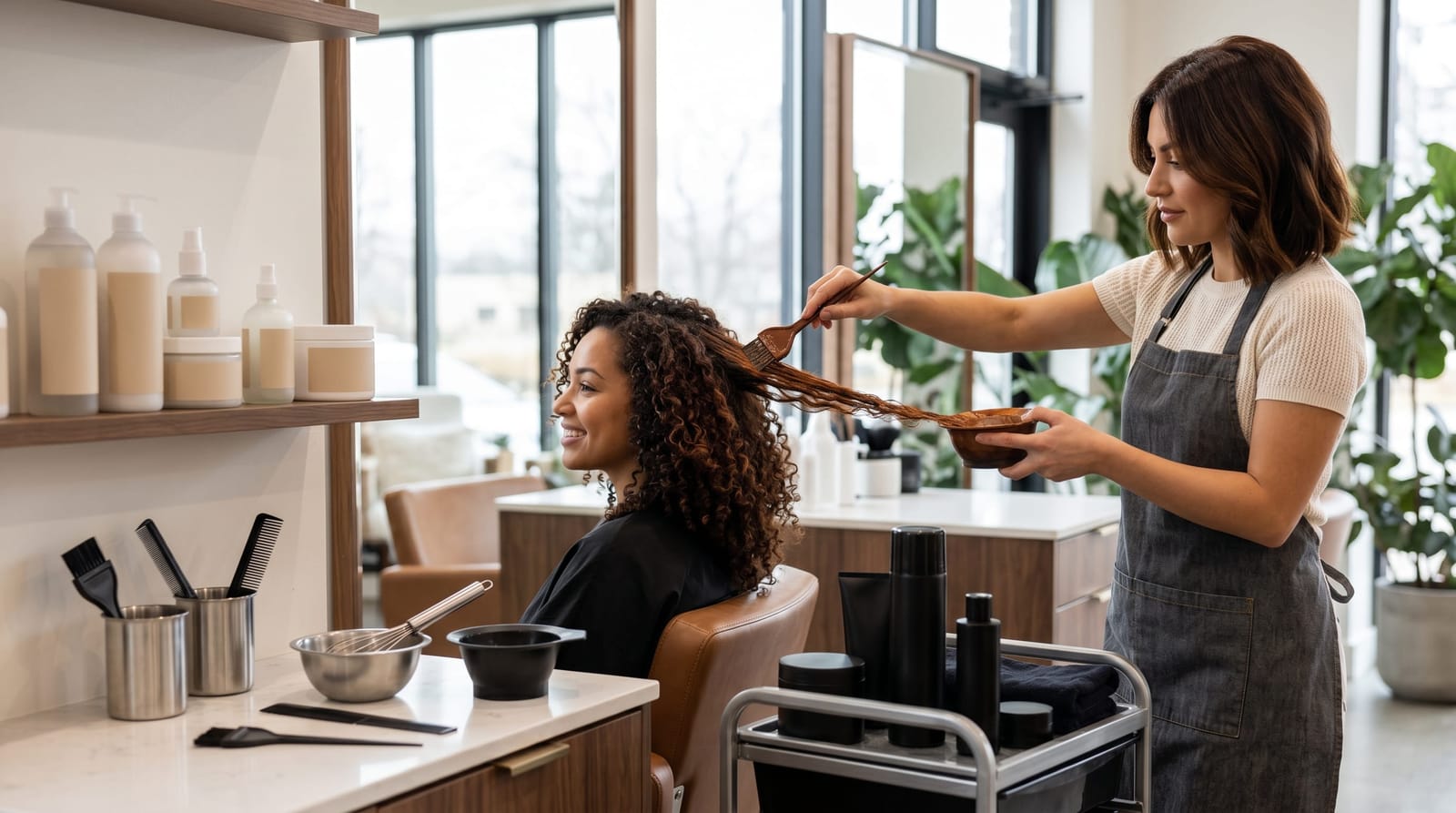
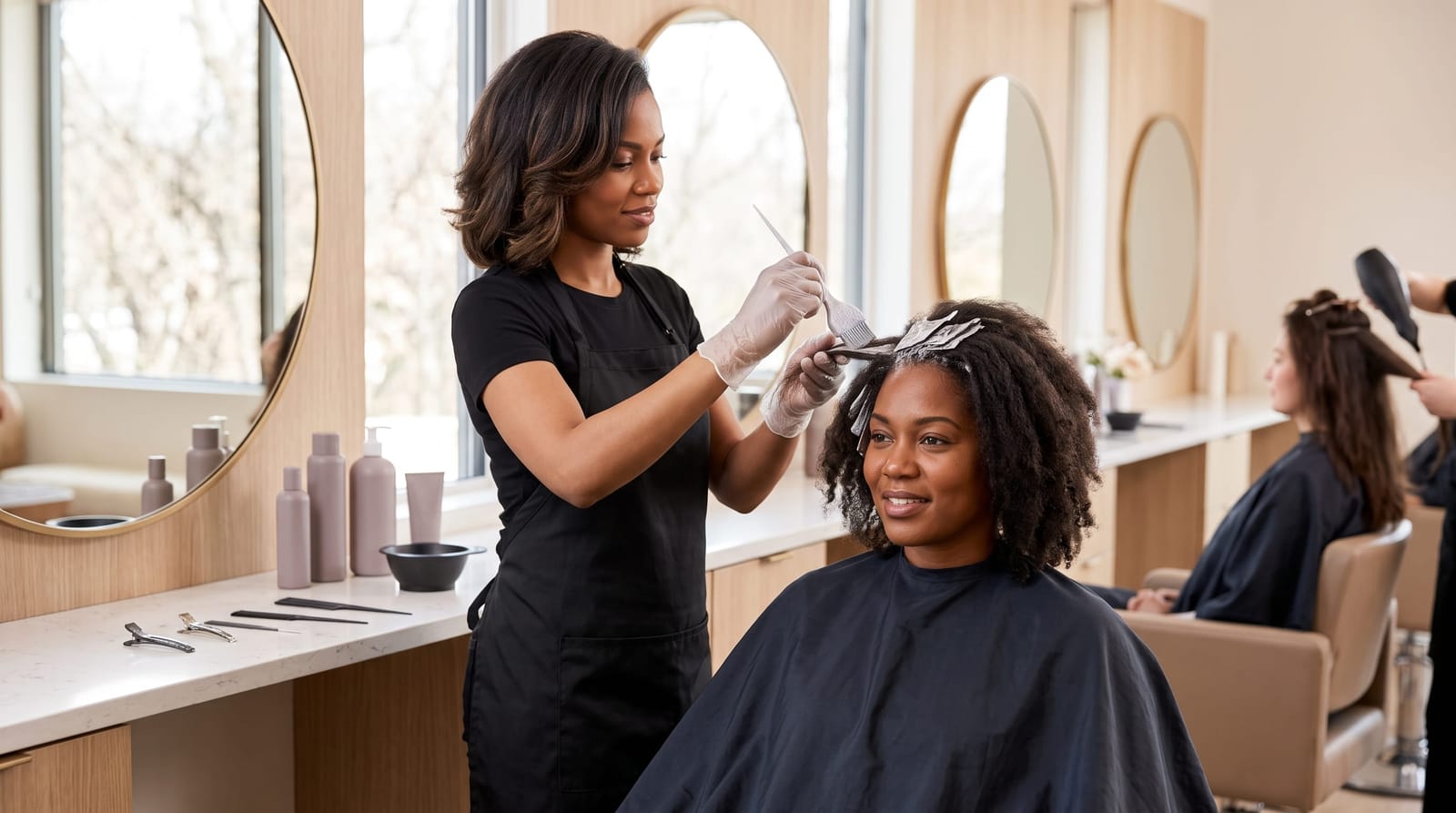
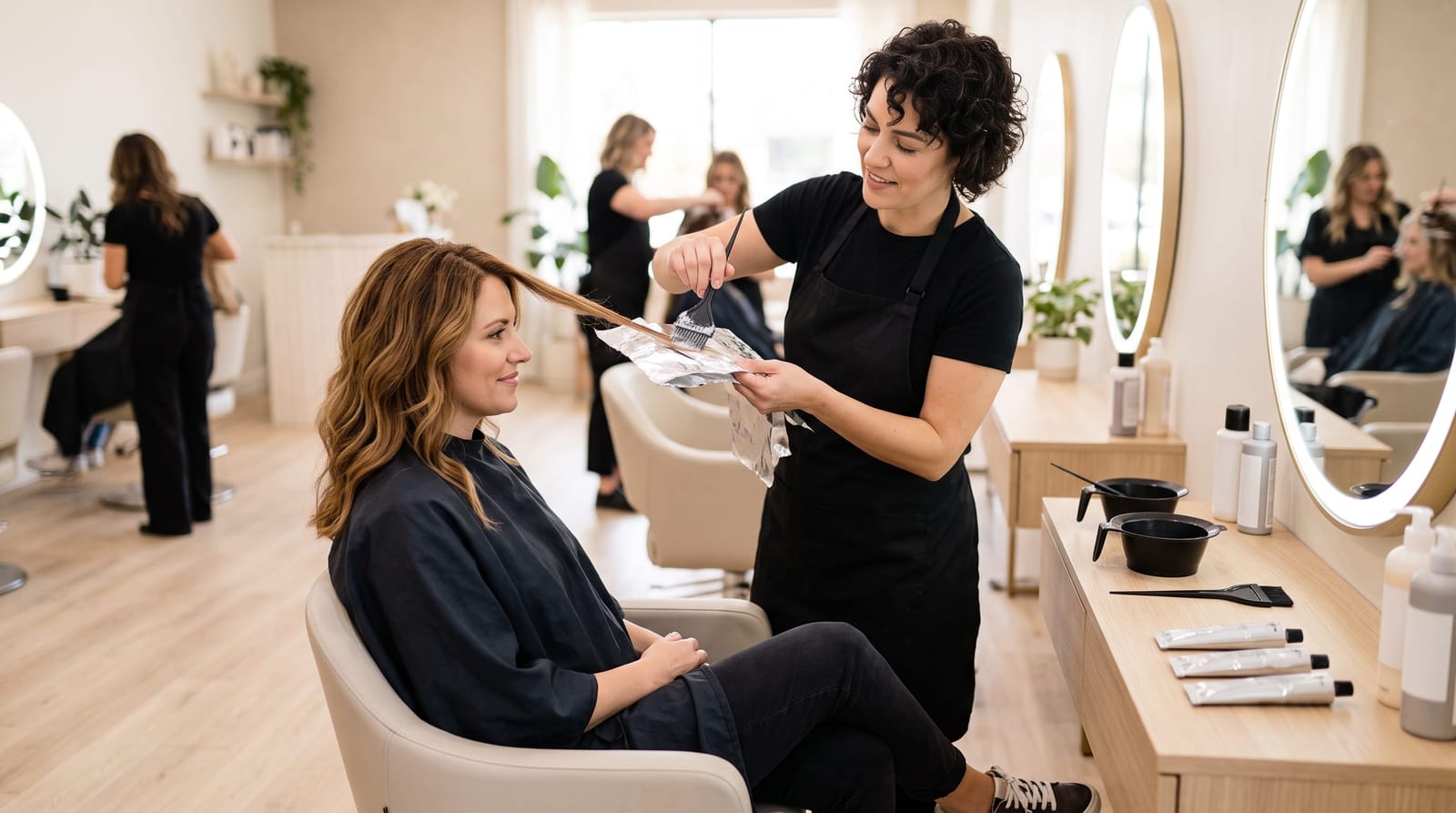
What Deep Conditioning Treatment Should You Get Before and After Hair Color?
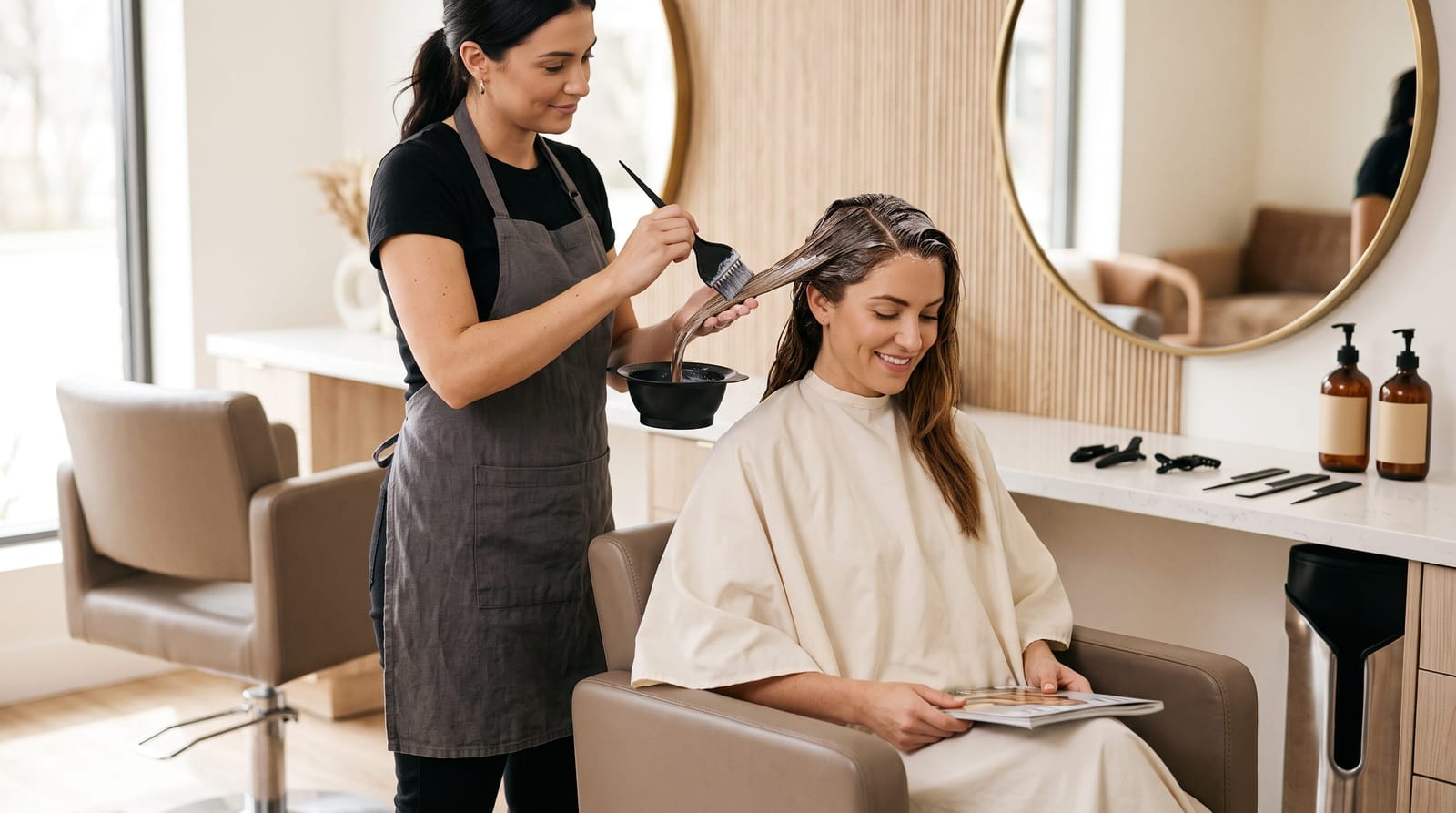
If you've ever walked out of a color appointment with hair that felt dry, brittle, or dull, the missing piece was likely a professional deep conditioning service. Color, especially on textured or chemically processed hair, puts real demands on your strands. Conditioning treatments before and after your appointment change the entire outcome. This guide breaks down exactly what to expect, what types of treatments work best, and how Kabelly builds conditioning into every color service for healthier, more vibrant results.
---Why Conditioning Before Color Actually Changes Your Results
Most clients focus entirely on the color itself: the shade, the technique, the timing. But the condition your hair is in before color is applied has a direct impact on how evenly and beautifully the color takes. Hair that is dry or porous absorbs color unevenly, which can lead to patchy results, fading within weeks, or a tone that looks different than expected.
According to Revlon Professional, hair that has been properly conditioned prior to a color service has improved elasticity and more consistent porosity: meaning the color molecules deposit more evenly from root to tip. Studies in the professional hair care industry show that highly porous hair can absorb up to 30% more product than balanced hair, which contributes to over-processing and uneven tone distribution.
A professional deep conditioning service performed before your color appointment works to temporarily equalize the hair's porosity level. For textured, natural, or previously color-treated hair, all common among Kabelly's clients, this step is especially important. Tighter curl patterns and coily textures tend to have a drier cuticle layer by nature, which makes pre-treatment conditioning not just beneficial but essential for clean, consistent color results.
At Kabelly, stylists assess your hair's current moisture level and elasticity before recommending a pre-color treatment. This isn't a one-size-fits-all product: it's a targeted professional service matched to your specific hair needs on the day of your appointment.
---What Happens to Your Hair During the Color Process (and Why Moisture Matters)
Understanding what color does to your hair helps explain why a professional deep conditioning service is so valuable on both ends of the appointment. Color, whether it's a full gloss, highlights, balayage, or a permanent formula: works by opening the hair's cuticle layer to deposit or lift pigment. This process temporarily disrupts the hair's natural moisture balance.
Research published by professional hair care brands consistently shows that chemical color services can reduce hair's natural moisture content by 15 to 25%, depending on the formula used, the number of sessions, and the starting condition of the hair. For dark-skinned clients with naturally textured or relaxed hair, hair types that already require more intentional moisture maintenance, this reduction is significant.
This is also why color results can sometimes look beautiful in the salon but appear dull or frizzy within a few days. Without a moisture-restoring treatment applied immediately after color, the cuticle stays slightly raised and rough, which scatters light rather than reflecting it. That reflection is what gives color its shine and depth.
A professional post-color conditioning treatment closes the cuticle, seals in the pigment, and restores the hair's moisture balance, which is what creates that glossy, rich finish you see right after a great color appointment.
---Types of Professional Deep Conditioning Services Kabelly Offers Alongside Color
Not every conditioning treatment is the same, and at Kabelly, the approach is always personalized. Here are the main types of professional conditioning services integrated into color appointments:
Bond-Building Treatments
These treatments, including formulas inspired by OLAPLEX-style bond-building technology, work inside the hair shaft to reconnect broken disulfide bonds that can be disrupted during the lightening or coloring process. According to The Salon at Ulta Beauty, bond-building add-ons during color services help reduce breakage and leave hair noticeably healthier-looking. Kabelly incorporates bond-building technology for clients receiving highlights, blonding services, or lightening on previously chemically processed hair. Studies suggest that using a bond multiplier during color can reduce breakage by up to 57% compared to color applied without it.
Moisture-Rich Deep Conditioning Masks
For clients with naturally dry or coily hair, a deeply hydrating mask applied after color is the most immediate way to restore softness and manageability. These treatments typically use ingredients like shea butter, argan oil, and hydrolyzed proteins that sit on and within the hair shaft to replenish what the color process draws out. Unlike a quick conditioner rinse, a professional deep conditioning mask is left on under heat for 15 to 30 minutes for deeper penetration.
Protein Treatments
Hair that has been frequently colored or chemically relaxed can sometimes need structural support more than moisture alone. Protein treatments help reinforce the hair fiber, reducing elasticity loss and improving strength. Kabelly stylists evaluate whether a client needs a protein treatment, a moisture treatment, or a blend of both, because over-proteining hair can actually make it more brittle, not less.
Gloss and Toning Treatments
A finishing gloss applied after color is both a toning step and a conditioning step. It adds a thin, shine-boosting layer over the hair shaft that smooths the cuticle, refreshes tone, and adds luminosity. For dark-skinned clients with rich, deep color, a gloss treatment makes the difference between color that looks flat and color that looks multidimensional.
---How This Integrated Approach Produces Better Color and Healthier Hair
The difference between a color appointment with professional deep conditioning built in versus one without it is measurable, in both appearance and hair health over time. When Kabelly combines a pre-color conditioning treatment, a color-safe bond-building service during the process, and a post-color moisture mask, clients consistently see three improvements:
- More even color deposit: Balanced porosity means the color distributes consistently, with less patchiness or banding.
- Longer-lasting vibrancy: Sealed cuticles hold pigment better, which means your color stays true for longer before fading. Understanding hair color duration longevity can help you plan your maintenance schedule accordingly.
- Visibly healthier texture: Hair feels softer, looks shinier, and has noticeably better manageability, especially for textured hair types that benefit most from added moisture.
This is also where your at-home maintenance choices extend the investment. Using color safe hair products between appointments works in tandem with professional treatments to preserve both the color and the moisture levels your stylist worked to restore.
According to Deseo Salon & BlowDry, the most effective conditioning approach treats the specific condition of the hair rather than applying a default product to every client. That philosophy matches exactly how Kabelly approaches color care: starting with an honest assessment of your hair's needs and building a plan around them.
---Frequently Asked Questions
How often should I get a professional deep conditioning service with color?
For most clients who color their hair every 6 to 10 weeks, a professional deep conditioning service at each color appointment is ideal. If your hair tends to be very dry or if you have a tighter curl pattern, your stylist may also recommend a standalone conditioning treatment between color appointments to maintain moisture levels.
Can I deep condition at home before my color appointment?
A light at-home conditioner the night before can be helpful, but it is not a replacement for a professional pre-color treatment. Professional formulas are designed to penetrate the hair shaft more effectively and are specifically chosen to prepare the hair for color, not all at-home products are formulated with that purpose in mind. Your stylist at Kabelly will apply the appropriate treatment on the day of your appointment based on your current hair condition.
Will deep conditioning change my color results?
Yes, in a positive way. Pre-color conditioning helps the color deposit more evenly. Post-color conditioning helps the color appear richer and last longer by sealing the cuticle after the service. Skipping this step is one of the most common reasons clients experience uneven or quickly fading color.
Is deep conditioning different from a regular rinse-out conditioner?
Absolutely. A rinse-out conditioner is designed to sit on the surface of the hair for 1 to 3 minutes and provide basic softness. A professional deep conditioning service uses specialized formulas that penetrate the hair shaft, is often applied with heat to open the cuticle for better absorption, and is left on for 15 to 30 minutes. The results are significantly more effective, especially for textured, chemically processed, or color-treated hair.
---Conclusion
A professional deep conditioning service is one of the most impactful things you can add to a color appointment, before, during, and after. It's not an add-on for the sake of it. It's what protects your investment, ensures your color looks the way it's supposed to, and keeps your hair healthy through the process. At Kabelly, conditioning is built into the color experience because great color and healthy hair aren't separate goals: they work together.