The Complete Guide to Maintaining Hair Extensions: What Every Woman in the DMV Should Know
You finally have the length, the volume, and the look you've been dreaming about, and now comes the part nobody talks about enough: keeping it all looking beautiful without compromising your natural hair underneath. Extensions are one of the most transformative services available at Ka Belly Salon, but they do require a real commitment to proper care. And if you're not sure exactly what that looks like on a day-to-day basis, you're not alone.
Here's what most people discover after their first set: the installation is only half the experience. What happens after you leave the salon, how you wash, sleep, style, and protect your hair, determines everything. It determines how long your extensions last, how healthy your natural hair stays, and whether your next appointment feels like a fresh start or a damage-control session.
This guide was written specifically for women in the DMV area who are wearing extensions or considering them, whether you're rocking glue-in bonds, clip-ons for a special occasion, or a sewn-in install. We'll walk through every aspect of day-to-day maintenance, the most common mistakes people make, what products actually work, and how professional care at Ka Belly Salon helps protect both your extensions and your real hair throughout the entire process.
By the time you finish reading, you'll know exactly how to prevent extension damage at every stage, from the day you get your install to the day they come out.
Understanding the Extensions Offered at Ka Belly Salon
Before diving into maintenance, it helps to understand what you're actually working with. Not all extensions are the same, and the care they require varies depending on the method. At Ka Belly Salon, the three primary options are glue-in extensions, clip-on extensions, and sewn-in extensions. Each has its own strengths, ideal use cases, and maintenance considerations.
Glue-In Extensions
Glue-in extensions (also called keratin bond or fusion extensions) are individual hair strands attached near the root using a heat-activated keratin bond. They blend seamlessly with natural hair and are known for creating a very natural, dimensional look. Because each strand is bonded individually, glue-in extensions move freely and tend to feel the most like your own hair. They typically last between six and twelve weeks with proper care, though the quality of the bond and your maintenance habits play a significant role in that timeline.
Clip-On Extensions
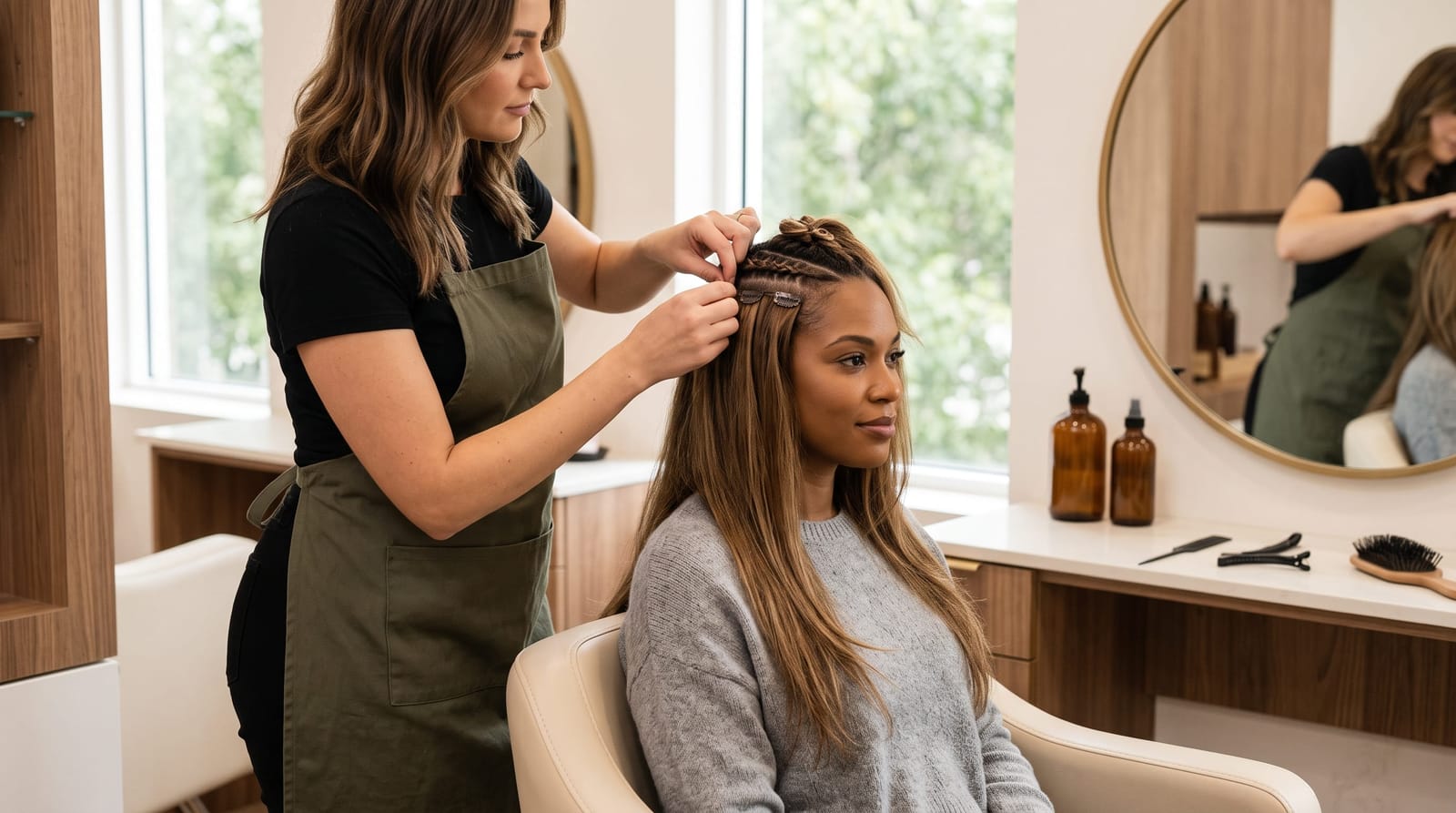
Clip-on extensions are wefts of hair attached to small pressure clips that snap into your natural hair. They're non-permanent, meaning you can put them in before an event and take them out before bed. Because of this flexibility, clip-ons are popular for special occasions, date nights, or anyone who wants volume and length without a long-term commitment. They require almost no installation time when done correctly, but they do require careful handling: particularly around how you clip them in and how you store them between uses.
Sewn-In Extensions
Sewn-in extensions (also called weaves) involve braiding your natural hair close to the scalp and then sewing wefts of hair directly onto those braids using a needle and thread. This is one of the most longstanding and widely trusted extension methods. Sewn-in installs can last six to eight weeks on average before the braids need to be refreshed. Scalp care and moisture maintenance are especially important with this method, since your natural hair is tucked away and can't receive the same airflow and daily attention it normally would.
Understanding which method you have is the starting point for everything else in this guide. If you're unsure which option is right for your hair type, texture, or lifestyle, a consultation with a stylist at Ka Belly Salon can help you find the right fit before committing to an install.
How to Wash Extensions Without Causing Damage
Washing is one of the areas where people make the most avoidable mistakes. The good news is that once you understand what to do, and why, it becomes second nature pretty quickly.
Product Selection Matters More Than You Think
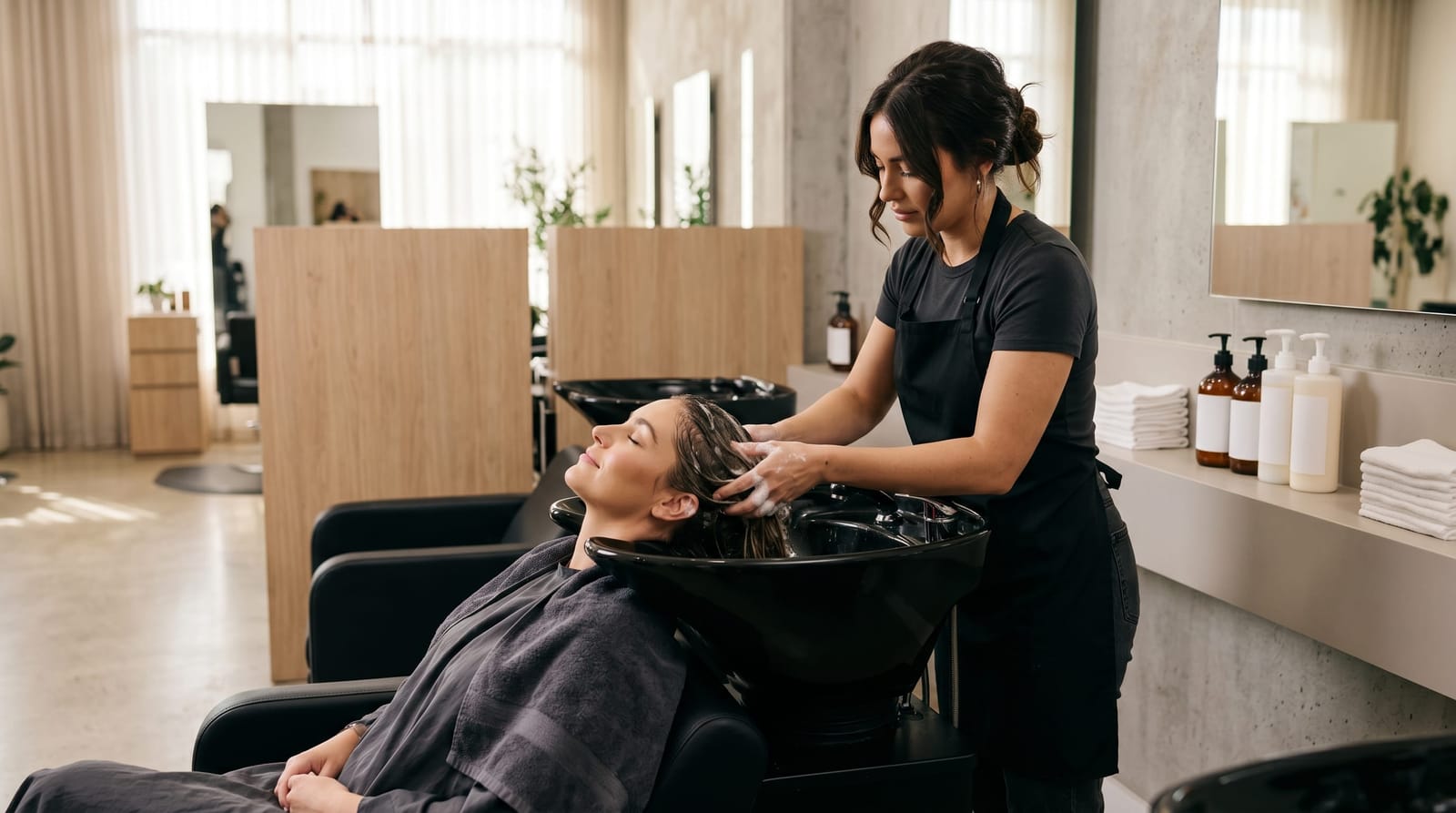
The most important rule across all extension types: use sulfate-free shampoo. Sulfates are detergents commonly found in commercial shampoos that create a rich lather, but they're harsh on both extension hair and the bonds or attachments that hold them in place. Over time, sulfate exposure can dry out extension hair (which doesn't receive natural scalp oils the way your real hair does), weaken glue bonds, and cause premature shedding. According to a survey conducted by a leading haircare research group, approximately 70% of people who experience early extension failure report using regular shampoo rather than extension-safe formulas.
Opt for a gentle, moisturizing, sulfate-free shampoo and a lightweight, hydrating conditioner. Products labeled as safe for color-treated hair are often a great crossover choice for extensions as well, since they're formulated to preserve the integrity of processed hair strands.
Washing Technique by Extension Type
For glue-in extensions, avoid applying conditioner directly to the bonds near the root. Conditioner softens the keratin material, which can loosen the bond over time. Apply conditioner from mid-shaft to ends only, and let it sit for two to three minutes before rinsing thoroughly.
For sewn-in extensions, focus on keeping the scalp clean since your natural hair is braided underneath. Use a spray bottle or a nozzle-tip applicator to deliver shampoo directly to the scalp between the wefts, then rinse well. Buildup at the scalp is one of the leading causes of irritation and tension-related breakage with sewn-in installs.
For clip-on extensions, it's best to remove the clips before washing your natural hair. Wash and condition the extension wefts separately by hand, lay them flat on a clean towel to dry, and reattach them once both your hair and the extensions are completely dry.
Regardless of method, always detangle gently with a wide-tooth comb or a loop brush designed for extensions before getting hair wet, and never scrub or bunch the hair together during washing. Work in a downward, smoothing motion.
Conditioning, Moisture, and Everyday Product Use
Extension hair, particularly if it's human hair, needs moisture just like your natural hair does. But it doesn't receive natural oils from your scalp the way your real hair does, which means it can dry out faster, especially at the ends. Building moisture into your routine is one of the most effective ways to extend the life of your extensions and keep them looking fresh well beyond the first few weeks.
A leave-in conditioner or lightweight hair oil applied to the mid-lengths and ends two to three times per week makes a noticeable difference in how the hair feels and how well it holds its style. Look for options that are silicone-free or low in silicone: heavy silicone products can cause buildup on the hair shaft over time, leading to dullness and tangling.
For sewn-in installs specifically, keeping the scalp moisturized is just as important as caring for the extension hair itself. A lightweight scalp oil or serum applied directly to the braids and scalp helps prevent dryness and flaking, which can become uncomfortable between appointments.
One important note: avoid applying heavy creams or butters directly to the bonds of glue-in extensions. While moisture is beneficial, thick product residue near the bond attachment points can cause slipping. Keep those areas as clean and product-free as possible.
Regular deep conditioning treatments are also a smart investment during an extension install period, particularly for your natural hair at the roots and scalp. This is something a stylist at Ka Belly Salon can incorporate into your maintenance appointment to keep everything balanced and healthy.
Sleeping With Extensions: Protecting Your Hair Overnight
How you sleep with extensions has a bigger impact on their longevity than most people realize. Overnight friction, tangling, and pulling are responsible for a significant portion of premature extension wear, and they're entirely preventable with a few simple habits.
The single most impactful change you can make is switching to a silk or satin pillowcase. Cotton pillowcases create friction against hair strands as you move during sleep, which accelerates tangling, frizz, and dryness. Silk and satin surfaces allow hair to glide smoothly, reducing that overnight friction considerably. Studies on hair fiber damage have noted that mechanical friction is one of the primary contributors to hair strand breakage over time, and this applies equally to extension hair and natural hair.
In addition to your pillowcase, loosely braiding or twisting your hair before bed helps keep it contained and reduces overnight tangling. For longer extensions, a loose low braid or a gentle ponytail kept at the nape of the neck works well. Avoid tight styles or elastics with metal components, which can snag and pull.
A silk or satin sleep bonnet is another excellent option, especially for protecting the texture and style of blowout-finished extensions. Many clients find that incorporating a bonnet into their routine adds several extra days of wear before needing a refresh.
For everything you need to know specifically about overnight care for temporary extensions, our detailed post on sleeping with clip extensions covers techniques, storage tips, and what to do if you've been waking up with tangles.
Styling Extensions Safely: Heat, Tools, and Techniques
One of the most enjoyable parts of wearing extensions is the styling versatility they offer: more hair means more options. But extensions, especially those made from processed or textured human hair, can be more susceptible to heat and mechanical stress than your natural hair. Styling them well means being intentional about the tools and techniques you use.
Heat Styling Guidelines
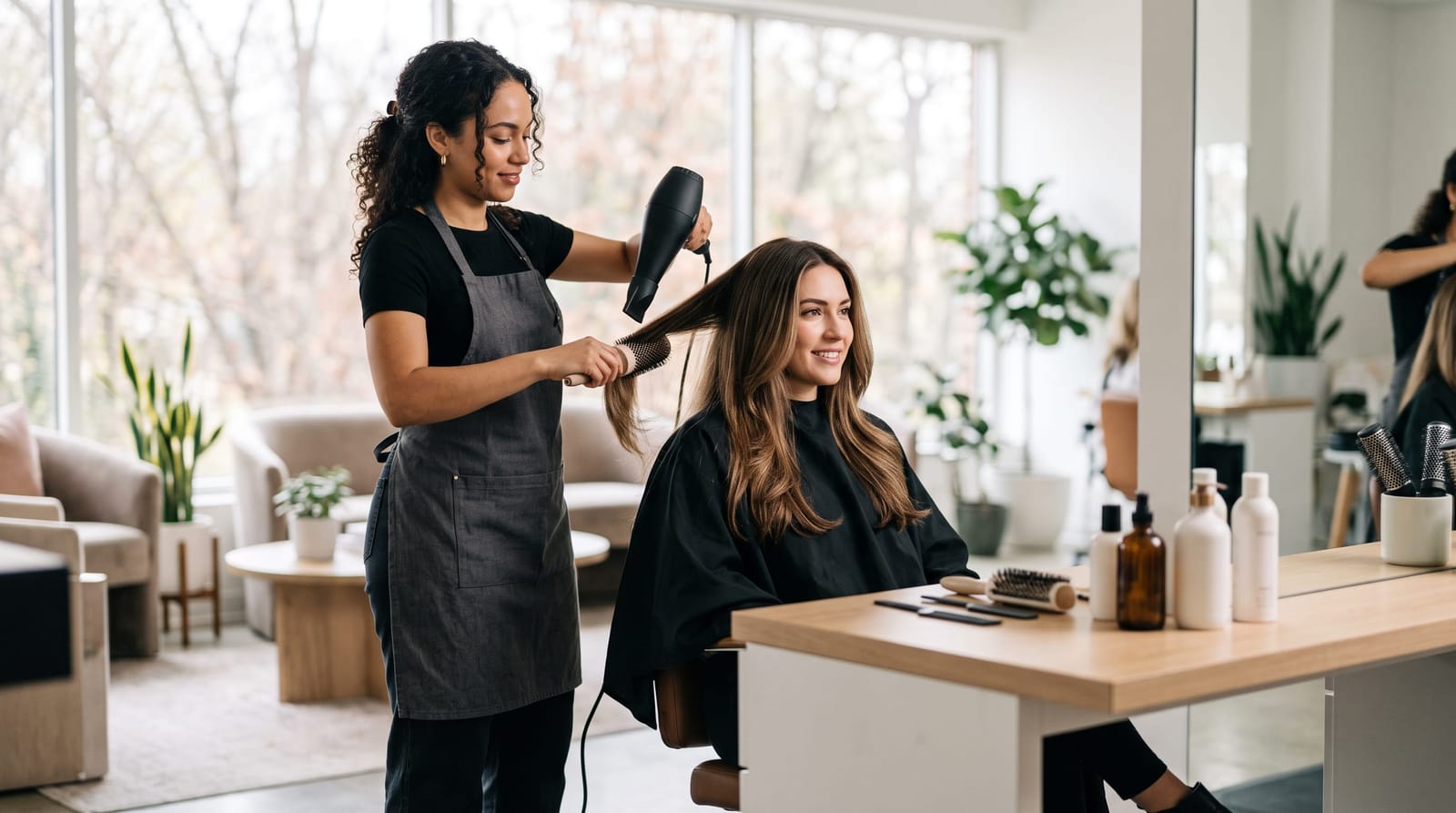
Always apply a heat protectant before using any thermal tool, flat irons, curling wands, or blow dryers, on your extensions. This applies even if you've used the same tool a hundred times on your natural hair. Extension hair doesn't regenerate or recover from heat damage the way your natural hair can with time and treatment. Once extension hair is heat-damaged, it typically cannot be restored to its original condition.
Keep heat tools set to a moderate temperature. For most extension types, staying below 380°F is a general guideline, though specific recommendations may vary depending on the hair's quality and processing history. When in doubt, start lower and work up only if needed.
Avoid applying heat directly to the bonds or attachment points of glue-in extensions. Excessive heat near the bonds can soften the keratin material and cause slipping or bond failure before the expected removal date.
Protective Styling and Tension Awareness
One of the most overlooked aspects of preventing extension damage is awareness of tension. Consistently pulling hair into tight ponytails, sleek updos, or high-tension styles places stress on both the extension attachment points and your natural hair at the root. Over time, this can contribute to traction and breakage around the hairline: one of the most common concerns associated with long-term extension wear.
Vary your styles, keep tension light when possible, and give your hairline regular breaks from tight looks. If a style ever feels uncomfortably tight at the scalp, that's worth paying attention to. A professional stylist can advise on protective styles that look polished without placing unnecessary strain on the attachment points.
Common Mistakes That Lead to Extension and Natural Hair Damage
Most damage associated with extensions isn't caused by extensions themselves: it's caused by care habits that haven't been adjusted to account for the extra hair. Here are the most common mistakes, and how to avoid them.
- Skipping professional maintenance appointments: Extensions aren't a set-it-and-forget-it situation. Regular check-ins with your stylist allow for small adjustments, tightening of any loose bonds, and early identification of any concerns before they become bigger issues. For sewn-in extensions especially, scheduling a maintenance visit around the four-week mark is standard practice at Ka Belly Salon.
- Using the wrong brush: Standard bristle brushes can snag on bonds and wefts, pulling at attachment points and causing unnecessary shedding. A loop brush or a wide-tooth comb specifically designed for extension-wearing clients makes a real difference in how your extensions hold up over time.
- Not detangling before washing: Getting hair wet before removing tangles causes those tangles to tighten and mat, which is much harder (and more damaging) to address after the fact. Always detangle from ends to roots before stepping into the shower.
- Letting extensions air dry in a tight style: Drying with hair in a bun or ponytail causes it to dry in a compressed shape that often leads to matting and uneven texture. Allow extensions to dry as freely as possible, or use a diffuser on a low heat setting.
- Waiting too long to remove extensions: Glue-in and sewn-in extensions have recommended wear windows for a reason. Keeping them in significantly beyond the recommended timeline allows your shed hair to tangle around the bonds and braids, making removal more difficult and increasing the risk of breakage during the removal process.
- Attempting at-home removal: This is one of the most common sources of real extension-related damage. Attempting to remove glue-in bonds without the proper tools and technique can pull natural hair out along with the extension. Professional removal is strongly recommended for any bonded or sewn-in method.
How Professional Care at Ka Belly Salon Protects Your Natural Hair
There's a meaningful difference between extensions that damage hair and extensions that are installed, maintained, and removed by a professional who knows your hair. At Ka Belly Salon, every extension service is approached with the health of your natural hair as the foundation of the entire process, not an afterthought.
During the consultation phase, your stylist evaluates the current condition of your natural hair, your scalp health, and your lifestyle to determine which extension method is appropriate. Not every method is right for every client, and a stylist who takes the time to understand your hair before recommending a service is one of the clearest indicators of a quality salon experience.
During installation, the placement, tension level, and spacing of extensions are all carefully considered. Extensions placed too close to the scalp, too tight, or too densely packed together create conditions that put stress on natural hair. Proper installation technique significantly reduces the risk of traction-related concerns at the root.
Between appointments, maintenance visits at Ka Belly Salon allow your stylist to monitor the condition of both the extensions and your natural hair, make adjustments as needed, and provide professional-grade conditioning treatments that keep the hair healthy throughout the wear period.
At the end of the wear cycle, professional removal is just as important as professional installation. Removing glue bonds requires a specific bond-dissolving solution and careful technique to release the extension from the natural hair without pulling. Our detailed guide on the professional extension removal process explains exactly what this looks like and why it matters for the long-term health of your hair.
Product Recommendations for Extension Wearers
You don't need a cabinet full of specialty products to maintain your extensions well, but a few targeted additions to your routine make a significant difference. Here's a practical breakdown of what's worth having on hand:
- Sulfate-free, moisturizing shampoo: The foundation of your wash routine. Look for formulas designed for color-treated or keratin-treated hair, as these are generally gentle enough for extension care as well.
- Lightweight leave-in conditioner: Applied to mid-lengths and ends after washing to maintain moisture without product buildup near the bonds or roots.
- Loop brush or extension-safe detangling brush: Designed to move through extension hair without catching on bonds or wefts. This is a genuinely useful tool that most extension wearers say they wish they'd started using sooner.
- Heat protectant spray: Non-negotiable before any thermal styling. Choose a lightweight, non-greasy formula that doesn't leave residue on the hair shaft.
- Lightweight hair oil or serum: Applied to the ends two to three times per week to prevent dryness and maintain shine. Argan oil, marula oil, and similar lightweight options work well without weighing hair down.
- Silk or satin pillowcase: Technically not a product, but one of the highest-value investments you can make for overnight extension protection.
Your stylist at Ka Belly Salon can make specific product recommendations based on your extension type and your natural hair's needs during your appointment. Generic recommendations are useful, but personalized guidance is always more effective.
Deep Dive Topics: Explore the Full Extension Lifestyle Guide
This guide covers the core maintenance principles that apply across all extension types and wear stages, but there's much more to explore depending on your specific questions and goals. The posts below dive deeper into each aspect of the extension experience, from planning a look for a big event to understanding exactly how long your install will last.
- Planning a glam look for a wedding, gala, or special occasion? Our guide on extension styles for events walks through the best extension choices for high-impact event looks, including what works best with formal styling and how to prepare your hair in advance for a seamless finish.
- Wondering how long your glue-in extensions will actually last? Timelines vary depending on your hair type, aftercare habits, and product choices. Our post on glue extensions duration gives DMV clients a realistic picture of what to expect and which habits have the biggest impact on longevity.
- Struggling with tangles and tension when you wake up? Clip-on extensions require their own specific overnight protocol. The full breakdown in our post on sleeping with clip extensions covers protective techniques, storage tips, and how to refresh clip-ons that have lost their shape.
- Not sure which length or style will flatter your face shape? Extension length and texture choices interact with your facial structure in ways that can either enhance or work against your features. Our post on extension length face shape guides you through the key considerations so you can walk into your consultation with a clear vision.
- Approaching the end of your wear cycle? Removal done correctly is just as important as installation done correctly. Our complete guide on the professional extension removal process explains the step-by-step approach used at Ka Belly Salon and why professional removal significantly reduces the risk of breakage and bond residue on natural hair.
Conclusion: Beautiful Extensions Start With a Beautiful Routine
Extensions are one of the most rewarding ways to transform your look, but they work best when they're supported by a care routine that respects both the extension hair and your natural hair underneath. The women who have the best experiences with extensions are almost always the ones who stay consistent with the basics: gentle washing, moisture maintenance, low-tension styling, protective sleep habits, and timely professional maintenance.
The goal of this guide is to make that consistency easy and approachable, not overwhelming. You don't need a complicated routine or an expensive product collection. You need the right information and a salon relationship that keeps your natural hair healthy every step of the way.
At Ka Belly Salon, every extension service is backed by professional expertise, personalized consultation, and a genuine commitment to keeping your hair at its best: during and after your install. Whether you're exploring extensions for the first time or looking to get more out of a current set, we'd love to be part of your hair journey.
Ready to get started? Book a consultation at Ka Belly Salon and let's talk about the look you want, the hair you have, and the best path to get you there.