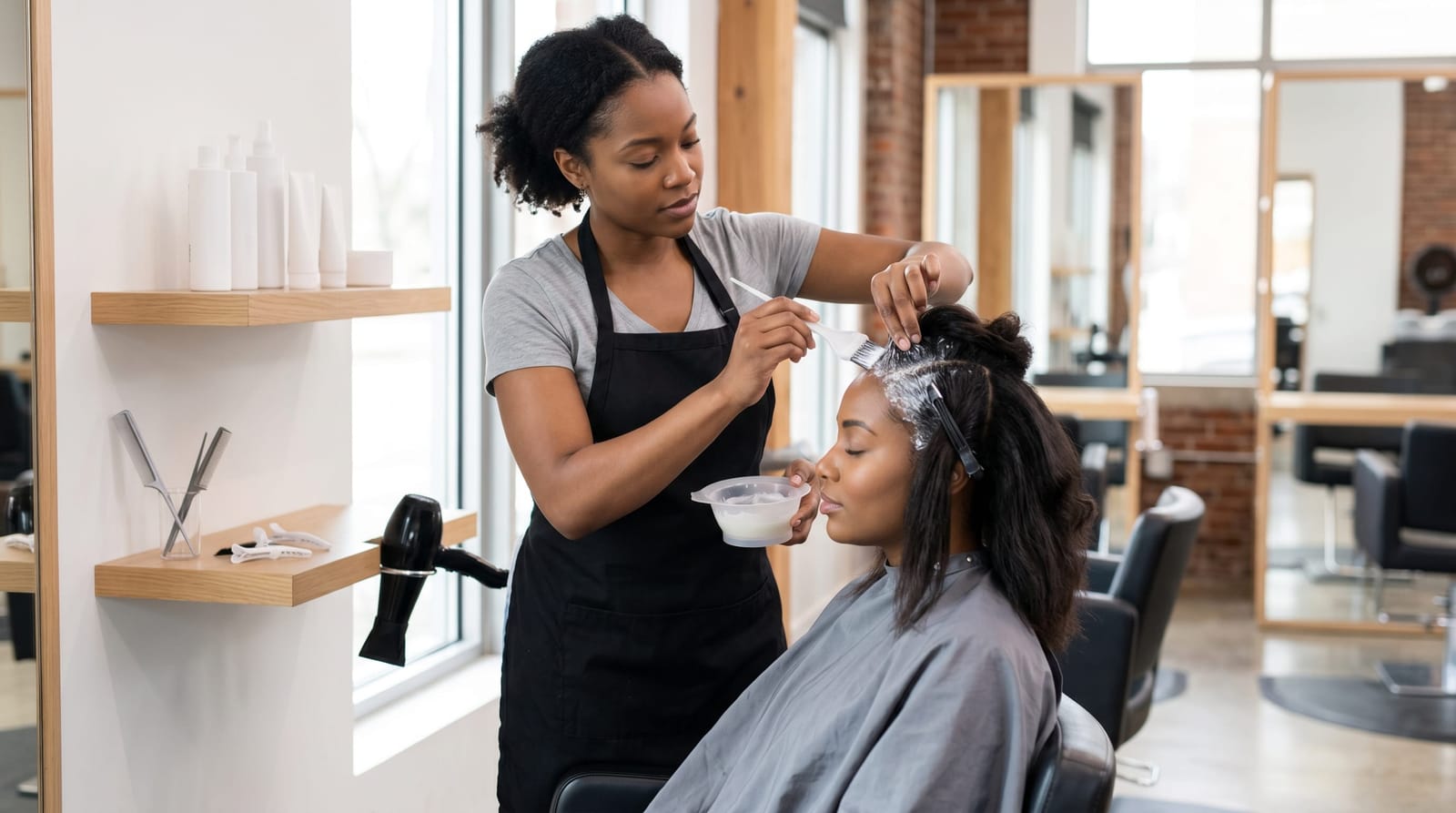
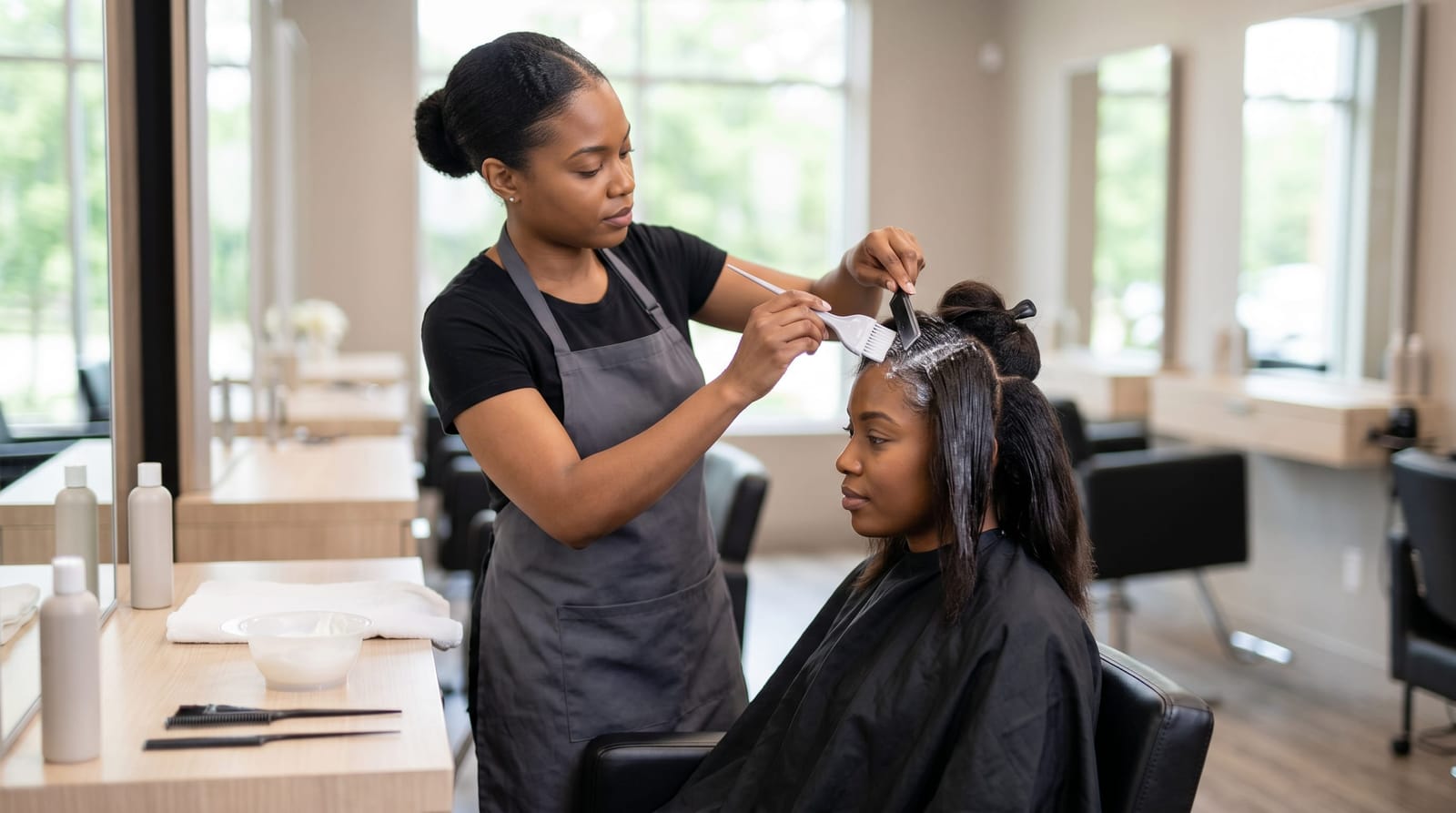
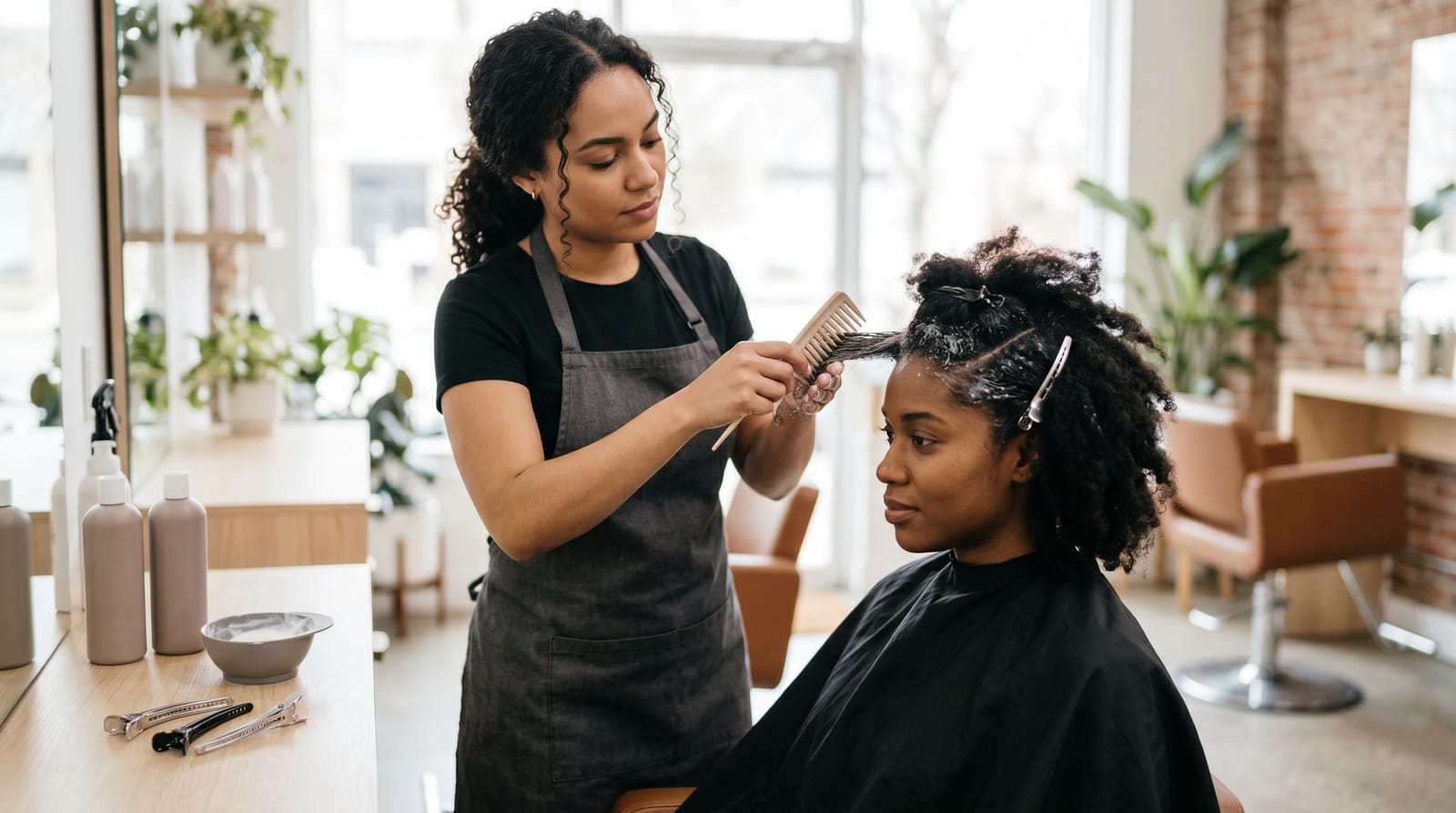
Texturizer vs Relaxer: Which is Right for Me?
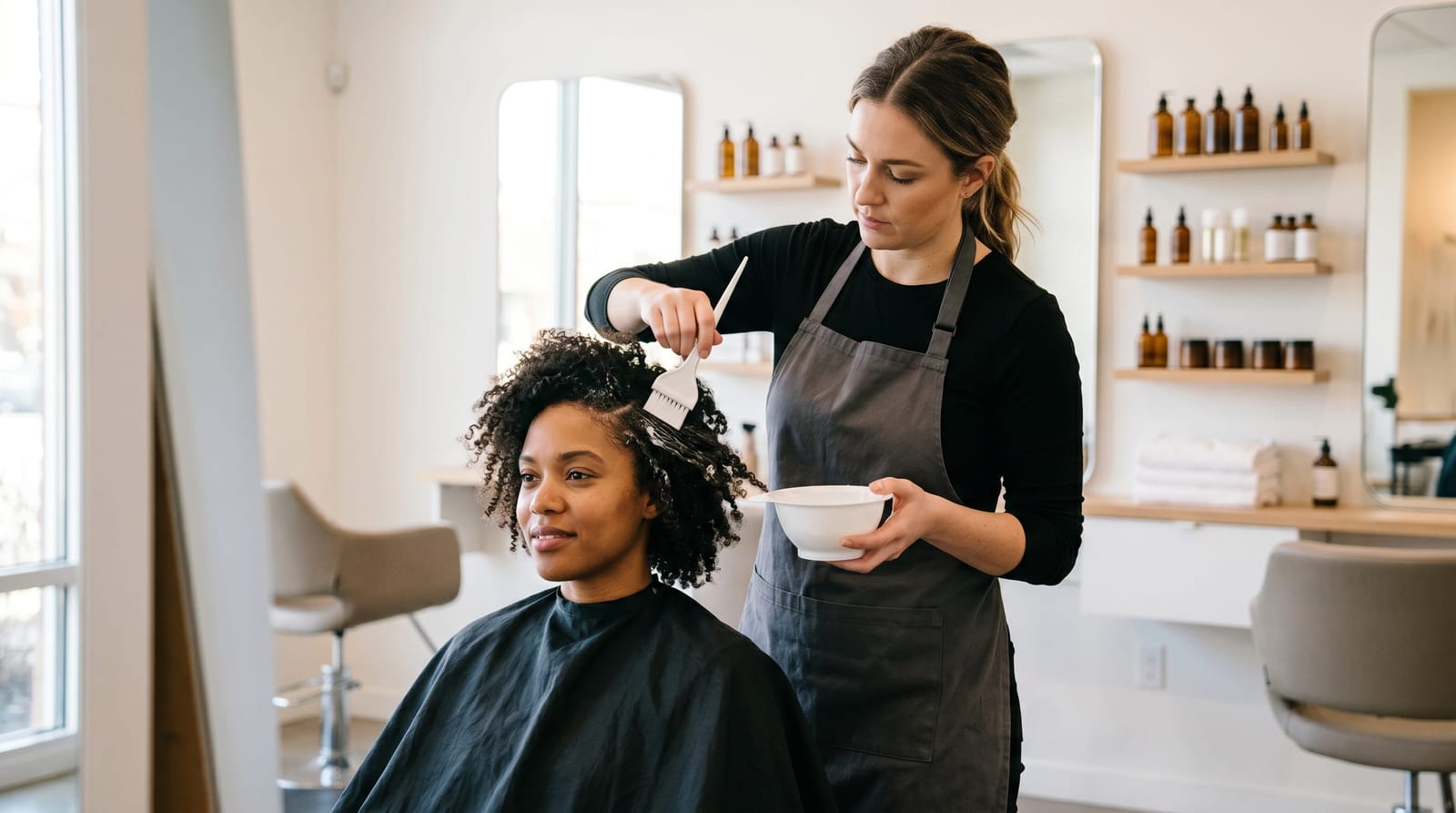
If you've been researching chemical hair services, you've likely come across the texturizer vs relaxer difference and wondered which option actually fits your hair goals. Both treatments use chemistry to alter your natural curl pattern, but the results, maintenance, and commitment levels are quite different. As part of understanding professional chemical hair processing, knowing exactly how a texturizer differs from a relaxer is one of the most important decisions you'll make for your hair. This guide breaks down both treatments honestly so you can walk into your next salon appointment with confidence.
Understanding the Core Texturizer vs Relaxer Difference
The most fundamental texturizer vs relaxer difference comes down to how much of your natural curl pattern is altered. Both treatments work by breaking down the disulfide bonds in your hair's protein structure, but the degree to which they do so is what sets them apart.
A relaxer is designed to permanently and completely straighten the hair. It processes long enough to fully break the protein bonds, neutralizing the hair in a straight position. The result is smooth, bone-straight hair with little to no curl memory remaining. Relaxers are strong, typically sodium hydroxide (lye) or guanidine-based (no-lye), and require precise application and timing to avoid over-processing.
A texturizer, on the other hand, uses the same class of chemicals but is applied for a shorter duration. Instead of fully straightening the hair, it gently loosens the curl pattern: transforming tight coils into softer, more manageable waves or looser curls. Think of the texturizer vs relaxer difference this way: a relaxer removes your curl pattern, while a texturizer simply relaxes it. If you love your natural texture but want less shrinkage and easier detangling, a texturizer gives you that middle ground.
Expected Results: What Will Your Hair Actually Look Like?
Setting realistic expectations is everything when choosing between a texturizer and a relaxer. The results you see will depend heavily on your starting curl pattern, hair density, and how the service is executed.
After a Relaxer
- Hair appears smooth and straight even when wet
- Minimal to no curl definition remains
- Easier to blow-dry and flat-iron to a sleek finish
- Volume and body may be reduced depending on hair type
- Results are permanent: new growth will be your natural texture
After a Texturizer
- Curls appear looser, softer, and more elongated
- Curl definition is still visible, especially when hair is moisturized
- Shrinkage is significantly reduced compared to untreated natural hair
- Hair is more responsive to wash-and-go styling
- Results are also permanent on treated strands: new growth retains your original pattern
One common misconception in the texturizer vs relaxer difference conversation is that texturizers are temporary. They are not. Both services permanently alter the treated hair. You'll see your original curl pattern return only as new hair grows in. This is why consulting with an experienced stylist at a trusted hair relaxer salon in the DMV before committing to either service is so important.
Damage Potential and Hair Health Considerations
Because the texturizer vs relaxer difference involves the same chemical family, neither treatment is completely without risk to your hair's integrity. However, the damage potential does differ in meaningful ways.
Relaxers, due to their longer processing time and stronger formulations, carry a higher risk of over-processing, scalp irritation, and breakage if not applied correctly. The hair's protein structure is more significantly disrupted, which means the margin for error is smaller. Improper overlapping of relaxer onto previously treated hair, a common mistake with at-home applications, is a leading cause of chronic breakage and thinning.
Texturizers are milder by design. The shorter processing time means less protein disruption, which generally translates to more resilient, healthier-feeling hair post-treatment. That said, texturized hair is still chemically processed hair and requires proper moisture-protein balance, protective styling, and regular deep conditioning to stay strong.
Both services should always be performed or supervised by a licensed cosmetologist. If you're also considering a smoothing option with less protein disruption, learning about keratin treatment benefits for natural hair may help you evaluate all your options before deciding.
Maintenance Requirements: Ongoing Commitment for Each Treatment
Your lifestyle and willingness to commit to upkeep is a major factor when weighing the texturizer vs relaxer difference. Both require consistent care, but the routines look different.
Relaxer Maintenance
Relaxed hair typically needs a touch-up every 8-12 weeks as new growth comes in. Waiting too long can create a line of demarcation, a fragile point where straight processed hair meets new natural growth, which is a common site of breakage. Relaxed hair benefits from regular protein treatments, moisturizing conditioners, and gentle handling. Avoid overlapping the chemical onto previously relaxed ends.
Texturizer Maintenance
Texturized hair also needs touch-ups every 8-12 weeks, though some clients with looser natural curl patterns can stretch this slightly longer. Because the goal is to maintain a specific level of curl looseness, consistency matters. Daily moisture, through leave-in conditioners and curl creams, keeps texturized curls defined and frizz-free. Many clients find that texturized hair is actually easier to style day-to-day than relaxed hair because it air-dries with natural definition.
How to Choose: Matching the Treatment to Your Hair Goals
Still unsure about the texturizer vs relaxer difference as it applies to your specific situation? Use these goal-based guidelines to help narrow it down.
- Choose a relaxer if: You want straight, smooth hair with minimal curl memory, you prefer heat-styled looks, and you're comfortable with a regimented touch-up schedule.
- Choose a texturizer if: You love your natural curl pattern but want more manageability, you prefer wash-and-go styles, or you want to reduce shrinkage without going fully straight.
- Consider neither if: Your hair is already color-treated, severely damaged, or has been recently over-processed. Layering chemical services without adequate recovery time significantly increases breakage risk.
- Consider a keratin treatment if: You want smoothing and frizz control without altering your curl pattern permanently: keratin is a non-restructuring option that washes out over time.
The best way to make this decision is during a thorough consultation with your stylist. A professional assessment of your hair's current condition, porosity, and history will guide the right choice far better than any online quiz.
Frequently Asked Questions
Can I switch from a texturizer to a relaxer later?
Yes, but it requires patience. Since both services are permanent on the treated hair, you'll need to wait for sufficient new growth before applying a relaxer. Applying a relaxer on top of texturized ends risks over-processing and breakage. Most stylists recommend waiting until you have at least 1.5-2 inches of new growth and that your hair has recovered sufficient strength before transitioning between the two treatments.
Is the texturizer vs relaxer difference significant enough to affect how I color my hair?
Yes. Both relaxers and texturizers should never be applied at the same time as permanent hair color. Both processes compromise your hair's protein bonds, and combining them dramatically increases the risk of severe breakage. Stylists generally recommend waiting at least two weeks between chemical services. Always disclose your full chemical history to your stylist before any service.
How long does each treatment actually take in the salon?
A relaxer service typically takes 2-3 hours including application, processing, neutralizing, and styling. A texturizer service is often slightly shorter: around 1.5-2.5 hours, because of the reduced processing time needed. First-time applications for either service may take longer as your stylist carefully evaluates your hair's response throughout the process.
Are at-home texturizer kits as effective as professional salon treatments?
At-home kits carry significant risk. The primary danger with DIY texturizer or relaxer applications is timing: leaving the product on even slightly too long converts a texturizer result into an unintended relaxer result, or causes over-processing and breakage. Professional stylists monitor the processing with trained eyes and can neutralize immediately when the desired looseness is achieved. For predictable, safe results, professional application is strongly recommended.
Making the Right Choice for Your Hair
The texturizer vs relaxer difference ultimately comes down to how much of your curl pattern you want to preserve. Relaxers deliver straight, smooth results with a strict maintenance routine. Texturizers offer a gentler, curl-friendly alternative with more styling flexibility. Both are permanent chemical services that require professional expertise and consistent aftercare. If you're ready to explore your chemical hair processing options with a licensed stylist, booking a consultation is your best first step toward hair that works for your life, not against it.