Texturizer Treatment: Gentle Curl Loosening Option
When exploring professional chemical hair processing services, from relaxers to keratin treatments, one option often gets overlooked despite being ideal for a wide range of clients: the texturizer hair treatment. If you love your natural curl pattern but want more manageability, less shrinkage, and better-defined texture, a texturizer may be exactly what you've been searching for. Unlike a full relaxer that straightens hair completely, a texturizer gently loosens your curl pattern while preserving much of your hair's natural character. In this guide, we'll cover exactly what a texturizer hair treatment is, how it works at a chemical level, who makes the best candidate, what to expect during the service, and how to maintain your results long-term.
What Is a Texturizer Hair Treatment?
A texturizer hair treatment is a chemical service that uses a mild relaxing formula, typically containing sodium hydroxide or guanidine hydroxide, applied for a shorter processing time than a traditional relaxer. The goal is not to eliminate your curl pattern entirely but to soften and loosen it by partially breaking the disulfide bonds in your hair's protein structure.
Think of it on a spectrum: natural hair sits at one end, a full straight relaxer at the other, and a texturizer hair treatment lands somewhere in the middle. The result is hair that retains visible wave or curl movement while becoming significantly more manageable, less prone to tangling, and easier to style in a variety of ways.
How Texturizers Work Chemically
The active ingredients in a texturizer hair treatment penetrate the cortex of each hair strand and break a portion of the disulfide bonds that give hair its curl shape. By neutralizing the process early, before all bonds are broken, the stylist locks in a looser curl pattern rather than a straight one. This is why processing time is everything with a texturizer; even a few extra minutes can push results closer to a relaxer outcome.
Texturizer vs. Styling Texturizers
It's worth clarifying a common point of confusion: a texturizer hair treatment performed in a salon is a permanent chemical service and should not be confused with styling products sometimes called "texturizers" or texture sprays that simply coat the hair surface for temporary volume and definition. Those styling products wash out. A professional chemical texturizer hair treatment permanently alters your hair structure until new growth comes in.
Texturizer vs. Relaxer: Understanding the Key Differences
Many clients come in unsure whether they want a texturizer hair treatment or a traditional relaxer. While both use similar chemistry, the outcomes, commitments, and maintenance routines differ significantly. For a complete breakdown, our dedicated guide on texturizer vs relaxer difference walks through every consideration side by side.
Here's a quick overview of where they diverge:
- Processing time: A texturizer hair treatment processes for 5-10 minutes; a relaxer typically processes for 15-25 minutes depending on hair texture and formula strength.
- End result: Texturizers leave a visible curl or wave pattern. Relaxers aim for straight, smooth results.
- Flexibility in styling: Texturized hair can still be worn in wash-and-go styles, twist-outs, and braid-outs. Relaxed hair is primarily styled straight or with heat.
- Shrinkage reduction: Both reduce shrinkage, but a texturizer hair treatment typically reduces it by 40-60% while preserving curl definition. A relaxer reduces shrinkage by 80-100%.
- Maintenance frequency: Both require touch-ups every 8-12 weeks as new growth appears, though texturized hair often has a more forgiving line of demarcation.
If you've considered a professional hair relaxer service but felt hesitant about losing all of your curl pattern, a texturizer hair treatment is often the perfect middle ground worth discussing with your stylist.
Ideal Candidates for a Texturizer Hair Treatment
Not every hair type will get the same results from a texturizer hair treatment, and understanding whether you're a good candidate is essential before committing to the service.
Hair Types That Benefit Most
A texturizer hair treatment works best on naturally coily and tightly curled hair types: commonly categorized as 3C through 4C on the hair typing scale. These textures have the most dramatic curl pattern transformation potential, going from tight coils to defined, springy curls or loose waves. The tighter the natural curl, the more noticeable the loosening effect will be.
Clients with 3A or 3B curl patterns may find that a texturizer hair treatment produces very subtle results, since the curl pattern is already relatively loose. In those cases, a stylist may recommend a different approach to achieve the desired outcome.
Lifestyle and Styling Goals
The best candidates for a texturizer hair treatment are those who:
- Want to retain their natural curl aesthetic while cutting down on detangling and styling time
- Prefer wash-and-go or low-manipulation styling routines
- Experience significant shrinkage that affects length retention and style longevity
- Find their natural texture difficult to manage without heavy product use
- Are not yet ready for the full commitment of a permanent straight relaxer
Hair Health Considerations
A texturizer hair treatment should only be applied to healthy, uncompromised hair. Clients with color-treated hair, particularly those who have recently bleached or highlighted, need a thorough consultation before proceeding. Overlapping chemicals on damaged hair can lead to breakage and integrity loss. A strand test and full consultation with a licensed stylist are always recommended before your first texturizer hair treatment.
What to Expect During a Professional Texturizer Service
Understanding the step-by-step process of a texturizer hair treatment helps set realistic expectations and ensures you feel comfortable from start to finish.
The Consultation
Every texturizer hair treatment should begin with a thorough consultation. Your stylist will assess your current hair texture, health, and history of chemical services. It's critical to disclose any previous relaxers, color treatments, or keratin services you've had, as overlapping chemicals without proper timing can cause serious damage.
Application Process
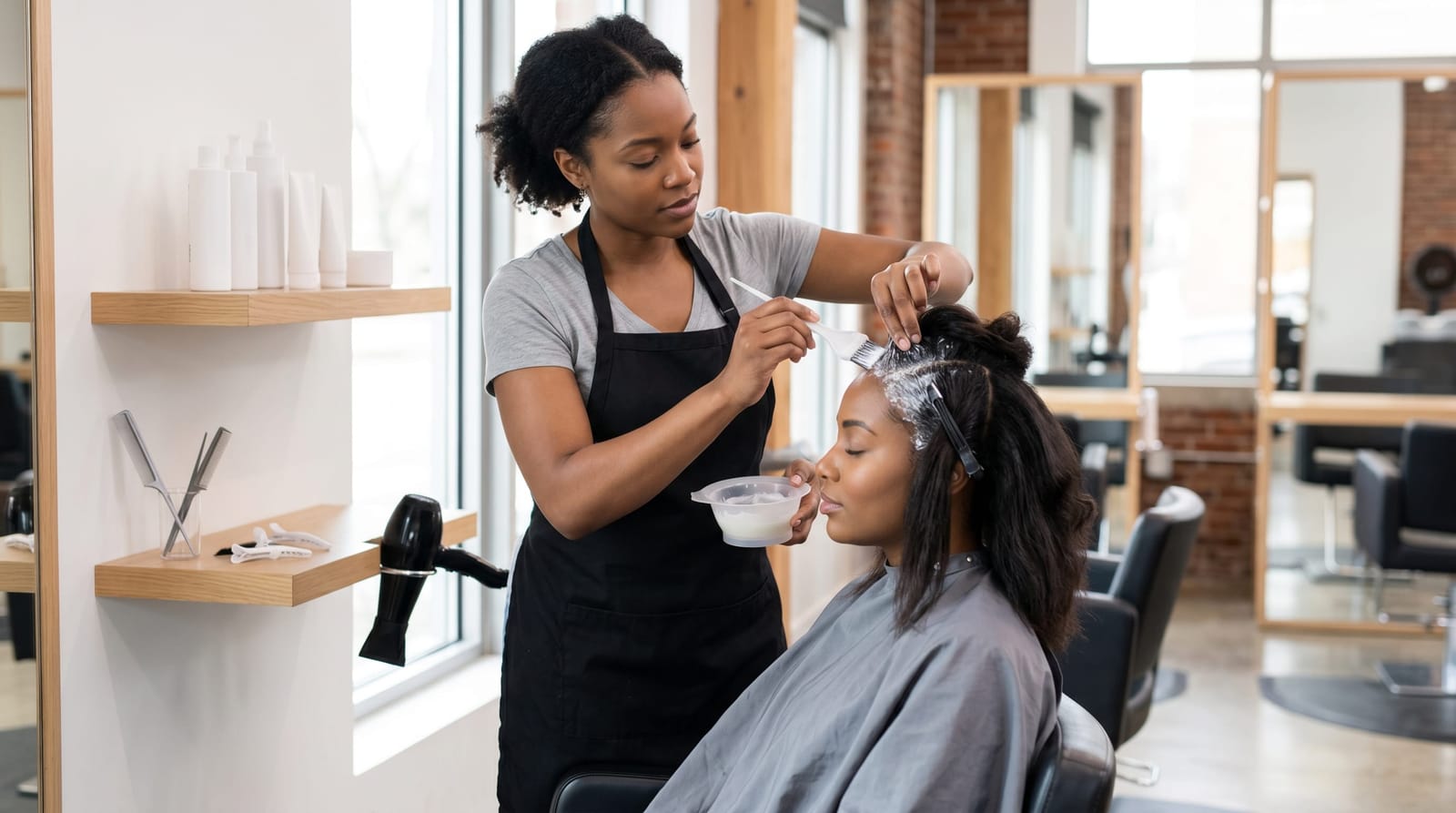
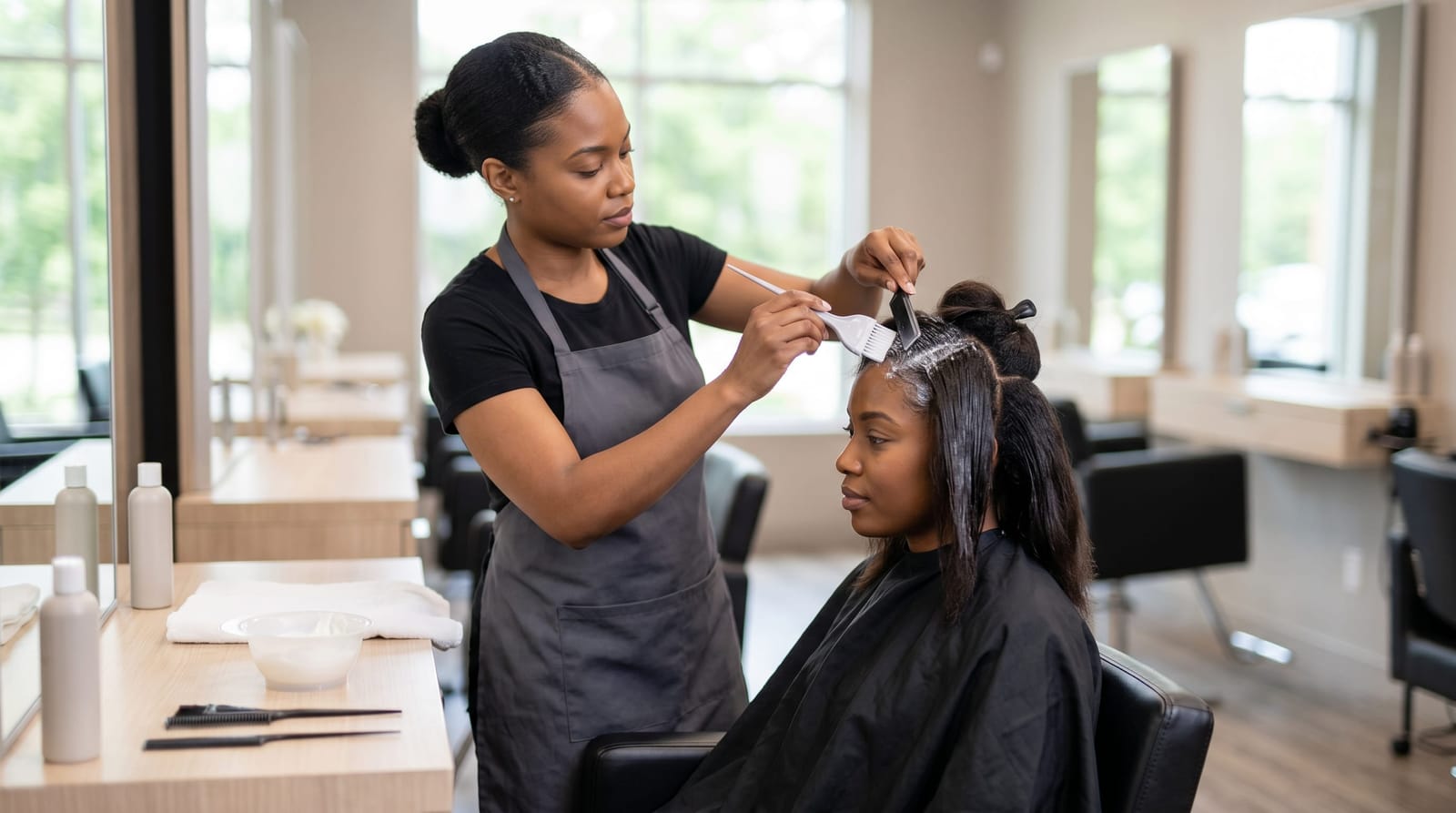
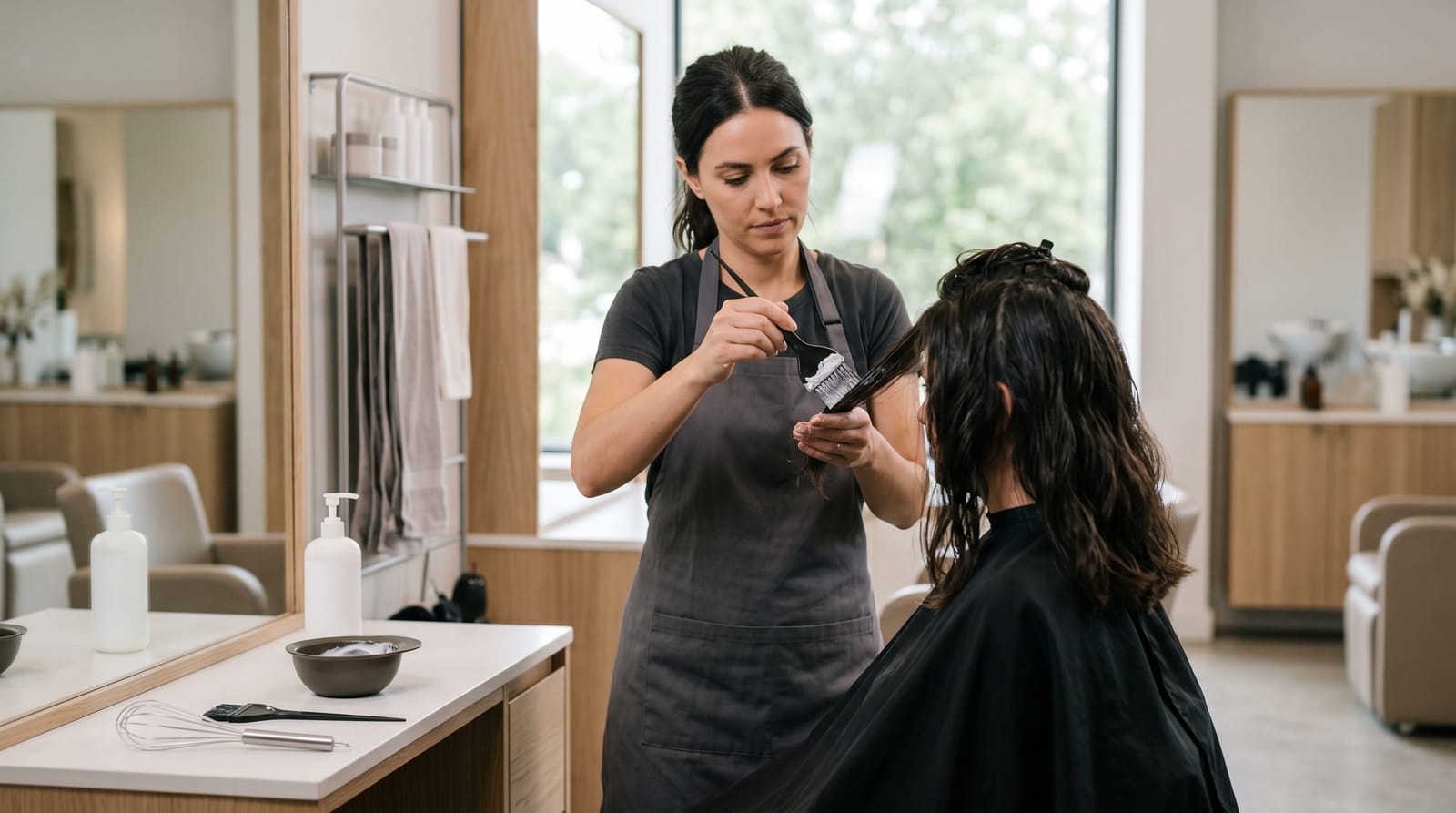
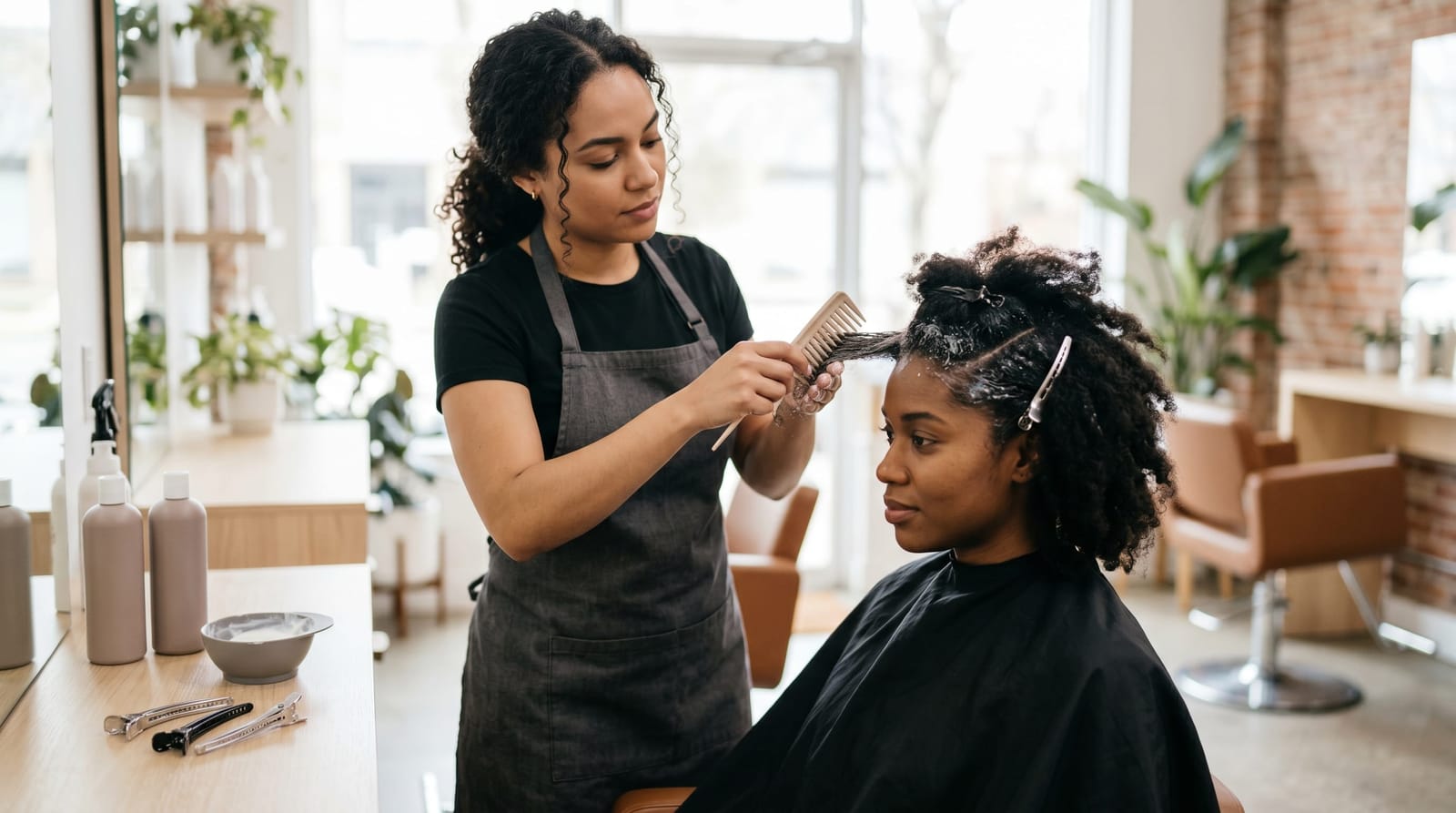
The stylist will apply a protective base cream around your hairline and ears to protect the skin, then apply the texturizer formula systematically through sections of your hair. Because timing is so precise with a texturizer hair treatment, your stylist will monitor the process closely, often checking curl pattern every couple of minutes by stretching a small section and observing how much the coil relaxes.
Neutralizing and Rinsing
Once the desired loosening is achieved, the hair is rinsed thoroughly and a neutralizing shampoo is applied. This step re-establishes the hair's pH balance and halts the chemical process, locking in your new texture. Rushing or skipping this step is a common cause of over-processing, so it should never be hurried.
Post-Treatment Conditioning
A deep conditioning treatment is standard after any texturizer hair treatment. The chemical process temporarily opens the cuticle, and intensive conditioning helps restore moisture, smooth the cuticle layer, and improve the overall feel and strength of the hair immediately after the service.
Maintaining Texturized Hair: Long-Term Care Tips
The results of a texturizer hair treatment are only as lasting as the maintenance routine that follows. Chemically processed hair has different needs than natural hair, and a consistent care regimen makes a significant difference in health, appearance, and longevity of your style.
Moisture Is Non-Negotiable
Chemically treated hair is more porous and loses moisture more quickly than untreated hair. After a texturizer hair treatment, hydrating shampoos, weekly deep conditioners, and leave-in moisture products should become non-negotiable staples in your routine. Look for formulas containing humectants like glycerin and aloe vera alongside sealing oils like jojoba or castor oil.
Avoid Overlapping Chemicals
One of the most common causes of breakage in texturized hair is applying new texturizer over previously treated strands. Always work only on new growth during touch-up appointments. A professional stylist will carefully section and apply product to untreated roots only, protecting the integrity of already-processed hair.
Protective Styling and Manipulation
Low-manipulation styles like twist-outs, braid-outs, and updos extend the time between wash days and reduce mechanical stress on the hair shaft. Sleeping on a satin pillowcase or using a satin bonnet also helps preserve moisture and reduce friction-related breakage overnight.
Trim Schedule
Regular trims every 8-12 weeks help remove any dry or split ends that develop at the point of demarcation, where treated hair meets new natural growth. Keeping ends healthy prevents breakage from traveling up the hair shaft.
For a complete guide on caring for your hair after any chemical service, our upcoming post on chemical treatment aftercare and maintenance will cover everything you need to build a long-term healthy hair routine.
Related Texturizer Topics Worth Exploring
If you're still weighing your options or want to go deeper on any aspect of the texturizer hair treatment experience, there are several detailed topics that complement this guide:
- Our in-depth comparison of texturizer vs relaxer difference helps you make the most informed decision for your hair goals and lifestyle.
- If smoothing and frizz control are your primary concerns rather than curl loosening, our upcoming post on keratin treatments covers that side of the chemical processing spectrum.
- Interested in what a full straightening service looks like? Our guide to professional hair relaxer service walks through the complete relaxer process, results, and candidacy.
Conclusion: Is a Texturizer Hair Treatment Right for You?
A texturizer hair treatment offers a thoughtful middle path for clients who want the manageability benefits of chemical processing without sacrificing the beauty of their natural curl pattern. When performed by a skilled, licensed stylist and followed by a consistent moisture-focused maintenance routine, texturized hair can be healthy, vibrant, and incredibly versatile. The key is entering the process with clear expectations, a thorough consultation, and a commitment to proper aftercare.
If you're in the DMV area and curious whether a texturizer hair treatment is the right choice for your texture and lifestyle, book a consultation with our team today. We'll assess your hair's current health, discuss your styling goals, and create a personalized chemical service plan that works for you.