How Often Should You Take a Break Between Braid Styles?
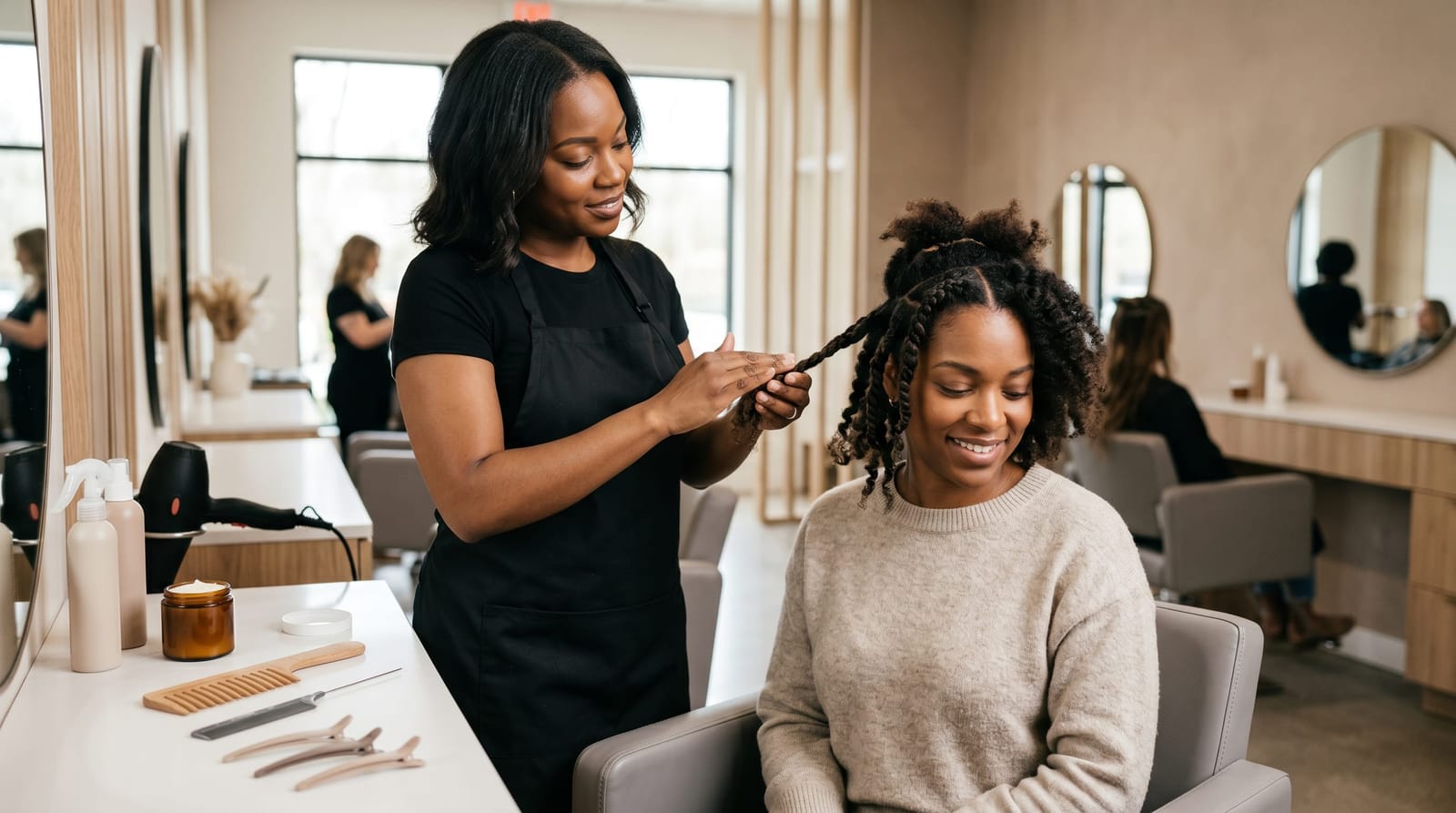
If you love protective styles, you already know how much braids can do for your hair: less daily manipulation, more versatility, and a gorgeous look that lasts for weeks. But one of the most important parts of a healthy protective styling routine is actually the time between installs. Knowing the right rest period, sticking to a smart deep conditioning frequency schedule, and giving your scalp a real chance to recover can make the difference between thriving natural hair and hair that feels exhausted. Here's what you need to know.
Why Rest Periods Between Braids Matter More Than You Think
It's tempting to book your next braid appointment the same week your current style comes down. The takedown process can feel like a fresh start, and jumping right back in seems efficient. But your hair and scalp have been working hard. For the four to eight weeks your braids were in, your strands experienced tension, reduced airflow, and a buildup of shed hair that needs to be properly released.
Hair experts and stylists who specialize in natural and protective styles generally recommend a rest period of at least two to four weeks between braid installations. For clients whose hair shows signs of tension, dryness, or scalp sensitivity, a four to six week break is often more appropriate. That window isn't downtime: it's active recovery time. It's when your deep conditioning frequency schedule does its most important work, when your scalp rebalances its natural moisture levels, and when your edges get a chance to rest from the weight and pull that even a well-done style creates.
At Kabelly Salon, the team regularly sees clients who've been cycling through protective styles back-to-back without a real break. The results are always the same: hair that's lost its elasticity, scalp that feels tight or tender, and a texture that no longer responds the way it used to. A little patience between styles goes a long way.
What a Smart Deep Conditioning Frequency Schedule Actually Looks Like
Your post-braid rest period is only as effective as what you do during it. Deep conditioning is the cornerstone of in-between care, and the right frequency depends on your hair's current state, not just a general rule.
Here's a practical framework based on how your hair feels after braid removal:
- Every 1 to 2 weeks: Recommended for hair that feels brittle, overly dry, or shows signs of breakage after takedown. This is your intensive recovery phase, and a professional deep conditioning treatment at the salon can jumpstart the process significantly.
- Every 2 to 4 weeks: A solid deep conditioning frequency schedule for hair that feels dry or dull but isn't actively breaking. Most natural hair clients fall into this range during their rest period.
- Every 4 to 6 weeks: Better suited for finer hair types that can be weighed down by too-frequent conditioning. Even if your hair feels okay, skipping this step entirely during your break isn't recommended.
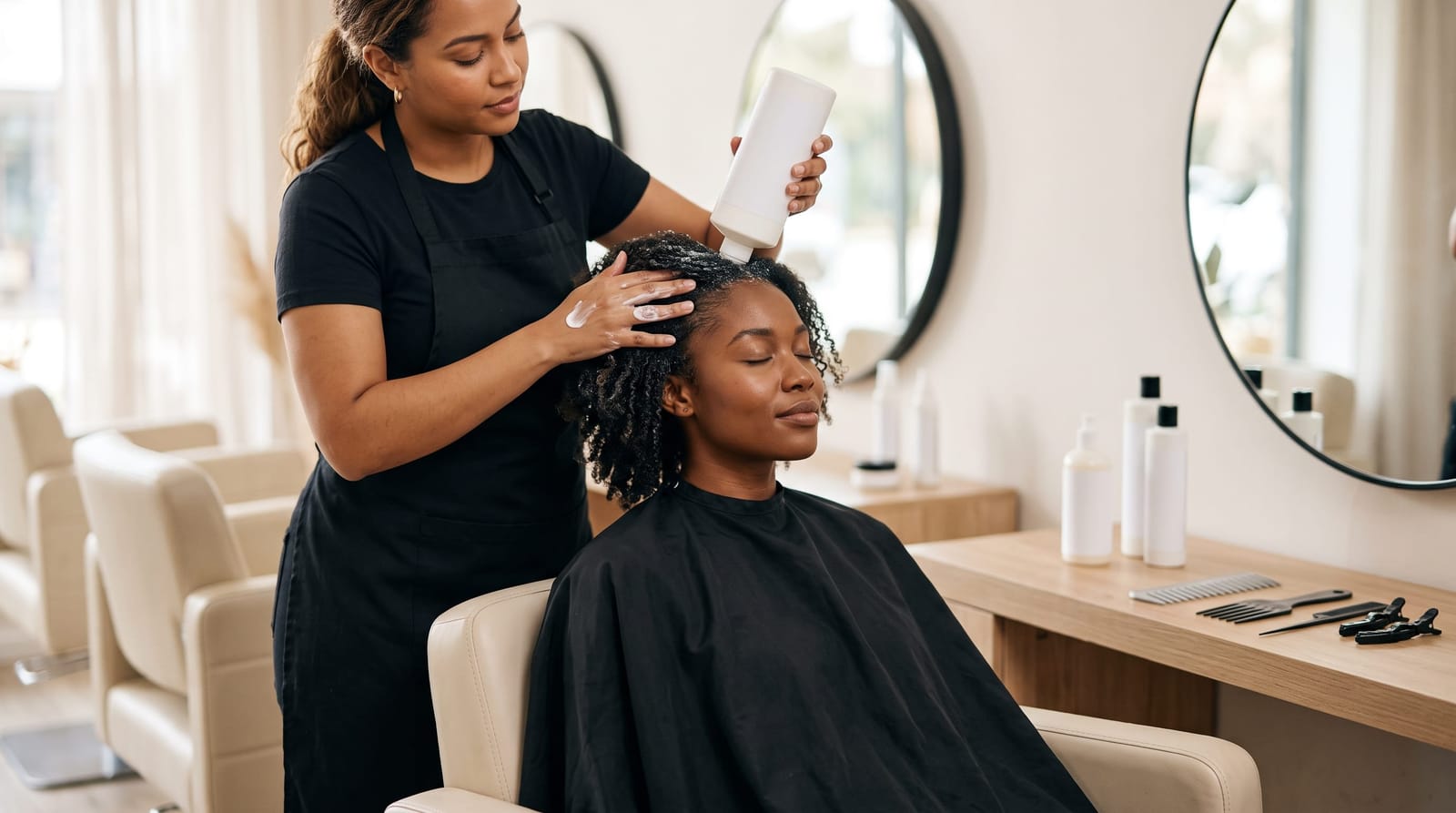
Research consistently shows that weekly deep conditioning helps curly and natural hair maintain elasticity and reduce breakage, which is exactly what post-braid hair needs most. For the two to four weeks between your styles, committing to at least two to three professional or at-home deep conditioning sessions can meaningfully restore your hair's moisture balance before you install a new style.
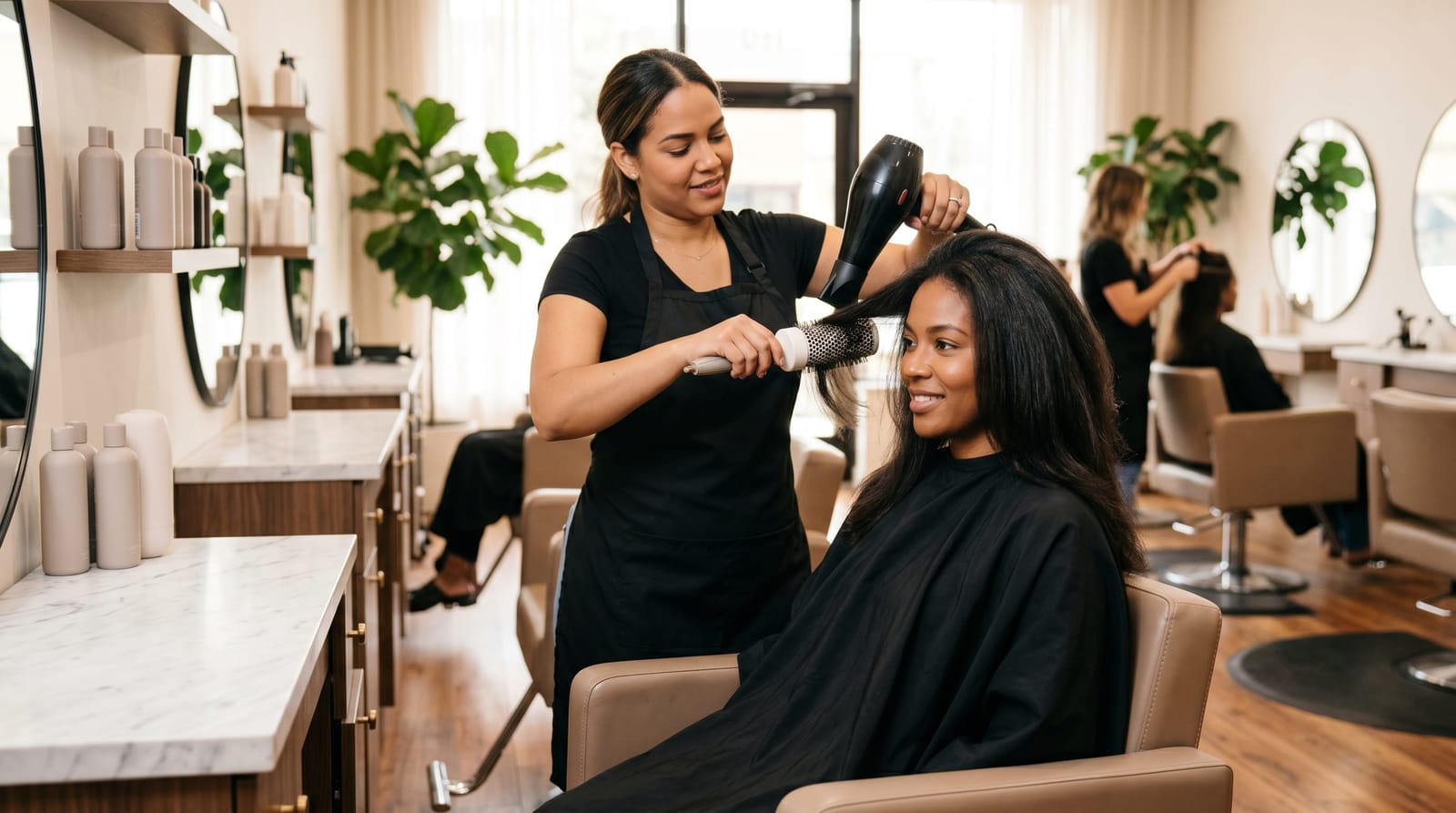
At Kabelly, a professional blow out for braids combines the deep detangle, gentle stretch, and conditioning treatment your hair needs all in one session: giving your strands the reset they deserve before the next install.
Signs That Your Hair Is Telling You to Wait Longer
Your hair communicates clearly: you just have to know what to listen for. Certain signs indicate that your standard two-week rest period isn't enough and that you should extend your break before reinstalling.
Watch for these signals:
- Excessive shedding or breakage during detangling: Some shed hair is completely normal after weeks in braids: that's hair your scalp held onto during the style. But if you're seeing significant snapping or breakage (not just shed strands with a white root bulb), that's a sign your hair needs more recovery time and a more consistent deep conditioning frequency schedule.
- Scalp tenderness or irritation that lingers: If your scalp still feels sore or sensitive more than a week after braid removal, it's not ready for another installation. Tension too soon on a tender scalp can lead to more discomfort and visible thinning over time.
- Loss of curl definition or elasticity: When your natural pattern feels flat, limp, or less defined than usual, your moisture levels are depleted. No braid style, no matter how beautiful, will thrive on a foundation of dry, low-elasticity hair.
- Thinning or sparse edges: This is one of the most important signs to take seriously. If you notice your edges looking thinner or less dense after a takedown, your rest period should be extended to at least six weeks, with targeted care and scalp massages included throughout.
If you're noticing any of these signs consistently after your braid styles, it may be worth reviewing what are the signs that your hair needs a break from braids for a deeper look at how to recognize protective style overuse before it becomes a bigger issue.
How Kabelly's Hair Health Assessments Help You Build a Safer Styling Schedule
One of the most valuable things Kabelly Salon offers isn't just a service: it's a conversation. Before recommending your next install timeline, the stylists at Kabelly take a personalized approach to assessing where your hair actually is, not just where you want it to be.
A hair health assessment at Kabelly looks at several key factors:
- Hair porosity: High-porosity hair loses moisture quickly and typically needs a more aggressive deep conditioning frequency schedule, every one to two weeks, to stay balanced between styles. Low-porosity hair holds moisture well but can become product-saturated if over-conditioned, making a two to four week schedule more appropriate.
- Scalp health: A healthy scalp is the foundation of a healthy braid style. If your scalp shows signs of buildup, dryness, or sensitivity, your stylist may recommend a scalp treatment as part of your rest period protocol.
- Styling history: How long was your last style in? How many consecutive installs have you done? These details help Kabelly's team recommend a realistic rest period rather than a generic one.
- Current hair density and edge health: Visible changes in density around your hairline are taken seriously. Kabelly stylists are trained to notice these early markers and guide you toward a safer schedule before more significant changes occur.
This kind of thoughtful assessment is what makes the difference between styling for appearance and styling for long-term hair health. At Kabelly, both matter equally.
Making the Most of Your Rest Period: A Simple Week-by-Week Guide
Two to four weeks feels like a long time when you love being in braids. But a structured approach makes the rest period feel intentional rather than like waiting. Here's a simple framework:
- Week 1: Professional Blow Out and Deep Condition: Book your blow out for braids appointment at Kabelly immediately after takedown. This removes shed hair, gently stretches your curl pattern, and includes a professional conditioning treatment to jumpstart your recovery. Your deep conditioning frequency schedule effectively begins here.
- Week 2, At-Home Deep Conditioning Session: Follow up with an at-home mask or treatment mid-rest period. Focus on moisture-based conditioning if your hair feels dry, or a balanced protein-moisture treatment if your strands feel weak.
- Week 3: Scalp Care and Light Styling: Give your scalp some attention with gentle massages and a lightweight scalp oil. Wear your natural hair in loose, low-manipulation styles to continue the recovery without adding tension.
- Week 4: Pre-Install Assessment: Check in with how your hair feels. Is your curl pattern bouncing back? Does your scalp feel comfortable? Are your edges looking healthy? If yes, you're likely ready to discuss your next install. If not, extend your rest by another week or two and add one more deep conditioning session.
Frequently Asked Questions
How long should I wait between braid styles?
Most hair care professionals recommend a rest period of two to four weeks between braid installations. If your hair shows signs of tension, dryness, or edge thinning, a four to six week break is more appropriate. The goal is to allow enough time for at least two to three deep conditioning sessions, scalp recovery, and a full moisture reset before applying new tension to your strands.
How often should I deep condition my hair between braid installs?
Your deep conditioning frequency schedule during the rest period depends on your hair's condition. Hair that feels brittle or is showing breakage benefits from conditioning every one to two weeks. Dry but otherwise healthy hair responds well to every two to four weeks. Fine or low-porosity hair types typically do best with conditioning every four to six weeks. A professional assessment can help you find the right frequency for your specific hair.
Is it bad to go back into braids right after taking them out?
Reinstalling braids immediately after a takedown doesn't give your scalp or strands time to recover from weeks of tension and low airflow. Over time, back-to-back installs without rest can contribute to reduced elasticity, scalp sensitivity, and thinning around the hairline. Taking even two weeks between styles, with a professional blow out and conditioning session, makes a meaningful difference in your hair's long-term health.
What does a hair health assessment at Kabelly involve?
Kabelly's hair health assessments are a personalized conversation and hands-on evaluation of your hair's current condition, including porosity, scalp health, styling history, and edge density. Based on what the stylist observes, they'll recommend a realistic rest period, a tailored deep conditioning frequency schedule, and a safe timeline for your next protective style install.
The Bottom Line on Rest Periods and Conditioning Schedules
Your protective styles are only as strong as the foundation beneath them. A consistent deep conditioning frequency schedule, a rest period of at least two to four weeks between installs, and a professional blow out after braid removal give your hair the recovery it needs to stay healthy and resilient long-term. Braids are a beautiful, versatile choice, and with the right care in between, they can stay that way for years. Kabelly's team is here to help you build a schedule that works for your hair, your lifestyle, and your goals.