How Long Does Hair Color Last on Textured or Relaxed Hair?
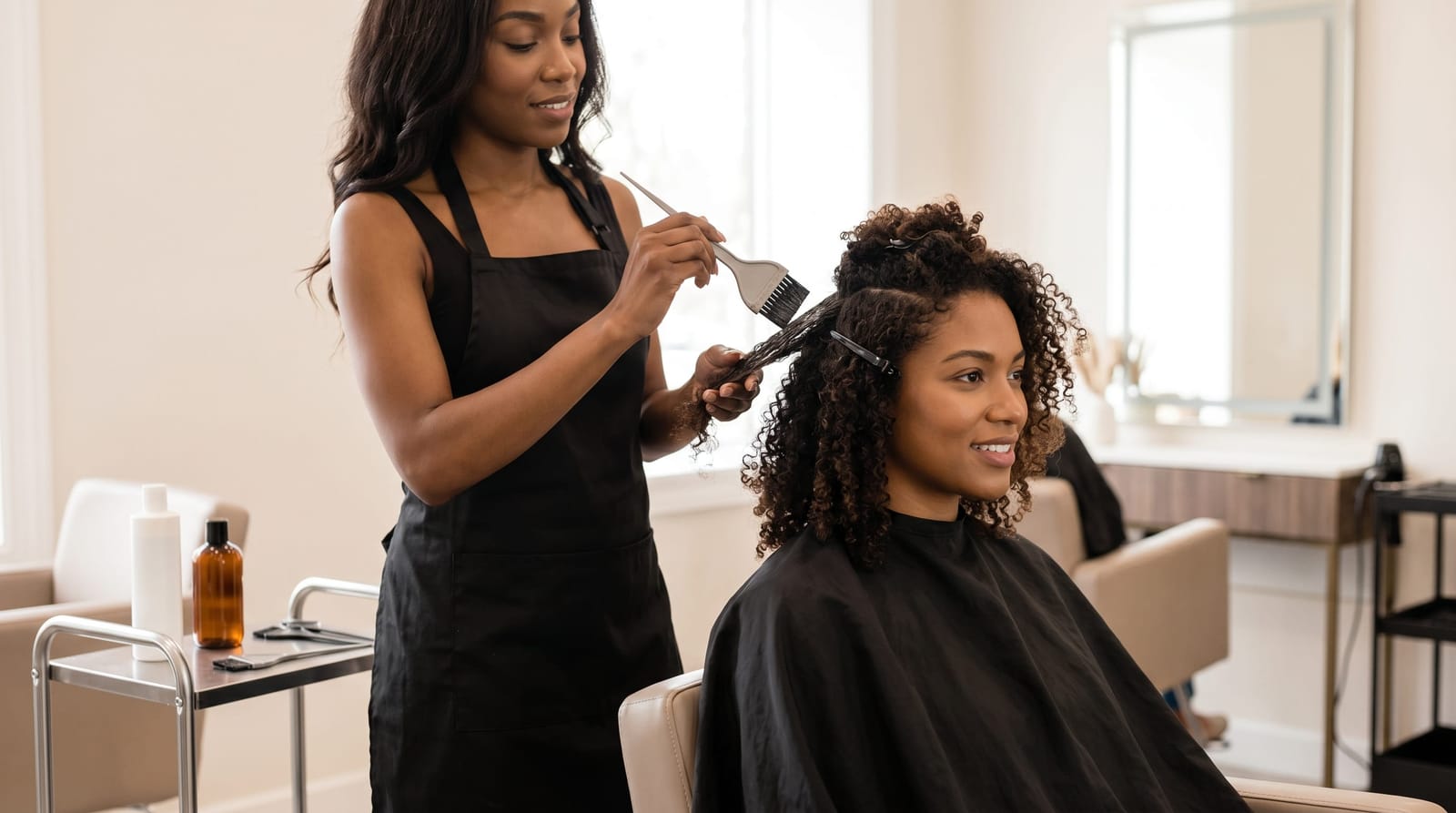
If you've ever walked out of the salon with a gorgeous new color only to watch it fade faster than expected, you're not alone, and you're not imagining it. Hair color duration and longevity can vary significantly depending on your hair's texture, porosity, and chemical history. For African American and Hispanic women in the DMV with naturally textured or relaxed hair, understanding why color behaves the way it does makes all the difference between a shade that stays vibrant for weeks and one that washes away too soon. Here's what you need to know.
How Long Hair Color Actually Lasts: The Basics
Not all hair color is created equal, and the type of color used plays a major role in how long it holds. In general, here's what you can expect:
- Permanent hair color lasts approximately 6 to 12 weeks, depending on your hair's condition and how well it's maintained at home.
- Demi-permanent color typically lasts around 20 to 24 washes, making it a great mid-range option for clients who want commitment without a fully permanent result.
- Semi-permanent color can last anywhere from 4 to 6 weeks with moderate washing, but for those washing daily, color can begin fading in as little as 1 to 2 weeks.
These timelines are solid starting points, but for textured and relaxed hair, they're only part of the story. Hair color duration and longevity on melanin-rich, chemically processed, or naturally coily hair is shaped by a set of factors that go well beyond what type of dye is used. Understanding those factors is the key to keeping your color looking fresh and intentional, not washed out.
Why Textured and Relaxed Hair Affects Color Retention Differently
Porosity: The Biggest Factor Most Clients Don't Know About
Porosity refers to how easily your hair absorbs and holds moisture, and color. Hair with high porosity (which is common in chemically relaxed, heat-styled, or previously colored hair) absorbs color quickly but also releases it just as fast. This is why some clients notice their color looking rich right after the service but significantly lighter just a few weeks later.
Naturally coily and kinky hair textures can also have uneven porosity across different sections of the same head, which means color may deposit and fade at different rates in different areas. This isn't a flaw: it's simply how this hair type behaves, and it's something an experienced colorist accounts for during the formulation process.
Chemical Processing History
If your hair has been relaxed, texturized, or previously colored, its internal structure has already been altered. The cuticle layers, which are responsible for sealing in color, may be more lifted or weakened than on hair that's never been chemically treated. This means color enters the hair shaft more easily but also exits more easily, directly impacting hair color duration and longevity.
This isn't a reason to avoid color: it's a reason to work with a colorist who understands how to formulate specifically for chemically processed hair and who can recommend the right toning, conditioning, and sealing steps to extend the life of your color.
Curl Pattern and Cuticle Structure
Tightly coiled and curly hair naturally has a more complex cuticle structure than straight hair. The cuticle layers don't lie as flat, which means color can be more difficult to deposit evenly, but it also means that when the right formulation and technique are used, the results can be beautifully dimensional and long-lasting. Working with a colorist experienced in textured hair ensures the formula, processing time, and application technique are all tailored to your specific curl pattern and density.
What Speeds Up Color Fading (And How to Slow It Down)
Beyond hair type, everyday habits have a significant impact on how long your color stays vibrant. Here are the most common reasons color fades faster than it should, and what to do instead:
- Washing too frequently: Washing your hair daily is one of the fastest ways to strip color. Reducing wash days to 2 to 3 times per week can more than double your color's lifespan.
- Hot water: Hot water opens the hair cuticle and allows color molecules to escape. Rinsing with cool or lukewarm water helps seal the cuticle and lock in color.
- Sulfate-based shampoos: Regular shampoos with sulfates are too harsh for color-treated hair and accelerate fading significantly. Switching to a color-safe shampoo and conditioner formulated for textured hair is one of the simplest ways to extend your color's vibrancy.
- Sun exposure: UV rays break down the pigment molecules in hair color. Wearing a hat or using a UV-protectant hair product during extended sun exposure helps preserve your color between salon visits.
- Skipping deep conditioning: Textured and relaxed hair that lacks moisture has a harder time retaining color. A weekly deep conditioning treatment keeps the cuticle healthy and better able to hold pigment.
If you've ever wondered why your hair color fades so fast, the answer is almost always a combination of two or three of the factors listed above, and the good news is that most of them are completely within your control.
How Professional Color Formulation Maximizes Longevity
One of the most important things a professional colorist brings to the table isn't just skill with a brush: it's the ability to read your hair's condition and formulate a color that works with your hair's specific needs rather than against them.
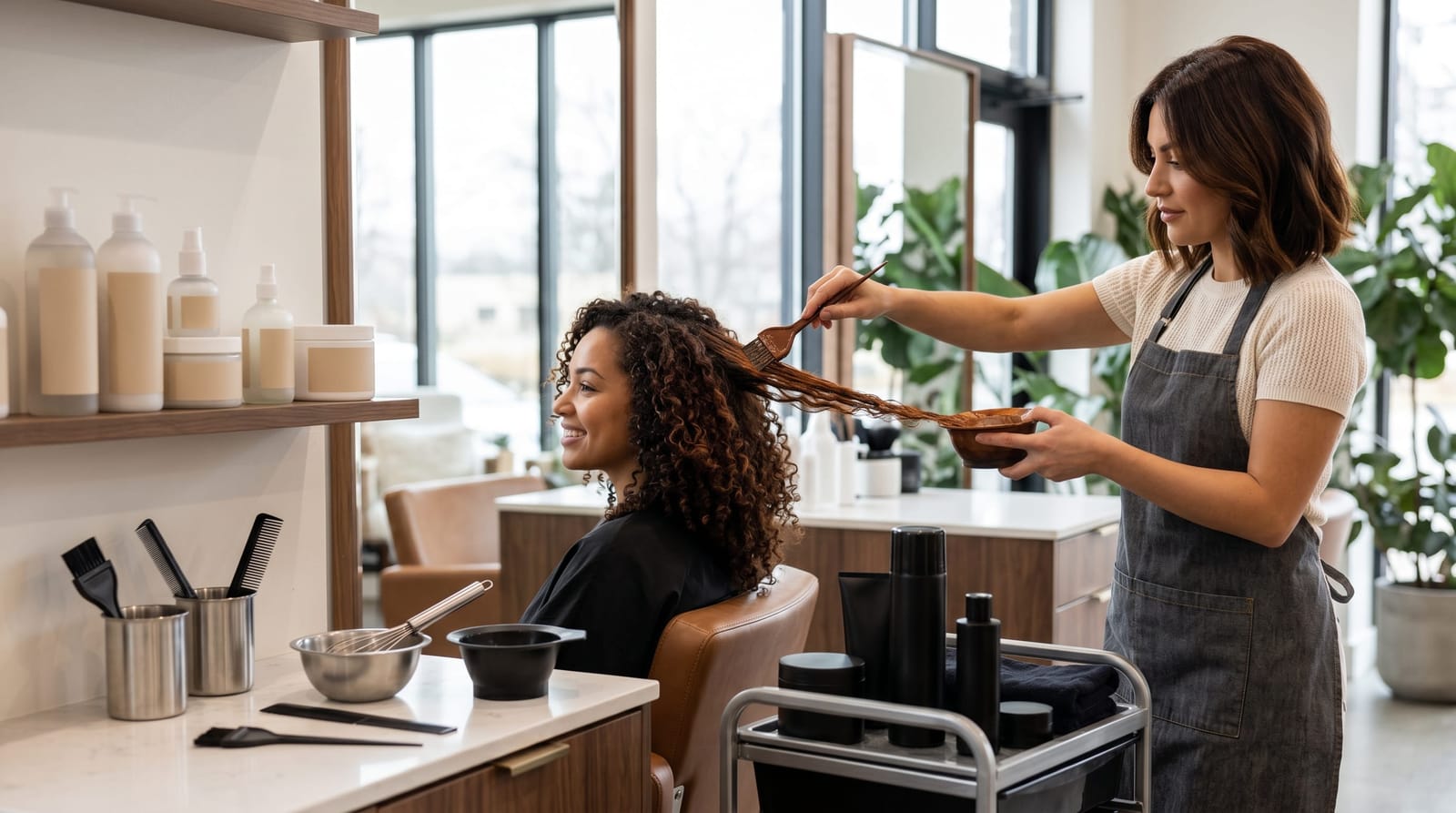
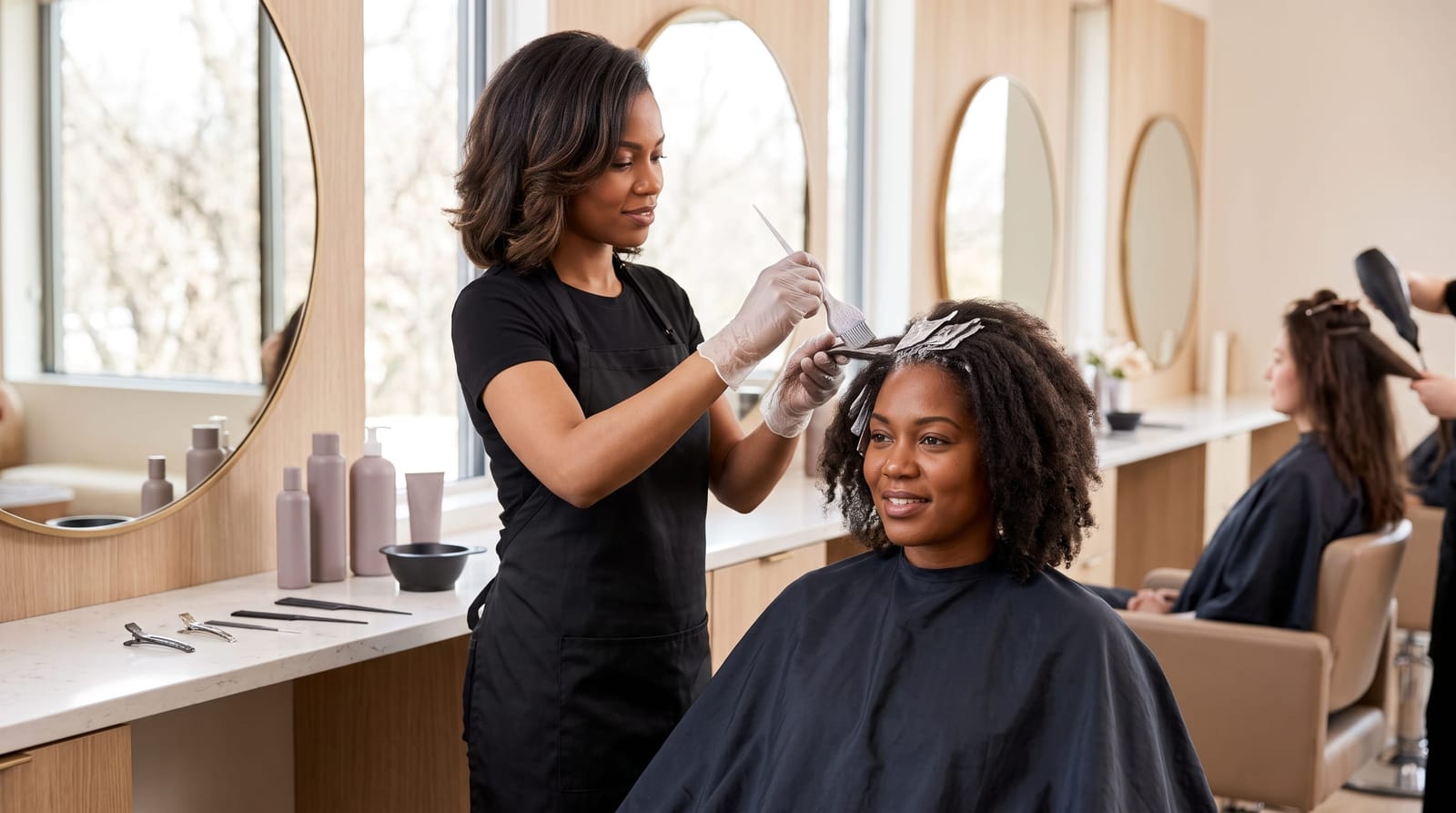
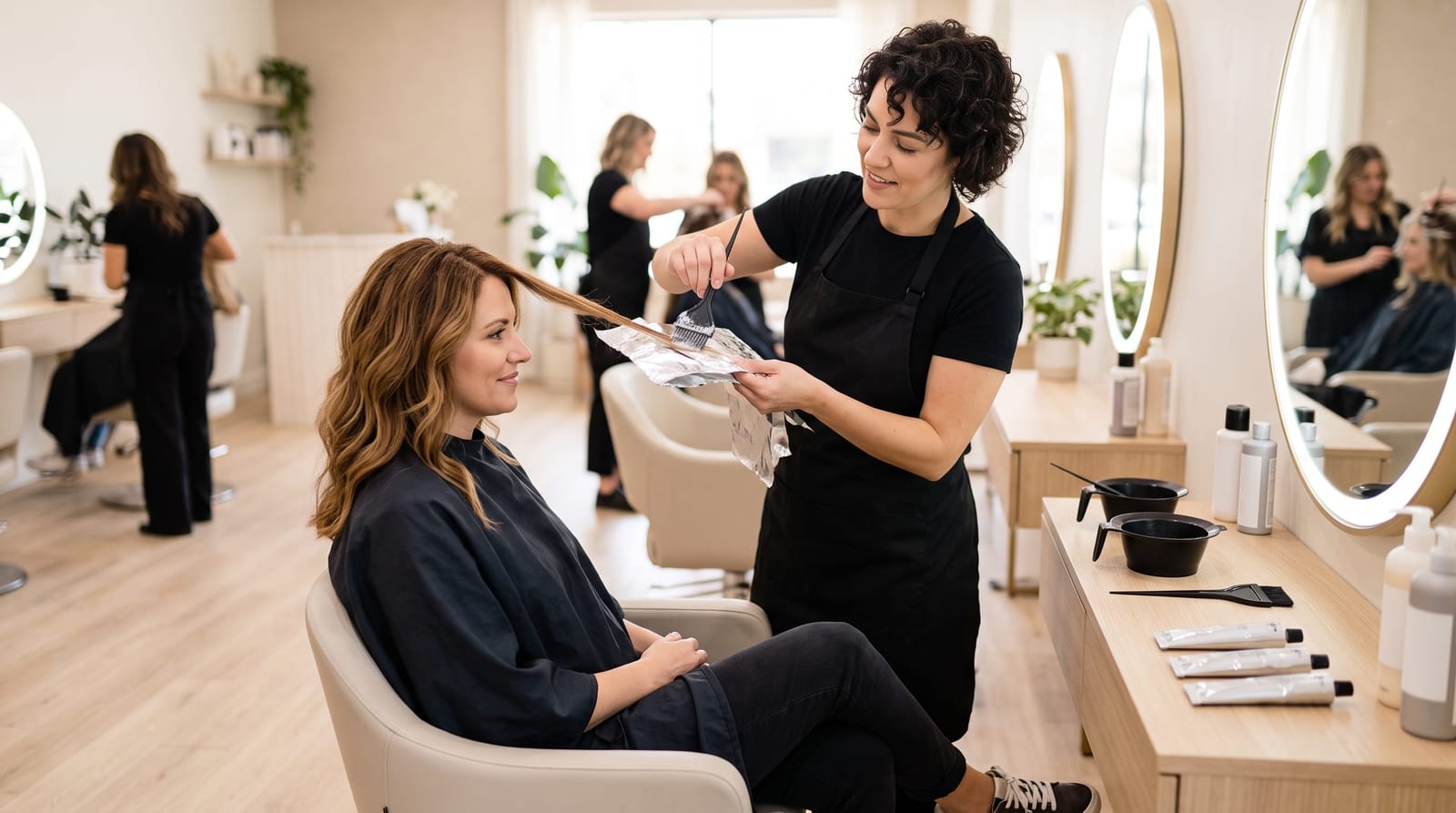
At Kabelly Salon, the color consultation process involves assessing your hair's porosity level, current chemical processing history, natural texture, and your lifestyle before any color is applied. For highly porous or relaxed hair, this might mean adjusting the developer strength, incorporating a bond-protecting treatment during the color service, or choosing a demi-permanent formula that deposits beautifully without further stressing the hair shaft.
Professional color services also include finishing steps, like a color-sealing gloss or toning rinse: that close the cuticle after processing and dramatically improve how long your color holds. These finishing steps are often skipped in at-home color applications, which is one reason professional color consistently outlasts box dye results. Clients with relaxed or textured hair can realistically expect vibrant color that lasts 6 to 8 weeks or longer when the service is formulated correctly and followed by an intentional at-home routine.
At-Home Maintenance Tips to Extend Your Color Between Visits
The salon service is just the beginning. What you do at home between appointments makes up the majority of your color's lifespan. Here's a simple routine that supports color longevity for textured and relaxed hair:
- Use a sulfate-free, color-safe shampoo every time you wash: no exceptions.
- Follow every wash with a moisturizing conditioner designed for color-treated hair.
- Deep condition once a week to maintain cuticle integrity and moisture balance.
- Apply a leave-in conditioner or hair oil after washing to help seal the cuticle and reduce color bleed.
- Protect your hair at night with a satin or silk bonnet or pillowcase to minimize friction and moisture loss.
- Limit heat styling when possible, and always use a heat protectant when you do style with tools.
These steps won't just preserve your color: they'll also keep your hair feeling healthy, moisturized, and strong between appointments.
Frequently Asked Questions
How long does permanent hair color last on relaxed hair?
Permanent hair color generally lasts 6 to 12 weeks, but on relaxed hair, which tends to have higher porosity, the lower end of that range is more common without a strong at-home maintenance routine. With the right color-safe products and care habits, many clients with relaxed hair maintain vibrant color for 8 weeks or more before needing a refresh.
Does natural textured hair hold color better than relaxed hair?
It depends more on porosity than on whether hair is natural or relaxed. Healthy natural hair with low to medium porosity can hold color quite well. However, highly porous natural hair, often the result of frequent heat styling or previous color treatments, may fade at a similar rate to relaxed hair. Your colorist can assess your specific porosity level before recommending the best color formula for your hair.
Can I color my hair if it's already been relaxed?
Yes, but timing and formulation matter. It's generally recommended to wait at least two weeks between a relaxer service and a color service to reduce stress on the hair. A professional colorist experienced with chemically processed hair will know how to formulate a safe, beautiful color result while keeping the hair's integrity intact.
What's the best way to make hair color last longer at home?
The single most impactful change you can make is switching to a sulfate-free, color-safe shampoo and reducing wash frequency to two or three times per week. Beyond that, rinsing with cool water, deep conditioning weekly, and protecting your hair at night with a satin bonnet will all contribute meaningfully to extending your color's vibrancy.
The Bottom Line
Hair color duration and longevity on textured or relaxed hair isn't a mystery: it's a matter of understanding your hair's unique properties and working with them intentionally. With the right professional formulation, smart at-home habits, and color-safe products, vibrant, long-lasting color is absolutely achievable for African American and Hispanic women in the DMV. Whether you're exploring color for the first time or looking to get more life out of your current shade, Kabelly Salon is here to make the process feel effortless, personalized, and beautiful.