Chemical Treatment Aftercare and Maintenance
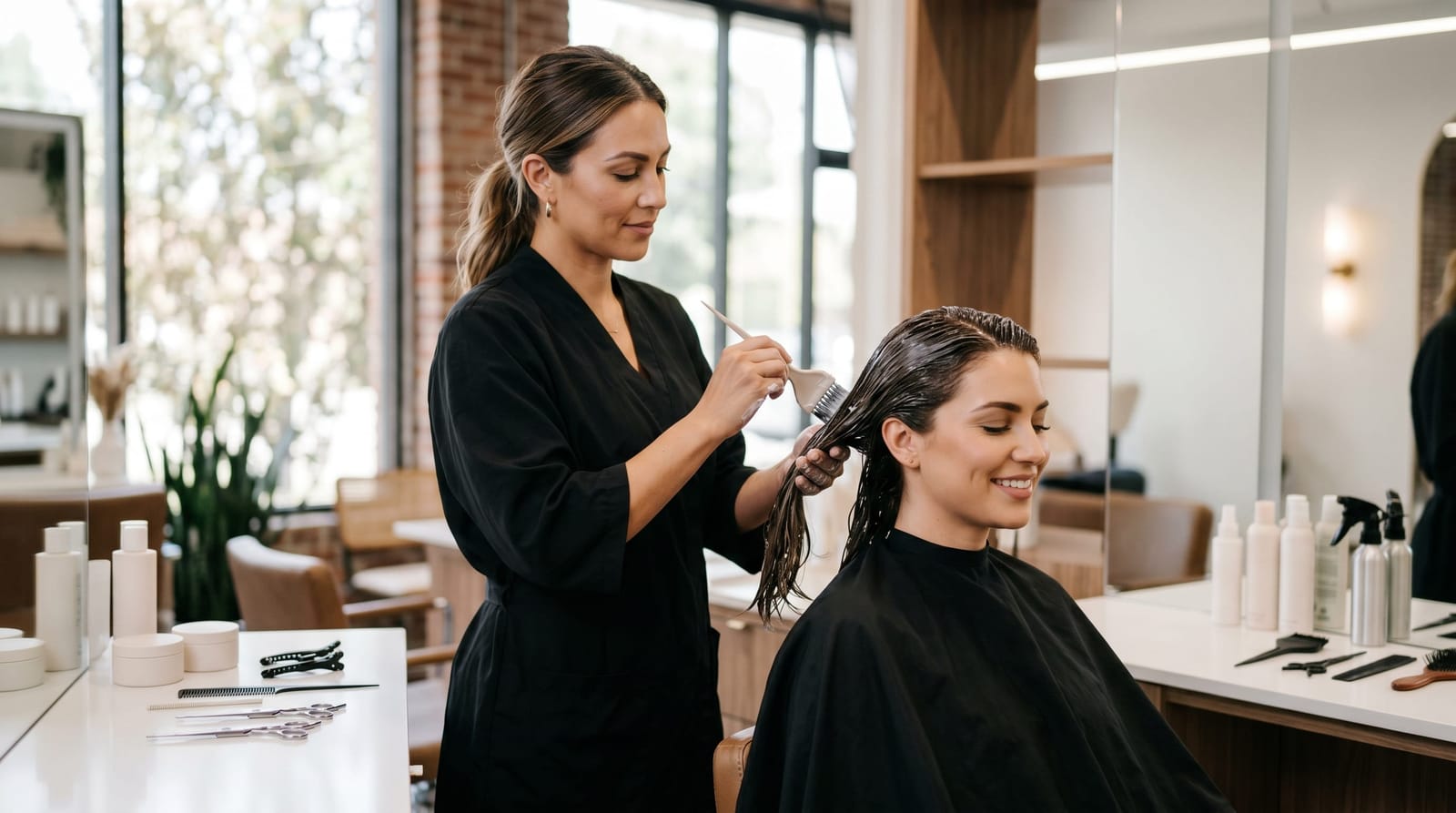
Getting a professional chemical service is one of the most rewarding salon experiences: smooth, manageable hair that works with your lifestyle rather than against it. But the real results happen at home, between salon visits. Whether you've just had a professional hair relaxer service, a texturizer, or a keratin treatment, building a consistent relaxer aftercare routine is what separates hair that thrives from hair that struggles. Chemical services change your hair's internal structure, which means your daily and weekly habits need to change along with it. In this guide, we're breaking down exactly how to care for your hair after a chemical treatment, from the products you use to the schedule you follow, so your results stay beautiful, your hair stays strong, and every visit to the salon feels just as good as the last.
Why Aftercare Matters More Than You Might Think
Chemical treatments, relaxers especially, work by breaking down the hair's natural protein bonds to reshape or smooth the strand. The result is beautifully sleek, more manageable hair. But because that process temporarily affects the hair's protein structure, your strands become more sensitive to dryness, friction, and product buildup in the weeks that follow. According to hair care research, chemically processed hair loses moisture up to 3 times faster than untreated hair, making hydration the single most important factor in long-term maintenance.
This doesn't mean chemically processed hair can't be healthy: it absolutely can be, and thousands of people maintain gorgeous, strong, relaxed hair for years. It simply means that a thoughtful, consistent routine makes all the difference. Think of it like skin care: the treatment does the heavy lifting, but daily care locks in the results.
Neglecting aftercare is the most common reason clients experience dryness, breakage, or frizz between appointments. Studies suggest that up to 60% of chemically treated hair damage occurs not from the service itself, but from improper post-treatment care. When you invest in a professional service at a salon like Ka Belly, protecting that investment with the right routine is just as important as the treatment itself.
The First 72 Hours: What to Do (and What to Avoid)
The first three days after any chemical service are the most critical window for your hair. During this time, the hair's structure is still stabilizing, and certain actions can compromise your results or cause unnecessary stress to your strands.
What to Avoid in the First 72 Hours
- Washing your hair: Wait at least 72 hours, ideally a full week, before shampooing. Water exposure too soon can interfere with the treatment settling properly.
- Pulling hair into tight styles: Elastic bands, tight ponytails, or braids can create stress points on newly processed hair. Opt for loose styles or a satin wrap instead.
- Excessive heat: Give your hair a few days before reaching for the flat iron or blow dryer. If you must use heat, always apply a heat protectant first.
- Scratching the scalp: Your scalp can feel sensitive or slightly tender after a relaxer. Avoid scratching, which can disrupt healing and cause irritation.
What to Do Right Away
- Sleep on a satin or silk pillowcase to minimize friction and moisture loss overnight.
- Apply a lightweight leave-in conditioner or hair oil to keep strands moisturized without weighing them down.
- Keep hair loosely wrapped or pinned to preserve your style and protect the cuticle layer.
Building Your Weekly Relaxer Aftercare Routine
Once you're past the initial 72-hour window, your focus shifts to a consistent weekly routine that keeps your hair moisturized, strong, and protected. The two pillars of relaxed hair care are moisture and protein, and the key is finding the right balance between the two.
Cleansing: Choose Your Shampoo Wisely
Regular shampoos containing sulfates can strip the natural oils from chemically treated hair, leaving it feeling dry and brittle. Switching to a shampoo for relaxed hair, specifically a sulfate-free, moisturizing formula, is one of the simplest and most impactful upgrades you can make. Aim to shampoo once a week or every 7 to 10 days. Over-washing (more than twice a week) is one of the leading causes of dryness and breakage in chemically processed hair.
Deep Conditioning: Your Most Important Weekly Step
Deep conditioning once a week is non-negotiable for relaxed hair. A good deep conditioner penetrates the hair shaft to restore moisture and elasticity: two things that chemically processed hair needs in abundance. Look for formulas that contain ingredients like shea butter, aloe vera, hydrolyzed silk proteins, or coconut oil. Apply after shampooing, cover with a plastic cap, and leave on for 20 to 30 minutes with gentle warmth for maximum absorption. Clients who deep condition consistently report significantly less breakage and more manageable hair between touch-up appointments.
Leave-In Conditioner and Sealing Moisture
After rinsing your deep conditioner, apply a leave-in conditioner to damp hair before styling. This adds an extra layer of moisture and helps protect strands throughout the week. Follow with a lightweight oil or hair butter to "seal" that moisture in, preventing it from evaporating as the day goes on. This moisturize-and-seal method is particularly effective for those with thicker or more porous hair textures.
Monthly Protein Treatments: Rebuilding Strength
While moisture keeps your hair soft and flexible, protein keeps it strong. Because relaxers and other chemical treatments alter the hair's protein bonds, adding a protein treatment back into your routine once a month helps rebuild that internal strength and reduce breakage.
Protein treatments come in different intensities: light treatments like protein-enriched conditioners, and stronger reconstructor treatments designed to deeply fortify the strand. For most people with relaxed hair, a moderate protein treatment used once every 4 to 6 weeks strikes the right balance. Overusing heavy protein treatments (more than once a month) can actually make hair feel stiff and brittle, so consistency matters more than frequency here.
Signs that your hair may need more protein include excessive shedding, limp or mushy texture when wet, or strands that stretch too far before snapping. If you're noticing any of these changes, it's worth exploring our guide on chemical hair damage signs to better understand what your hair is telling you.
Handling and Styling Relaxed Hair Day to Day
How you handle your hair between wash days is just as important as what you put on it. Chemically processed strands are more fragile at their weakest points, especially near the line of demarcation, which is where new growth meets previously relaxed hair. That junction is where most breakage occurs, so gentle handling throughout the week protects the integrity of your strands.
Detangling the Right Way
Always detangle with a wide-tooth comb, starting from the ends and working your way up toward the root. Never detangle dry hair: always add a leave-in conditioner or detangling spray first. This simple step alone can reduce breakage by a significant margin. Avoid fine-tooth combs and brushes with sharp bristles, which snag and pull at chemically treated strands.
Heat Styling Tips
Relaxed hair can absolutely be styled with heat, but moderation is key. Aim to limit flat iron or blow dryer use to no more than once or twice a week. Always use a heat protectant spray beforehand, and choose the lowest effective temperature setting, in most cases, anything above 400°F is unnecessary and increases the risk of heat damage over time. Heatless styles like roller sets, braid-outs, or twist-outs are great options for mid-week days when you want style without the heat.
Protective Styles
Incorporating protective styles, like loose updos, buns, flat twists, or braids, gives your hair a break from daily manipulation. These styles reduce friction, minimize breakage, and help retain length over time. Just be sure protective styles are never too tight at the roots, which can cause tension and thinning along the hairline.
Touch-Up Scheduling: Timing Your Salon Visits
One of the most common questions about maintaining a professional hair relaxer service is how often to schedule touch-ups. The general guideline is every 8 to 12 weeks, depending on your hair's growth rate and texture. Most people experience approximately half an inch to one inch of new growth per month, which means by week 10, you'll typically have noticeable new growth ready for a touch-up.
Waiting the full 8 to 12 weeks, rather than going every 4 to 6 weeks, is actually healthier for your hair. Over-processing by relaxing too frequently causes cumulative damage, particularly at the line of demarcation. Sticking to an appropriate schedule with regular trims (every 8 to 12 weeks alongside your touch-up) keeps ends healthy and hair growing strong.
If you've opted for a gentler approach, a texturizer hair treatment may require slightly different timing, typically every 10 to 14 weeks, since texturizers partially relax the curl rather than fully straightening it. Your stylist will always provide personalized guidance based on how your hair responds to treatment.
For clients who prefer smoothing over texture change, a keratin treatment salon appointment typically lasts 3 to 5 months before a refresh is needed, making maintenance scheduling a bit more flexible.
Related Topics to Explore
Your relaxer aftercare routine is just one part of a bigger picture. For a deeper look at the specific products best suited for chemically treated strands, our guide on choosing the right shampoo for relaxed hair walks through what ingredients to look for and what to avoid. And if you're ever unsure whether your hair is showing early signs of stress, understanding chemical hair damage signs can help you catch concerns early and address them before they become bigger issues.
Conclusion: Healthy Hair Is a Daily Practice
Your chemical service is a beautiful starting point, and with the right relaxer aftercare routine in place, you can enjoy the results for weeks and months to come. The essentials are simple: cleanse gently with sulfate-free products, deep condition every week, add a protein treatment once a month, handle your hair with care, and keep your salon appointments on schedule. None of these steps are complicated, but together they make a dramatic difference in how your hair looks and feels over time.
Ready to build a personalized care plan after your next chemical service? Our stylists at Ka Belly Salon are here to guide you every step of the way, from your treatment chair to your at-home routine. Book your appointment today and let's create a hair care experience that keeps you looking and feeling your best.