Best Shampoo for Chemically Treated Hair

The best shampoo for relaxed hair cleans away oil and product buildup without leaving the lengths feeling rough or difficult to detangle. We recommend starting with a gentle, moisturizing formula, then adjusting based on how your scalp and hair feel after washing. A sulfate-free label can be a useful starting point, but the complete formula matters more than any single ingredient.
Pair shampoo with conditioner, and reserve stronger cleansing for when buildup calls for it. You do not need an elaborate product collection or a fixed clarifying schedule to care for relaxed hair well.
Why Relaxed Hair Needs Thoughtful Cleansing
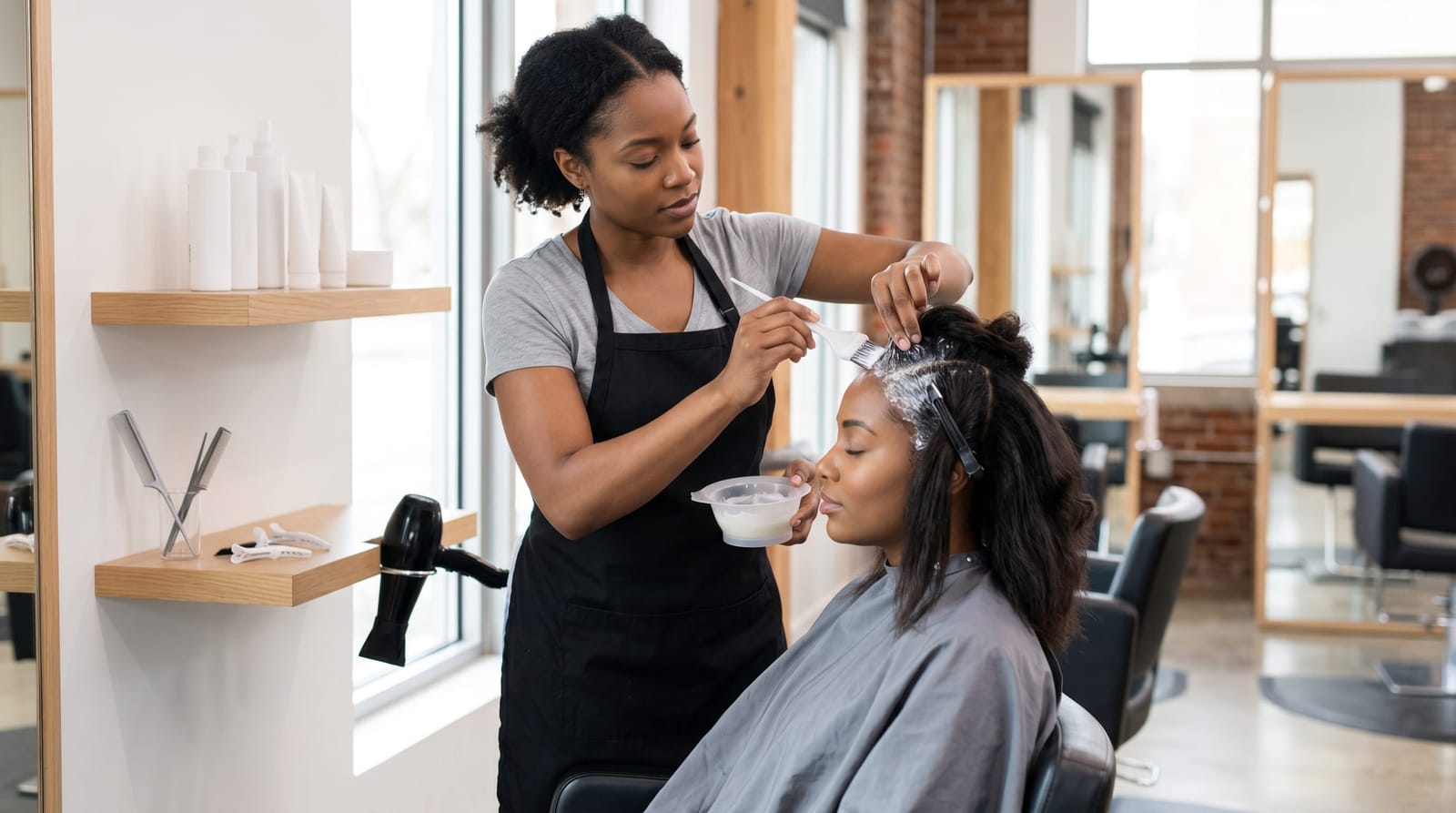
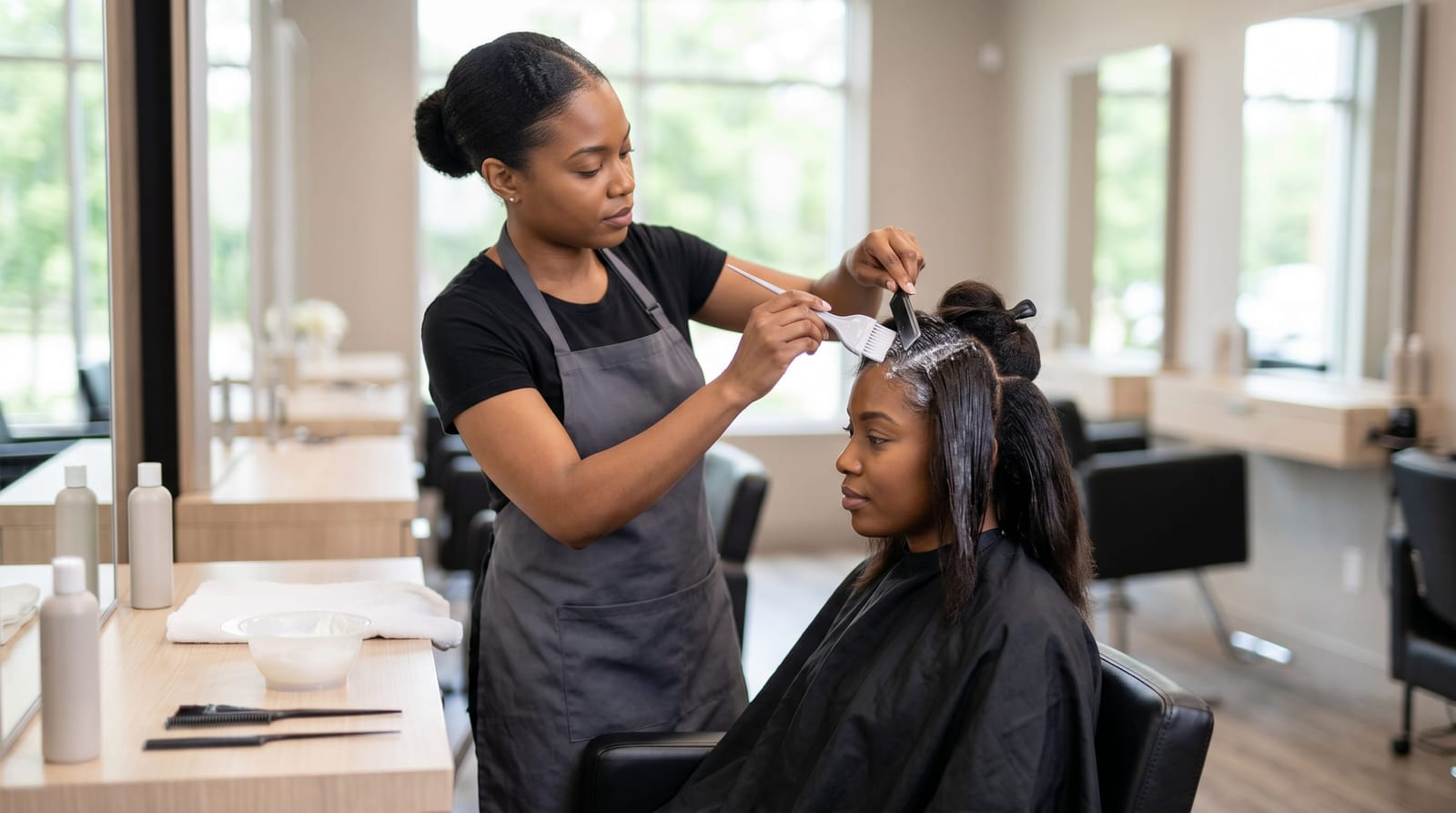
Relaxers alter the disulfide bonds that give natural hair structural support. The treated portion stays chemically changed, so shampoo cannot return it to its unprocessed state. Cleansing is about removing residue while keeping the hair manageable, not reversing the service.
Chemically processed strands can be more vulnerable to dryness and breakage, especially when cleansing is followed by rough detangling or frequent heat styling. That does not mean every ordinary shampoo is damaging. It means the right balance depends on your formula, wash frequency, product use and handling.
After rinsing, look for a scalp that feels clean and lengths that remain manageable with conditioner. A squeaky feel is not a goal, and a heavy coating is not proof that a shampoo is moisturizing.
Ingredients Worth Looking For
Use the ingredient list alongside the product's intended use. Individual ingredients offer clues, but they cannot tell you exactly how the finished shampoo will perform.
- Conditioning ingredients: Oils such as argan, avocado or almond oil can contribute softness and slip. Richer formulas may suit dry lengths, while finer hair may feel weighed down by them.
- Hydrolyzed proteins and amino acids: Ingredients such as hydrolyzed keratin, silk or wheat protein can provide temporary conditioning benefits. They do not permanently rebuild relaxed hair, and their presence alone does not make one shampoo better than another.
- Cleansing agents in a balanced formula: Sodium cocoyl isethionate, decyl glucoside and coco glucoside are examples found in gentle cleansers. Mildness still depends on their concentration and the other ingredients in the bottle.
- Panthenol (Vitamin B5) and glycerin: These are moisture-attracting ingredients used in conditioning formulas. In a rinse-off shampoo, they are supporting ingredients rather than replacements for conditioner.
A shampoo described as moisturizing or suitable for chemically treated hair is a reasonable place to begin. Keep it if it cleans effectively and works well with your conditioner, rather than switching simply because another bottle has a longer list of featured ingredients.
What to Avoid: Harsh Results, Not Blanket Ingredient Rules
There is no reliable “avoid anything in the first five ingredients” rule for relaxed hair. Instead, watch for these mismatches:
- A cleanser that repeatedly leaves your lengths rough: Sulfates such as sodium lauryl sulfate and sodium laureth sulfate remove oil and buildup effectively. Some sulfate-containing formulas feel too cleansing for dry hair, but sulfate-free formulas can also cleanse strongly. Judge the finished product, not the label alone.
- Confusing all alcohols with drying ingredients: Cetyl alcohol and stearyl alcohol are fatty alcohols used for conditioning and texture. They behave differently from ethanol or isopropyl alcohol. Seeing the word “alcohol” is not, by itself, a reason to reject a shampoo.
- Fragrance that does not suit you: A fragrance-free formula is an option if scented products bother your scalp. Botanical scents and essential oils are not automatically gentler alternatives.
- Choosing by “free-from” claims alone: Preservatives help protect water-based products from contamination. A paraben-free label does not tell you whether a shampoo will cleanse gently or condition well.
As new growth appears between relaxer touch-ups, gentle handling matters alongside product choice. Avoid pulling a comb through resistance where the two textures meet.
Moisturizing or Clarifying Shampoo?
Choose moisturizing shampoo for routine cleansing
A moisturizing shampoo balances cleansing with conditioning ingredients. It is a practical starting point when your lengths tend to feel dry or tangle easily after washing.
Match the richness to your hair. For example, if your roots feel clean but fine lengths look flat after drying, try a lighter formula rather than assuming you need a stronger clarifier. If the lengths feel rough after every wash, review both the shampoo and the conditioner.
Use clarifying shampoo when residue calls for it
Clarifying shampoos focus on removing buildup from oils, leave-ins, stylers and other products. Consider one when your usual wash leaves a persistent coated feel or products no longer spread through the hair easily.
Clarifying is not automatically a monthly requirement. Someone using heavy styling products may need it more often than someone with a light routine. Follow the product directions and condition afterward. Sulfate-free clarifiers can still provide strong cleansing, so that label does not make them interchangeable with a gentle everyday shampoo.
A Practical Wash Routine for Relaxed Hair
- Loosen tangles before cleansing: Work gently in manageable sections. Avoid forcing a brush or comb through knots.
- Keep pre-shampoo treatments optional: A pre-shampoo conditioner or oil may help with slip, but it is not essential. Treatment products have different purposes, so use each according to its directions rather than giving every product the same application time.
- Wet the hair thoroughly: Comfortable, lukewarm water helps distribute shampoo. There is no need for very hot water or an icy rinse to “seal in” moisture.
- Clean the scalp without tangling the lengths: Massage with your fingertips instead of scratching or piling the hair on top of your head. Let lather move through the lengths, gently working it through areas with noticeable residue.
- Rinse thoroughly: Repeat only if needed and consistent with the product directions. More lather does not necessarily mean a better cleanse.
- Condition and detangle with care: Distribute conditioner through the lengths, paying attention to the ends. Detangle while the hair has slip, working from the ends upward, and follow the stated rinse or processing instructions.
- Blot rather than rub: Gently remove excess water with a towel before styling.
Changing shampoo is not a complete answer to signs of hair damage from chemical processing, such as repeated snapping during detangling. Ongoing breakage is worth discussing with your stylist before another chemical service, including how you cleanse, detangle and style between visits.
Common Questions About Shampoo for Relaxed Hair
How often can I wash relaxed hair?
Let scalp comfort, sweat, oil and product use guide your schedule rather than following a universal interval. If you wash frequently, choose a formula that cleans without leaving the lengths rough and condition afterward. If hair feels dry, review the products and handling rather than automatically extending the time between washes.
Can I use the same shampoo for relaxed and natural hair?
Yes. A formula can work for both if it meets their cleansing and conditioning needs. Texture alone does not determine the right product. Consider chemical processing, strand thickness, dryness and the amount of styling residue you need to remove.
Will shampoo make my relaxer last longer?
Shampoo does not reverse a relaxer or change the texture of new growth. A suitable shampoo and conditioner can help treated lengths look smoother and feel easier to manage, but they do not extend the chemical effect or determine when another service is appropriate.
Keep the Routine Focused
Start with one gentle shampoo and a conditioner that leaves your hair easy to handle. Add a clarifier only when your regular wash is not removing residue. When evaluating a change, notice scalp comfort, tangling, softness and how your style feels after drying. Those details are more useful than a sulfate-free claim or a long list of featured oils.