At-Home Hair Health Maintenance
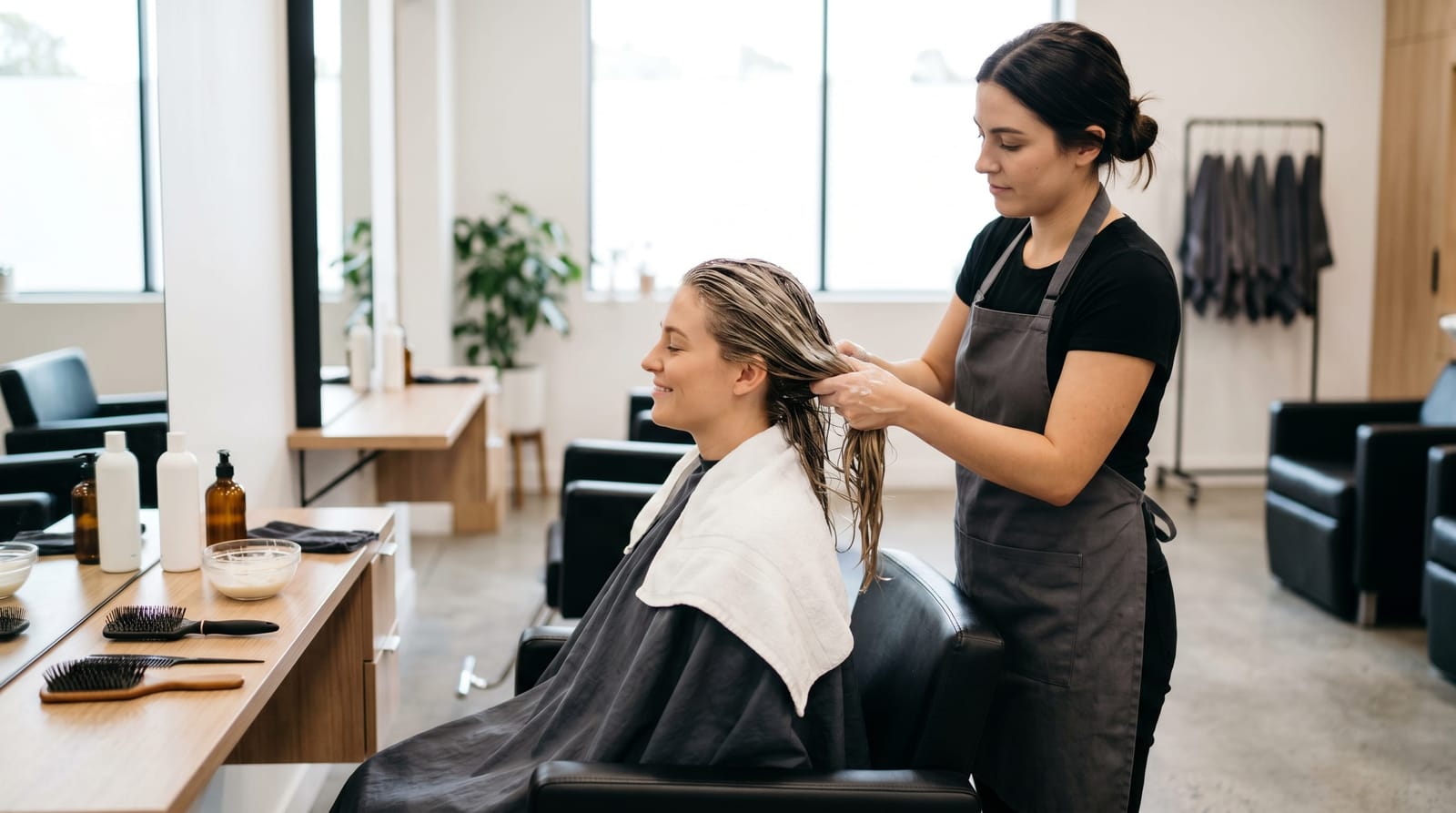
Professional treatments are a cornerstone of any serious approach to hair wellness, and if you've explored our guide to professional deep conditioning service, you already know how transformative salon care can be. But what happens between appointments matters just as much. A consistent, well-structured hair health routine maintenance plan is what separates clients who see lasting results from those who feel like they're starting over every time they walk through the salon door. In this guide, we'll break down exactly how to build an effective at-home routine, recommend the right products for your hair type, share DIY treatment ideas, and explain when it's time to book a professional conditioning session.
Why Your At-Home Hair Health Routine Maintenance Matters More Than You Think
Most people spend fewer than 10 hours per year in a salon chair, yet their hair endures 8,760 hours of daily environmental exposure, styling stress, and product interaction every single year. That math alone explains why a solid hair health routine maintenance practice at home isn't optional: it's foundational.
Research consistently shows that hair breakage, split ends, and scalp imbalance are rarely caused by a single incident. They're the result of repeated micro-damage accumulating over weeks and months. Heat styling without protection, skipping conditioner, washing with water that's too hot, or simply neglecting regular trims all add up fast. According to hair care research, the average person loses between 50 and 100 strands of hair per day, and poor home care habits can push that number significantly higher.
The good news? A well-designed routine doesn't have to be complicated or expensive. Even small, consistent changes, like switching from a rough terrycloth towel to a microfiber one, can reduce breakage by up to 30%. The key is understanding what your specific hair type needs and building habits you'll actually stick to.
Building Your Weekly Hair Health Routine: A Step-by-Step Framework
One of the biggest mistakes people make is following a generic routine they found online without adapting it to their hair type, texture, or lifestyle. Your hair health routine maintenance plan should be as individual as your fingerprint. Here's a flexible weekly framework you can customize:
Washing Frequency and Technique
How often you wash depends primarily on your scalp's oil production. A helpful breakdown:
- Oily scalp: Wash every 1-2 days to prevent buildup that can clog follicles
- Normal scalp: Wash every 2-3 days for balanced moisture and cleanliness
- Dry or coily hair: Wash once a week or even every 10 days to preserve natural oils
- Chemically processed hair: Wash every 3-4 days using a sulfate-free formula
When you do wash, always apply shampoo directly to the scalp, not the lengths, and let the rinse water carry suds through the ends. This prevents over-stripping the hair shaft of essential moisture.
Conditioning After Every Wash (Non-Negotiable)
Skipping conditioner is one of the most damaging habits you can develop. A quality rinse-out conditioner restores the hair's pH balance (ideally between 4.5 and 5.5), smooths the cuticle layer, and reduces friction-related breakage by up to 60%. Apply from mid-shaft to ends, leave on for 2-3 minutes, and rinse with cool water to seal the cuticle.
Weekly Deep Conditioning at Home
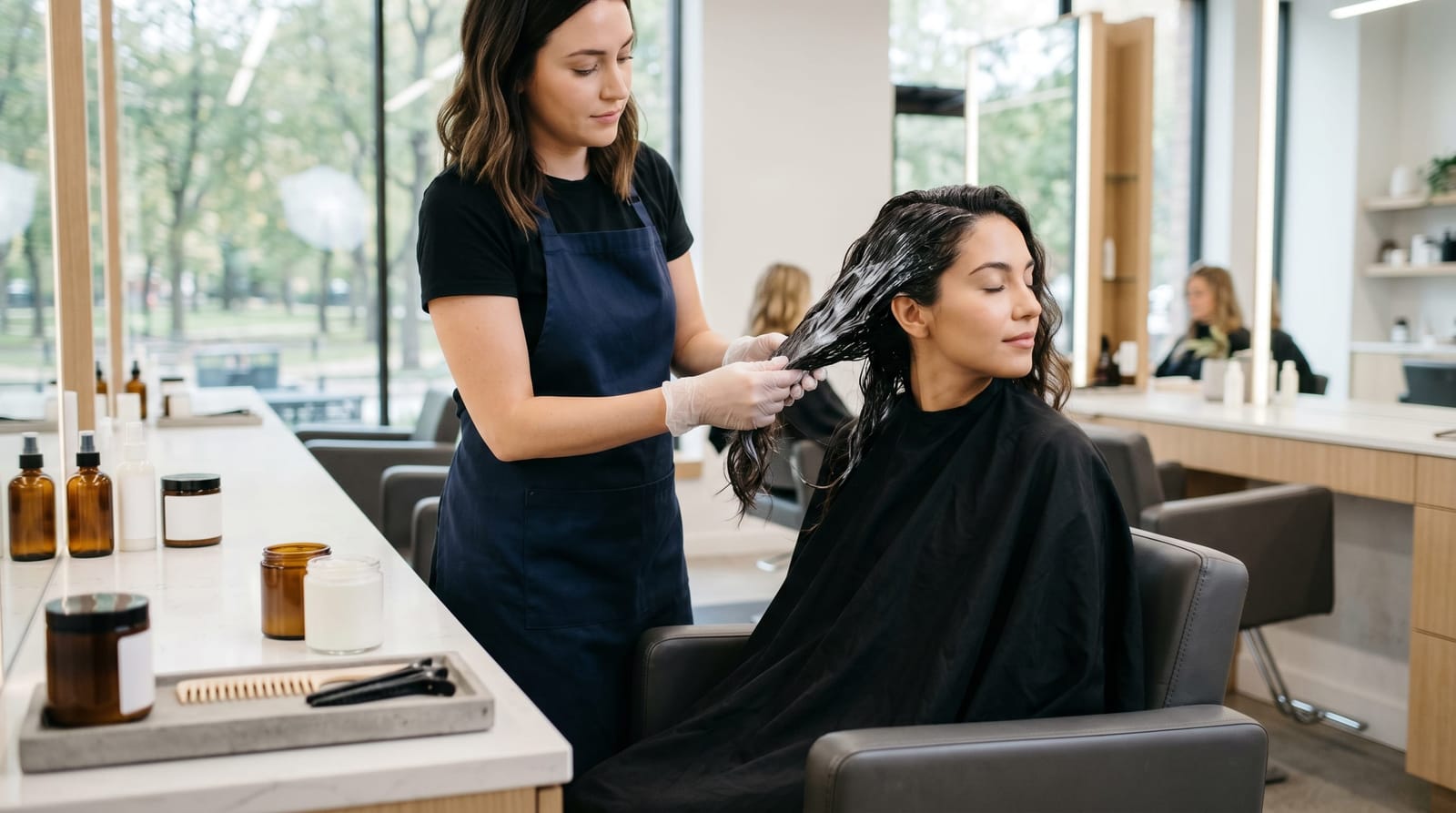
Once a week, replace your standard conditioner with a dedicated deep conditioning mask and leave it on for 15-30 minutes. This is where you'll find our round-up of best deep conditioner products particularly useful: choosing the right formulation for your hair type makes a measurable difference in results.
Heat Protection and Styling: The Numbers Behind the Damage
Heat damage is one of the most common, and most preventable, causes of compromised hair health. Understanding the temperature thresholds involved makes it easier to take protective steps seriously.
Temperature Danger Zones
- Below 300°F: Generally safe for most hair types with heat protectant applied
- 300°F: 375°F: Moderate risk; use heat protectant every single time without exception
- Above 400°F: High risk of irreversible protein denaturation and cuticle damage
- Flat irons used daily at 450°F: Can cause measurable cuticle lifting within just 3 weeks of consistent use
A quality heat protectant applied before any thermal styling tool reduces heat damage by up to 50%, according to cosmetic chemistry studies. Look for ingredients like dimethicone, cyclomethicone, or hydrolyzed silk proteins: these form a protective film over the hair shaft before heat is applied.
Air Drying vs. Blow Drying
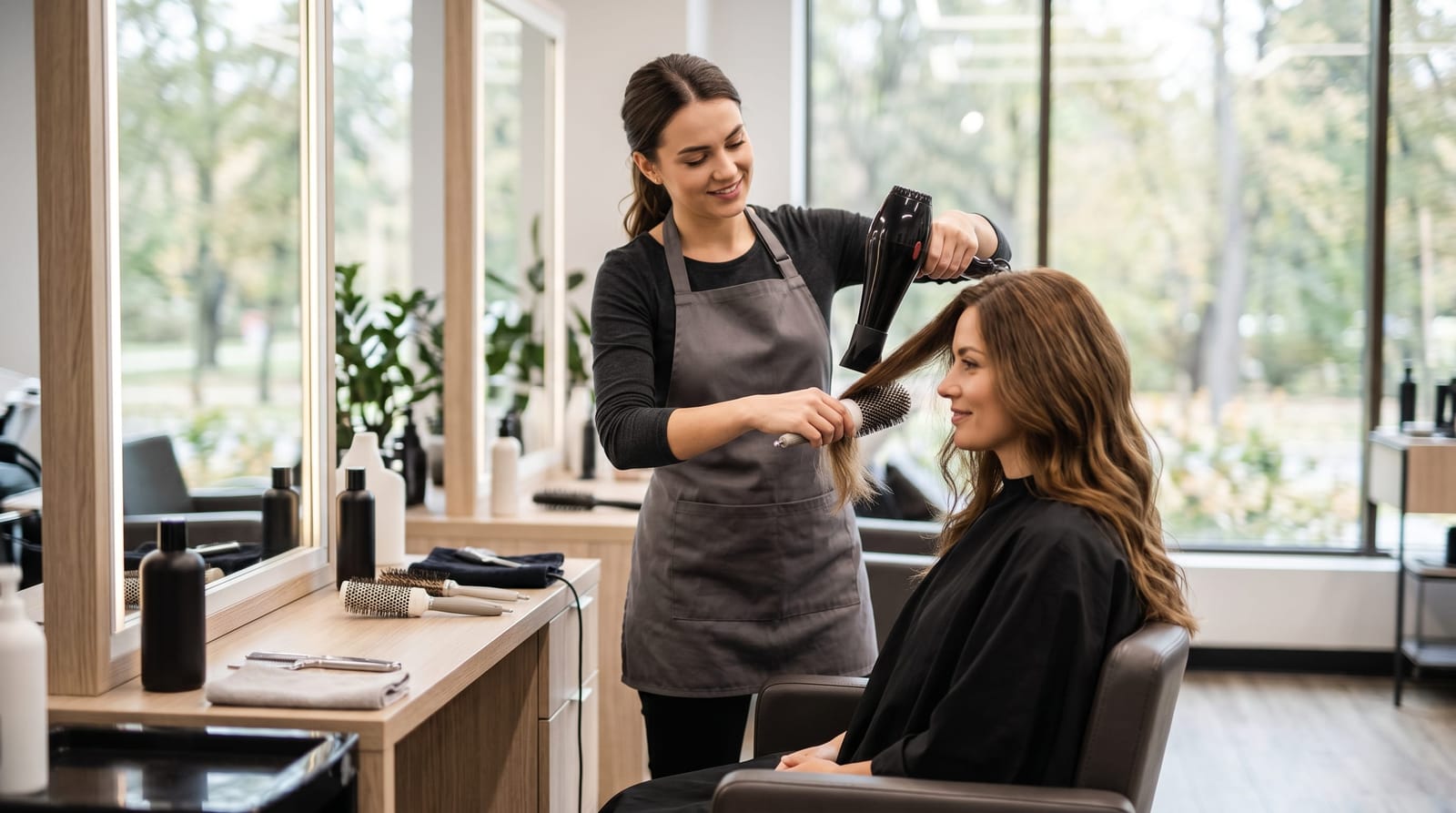
Surprisingly, completely avoiding the blow dryer isn't always the healthiest option. Hair that stays wet for extended periods can swell repeatedly, weakening the cortex through a process called hygral fatigue. If you air dry, gently blot with a microfiber towel first and avoid leaving hair soaking wet for more than 30 minutes. If blow drying, use the lowest effective heat setting and keep the nozzle at least 6 inches from the scalp.
Scalp Care: The Root of Your Hair Health Routine Maintenance
You cannot build a serious hair health routine maintenance practice without addressing the scalp. Hair grows from follicles embedded in scalp tissue: neglecting that tissue is like trying to grow a garden in soil you never tend.
Scalp Massage: Simple but Scientifically Supported
A 2016 study published in ePlasty found that participants who performed a 4-minute daily scalp massage over 24 weeks experienced measurable increases in hair thickness. Regular massage promotes blood circulation to the follicles, delivering the oxygen and nutrients hair needs to grow strong. Use the pads (not nails) of your fingertips and work in small circular motions from the nape of the neck toward the crown for 3-5 minutes, ideally before washing.
Scalp Exfoliation
Once or twice a month, use a scalp scrub or an exfoliating shampoo with salicylic acid or zinc pyrithione to remove dead skin cells, product buildup, and excess sebum. This keeps follicles clear and conditioner ingredients better able to penetrate. Avoid over-exfoliating: more than twice monthly can strip the scalp and trigger excess oil production as a compensatory response.
Nutrition and Lifestyle: What You Eat Shows in Your Hair
No topical product can fully compensate for nutritional deficiencies. Your hair is composed of approximately 95% keratin protein, which means your diet has a direct, measurable impact on hair health. Building a hair health routine maintenance plan that ignores nutrition is leaving results on the table.
Key Nutrients for Hair Strength
- Protein: Aim for 45-56 grams per day minimum (eggs, chicken, legumes, Greek yogurt)
- Biotin (Vitamin B7): Supports keratin production; found in eggs, almonds, and sweet potatoes
- Iron: Deficiency is a leading cause of hair loss in women; found in spinach, lentils, and red meat
- Omega-3 fatty acids: Reduce scalp inflammation and add shine; found in salmon, walnuts, and flaxseed
- Zinc: Supports follicle repair; found in pumpkin seeds, oysters, and chickpeas
- Vitamin D: Low levels are associated with alopecia; get 15-20 minutes of sunlight daily or supplement with 1,000-2,000 IU
Hydration matters equally. Chronic dehydration leads to a dry, flaky scalp and brittle strands. Aim for at least 8 cups (64 ounces) of water daily and reduce caffeine and alcohol consumption, both of which act as diuretics and can dehydrate hair follicles.
Regular Trims: Not Just About Aesthetics
Trimming every 6-8 weeks prevents split ends from traveling up the hair shaft: a process called "splitting," which can destroy inches of otherwise healthy hair. Many clients try to grow their hair by avoiding trims, but this typically backfires: split ends make hair look thinner and frizzy, and they accelerate breakage over time.
When to Step Up from At-Home Care to Professional Treatment
A strong at-home hair health routine maintenance practice handles the day-to-day, but there are specific situations where professional intervention delivers results that no home treatment can replicate. Knowing when to make that call is part of being a truly informed hair care consumer.
Signs You Need a Professional Deep Conditioning Session
- Hair feels gummy or stretchy when wet (a sign of severe moisture-protein imbalance)
- Breakage is increasing despite consistent at-home conditioning
- Hair has recently been colored, bleached, relaxed, or permed
- Significant dryness or frizz that home masks can't resolve after 4 weeks of consistent use
- Scalp issues like persistent dandruff, itching, or flaking that over-the-counter products haven't addressed
- Preparing for or recovering from a major chemical service
If you're not sure where your hair currently stands, a hair health assessment salon consultation is the smartest starting point. A professional assessment identifies exactly what your hair needs, moisture, protein, or both, so you stop guessing and start treating strategically.
It's also worth noting that seasonal factors significantly affect how your hair responds to both home and professional treatments. Our guide to seasonal hair conditioning needs covers how to adapt your routine as temperature, humidity, and UV exposure shift throughout the year.
For clients with color-treated, relaxed, or keratin-treated hair, a dedicated approach to conditioning for damaged hair at the professional level is often necessary every 4-6 weeks alongside your home routine, not as a replacement for it, but as a powerful complement.
Related Details Worth Exploring
This post focuses on the principles of building your at-home hair health routine maintenance plan, but we've created in-depth resources on several key areas touched on above:
- Best deep conditioner products: a curated breakdown of at-home masks and treatments by hair type and concern
- Seasonal hair conditioning needs: how to modify your routine for winter dryness, summer humidity, and everything in between
Key Takeaways
A sustainable hair health routine maintenance plan combines the right washing frequency for your scalp type, consistent conditioning, weekly deep treatments, heat protection, regular trims every 6-8 weeks, and a diet rich in protein, iron, and omega-3 fatty acids. These daily and weekly habits form the foundation that makes professional treatments work harder and last longer. When home care isn't enough, or when you want to ensure you're addressing your hair's specific needs with precision, our team is here to help. Schedule a professional deep conditioning or hair health consultation today and let's build a plan designed around your hair, not a generic template.