What Are the Signs That Your Hair Needs a Break From Braids?

Your hair needs a break from braids when the style feels uncomfortable, pulls at your hairline, or leaves roots increasingly tangled and difficult to clean. After removal, roughness, dryness, and persistent tangling can also be signs that your hair would benefit from deep conditioning before another install.
The important distinction is between dry strands and scalp discomfort. Conditioning can improve softness and manageability, but it does not address tension from tight braids or treat hair loss. Here is how to recognize the difference and plan your next step.
Your Braids Feel Uncomfortable
Braids can reduce daily styling, but they should not require you to tolerate pain. Tenderness is worth paying attention to from the start, rather than treating it as an expected part of a fresh install.
Signs that the style needs attention include:
- Persistent soreness or pulling along the hairline, part lines, or nape
- Discomfort when moving the braids or gathering them into a ponytail
- Ongoing itching or sensitivity that does not settle with gentle cleansing
- Redness or small bumps around the base of individual braids
There is no need to count symptoms before taking discomfort seriously. When a style pulls, the styling priority is reducing that tension, not adding products to make it more tolerable. Tight updos can add further pulling to an already uncomfortable install.
A licensed dermatologist can assess persistent scalp pain, sores, or noticeable hair loss based on your situation. These are not concerns that a salon conditioning treatment can resolve.
Your Edges Look Different
Compare your hairline with how it looked before the install. New short, uneven pieces around the temples or nape may indicate breakage, especially where the braids feel tight or heavy. A noticeable change in fullness also deserves attention before another tension-heavy style.
Short hairs alone do not prove breakage, since new growth can also be short. Look for a change from your usual appearance rather than judging every small strand. Conditioning can make existing hair easier to handle, but it cannot replace missing hair or undo repeated pulling.
Your Hair Feels Rough, Dry, or Difficult to Detangle
Once the braids come out, cleansing and gentle detangling give you a clearer sense of how your hair feels. Product buildup can affect texture and shine, so dullness during takedown does not automatically mean your hair is damaged.
Deep conditioning may be useful when you notice:
- Rough-feeling lengths or ends that remain dry after cleansing
- Frequent snagging when separating small sections gently
- Hair that feels less soft or flexible than it usually does
- Persistent tangling even after accumulated shed hairs have been removed
Frizz, reduced shine, or a change in curl definition can accompany dryness, but none is proof of damage on its own. Natural texture does not need to look perfectly smooth to be well cared for. How easily the hair separates and how it feels after washing are more useful checks.
Separate shedding from breakage
During takedown, you may see what looks like more shedding than your usual 50 to 100 strands per day. Braids can hold naturally shed hairs in place, allowing several weeks of shedding to come out together. That accumulated hair is not a reliable measure of one day's shedding.
Short pieces that snap while you detangle are different from strands that have already shed. If that is happening, pause rather than pulling harder through the section. Conditioning can make strands easier to separate, but it cannot reconnect a broken hair.
The Roots Are Becoming Harder to Maintain
A less polished appearance is not, by itself, a reason to worry. Some frizz and visible new growth are normal as a braid style ages. More useful signs are changes that make the style difficult to clean, comfortable to wear, or straightforward to remove.
Pay attention when:
- Shed hairs and product residue form dense tangles at the roots
- Adjacent sections begin tangling together
- Cleansing no longer removes buildup effectively
- Loose or grown-out braids hang in a way that pulls at their attachment points
Wear time depends on the style, added hair, maintenance, and scalp comfort. A calendar alone cannot tell you whether a style is still working well. Discomfort or increasing root matting matters more than reaching a planned removal date.
Give Your Hair a Gentle Post-Braid Reset
The goal after removal is to release tangles, cleanse away buildup, and restore a soft, manageable feel without rushing into another demanding style.
- Take down the braids in manageable sections. Allow enough time to work slowly. Separate knots gently rather than tugging through them.
- Release accumulated shed hair. A detangling product that helps strands slide past one another can make this easier. Use fingers or a wide-tooth comb, working from the ends upward instead of dragging through from the roots.
- Cleanse thoroughly and gently. Focus on removing scalp and hair buildup without bunching the lengths into a tangled pile.
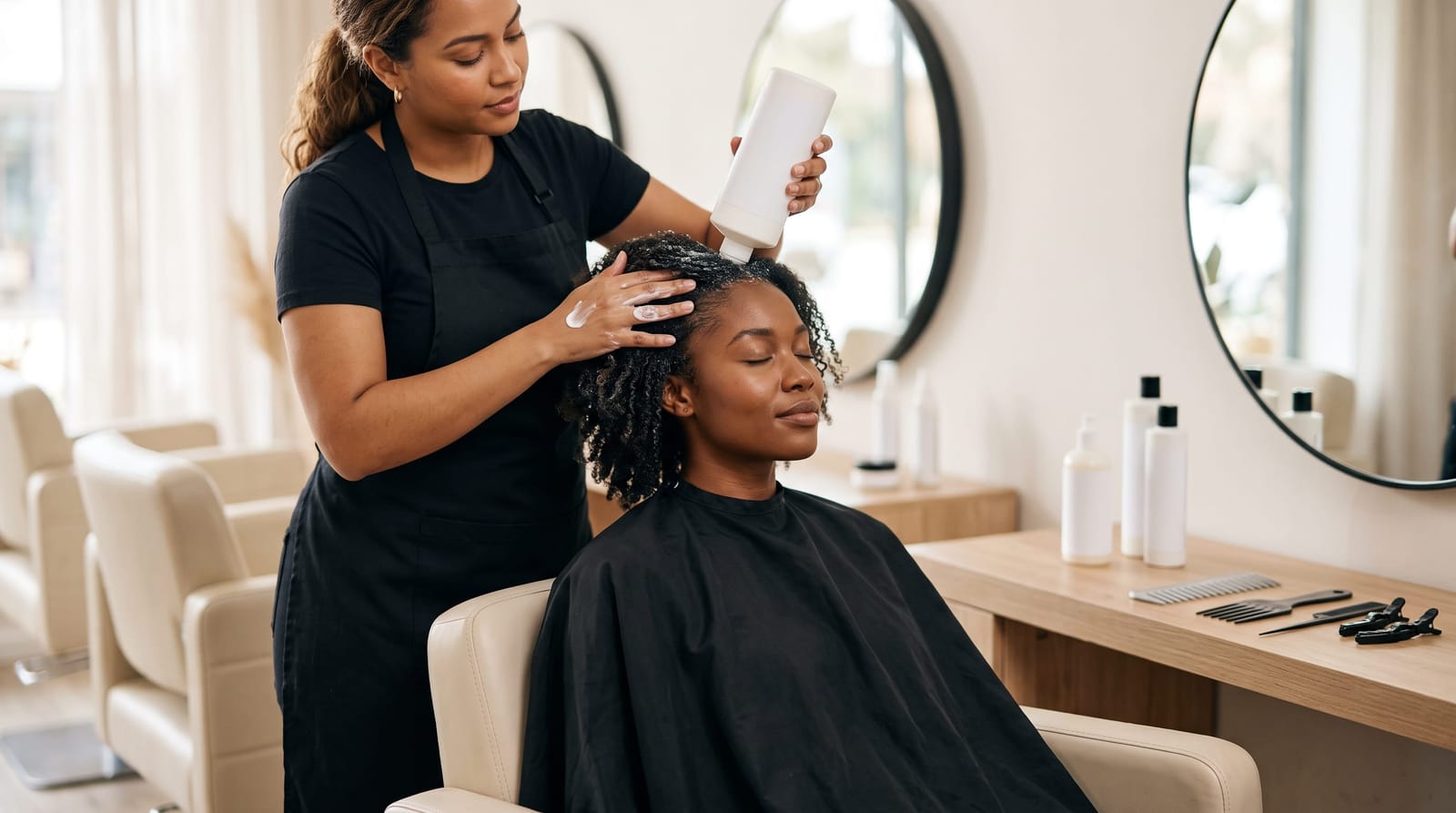
- Condition after cleansing. A targeted deep conditioning treatment to restore moisture and elasticity can help dry-feeling hair become softer and easier to manage. Follow the product's application and timing directions rather than assuming a longer treatment is better.
- Choose a comfortable next style. Loose styling gives you a chance to observe your hair and scalp without immediately adding more tension. A blowout is an optional styling finish, not a necessary part of conditioning.
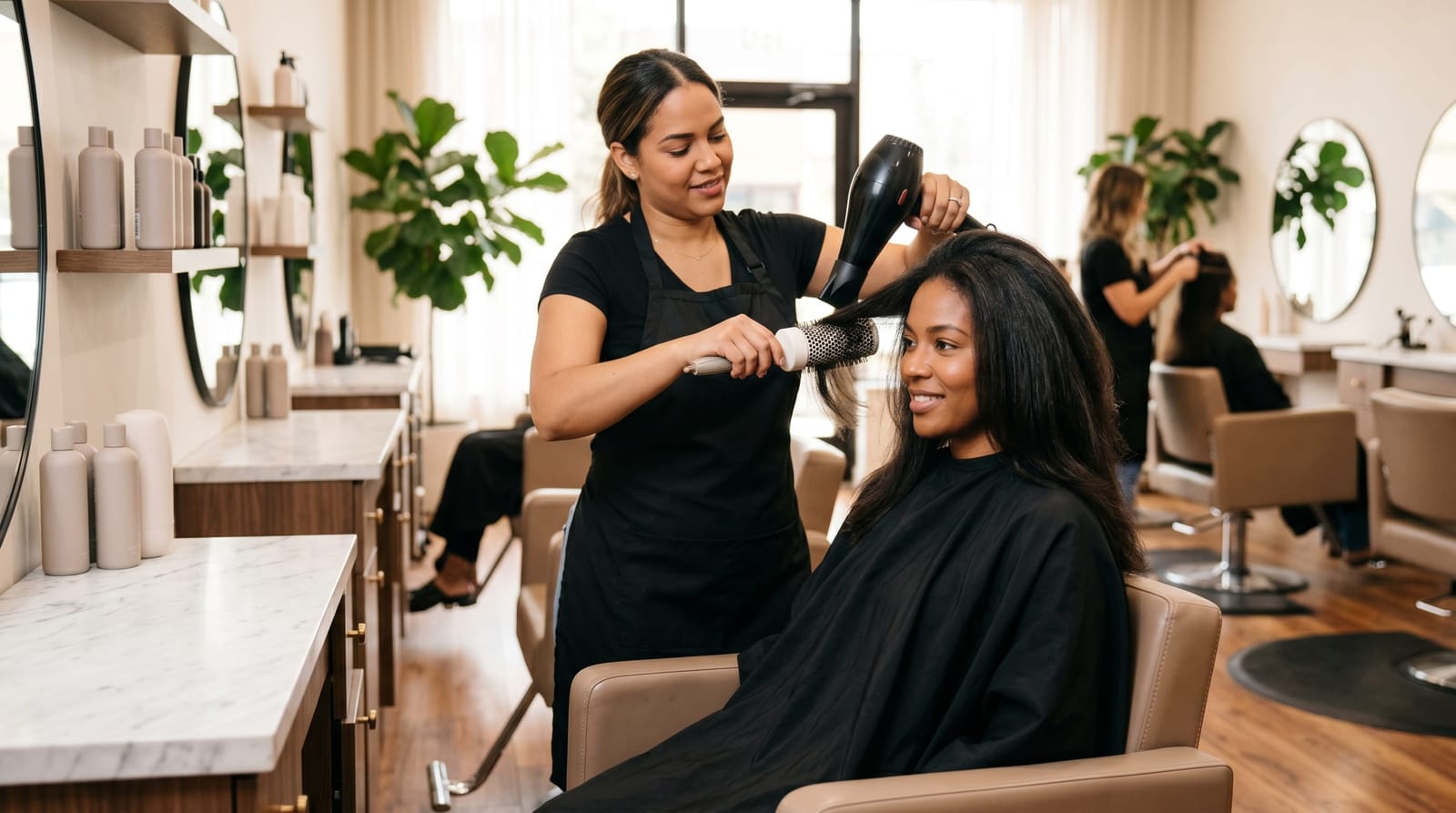
At Kabelly Dominican Salon in Clinton, we offer Hair Detangle, deep conditioning, and Wash & Blowout services. These address different needs: help separating tangles, conditioning dry-feeling lengths, and creating a smooth, stretched style.
Can you deep condition at home?
Yes. Routine deep conditioning does not have to wait for a salon visit. Choose a product suited to your hair, follow its directions, and give tangled sections careful attention before working through them. Dense matting is a reason to stop forceful combing and get help with detangling, rather than repeatedly pulling at the same knot.
How long can the break between braid styles be?
A useful break allows time for cleansing, detangling, conditioning, and checking how your hair feels. A fixed number of weeks is less helpful than those checks. Lingering tenderness, difficult tangles, or continuing breakage are reasons to postpone another tension-heavy style rather than relying on conditioning alone.
Planning how long to wait between braid styles and when to schedule deep conditioning also leaves room for maintenance before the next install. For your next style, consider the amount of added hair and how you plan to wear it. A comfortable install can still feel tight if it is repeatedly pulled into a firm ponytail or bun.
A successful reset is not about making your natural texture look different. It is about hair that feels easier to handle, a comfortable scalp, and a next style that fits both.