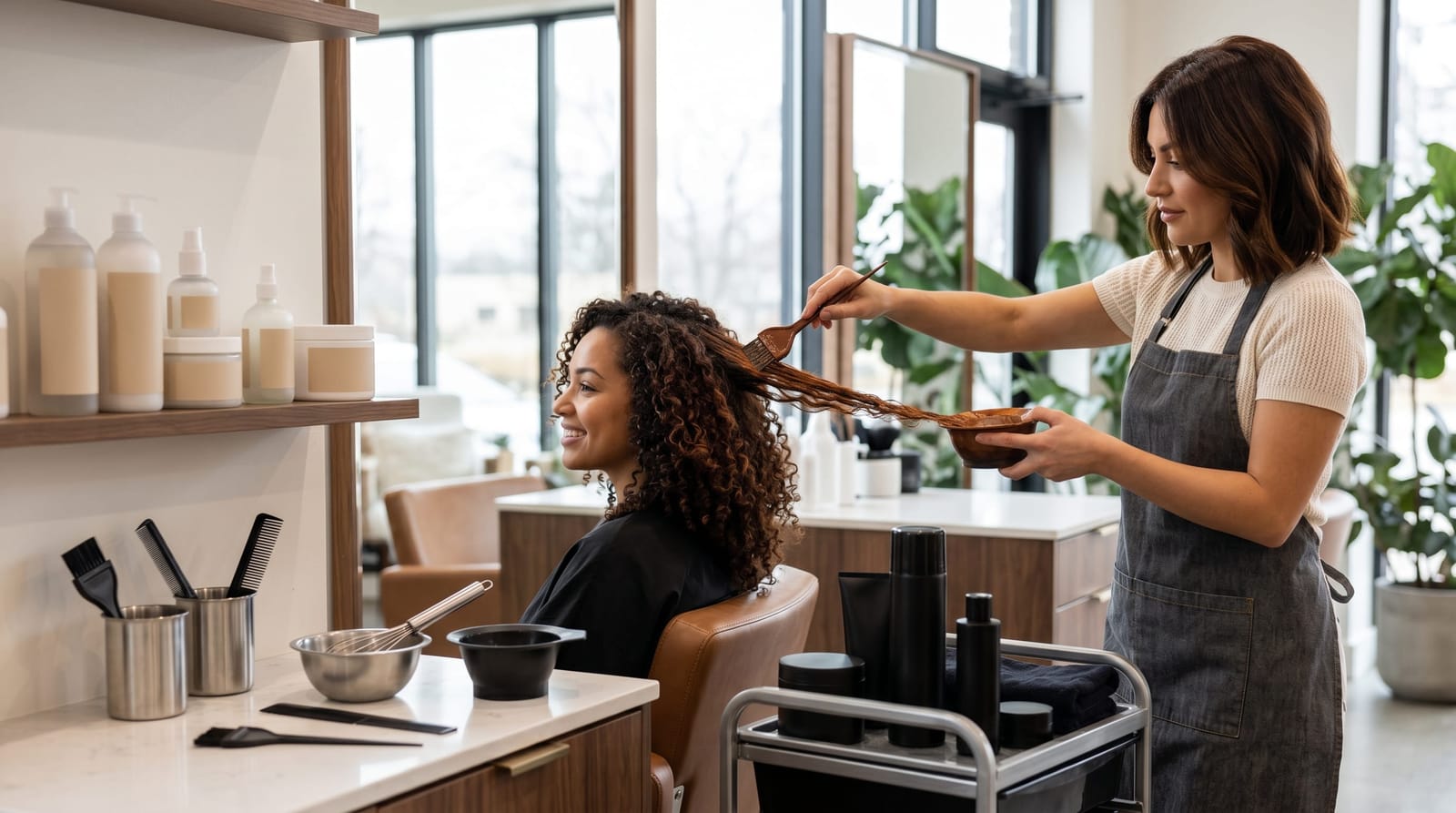
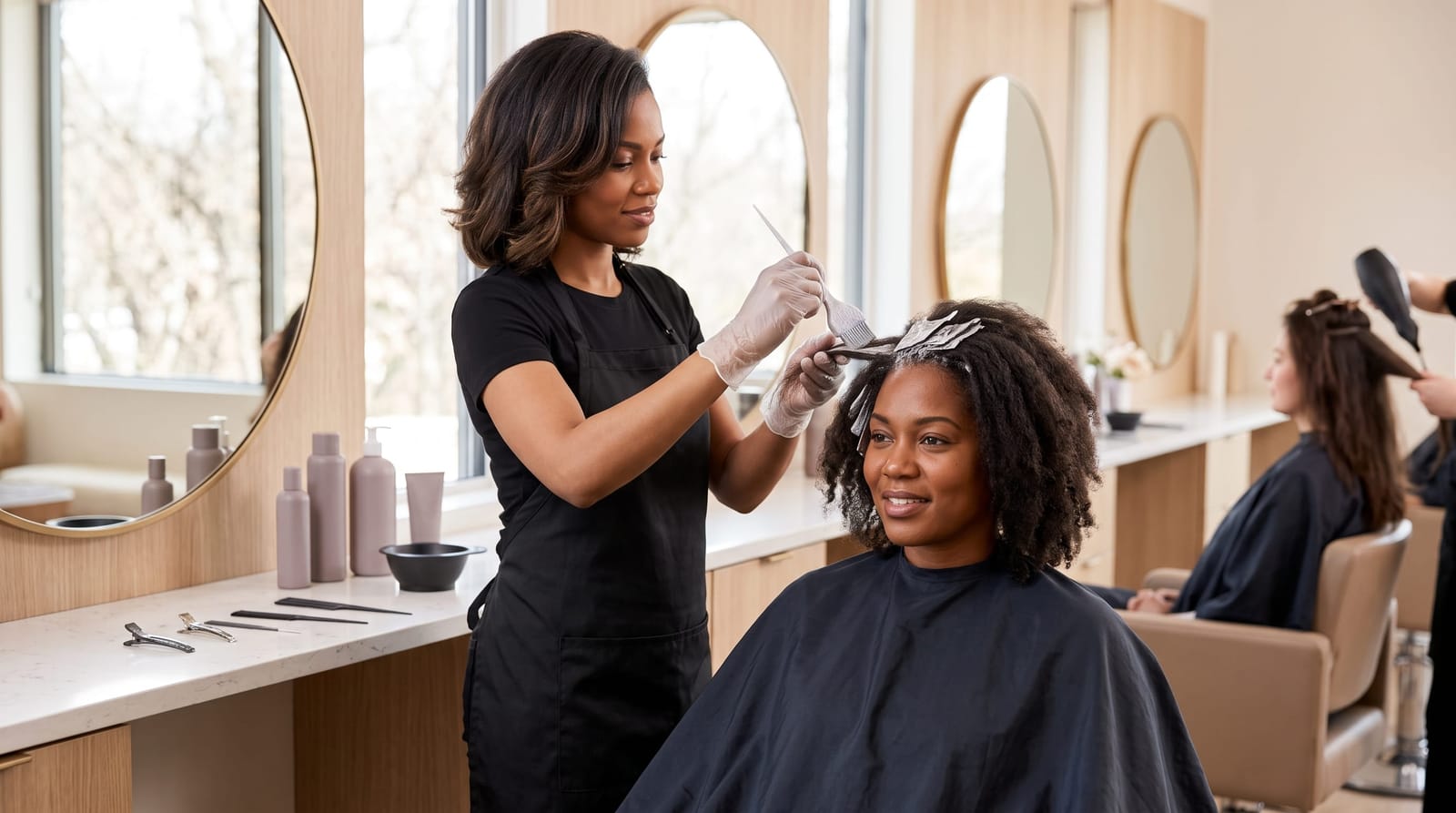
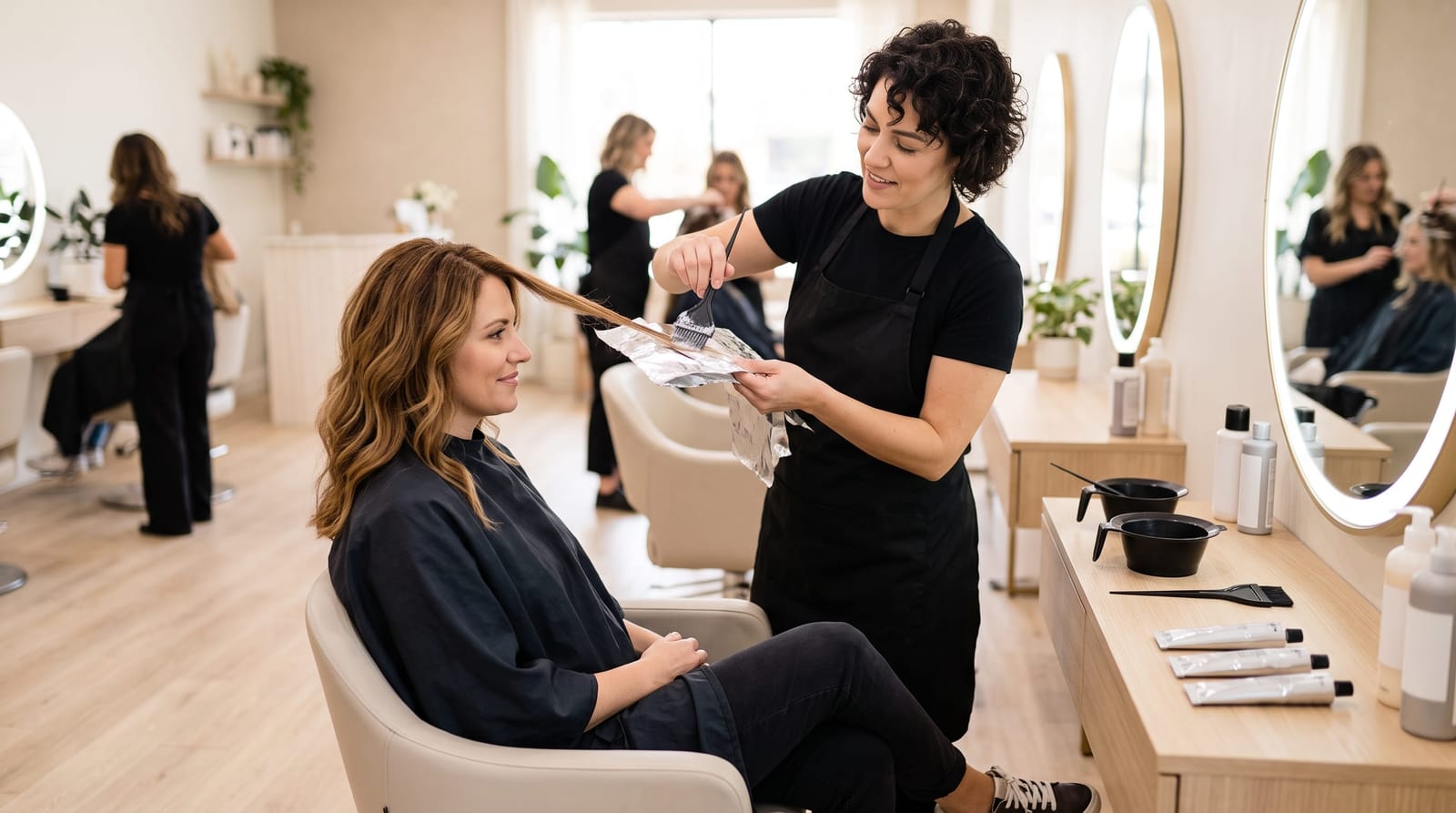
What Are Color-Safe Products and Why Do They Matter for Textured Hair?
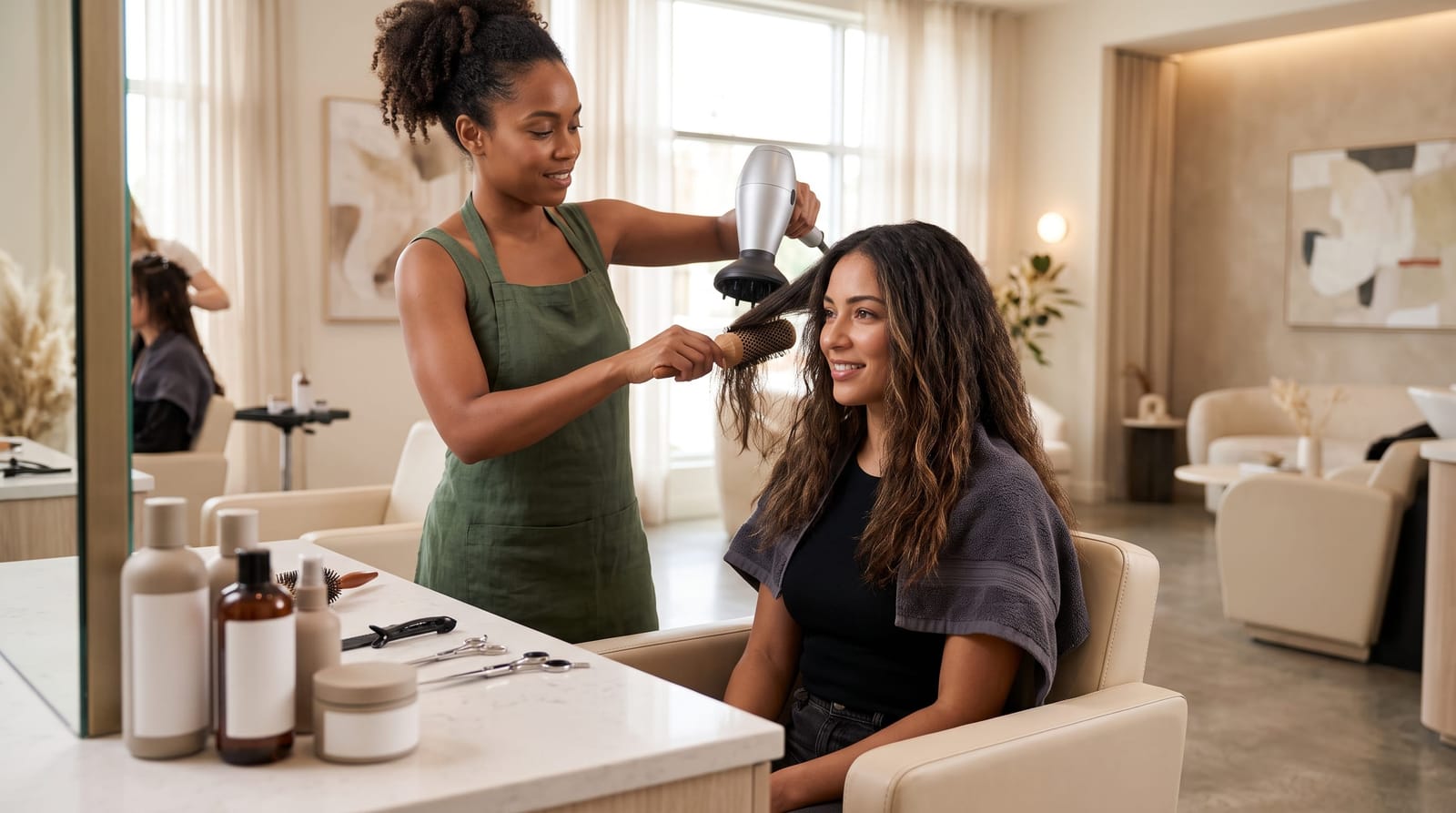
If you've ever invested in a beautiful color service, whether it's a rich balayage, vibrant highlights, or a full color transformation: you already know how important it is to protect that investment at home. But with so many products on the market claiming to be "color-safe," it can be hard to know what that actually means or whether your current routine is helping or hurting your color. This post breaks it all down in plain terms, with a focus on why product quality matters even more for textured and melanin-rich hair.
What Does "Color-Safe" Actually Mean?
The term color safe hair products refers to shampoos, conditioners, and styling products that are specifically formulated to cleanse and care for hair without stripping out artificial color molecules. When hair is colored, the pigment sits inside the hair shaft. Harsh cleansers, especially those containing sulfates, create a lathering effect that aggressively opens the hair cuticle and flushes that pigment out with every wash.
Color-safe products take a gentler approach. They clean the scalp and hair effectively, removing buildup, oil, and product residue without disturbing the cuticle layer or pulling color from the strand. The result is color that stays vibrant longer and hair that feels healthier between salon visits.
Beyond just being sulfate-free, the best color-safe formulas also include ingredients that actively support the hair's structure: things like ceramides, which help seal the cuticle, and peptides, which strengthen the hair from within. These additions are especially important for textured hair, which tends to have a naturally more open cuticle structure and can lose moisture and color more quickly than straight hair types.
Color-Safe Products vs. Regular Products: What's the Difference?
At first glance, color-safe products might look similar to regular hair care. But the formulation differences are significant, especially when it comes to what's left out and what's added in.
Regular shampoos often rely on sulfates (like sodium lauryl sulfate or sodium laureth sulfate) as their primary cleansing agents. These are effective at removing dirt and oil, but they're also very stripping. For color-treated hair, this means faster fading. For textured hair, it also means unnecessary moisture loss: a double concern for clients who already work hard to keep their curls, coils, or chemically relaxed strands hydrated.
Color-safe shampoos use milder surfactants that cleanse without that aggressive strip. They also tend to have a lower pH, which helps keep the hair cuticle flat and sealed. A closed cuticle means color molecules stay in, moisture stays in, and the hair looks shinier and more defined.
Conditioners in the color-safe category are typically richer and more targeted. Many include UV-filtering ingredients to protect against sun-induced fading: something that's easy to overlook but makes a real difference, especially during the warmer months when clients are spending more time outdoors.
Why Textured and Relaxed Hair Needs Color-Safe Products Even More
For African American and Hispanic clients with naturally textured or chemically processed hair, the stakes are higher when it comes to color care. Here's why.
Textured hair, whether it's natural curls, coils, or waves, has a cuticle structure that is naturally more raised than straight hair. This means color molecules can escape more easily, and the hair is also more vulnerable to moisture loss. When you add chemical color services on top of a textured or relaxed base, the hair has already experienced some level of cuticle lifting from the chemical process itself. Using the wrong products at home can accelerate fading and leave hair feeling dry and brittle.
Color-safe products designed for textured hair address both concerns simultaneously: preserving color vibrancy while also delivering the hydration that textured hair needs to look and feel its best. This is why understanding hair color duration longevity isn't just about what happens in the salon: it's deeply connected to what you're using at home every week.
Think of it this way: your stylist can do beautiful work in the chair, but a sulfate-heavy shampoo used three times a week will undo that work within a few weeks. The right color-safe routine is what allows you to get the most out of every color service.
Professional vs. Retail Color-Care Products: Does It Matter?
Yes, and the difference is more significant than most people realize.
Retail products (what you find at a drugstore or big-box store) are formulated to appeal to a wide range of hair types and concerns. They may be labeled "color-safe," but that label doesn't always indicate a high standard of formulation. Many retail color-safe shampoos still contain ingredients that can cause gradual fading or leave residue on the hair over time.
Professional-grade color-care products, the kind recommended by your colorist, are developed specifically to work alongside professional color services. They're tested alongside the pigments and developers used in the salon, which means they're designed to complement and extend the work your stylist has done, not just avoid making it worse.
At Kabelly Salon, the products recommended for color maintenance are chosen with textured and melanin-rich hair in mind. That means formulas that deliver moisture alongside color protection, that work with the natural characteristics of curly and coily hair, and that are strong enough to maintain vibrancy through humidity, heat styling, and daily wear, without leaving hair feeling weighed down or coated.
It's also worth noting that professional products tend to be more concentrated, meaning a little goes a long way. What looks like a higher price tag often balances out when you realize you're using less product per wash.
Building a Color-Safe Home Routine That Actually Works
Knowing what color-safe products are is one thing: using them consistently and correctly is what makes the real difference. Here's a simple framework to follow:
- Wash less frequently. Washing too often accelerates fading regardless of what products you use. For most textured hair clients, washing two to three times per week (or less) is ideal for preserving color.
- Use a sulfate-free shampoo every time. This is non-negotiable for color-treated hair, especially if your hair is also chemically processed.
- Follow with a moisturizing, color-safe conditioner. Look for formulas with ceramides, proteins, or panthenol to support both color retention and moisture balance.
- Add a leave-in or UV-protectant before sun exposure. Color fades significantly with prolonged sun exposure. A leave-in conditioner with UV protection creates a barrier between your hair and the elements.
- Avoid chlorinated water without protection. Chlorine strips color quickly. If you swim regularly, apply a protective oil or conditioner before getting in the water, and rinse thoroughly afterward.
- Ask your stylist for product recommendations specific to your color service. A gloss client has different needs than a bleach-and-tone client. The right products depend on the specific color work done.
If you've ever wondered why your color seems to fade faster than expected, the answers are often in the details of your weekly routine. A dedicated color-safe regimen makes a visible difference, and it protects the investment you've made in your look.
Frequently Asked Questions
Are all sulfate-free shampoos color-safe?
Not necessarily. Sulfate-free means the formula avoids harsh detergents, which is a good starting point for color care, but "color-safe" also depends on pH balance, the gentleness of the alternative cleansing agents used, and whether the formula contains ingredients that actively support color retention. Look for products that are specifically labeled for color-treated hair rather than just sulfate-free.
Can I use color-safe products even if I don't have color-treated hair?
Absolutely. Color-safe products are gentler and more moisturizing than standard formulas, which makes them a great choice for anyone with textured, chemically processed, or dry hair: color or no color. Many stylists recommend them as a general best practice for maintaining healthy hair.
How soon after a color service should I start using color-safe products?
Ideally, from the very first wash after your service. Some colorists recommend waiting 48 to 72 hours before washing freshly colored hair to allow the pigment to fully settle into the cuticle. After that, every wash should use a color-safe formula to protect your results from the start.
Do color-safe products work for both permanent and semi-permanent color?
Yes, and they're especially important for semi-permanent and demi-permanent color, which tends to fade more quickly than permanent color. Semi-permanent pigments sit closer to the surface of the hair shaft, making them more vulnerable to being washed away. Gentle, color-safe products help extend the life of these formulas significantly.
The Takeaway
Color safe hair products aren't just a marketing category: they're a meaningful part of any color maintenance routine, and they matter especially for clients with textured or chemically treated hair. The right products protect your color investment, support moisture balance, and help your style look salon-fresh for as long as possible. At Kabelly Salon, product recommendations are always tailored to your specific hair type and color service, because great color results start in the chair, but they're maintained at home. If you're noticing early fading, your at-home routine may be worth a second look.