How to Maintain Healthy Edges After Repeated Chemical Treatments
For anyone who has embraced relaxers or texturizers as part of their long-term hair care routine, the edges are often the first place where extra attention is needed. These delicate baby hairs along the hairline can be sensitive to repeated chemical processing, tension from styling, and gaps in moisture care. Whether you are a longtime relaxer user or newer to the world of chemical straightening, building a consistent hair health routine maintenance practice specifically for your edges is one of the most meaningful things you can do for the long-term strength and appearance of your hair. Here is a practical, step-by-step guide to help you do exactly that.
Step 1: Understand Why Your Edges Need Special Attention
The hairline area, including your edges and temple hair, is structurally finer and more fragile than the rest of your strands. This is true for most hair types, but it is especially important to understand when chemical services are part of your routine. Relaxers and texturizers work by altering the hair's natural protein bonds to soften or straighten the curl pattern, and while professional application is designed to minimize sensitivity, the scalp and hairline require consistent care between appointments to stay in good condition.
What tends to compromise edges over time is not usually one single cause: it is the accumulation of repeated tension from tight hairstyles, irregular moisturizing, skipping scalp care, and sometimes overlapping chemical applications too close to the hairline. Understanding this combination helps you make smarter, more intentional choices in your at-home routine and when communicating with your stylist. If you are exploring the differences between relaxers and texturizers as a starting point, understanding what is the difference between a no-lye and lye relaxer is a helpful piece of that bigger picture when it comes to formulation and scalp sensitivity.
Step 2: Build a Consistent Moisture Routine for Your Edges
Moisture is the foundation of everything when it comes to edge health. Chemically processed hair, regardless of whether it has been relaxed or texturized, benefits from regular hydration because the chemical process can affect how well the strand retains moisture on its own.
Here is a simple approach to building a moisture routine focused on your edges:
- Cleanse gently and regularly. Use a sulfate-free or gentle moisturizing shampoo designed for chemically treated hair. Rinse with lukewarm or cool water rather than hot, which can dehydrate the scalp and strip natural oils, especially along the hairline.
- Condition every wash day. Apply a moisturizing conditioner from mid-length through the ends and lightly through the hairline area. Let it absorb for a few minutes before rinsing.
- Use a leave-in conditioner between washes. A lightweight leave-in applied to the hairline a few times per week helps maintain softness and flexibility in those finer strands.
- Seal with a nourishing oil or edge butter. Look for formulas containing ingredients like castor oil, jojoba oil, or shea butter. These help lock in the moisture you have applied and keep the hairline supple without buildup.
Consistency matters more than the specific product. A simple, reliable routine performed regularly will always outperform an elaborate routine done occasionally.
Step 3: Be Intentional About How You Style Your Edges
One of the most common contributors to hairline thinning over time is repeated tension: the kind that comes from tight ponytails, slicked-back styles secured with heavy gel, or protective styles installed too snugly around the perimeter. This does not mean you need to abandon your favorite styles, but it does mean being thoughtful about frequency and technique.
Here are a few protective styling habits that support edge health:
- Rotate your styling approaches. If you wear your hair pulled back frequently, alternate with styles that allow the hairline to rest without tension throughout the week.
- Avoid over-manipulating your edges daily. Brushing, laying, and restyling the hairline area every single day, especially with strong-hold products, can stress those finer strands over time. Keep it simple on low-key days.
- Be mindful of headbands and scarves. These accessories are wonderful for protecting your style overnight, but wearing them very tightly or in the same spot repeatedly can contribute to friction and breakage along the hairline.
- Let your hair down when you can. Giving your edges and hairline a break from any tension is genuinely one of the simplest things you can do for their long-term health.
Step 4: Know the Warning Signs Worth Paying Attention To
Staying attuned to how your hairline looks and feels between salon visits is a meaningful part of a hair health routine maintenance practice. There are a few signs that suggest your edges may need extra care or a conversation with your stylist.
Pay attention if you notice:
- The hairline appearing noticeably thinner or shorter than it used to be
- Increased breakage or short, uneven strands along the perimeter
- Persistent dryness or flakiness specifically around the temples and edges
- Scalp sensitivity or discomfort in the hairline area that feels new or unusual
These are all good reasons to bring up with your stylist at your next appointment. A professional can assess what is happening during your service and adjust the application technique, product choice, or aftercare recommendations accordingly. This is not a reason for alarm: it is simply a reason to stay in communication with the person caring for your hair.
Step 5: Work With Your Stylist as a Partner in Edge Preservation
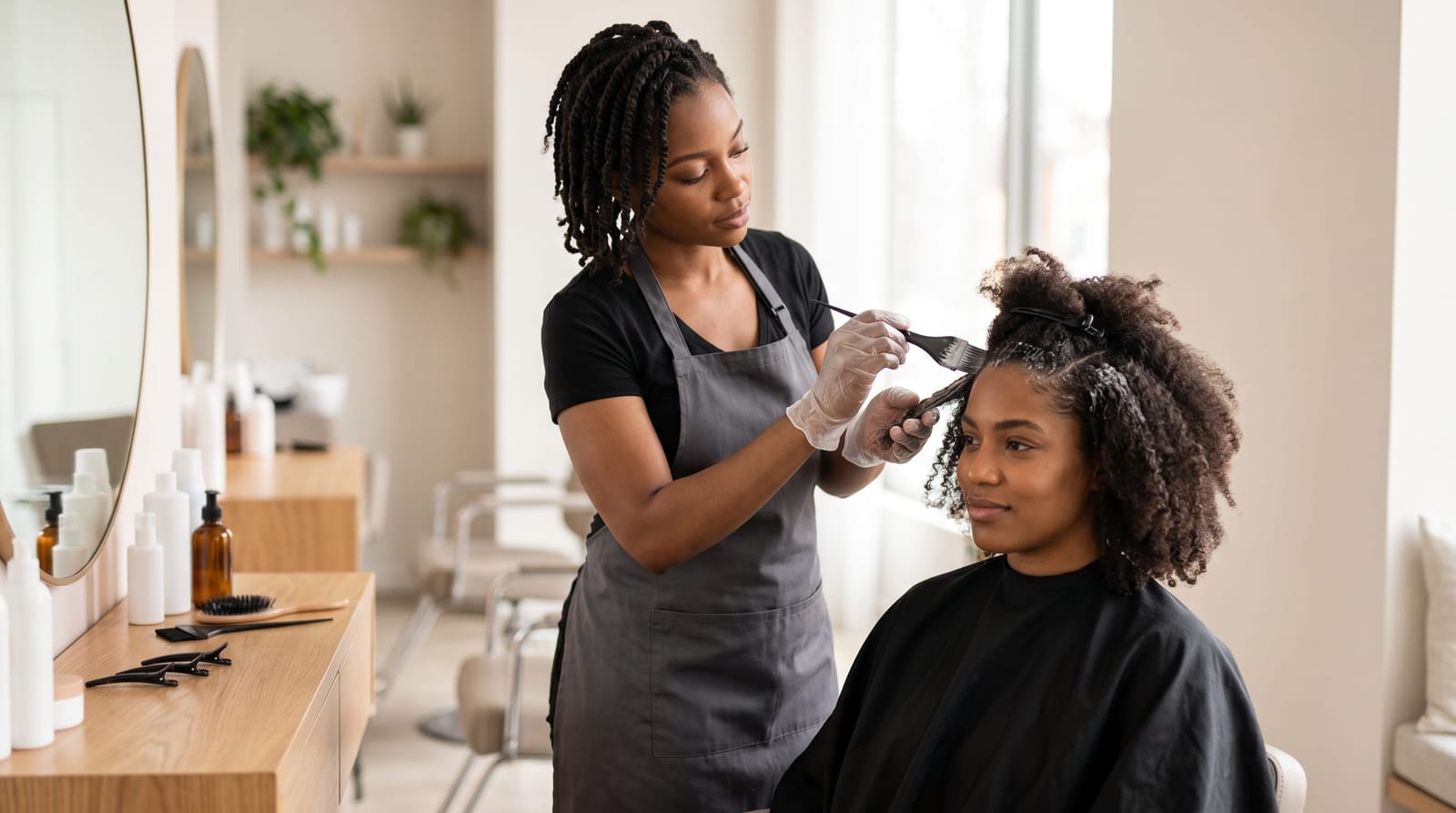
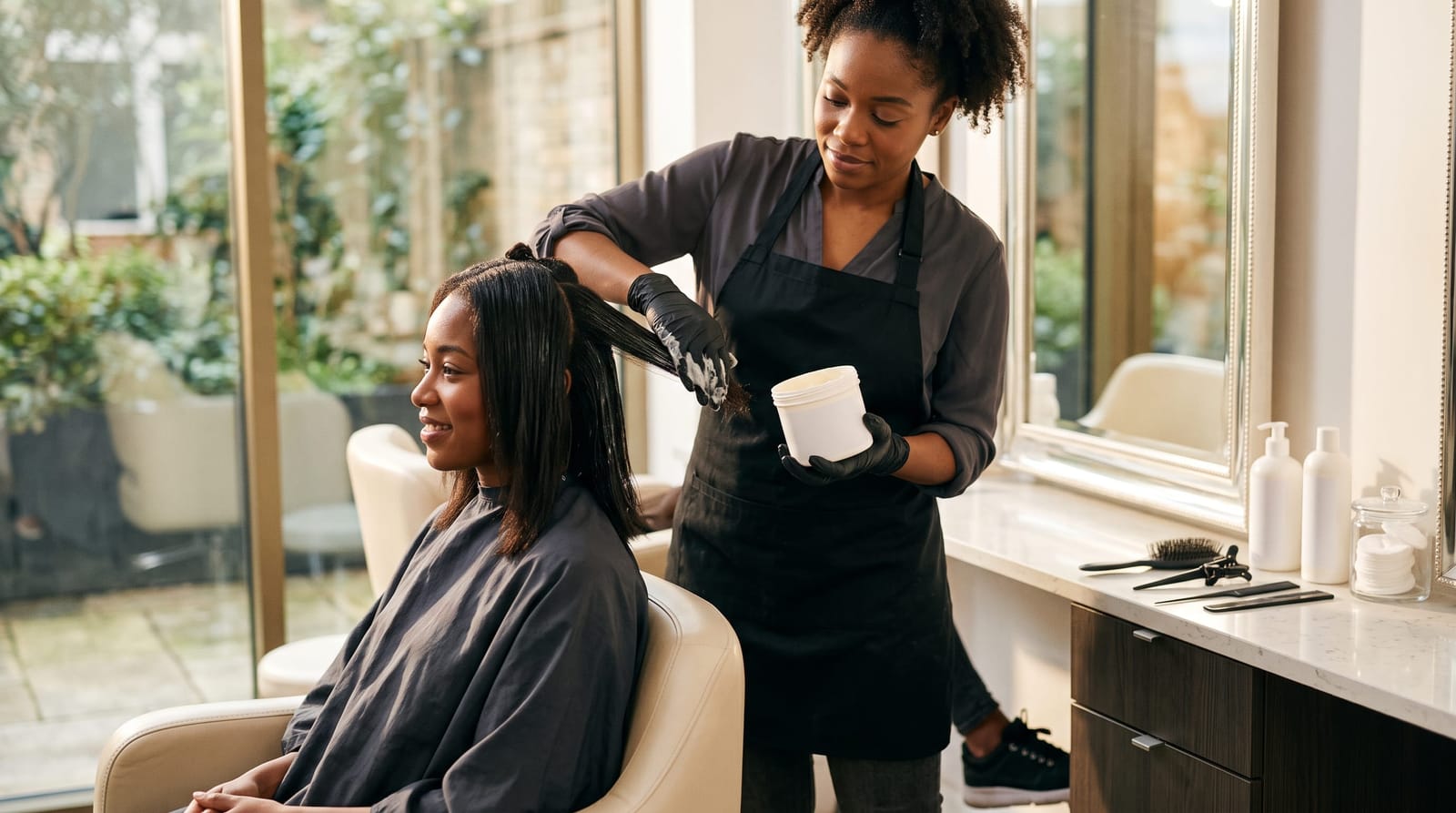
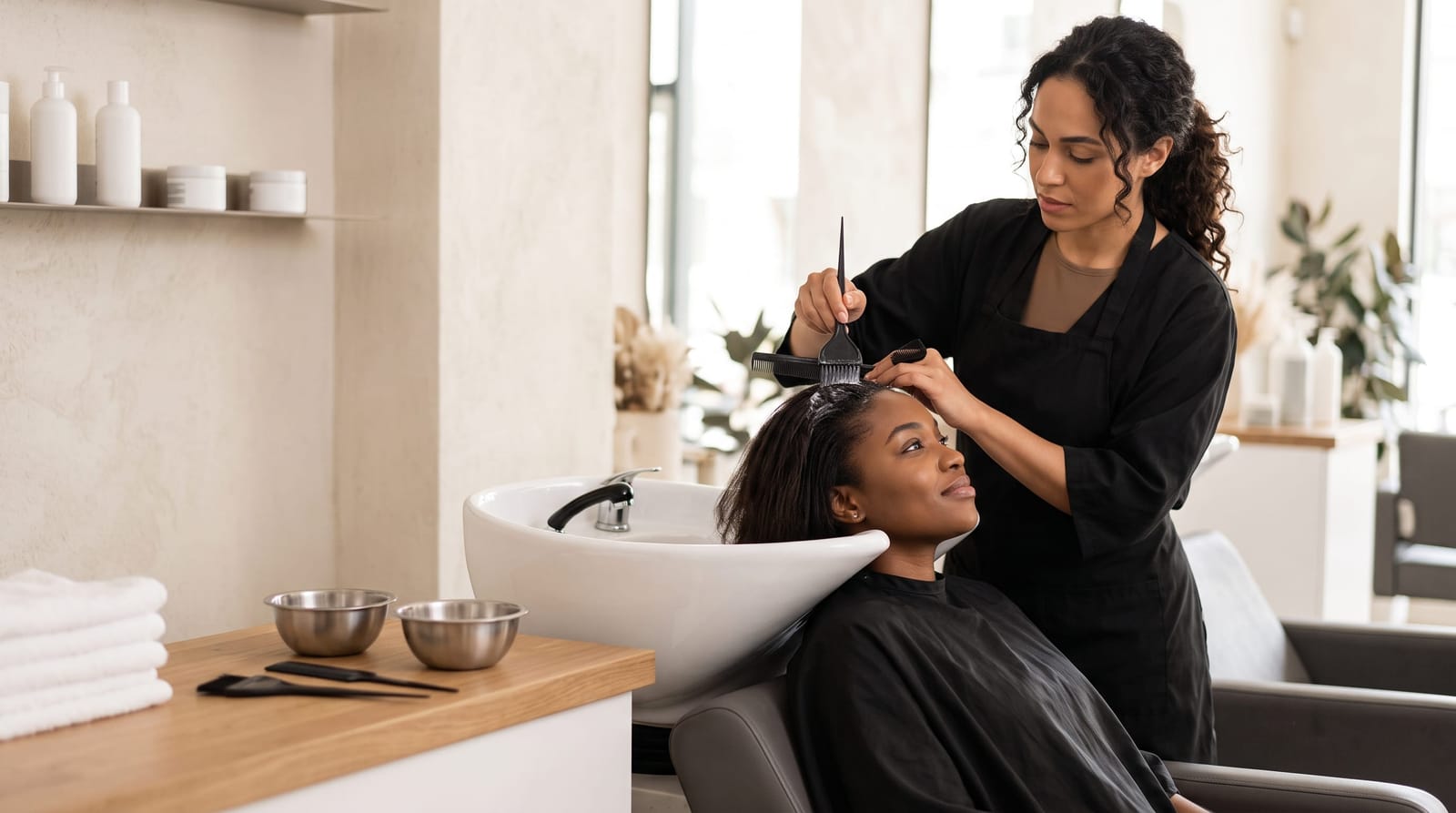
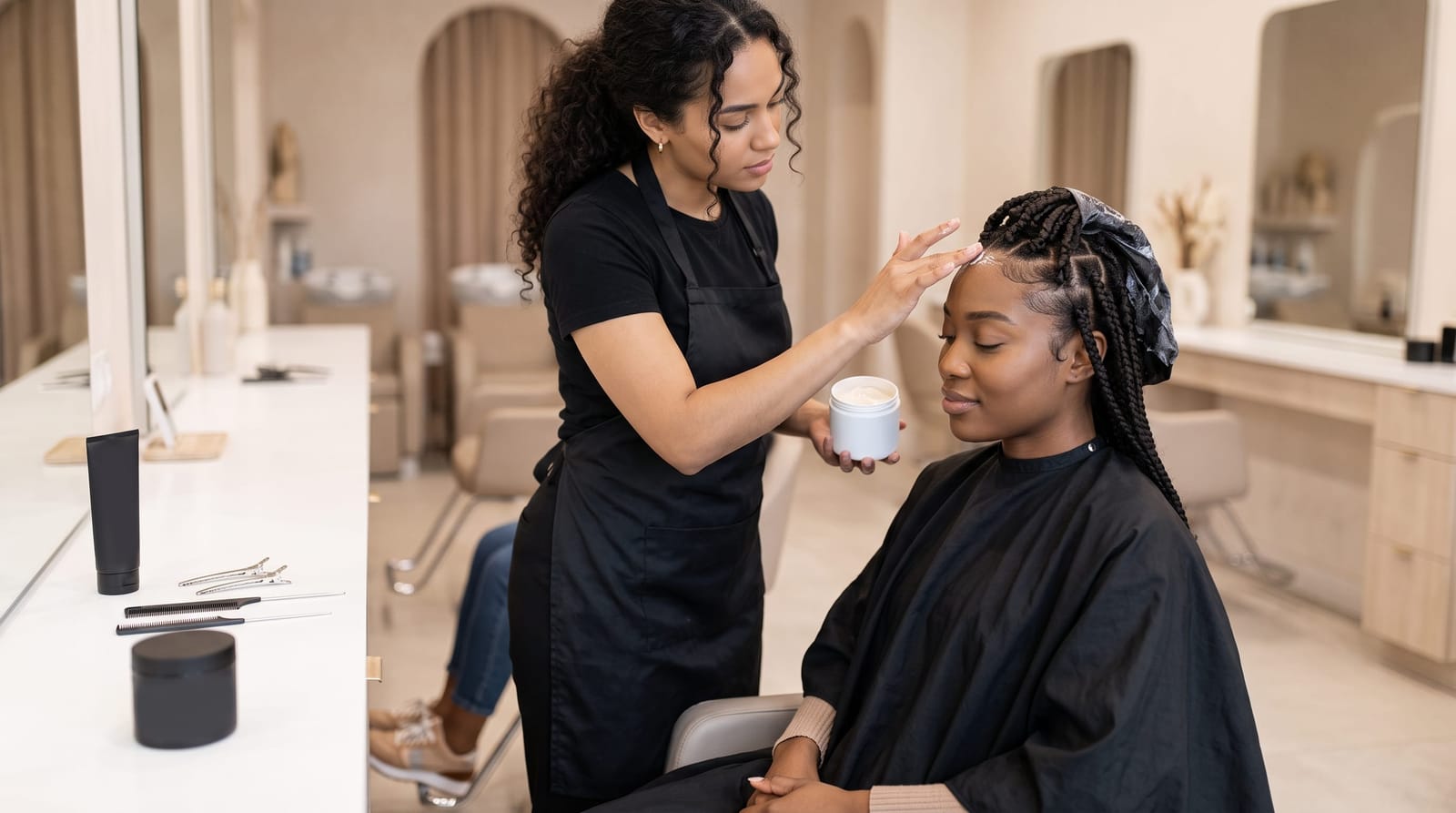
Edge preservation is something that happens both in the salon and at home, and the best results come from treating it as a shared effort. At Kabelly, professional relaxer and texturizer services are approached with careful attention to the hairline, including precise application to avoid overprocessing delicate perimeter hair and scalp care practices that support the condition of your edges between visits.
When you come in for your appointment, do not hesitate to mention how your edges have been responding since your last service. A skilled stylist will factor your feedback into how they approach the application, the processing time, and any aftercare guidance they share with you. The more your stylist knows about your at-home routine and how your hair is responding, the better equipped they are to give you a result that supports your hair's long-term health, not just how it looks on the day of your appointment.
Frequently Asked Questions
How often should I moisturize my edges if I use a relaxer?
Most people benefit from moisturizing the hairline area at least a few times per week, though this depends on how dry your hair tends to feel between washes. A lightweight leave-in conditioner followed by a small amount of oil or edge butter applied gently is a good starting point. You can adjust the frequency based on how your edges respond over time.
Can protective styles damage edges even if they look neat?
Yes, tension is the key factor rather than how a style looks. A style that appears smooth and polished can still place consistent stress on the hairline if it is installed very tightly or worn for extended periods without breaks. Rotating styles and allowing the hairline to rest regularly is the most effective way to minimize cumulative tension over time.
How do I know if my edges are thinning from styling or from the chemical treatment itself?
It is usually a combination of factors rather than one single cause, and it can be difficult to identify the source on your own. The best approach is to speak directly with your stylist at your next appointment. A professional can look at your hairline, ask about your routine, and offer observations that help you both make informed decisions moving forward. This is general informational guidance: a licensed professional who can see your hair in person is always the right resource for a specific concern.
Should I apply edge products to my hairline every day?
Daily application of heavy edge-control products is generally not recommended for long-term hair health because buildup can clog the scalp and some formulas rely on ingredients that dry out strands over time. On low-manipulation days, a light oil or leave-in may be all you need. Save heavier-hold products for styled occasions and cleanse your hairline thoroughly on wash day to remove any residue.
Bringing It All Together
Healthy edges after repeated chemical treatments are absolutely achievable, and they are most reliably maintained through a consistent combination of at-home moisture care, mindful styling habits, and an open relationship with your stylist. The steps outlined here are practical starting points, not a rigid prescription, so feel free to adapt them to what works best for your hair and lifestyle. If you are still exploring your overall approach to chemical straightening, our broader guide on relaxers versus texturizers for natural hair offers helpful context for understanding the full picture. Your edges are worth the extra care, and Kabelly is here to support that goal every step of the way.