Hair Color Correction: When Things Go Wrong
Even with the best intentions, hair color doesn't always turn out the way you planned. Whether you attempted a DIY dye job at home, visited an inexperienced stylist, or simply experienced an unexpected chemical reaction, color mishaps happen, and they can be genuinely distressing. As part of our broader approach to professional hair color and highlighting services, this guide covers everything you need to know about hair color correction service: what it is, what causes color disasters, and how a skilled colorist can bring your hair back to life.
What Is a Hair Color Correction Service?
A hair color correction service is a professional treatment designed to fix unwanted, uneven, or damaging color results. Unlike a standard color appointment, color correction is a multi-step process that requires advanced technical knowledge, specialized products, and, in many cases, more than one salon visit to achieve the desired outcome safely.
The goal of a hair color correction service is twofold: restore your hair to a color you actually love and minimize further damage along the way. Because corrective color work often involves bleach, toners, fillers, and bond-building treatments used in combination, it's one of the most complex services a colorist can perform. This is not a job for guesswork: it requires a thorough consultation, strand testing, and a carefully mapped treatment plan.
Hair color correction service pricing varies widely depending on the severity of the problem, the length and thickness of your hair, and how many sessions are needed. Budget for a consultation fee upfront, as most reputable salons require this before committing to a correction plan.
Common Color Mishaps That Require Professional Correction
Understanding what went wrong is the first step in fixing it. Here are the most frequent color problems that bring clients into the salon for a professional hair color correction service:
- Brassiness and orange tones: This is especially common after bleaching dark hair without proper toning. When the bleach lifts pigment unevenly, warm red and orange undertones are left behind instead of the cool blonde you were going for.
- Uneven or patchy color: Box dyes in particular are notorious for applying inconsistently, especially on hair that already has color on it. The result is splotchy, multi-tonal color that looks unintentional.
- Color that is too dark: Applying a shade that is several levels darker than your natural color can be incredibly difficult to reverse. Dark pigments penetrate the hair shaft deeply and require careful lightening to remove without breakage.
- Green tones in blonde hair: Mineral buildup from hard water or chlorine exposure can cause blonde hair to take on an unwanted green cast, particularly after pool season.
- Faded or washed-out color: Color that fades too quickly, often turning ashy, dull, or translucent, is a sign the hair wasn't properly prepared or the wrong formula was used.
- Botched highlights: Highlights placed too close together, in the wrong sections, or with improper timing can result in streaky, unnatural-looking results that are far from the sun-kissed effect most clients want.
The Professional Hair Color Correction Process: Step by Step
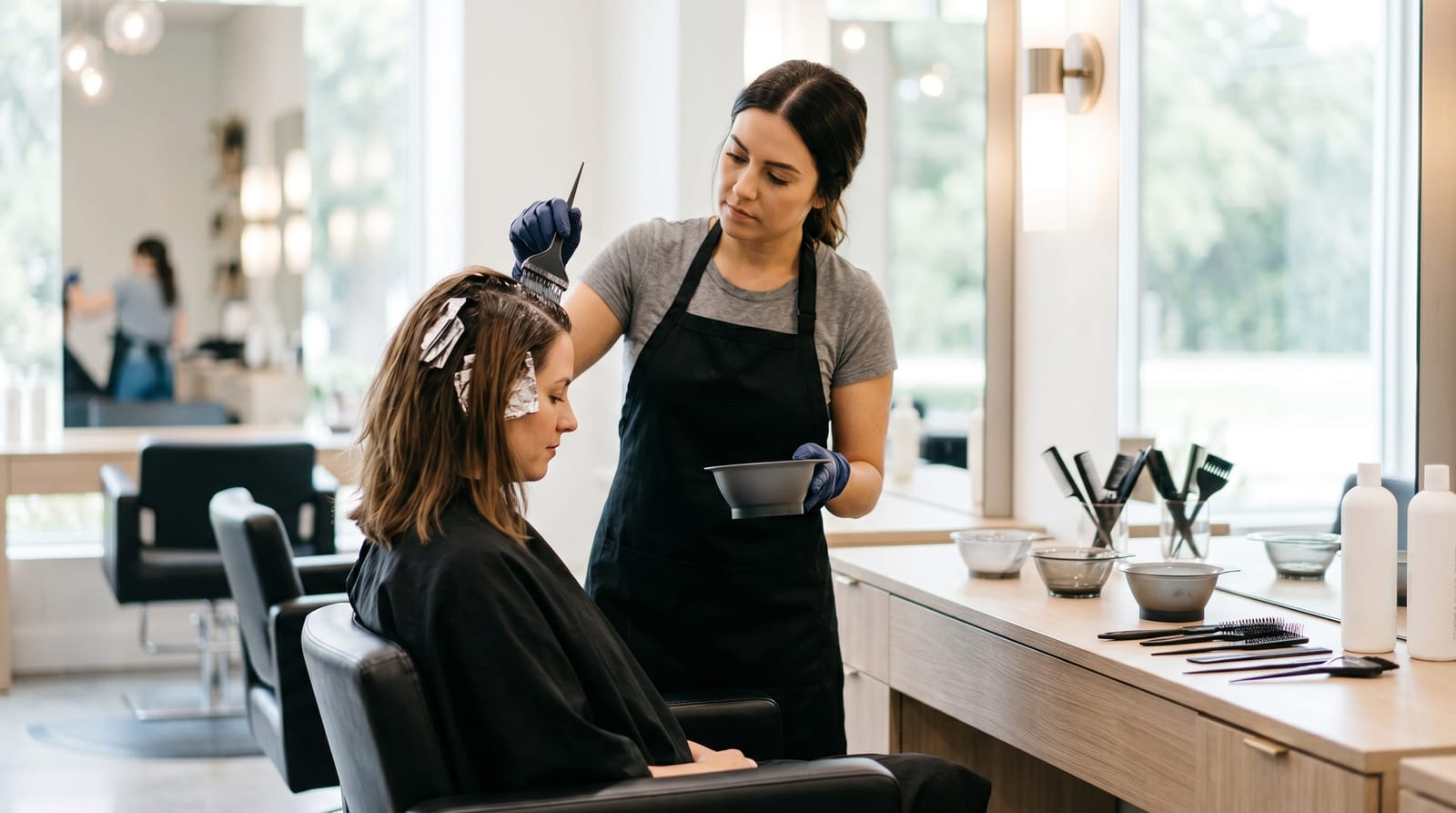
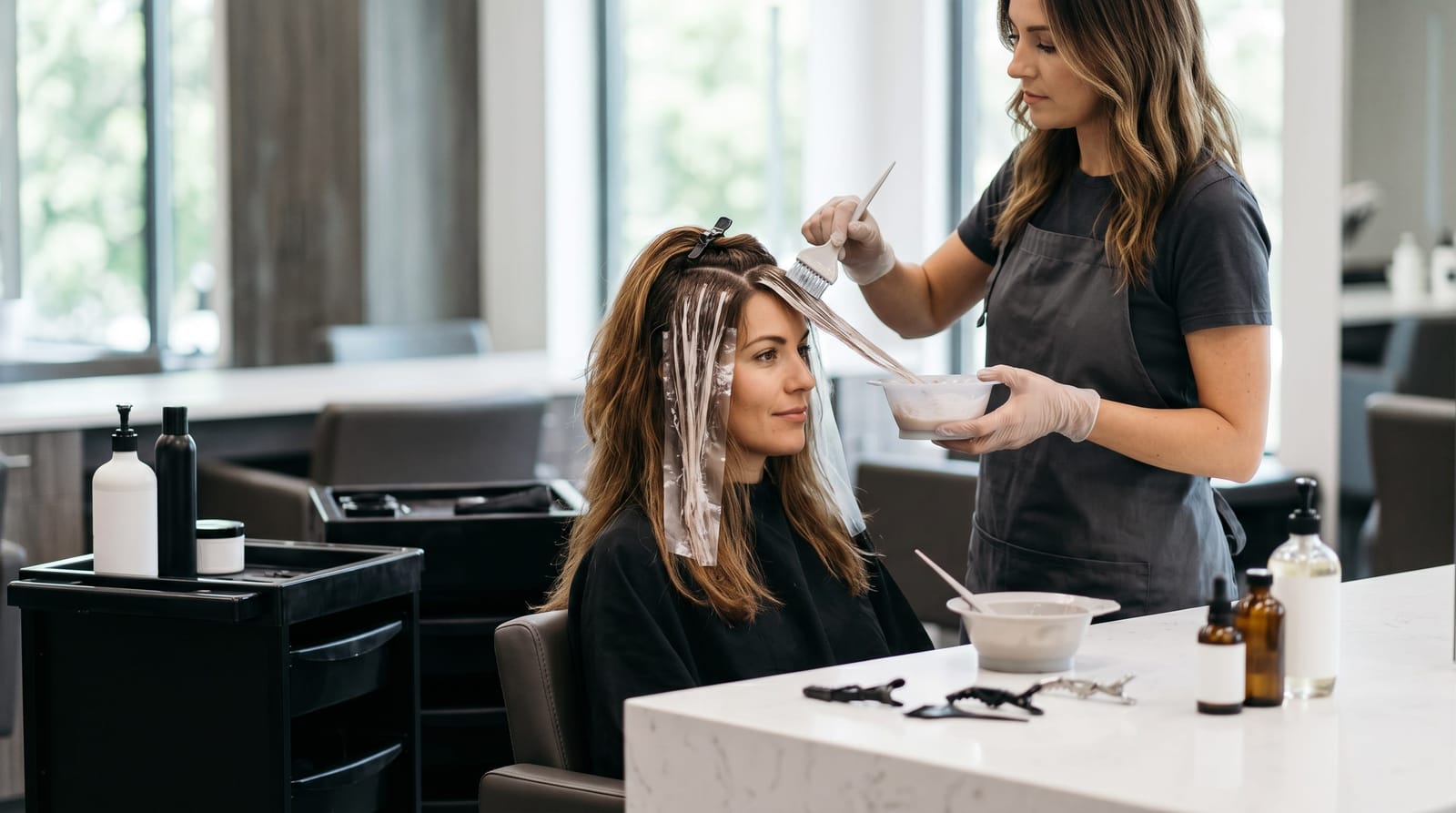
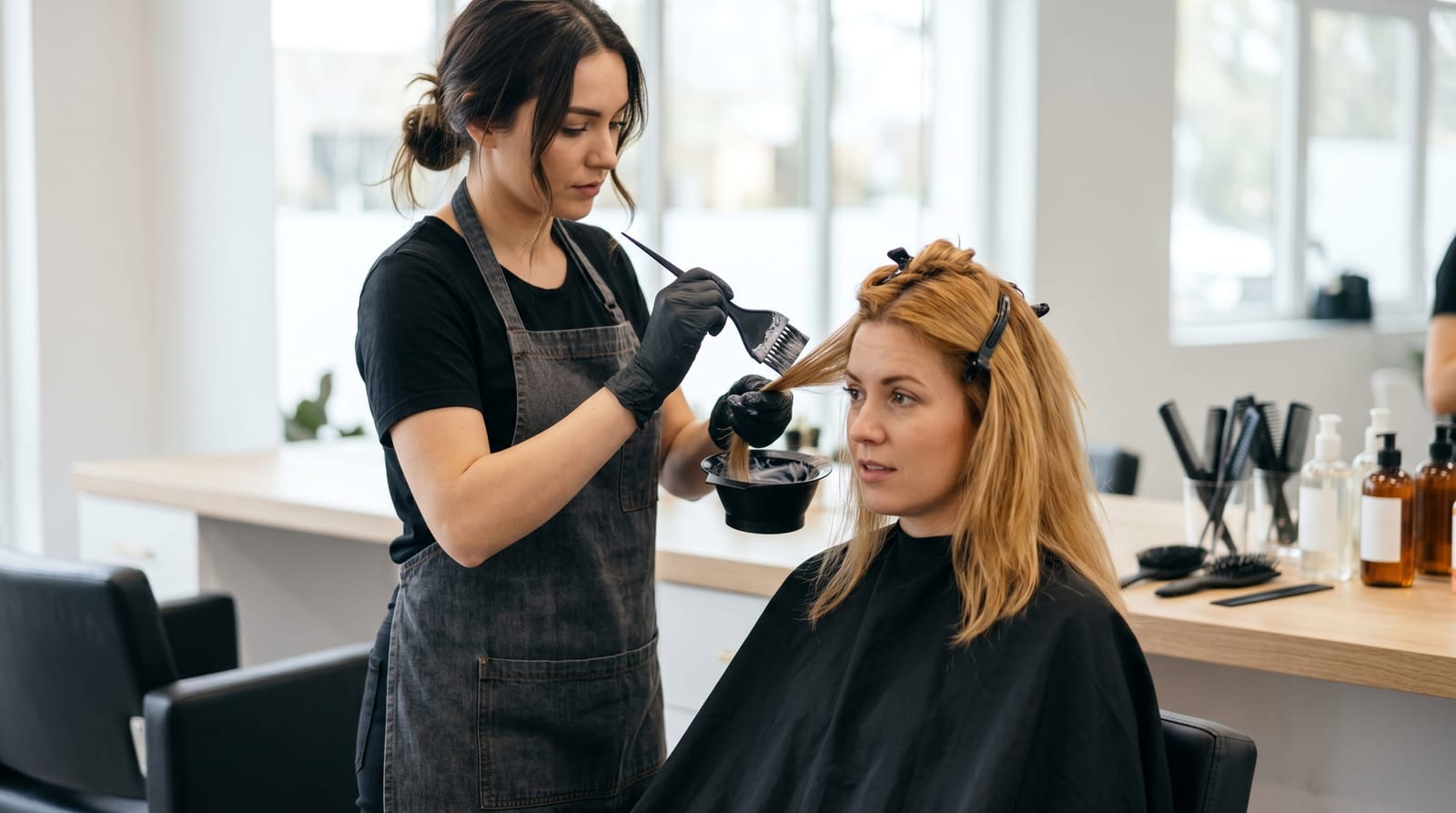
When you come in for a hair color correction service, here's what a skilled colorist will typically do:
- In-depth consultation: Your colorist will assess your current color, examine the condition of your hair, and discuss your goal. Honest communication here is critical: your stylist needs to know every product that has been on your hair, including box dye, henna, or metallic dyes.
- Strand testing: Before any product touches your full head of hair, a strand test checks how your hair will respond to the planned treatment. This step protects your hair's integrity and helps predict the final result.
- Color removal or lightening: Depending on the correction needed, this might involve a color remover (which strips artificial pigment without bleach), a bleach wash (a gentler lightening option), or full bleach application in targeted areas.
- Toning or re-coloring: Once the unwanted color is neutralized or lifted, your colorist will apply a toner or new color formula to achieve the target shade. This step also corrects underlying warm tones and creates evenness across the hair.
- Bond-building and conditioning treatments: Products like Olaplex or similar bond-repair treatments are often incorporated throughout the process to minimize structural damage and restore moisture.
Depending on the complexity of your situation, achieving your ideal result might take two or three sessions spaced several weeks apart to protect your hair's health. Understanding hair color duration longevity is especially important after a correction service, since your hair's porosity may cause color to fade differently than it would under normal circumstances.
When You Should Seek Professional Help Immediately
Some color problems are more urgent than others. Don't wait on a color correction service if you're experiencing any of the following:
- Scalp irritation, burning, or redness after a color service: this could indicate a chemical reaction or allergic response that needs to be addressed right away.
- Significant breakage or hair loss after bleaching, which signals that the hair's structural integrity has been compromised.
- Severe uneven or patchy results that are affecting your confidence and daily life: the longer uneven color sits on the hair, the more difficult some corrections become.
- Unexpected color results after using box dye over previously colored hair, especially if the new color pulled extremely dark, greenish, or muddy tones.
The temptation to fix a bad color result at home is understandable, but attempting to correct a color correction yourself almost always makes the situation worse. Layering more chemicals on already-stressed hair can lead to severe damage or breakage. Trust a professional colorist who specializes in corrective work.
How to Avoid Color Mistakes in the Future
The best hair color correction service is the one you never need. Here's how to protect yourself going forward:
- Always book a consultation before a major color change, especially if you're going significantly lighter or darker.
- Be completely transparent with your colorist about your color history, including any box dye or at-home treatments.
- Avoid DIY bleaching at home: this is one of the leading causes of color correction appointments in salons across the DMV area.
- Follow your colorist's recommended maintenance routine, including color-safe shampoo, weekly conditioning masks, and heat protection.
- Schedule regular gloss or toner appointments to maintain color vibrancy and prevent brassiness from developing.
Frequently Asked Questions About Hair Color Correction Service
How many sessions does a hair color correction service take?
It depends on the severity of the problem. Minor corrections, like removing brassiness or evening out patches, can often be addressed in a single visit. More complex corrections, such as going from black box dye to blonde, typically require two to four sessions spaced three to six weeks apart to protect hair health throughout the process.
Why is hair color correction service more expensive than a regular color appointment?
Color correction takes significantly more time, uses more products, and demands advanced technical expertise. A standard color appointment might take one to two hours; a complex hair color correction service can take four to six hours or more. The pricing reflects the skill, product cost, and time involved.
Can all color mistakes be corrected?
Most color problems can be improved significantly, but results depend on the current condition of your hair. If your hair has experienced extreme chemical damage, your colorist may recommend a period of intensive conditioning treatments before any corrective color work can safely begin. In rare cases, a haircut may be the healthiest path forward.
Will hair color correction damage my hair?
All chemical processes carry some risk, but a skilled colorist uses techniques and bond-building treatments that minimize damage throughout the hair color correction service. The most important factor is working with a professional who prioritizes your hair's health alongside the aesthetic result, not just rushing to achieve the target color in one session.
Conclusion
A hair color correction service is one of the most technically demanding treatments in the salon, but in the right hands, it's also one of the most transformative. Whether you're dealing with brassy tones, uneven patches, or a box-dye disaster, professional color correction can restore both your color and your confidence. The key is acting promptly, being honest with your colorist, and trusting the process, even when it takes multiple sessions to get there. When it comes to your hair color journey in the DMV, working with an experienced professional from the start is always the safest investment you can make.