Hair Highlights: Techniques for Dimensional Color
When it comes to transforming your look at a hair highlights salon, few services deliver the kind of immediate, head-turning impact that professionally applied highlights can achieve. Whether you're after sun-kissed brightness, deep contrast, or a seamless blend of tones, highlights add dimension and movement that flat, single-process color simply cannot replicate. As part of our broader approach to professional hair color service at our Dominican salon, highlighting is one of the most requested and most nuanced techniques we offer. In this guide, we'll walk you through the most popular highlighting methods, how to choose the right shades for your complexion and hair type, what to expect during your appointment, and how to keep your highlighted hair looking vibrant between visits.
What Are Hair Highlights and Why Do They Work?
Hair highlights are sections of hair that have been lightened, or occasionally darkened, to create contrast against your base color. The result is a multidimensional effect that mimics the way natural sunlight interacts with hair. Rather than coating every strand in a single shade, highlights allow light to bounce off different layers, creating depth, movement, and visual texture.
The science behind why highlights work so well is simple: our eyes perceive contrast as dimension. When some strands are lighter and some are darker, your hair appears fuller, more layered, and more dynamic, even if the cut itself hasn't changed. This is particularly valuable for clients with fine or thin hair, where highlighted sections can create the illusion of thickness and body.
Highlights are also one of the most customizable color services available at a hair highlights salon. Your stylist can adjust:
- The placement: face-framing, crown-focused, scattered throughout, or concentrated at the ends
- The saturation: subtle and natural or bold and high-contrast
- The tone: warm golds and coppers, cool ashy blondes, or rich caramels
- The technique: foil, balayage, cap, or a combination
Understanding these variables helps you walk into your salon appointment with clarity about your goals, and helps your stylist deliver results that truly suit you.
Popular Highlighting Techniques: Foil, Balayage, and Beyond
One of the most common questions clients ask at a hair highlights salon is: "What's the difference between all these techniques?" The answer matters, because the method your stylist chooses directly affects the final look, the maintenance schedule, and even the health of your hair.
Traditional Foil Highlights
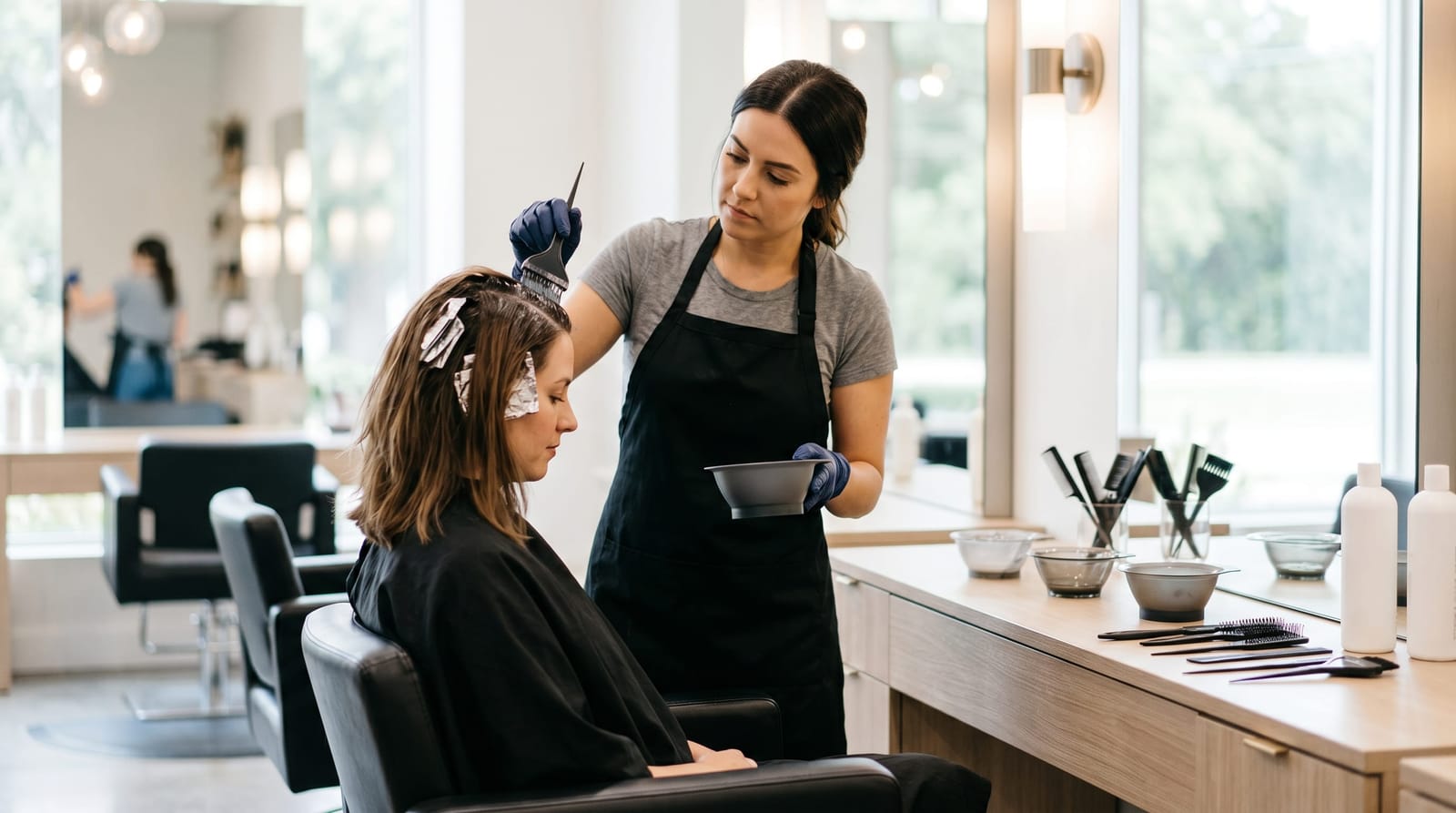
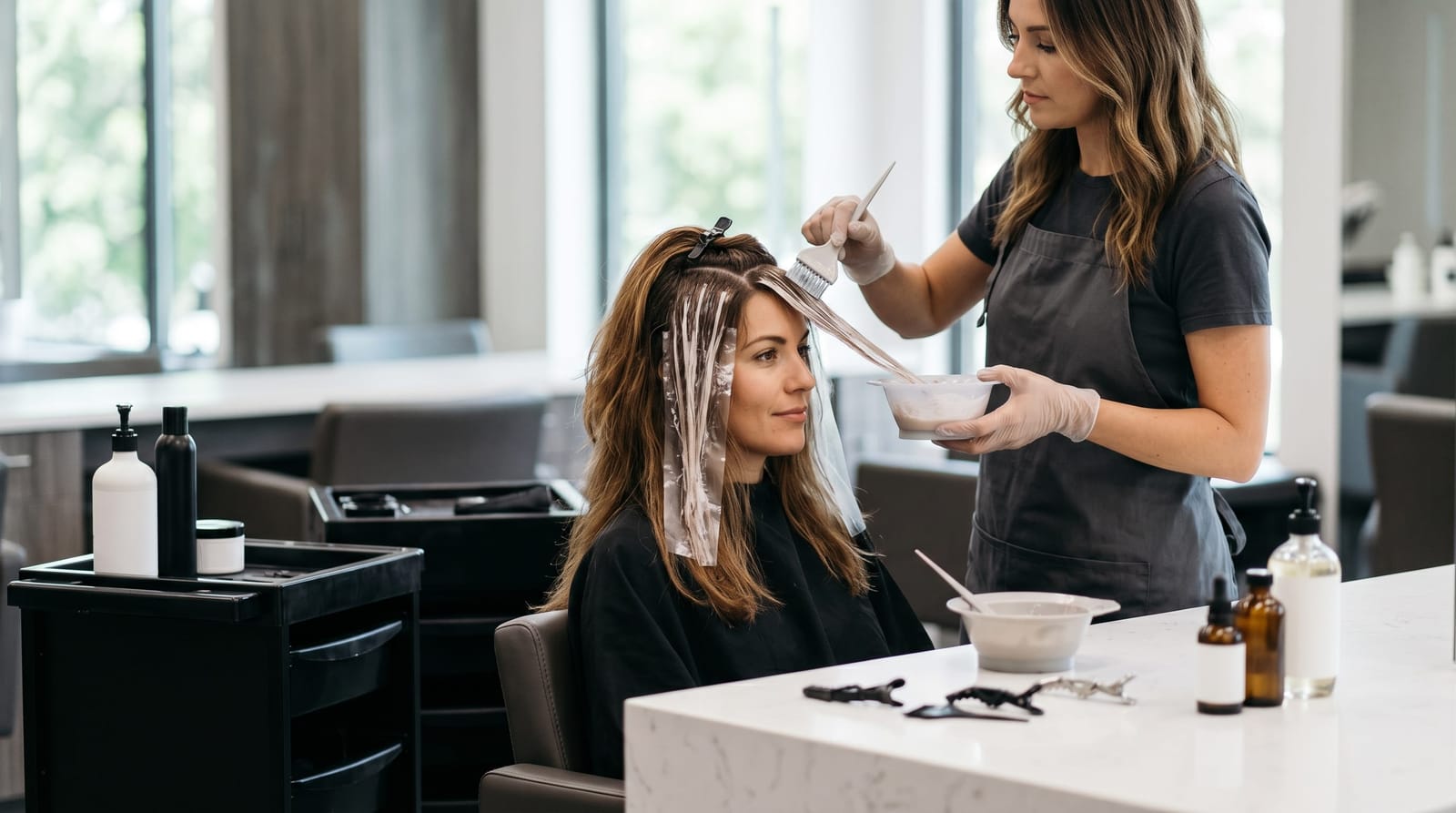
Foil highlighting is the classic method. Your stylist weaves or slices sections of hair, applies lightener or color, and wraps each section in a foil to isolate it from the rest of your hair. This isolation creates very precise, consistent results. Foil highlights tend to produce bolder, more defined contrast and are ideal for clients who want a dramatic transformation or very uniform lightness throughout the hair. Because the foil creates heat, the lightener processes more quickly, making it an efficient option for achieving maximum lift.
Balayage
Balayage, the French word for "sweeping", is a freehand technique where color is painted directly onto the hair without foils. The result is softer, more blended, and more naturally sun-kissed than traditional foil highlights. Balayage tends to concentrate color at the mid-lengths and ends, leaving the roots darker for a lived-in look that grows out gracefully. This technique is especially popular among clients who want lower maintenance highlights, since there's no harsh regrowth line to manage.
Ombré and Sombré
Ombré is a gradient technique where hair transitions from dark at the roots to light at the ends. Sombré (soft ombré) is a subtler, more blended version. These techniques work beautifully for clients who want visible dimension without the commitment of color throughout the entire length of their hair.
Cap Highlights
The highlighting cap method uses a rubber or plastic cap with small holes. The stylist pulls sections of hair through the holes using a hook and applies lightener to those exposed sections. This method creates very fine, uniform highlights and is often used for shorter hair or when a highly consistent, finely speckled effect is desired. While less common in modern salons than foil or balayage, it remains a reliable option for specific looks.
Full Highlights vs. Partial Highlights: What's Right for You?
When you visit a hair highlights salon, you'll typically be asked whether you want full or partial highlights, and that choice has a significant impact on the outcome and the investment.
Full Highlights
Full highlights cover the entire head, from the root area all the way through the lengths and ends. They're the right choice when you want comprehensive brightness and dimension throughout your hair. Full highlights create the most dramatic transformation and are ideal for clients starting fresh or making a significant color change. At many salons in the DMV area, full highlights for long hair typically range from $120 to $560 depending on the salon, stylist experience, and technique used.
Partial Highlights
Partial highlights are applied only to specific sections: most commonly the top layer, the crown, or the face-framing pieces. They're a more targeted, budget-friendly option for clients who want to enhance their look without a full transformation. Partial highlights are also a smart maintenance strategy: if your previously highlighted hair is in good shape throughout most of its length, refreshing just the top layer or the face-framing sections can revitalize your look without unnecessary processing of healthy hair.
High/Low Light Combinations
Many clients at a hair highlights salon opt for a combination of highlights (lighter) and lowlights (darker) applied together. This creates the most realistic, multidimensional result, because natural hair is rarely one tone. Mixing lighter and darker strands mimics the complexity of naturally sun-exposed hair and adds depth that all-over lightening alone cannot achieve.
Choosing the Right Highlight Shades for Your Skin Tone and Base Color
The most technically skilled highlighting application in the world falls flat if the shades chosen don't complement your complexion and natural base color. Shade selection is where artistry truly comes into play at a professional hair highlights salon.
For Warm Skin Tones
Clients with warm, golden, or olive undertones tend to look stunning with caramel, honey, copper, and golden blonde highlights. These shades echo the warmth already present in the skin and create a harmonious, glowing effect. Avoid going too cool or ashy: platinum highlights against a warm complexion can look stark and draining.
For Cool Skin Tones
Clients with pink, beige, or cool undertones shine with ashy blonde, platinum, cool brown, and champagne highlights. These tones balance the coolness of the complexion without competing with it. Warm copper or brassy highlights can clash with cool skin tones and create an unflattering contrast.
For Neutral Skin Tones
Lucky clients with neutral undertones have the most flexibility. Both warm and cool highlight shades tend to work well, so this is a great opportunity to experiment with trend-forward colors like dimensional brunette, lived-in blonde, or even subtle fashion shades like rose gold and soft copper.
Your stylist at a hair highlights salon should also consider your natural base color when recommending shades. Very dark brown or black hair requires more processing to achieve significant lightness, while medium brown hair may reach golden or caramel tones more easily and with less damage.
Special Considerations: Textured and Previously Chemically Treated Hair
Not all hair is the same, and a skilled hair highlights salon stylist will always assess the current condition and history of your hair before applying any lightener. This is especially important for clients with textured, natural, or chemically treated hair.
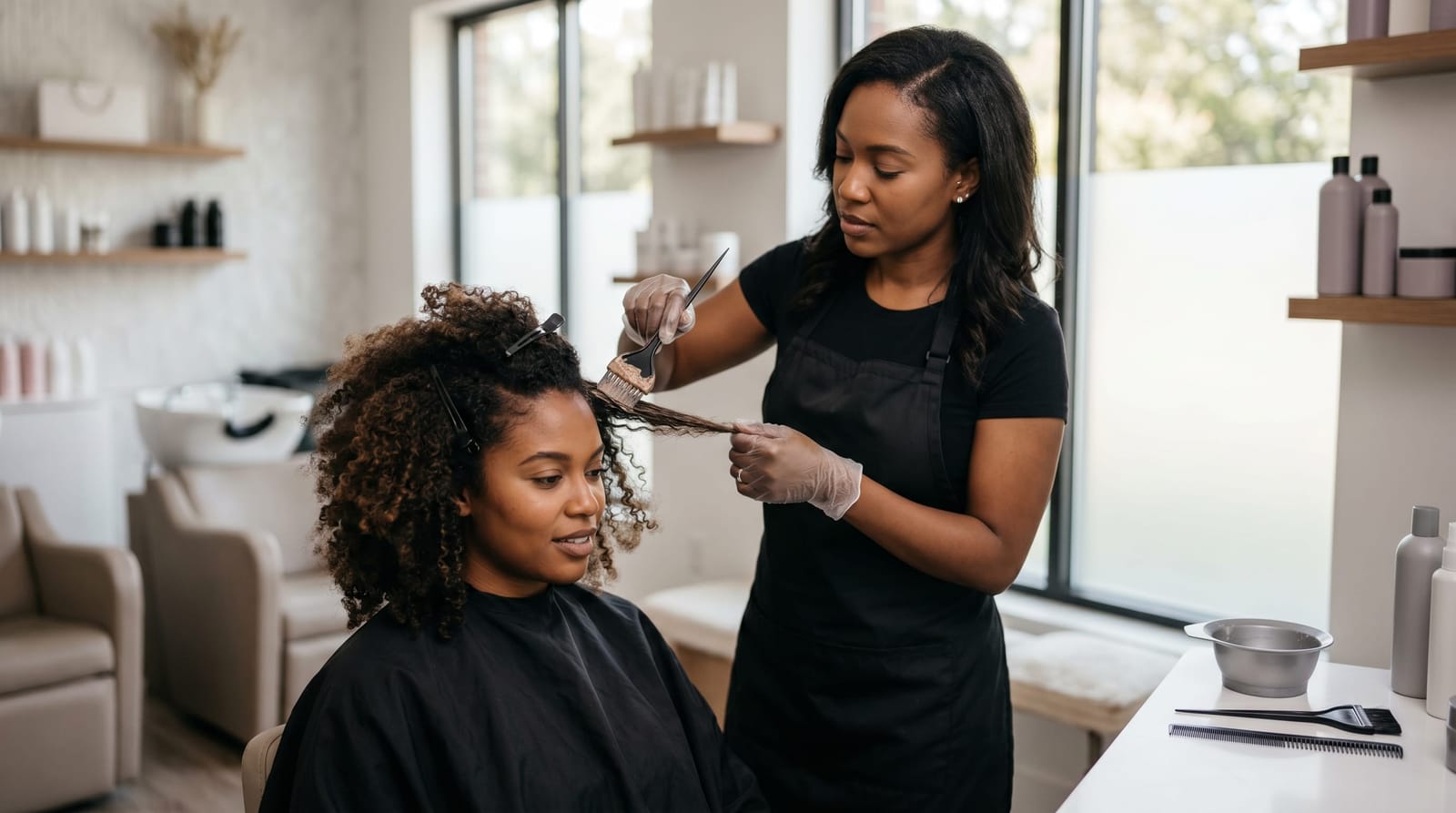
If you have curly or coily natural hair, highlighting can actually be a beautiful way to enhance your curl pattern: lighter sections often appear to have more definition and bounce. However, the lightening process requires extra care to maintain moisture and elasticity, which are critical for textured hair health.
If your hair has been previously chemically straightened, the situation requires even more careful evaluation. The intersection of relaxer chemistry and highlighting lightener is something that should only be handled by an experienced colorist. For a deeper look at this specific scenario, our guide on highlights on relaxed hair covers the safety considerations and recommended approaches in detail.
Maintaining Your Highlights: Keeping Color Vibrant and Hair Healthy
Getting highlights at a hair highlights salon is an investment, and like any investment, it rewards proper care. How you treat your highlighted hair at home determines how long your color stays vibrant, how healthy your strands remain, and how quickly you'll need to return for a refresh.
At-Home Care Essentials
- Use a sulfate-free, color-safe shampoo: sulfates strip color and moisture far more aggressively than gentle cleansers
- Deep condition weekly - lightening chemically alters the hair's protein structure; regular conditioning restores moisture and resilience
- Use a purple or blue toning shampoo if you have blonde or light highlights, to neutralize brassiness between salon visits
- Apply a heat protectant every time you use hot tools: highlighted hair is more susceptible to heat damage than virgin hair
- Protect from UV exposure: sunlight can cause highlighted hair to turn brassy or fade prematurely
When to Return to the Salon
The timing of your highlight touch-ups depends on the technique used and how dramatic your highlights are. Balayage clients often go three to six months between appointments due to the soft, grown-out look the technique is designed to create. Foil highlight clients typically return every six to ten weeks to refresh regrowth and maintain brightness. Understanding your personal highlight touch up timing is one of the most important factors in managing both the look and cost of your color service over time.
Related Topics Worth Exploring
Hair highlights exist within a broader ecosystem of color services and hair care decisions. If you're considering highlights as part of a larger color transformation, it's worth understanding how they interact with other services. Our guide to professional hair color service options provides context for how highlights fit alongside full color treatments, gloss services, and toning, all of which can be combined for a truly customized result.
We also cover color-specific considerations for clients with natural or textured hair, as well as detailed guidance on long-term color maintenance and hair health protection: topics that are particularly relevant for anyone committing to a regular highlighting schedule.
Conclusion
Whether you're visiting a hair highlights salon for the first time or looking to refine your existing color approach, understanding the techniques, shade selection strategies, and maintenance requirements of professional highlights puts you in the best possible position to achieve, and sustain, beautiful results. From classic foil highlights to hand-painted balayage, the right technique depends on your hair type, lifestyle, and aesthetic goals. The most important step is working with a skilled colorist who takes the time to understand your hair history and your vision.
Ready to explore what dimensional highlights can do for your look? Contact our Dominican salon today to schedule a consultation: we'll help you find the perfect highlighting approach for your hair type, complexion, and maintenance preferences.