Extension Styles for Special Events: What to Book Before Your Next Big Occasion
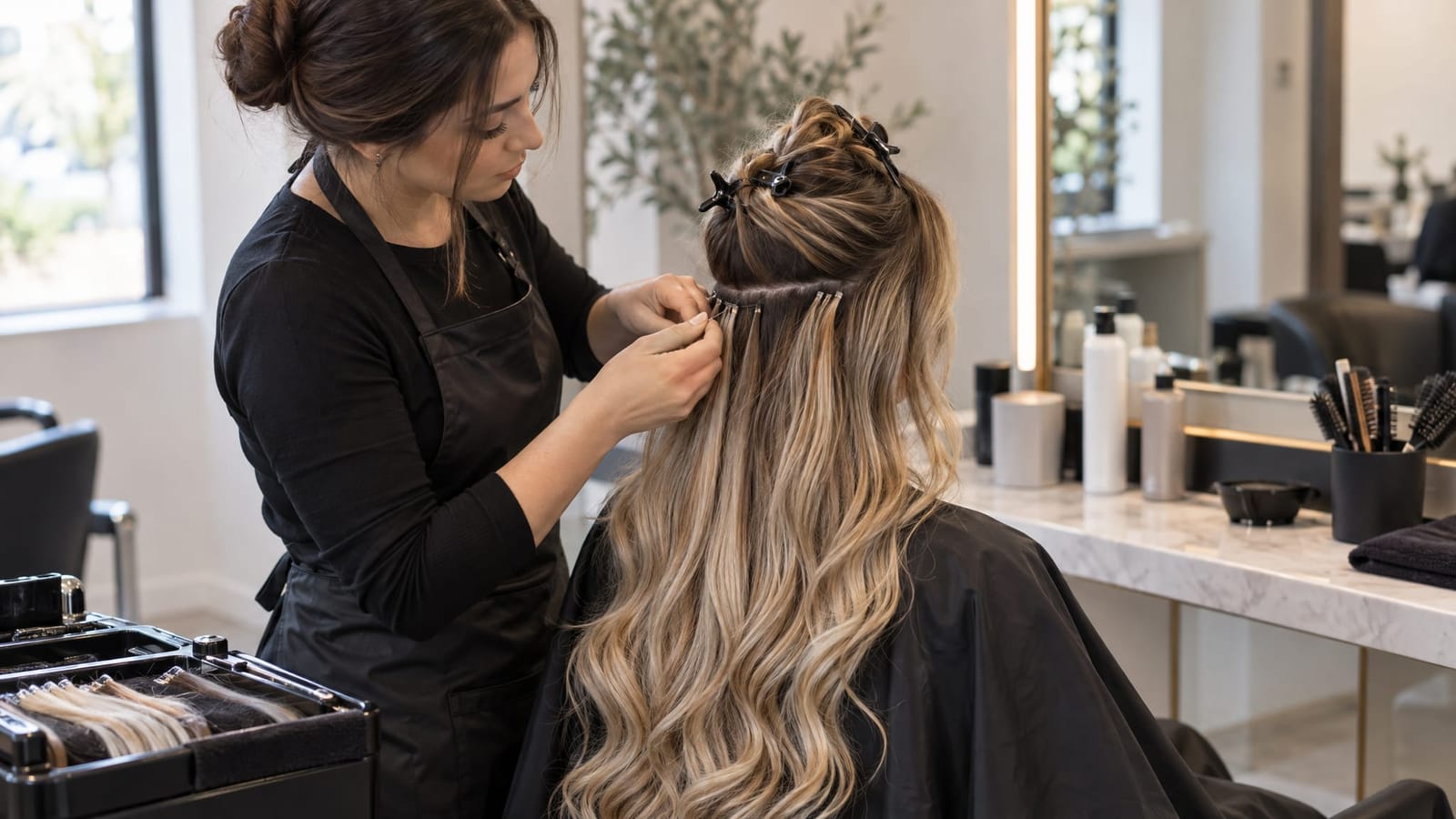
The best extension styles for events start with the finished look, not simply the longest hair. For a corporate reception, that might mean a smooth, shoulder-length shape. For a wedding or gala, it could mean soft waves, fuller curls or a chignon with enough volume to balance your neckline.
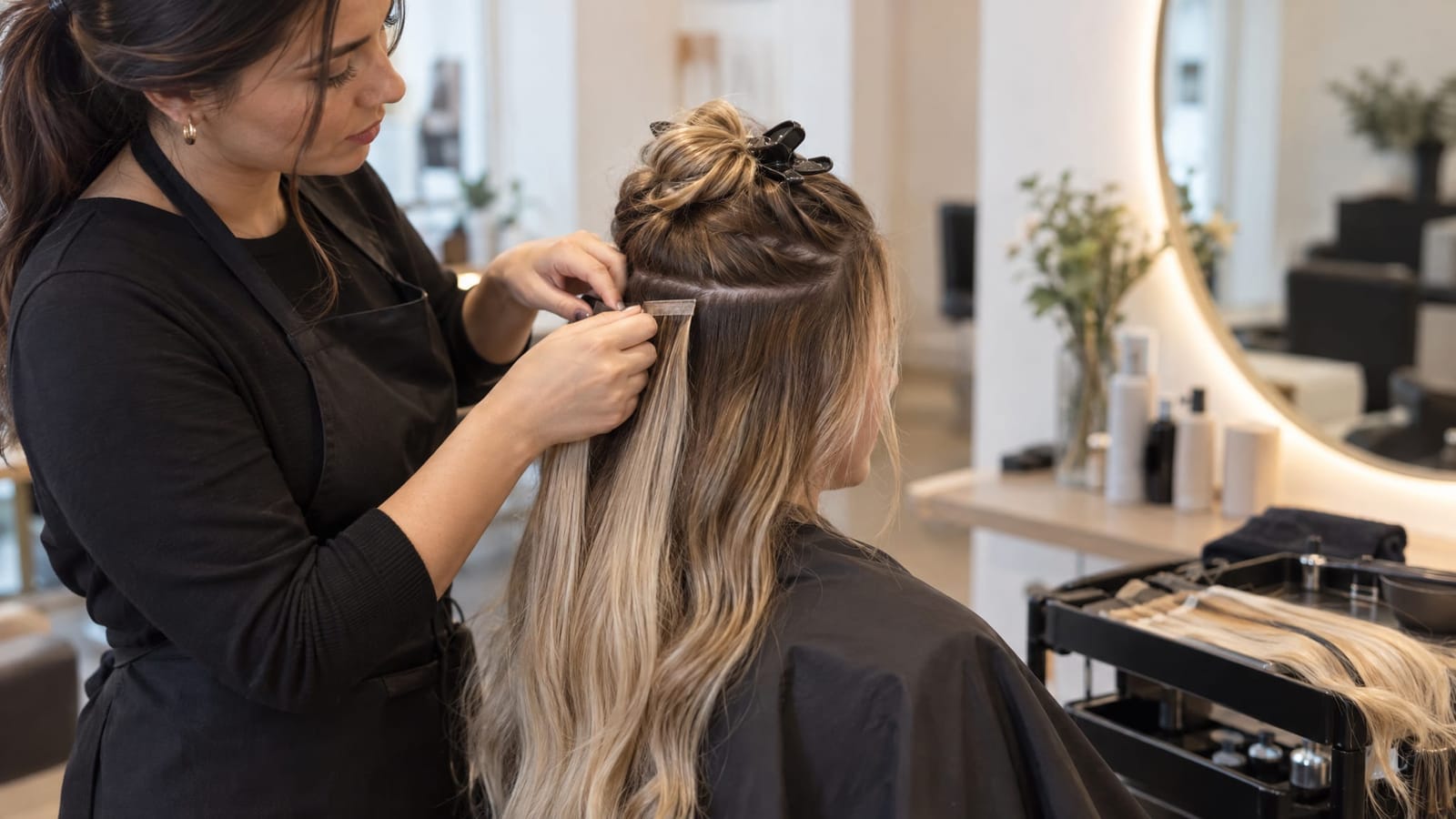
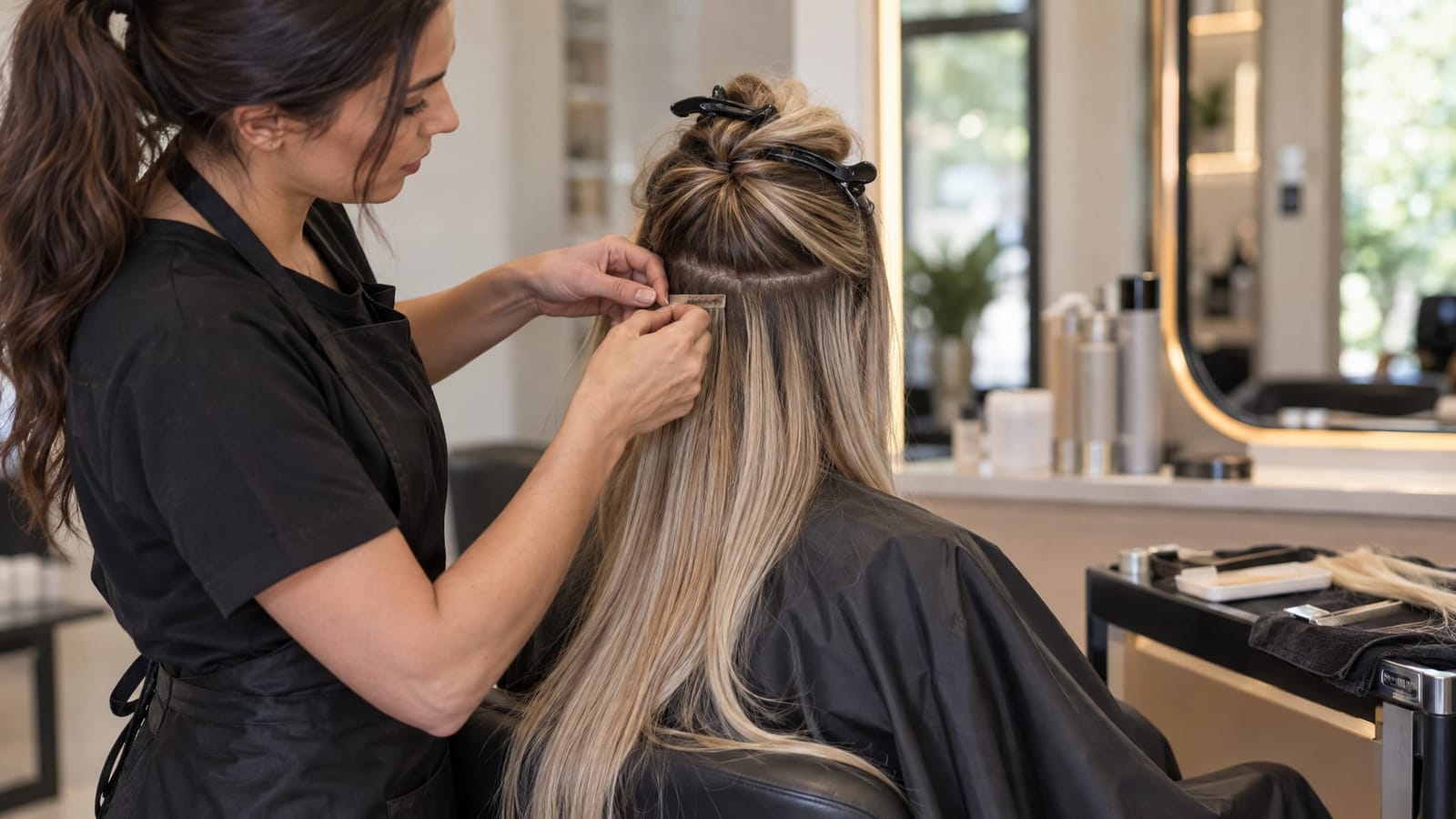
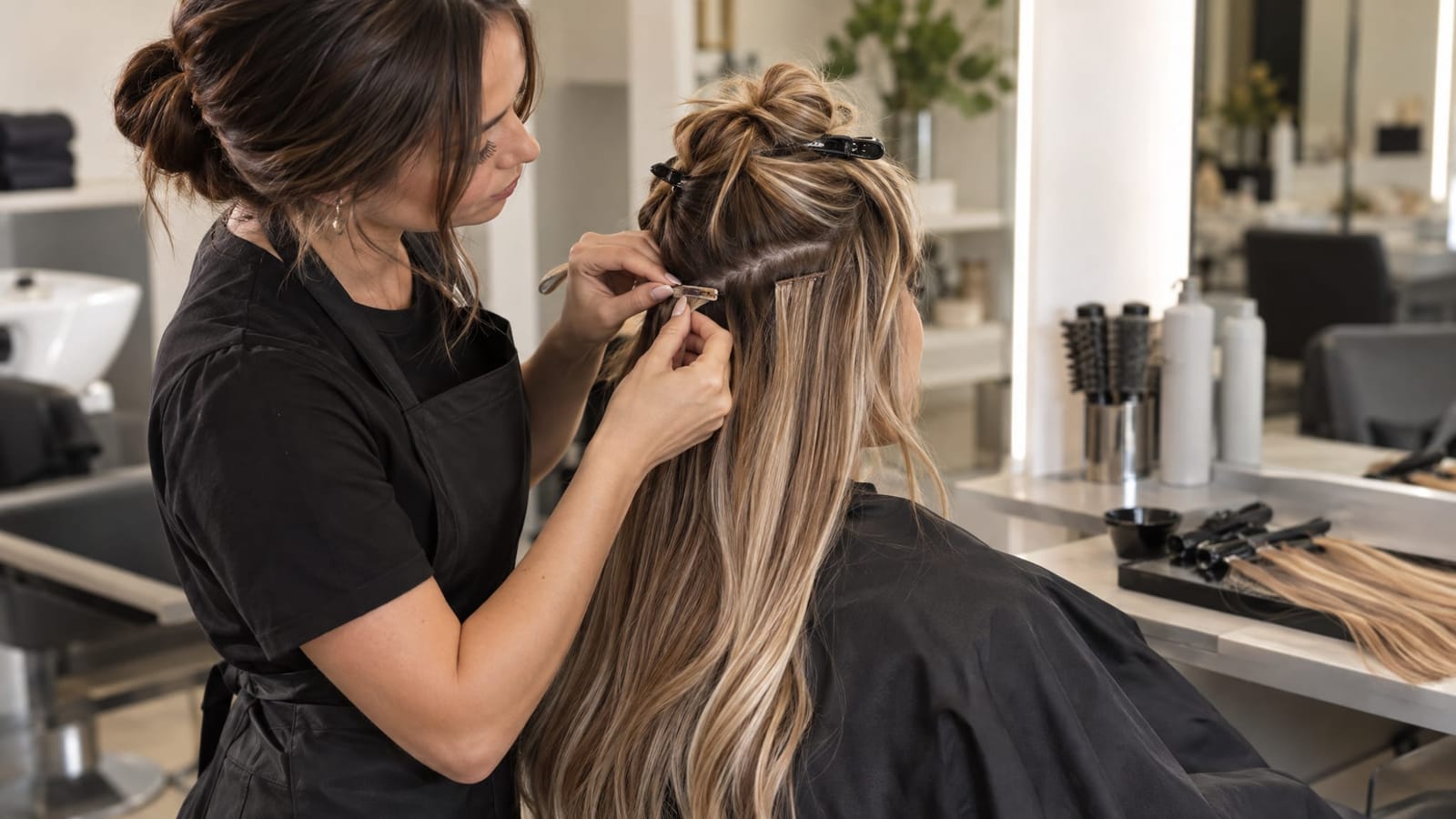
For a single occasion, clip-ins offer temporary fullness and length. If you prefer an installed option, plan the attachment method before choosing an updo or ponytail, because placement affects which styles conceal the extensions. If you already wear extensions, a fresh styling plan may be all you need.
At Kabelly Dominican Salon in Clinton, we offer Clip-In Extensions, Glue Extensions, Quick Weave and Extension Style services. These ten looks can help you describe your preferred finish and understand the decisions behind it.
1. A Sleek Shoulder-Length Shape for Corporate Events
A smooth, shoulder-length style keeps the silhouette simple while leaving room for movement. Extensions can add fullness through the sides and ends without creating a dramatic change in length.
The key detail is the perimeter, the outline formed by the ends of your hair. A blunt finish makes uneven blending more noticeable, so the extensions and your own hair need to work together as one shape.
Planning point: Decide on your part before placement. Moving from a center part to a deep side part later can change how well the attachments stay covered.
2. Long, Smooth Layers for Awards Dinners
Long layers create a flowing outline that works well with a simple dress or tailored outfit. Unlike an all-one-length finish, layers can help connect shorter natural hair with longer extensions.
More length also means more hair resting against collars, jewelry and the back of your outfit. The practical choice is the length you enjoy wearing while seated, walking and turning your head, not just the length that looks appealing in a photograph.
Planning point: Choose the desired finished length before purchasing hair. Shaping and blending can change where the ends fall.
3. Soft Waves for Wedding Guests
Soft waves offer movement without requiring a tightly arranged style. Extensions can supply fullness through the middle and ends, especially when the goal is a balanced wave pattern rather than extra-long hair.
Loose waves have a relaxed finish, but they can become softer as the occasion progresses. A reference photo is most useful when it shows whether you prefer distinct bends or an airy, brushed-out texture.
Planning point: For an outdoor ceremony followed by dancing, decide whether you will still enjoy the look as it relaxes. That choice matters more than expecting every wave to remain identical.
4. Sculpted Side-Swept Waves for Galas
Sculpted waves create a more deliberate pattern than loose waves. A deep side part and a coordinated wave direction can frame the face while leaving one shoulder more open.
This look depends on a consistent blend of texture and shape. Extensions that curl differently from your own hair can interrupt the pattern, even when the color match looks good.
Planning point: Bring a reference that shows the part and both sides of the style. If one side will be tucked back, that area needs enough coverage to conceal attachments.
5. Defined Curls for Graduations and Celebrations
Extensions can support a fuller curly silhouette without making a straight finish the starting point. For this look, curl pattern, density and the shape around the face matter alongside color.
Compare the hair in its finished curly state. Length measured while stretched does not show where the curls will sit when styled, and a similar curl size does not always mean the overall textures will blend.
Planning point: For a graduation, include the cap in your styling plan. Keep attachment coverage and the shape at the crown in mind, both with the cap on and after it comes off.
6. A Half-Up Style for Weddings
A half-up style combines an open face with length through the back. It can feel less structured than an updo while keeping the front sections from falling forward.
The main challenge is coverage. Pulling the upper section back can reveal attachments that stay hidden when all the hair is down. More extensions are not automatically the answer; their position matters.
Planning point: Choose the half-up design before installation. Include any clip, comb or decorative accessory in that discussion so the attachment layout supports the finished style.
7. A Low Ponytail for Formal Dinners
A low ponytail can be sleek, softly waved or textured. It is a useful option when you want the hair gathered without adding height at the crown.
Extensions can add fullness to the tail, but a smooth-looking finish does not need to feel tight. The base needs to sit comfortably, and the attachments need to remain covered when your head turns.
Planning point: Consider your neckline. A ponytail resting on a heavily embellished collar may catch more readily than one positioned clear of the fabric.
8. A High Ponytail for Evening Celebrations
A high ponytail adds height and makes the length part of the overall silhouette. Its extension placement differs from a style designed to fall downward, particularly around the sides and nape.
This is not always a simple restyle of an existing installation. Lifting the hair can expose attachments, and adding excessive fullness can make the ponytail feel heavier than expected.
Planning point: Select the ponytail height before choosing the attachment plan. Comfortable fullness and concealed attachments are more useful goals than maximum length.
9. A Low Chignon for Weddings and Galas
A chignon is a gathered bun, usually placed near the nape. Extensions can contribute volume and shape even when none of the extra length remains visible.
The bun’s size and position affect the overall balance. A compact chignon leaves more space around an ornate neckline, while a fuller shape creates a stronger focal point. A low bun may also compete with a high collar.
Planning point: Bring photos of the outfit’s back and neckline. For a wedding look, include the veil or hair accessory plan before settling on the bun’s placement.
10. A Full, Bouncy Blowout for Reunions
A blowout with volume at the roots and movement through the ends offers fullness without a pinned-up finish. Extensions can build out the shape, but too much added hair may overwhelm the movement you wanted.
Blending matters at the transition between your own hair and the extensions. The goal is a continuous outline, rather than a shorter layer sitting visibly over a much longer one.
Planning point: Choose whether you want curved ends, loose bends or more defined curls. These are different finishes, even when all three begin with a voluminous shape.
Choose the Service Behind the Style
An extension method and an event hairstyle are two separate decisions. A quick weave describes an installation, not a specific finished look. Likewise, clip-ins can support several styles, depending on their placement and coverage.
- Clip-In Extensions: A removable option for occasional length or fullness. Their placement still needs to suit the part and any sections being pulled back.
- Glue Extensions: An adhesive-based attachment option. Include upkeep and removal in the plan, rather than treating the event as the only consideration.
- Quick Weave: An installed option whose shape and placement need to reflect how you intend to wear the hair.
- Extension Style: Keep styling separate from the decision to add new hair. Existing extensions may support a refreshed finish without starting over.
Professional installation matters because adding hair and creating a wearable hairstyle are not the same task. Our team holds cosmetology licenses and hair extension certifications. Texture blending, attachment coverage, comfortable placement and shaping all contribute to the finish. An installation arranged for hair worn down may not support a high ponytail equally well.
Plan the Timing Around What Is New
Once the event date is set
Choose the overall direction: hair down, partly gathered or fully up. Gather a clear reference photo, the outfit neckline and any accessories. Include outdoor time, dancing, travel and multiple outfit changes in the plan.
Before purchasing or installing hair
Settle on the texture, finished length, fullness and attachment method. A new method or a significant length change benefits from planning ahead of event day, leaving room to refine the blend and become comfortable wearing it.
Before the final styling appointment
Allow room in the event schedule for the finish, dressing and travel. A button-front or wrap-style top can make changing clothes easier without pulling fabric over the completed hairstyle. Keep the final styling close enough to the occasion to limit unnecessary handling.
For celebrations spread across several days, separate the installation plan from the styling plan. Our guide to planning extension styles for a full event weekend explores that distinction in more detail.
A Finished Look That Fits the Occasion
The strongest event plan connects the hairstyle, attachment method and schedule. Choose the silhouette first, add only the length or fullness it needs, and account for your outfit and how you will spend the day. That creates a clearer styling direction than choosing extensions by length alone.