Extension Damage Prevention Tips
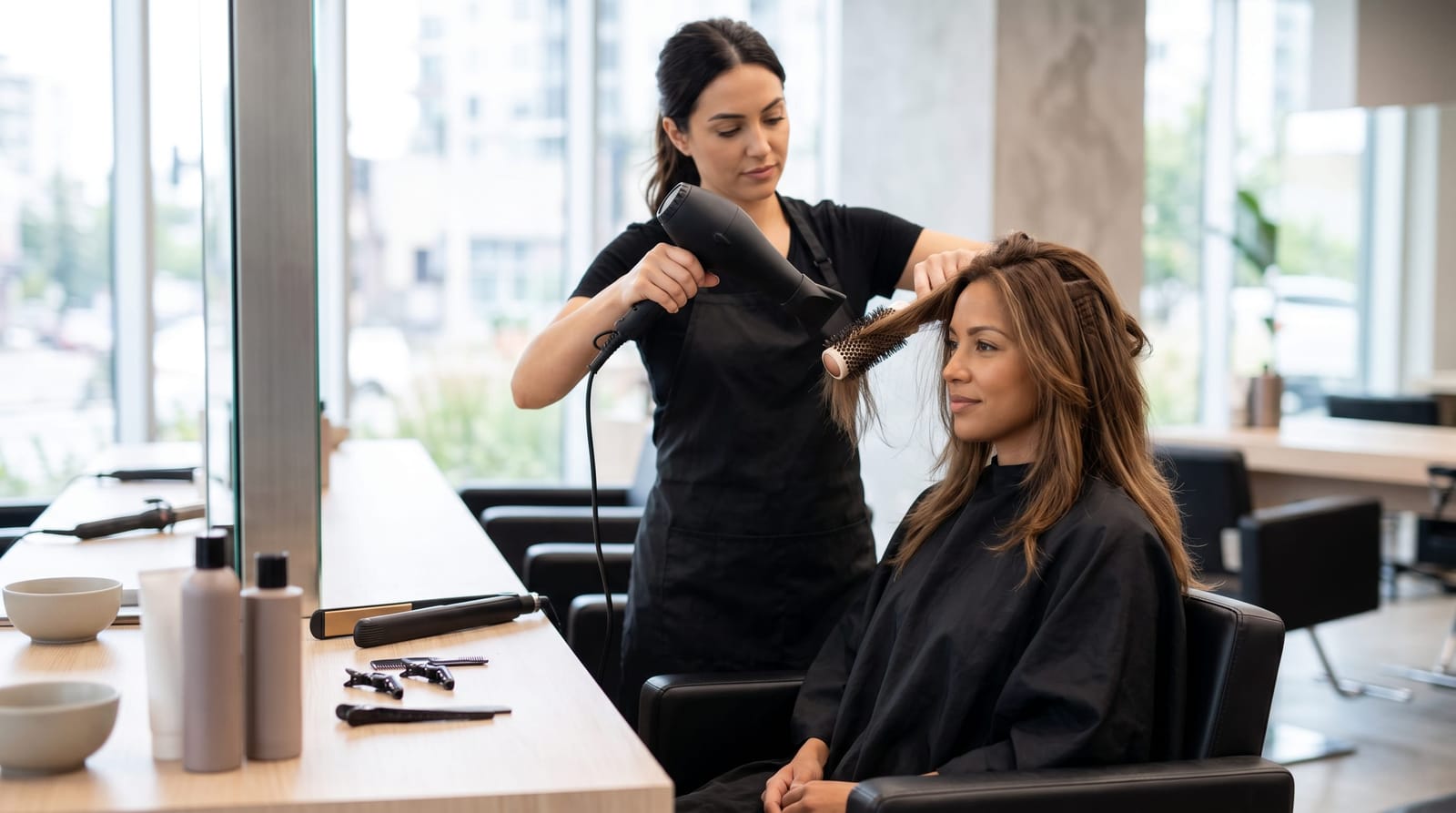
Hair extensions are a significant investment, and the last thing anyone wants is to watch them deteriorate prematurely from avoidable mistakes. Whether you've just left a hair extensions salon in the DMV area with a fresh set or you're a long-time extension wearer, knowing how to prevent extension damage is essential to getting the most out of your style. This guide breaks down the most effective, professional-backed strategies to prevent extension damage, keep them looking salon-fresh, and protect your natural hair at the same time.
Understanding Why Extensions Get Damaged in the First Place
To effectively prevent extension damage, it helps to understand the root causes. Unlike your natural hair, extensions don't receive nutrients or moisture from your scalp. This means they are inherently more vulnerable to dryness, breakage, and tangling, especially with repeated heat styling, rough handling, or the wrong product choices.
The most common culprits behind damaged extensions include:
- Excessive heat: Flat irons and curling wands used at high temperatures strip moisture from extension fibers rapidly.
- Overbrushing: Brushing too aggressively or too often weakens the weft bonds and thins out the extension strands over time.
- Sulfate-based products: Harsh shampoos strip extensions of moisture and can loosen bonding adhesives or weft stitching.
- Tight hairstyles: Pulling extensions into high ponytails or tight braids repeatedly puts constant tension on attachment points, leading to slippage and potential traction alopecia.
- Skipping maintenance appointments: Professional upkeep keeps bonds secure and catches early signs of damage before they worsen.
Understanding these triggers is the first step to implementing habits that genuinely prevent extension damage rather than just treating it after the fact.
How to Prevent Extension Damage from Heat Styling
Heat is one of the biggest threats to extension longevity. Whether you're working with human hair or high-quality synthetic blends, repeated thermal exposure degrades the cuticle, causes dryness, and leads to irreversible frizz and tangling. Here's how to prevent extension damage from heat:
Always Apply a Heat Protectant
Before reaching for any hot tool, apply a lightweight, silicone-based heat protectant spray to dry extensions. This creates a protective barrier that significantly reduces thermal damage. Look for products that offer protection up to at least 450°F, since many styling tools operate in that range.
Lower Your Tool Temperature
Most stylists recommend keeping flat irons and curling wands between 300°F and 380°F when working with extensions, especially bonded or glued styles. Higher temperatures can melt adhesive bonds, cause matting near the weft, and permanently damage hair fibers. If you're unsure about the right temperature range for your specific extension type, ask your stylist at your next visit.
Limit Daily Heat Styling
Aim to heat-style your extensions no more than three times per week. On off days, opt for heatless styling techniques like braiding damp extensions overnight for waves, or using foam rollers for curls. These methods add variety to your look while giving extensions time to recover.
Detangling the Right Way to Prevent Extension Damage
Tangling is the most frequent complaint among extension wearers, and improper detangling is one of the fastest ways to shorten your extensions' lifespan. Preventing extension damage through proper detangling requires both the right tools and the right technique.
Start from the Ends, Work Upward
Always detangle extensions from the tips first, gradually working your way up toward the roots. Starting at the root and pulling downward forces knots through the length of the hair, causing unnecessary tension and breakage.
Use a Wide-Tooth Comb or Loop Brush
Standard brushes with tight bristles are not designed for extensions. A wide-tooth comb or a specially designed loop (extension-safe) brush prevents the bristles from catching on weft tracks or bonds. Hold the hair just below the attachment point while brushing to minimize tension on the bond.
Detangle Before Washing
Wet hair, including extensions, is significantly more fragile. Detangle thoroughly before washing to prevent knots from tightening under running water. After washing, gently squeeze out excess water and use a microfiber towel instead of vigorously rubbing the hair dry.
Product Choices That Help Prevent Extension Damage
The products you use daily play a massive role in whether your extensions last six weeks or six months. To prevent extension damage through smart product selection, keep these guidelines in mind:
- Go sulfate-free: Sulfates are powerful cleansing agents that strip natural oils and moisture from extensions, leaving them brittle and prone to breakage. Sulfate-free shampoos cleanse without compromising the hair fiber's integrity.
- Use a hydrating, lightweight conditioner: Extensions need moisture, but heavy conditioners applied near the bonds or wefts can loosen attachment points. Apply conditioner from mid-shaft to ends only.
- Incorporate a leave-in conditioner or serum: A lightweight leave-in product used daily helps seal the cuticle, reduce frizz, and prevent the dryness that leads to tangling and matting.
- Avoid alcohol-based styling products: Alcohol dries out extension fibers quickly. Check ingredient labels on hairsprays, gels, and mousses before applying them to your extensions.
Many clients visiting Dominican salons in the DMV area are pleasantly surprised to find that their stylists can recommend product lines specifically formulated for their extension type and hair texture combination.
Nighttime Habits That Prevent Extension Damage While You Sleep
What you do before bed has a surprisingly large impact on extension health. Hours of friction against cotton pillowcases can cause significant tangling and frizz by morning. Here's how to prevent extension damage overnight:
- Switch to a silk or satin pillowcase: These materials create far less friction than cotton, allowing hair to glide smoothly while you sleep.
- Braid or wrap extensions before bed: Loosely braiding extensions into one or two sections before sleeping significantly reduces tangling. Avoid tight styles that put tension on attachment points.
- Use a silk bonnet or scarf: For clients with textured natural hair and extensions, a silk bonnet is an excellent tool to prevent extension damage and preserve your style overnight.
- Never sleep with wet extensions: Going to bed with damp hair encourages mildew growth at the weft, causes matting, and weakens bonds. Always ensure extensions are fully dry before sleeping.
Professional Maintenance: The Non-Negotiable Step to Prevent Extension Damage
No amount of at-home care fully replaces the importance of professional maintenance appointments. Regularly visiting a skilled stylist at a trusted hair extensions salon in the DMV area allows for bond tightening, weft repositioning, and early identification of problem areas before they escalate into full damage.
Most extension methods, including tape-ins, sew-ins, and micro-links, require maintenance every four to eight weeks. During these appointments, your stylist can remove buildup around the bonds, assess your natural hair health, and determine whether any extensions need to be repositioned or replaced. This is also a great opportunity to discuss any concerns about tension, shedding, or changes in your natural hair growth.
It's also worth noting that glue extensions duration is heavily influenced by how well you care for them between salon visits: proper maintenance can meaningfully extend how long your set lasts before needing a full replacement.
Frequently Asked Questions About How to Prevent Extension Damage
How often should I brush my hair extensions to prevent extension damage?
Aim to brush extensions two to three times per day using a wide-tooth comb or loop brush: once in the morning, once in the evening, and once before bed. Overbrushing weakens wefts and bonds over time, so there's no benefit to brushing more frequently unless you're detangling after washing or styling.
Can tight hairstyles cause permanent damage to extensions?
Yes. Repeatedly styling extensions into tight ponytails, buns, or braids places constant stress on the attachment points. Over time, this causes bonds to weaken and slip, wefts to loosen, and in some cases, traction damage to your natural hair. Opt for loose, low-tension styles whenever possible.
What temperature should I use on my flat iron to prevent extension damage?
Keep your flat iron or curling wand between 300°F and 380°F when styling extensions. Always apply a heat protectant beforehand. Temperatures above 400°F can melt adhesive bonds, permanently alter hair texture, and cause irreversible frizzing in both human hair and blended extensions.
Is it normal for extensions to shed a little?
Light shedding, particularly near the ends, is normal and expected with most extension types. However, excessive shedding from the weft or bond area typically signals improper installation, product buildup, or the need for a maintenance appointment. If you notice significant shedding, schedule a visit with your stylist promptly.
Final Thoughts on How to Prevent Extension Damage
Learning to prevent extension damage is not complicated, but it does require consistency. From using the right products and tools to adopting smart nighttime habits and keeping up with professional maintenance, every step you take extends the life of your extensions and protects your natural hair underneath. Extensions are a beautiful investment, and with the right care routine, one that pays off beautifully. If you're ready to explore your full range of options, visit the Complete Guide to Hair Extensions at a Dominican Salon in the DMV Area for a comprehensive look at styles, methods, and what to expect from your next appointment.