Can You Get a Relaxer or Keratin Treatment Right After Removing Braids?
It's one of the most common questions we hear at Ka Belly Salon: "I just took my braids out, can I go straight into a relaxer or keratin treatment?" It makes sense to ask. You're ready for a fresh start, your hair is already loose, and chemical smoothing feels like the logical next step. But the honest answer is no, and understanding why makes all the difference for the long-term health and beauty of your hair. Here's exactly what needs to happen first, and how we sequence these services at Ka Belly to give you the best possible results.
Why Braid Removal Leaves Hair in a Vulnerable State
When braids come out, whether box braids, knotless braids, twists, or any other protective style, your hair has been compressed, layered with product buildup, and deprived of its normal daily manipulation for weeks or even months. That's not a bad thing; protective styles do exactly what they're supposed to do. But the moment those braids come down, your hair isn't in a neutral, ready-for-anything state.
The strands tend to be dry, tangled, and slightly stressed from the tension and weight they've been holding. The hair shaft itself may feel brittle or rough to the touch, and the scalp is often sensitive after extended time in a protective style. This is completely normal: it's simply what the transition phase looks like.
Applying a chemical service, either a relaxer or a keratin treatment, directly onto hair in this condition puts unnecessary stress on strands that haven't yet been properly cleansed, detangled, or restored. Conditioning before a chemical treatment isn't just a nice extra step. It's a foundational part of making sure the chemical process works correctly and that your hair responds well.
What "Conditioning Before Chemical Treatment" Actually Means
Conditioning before a chemical treatment is about preparing the hair's internal structure and external surface so that it can handle the chemical process safely and evenly. At Ka Belly, we recommend beginning a conditioning protocol at least one to two weeks before any planned chemical service, and that window becomes even more important when you're coming out of a protective style.
This preparation typically includes:
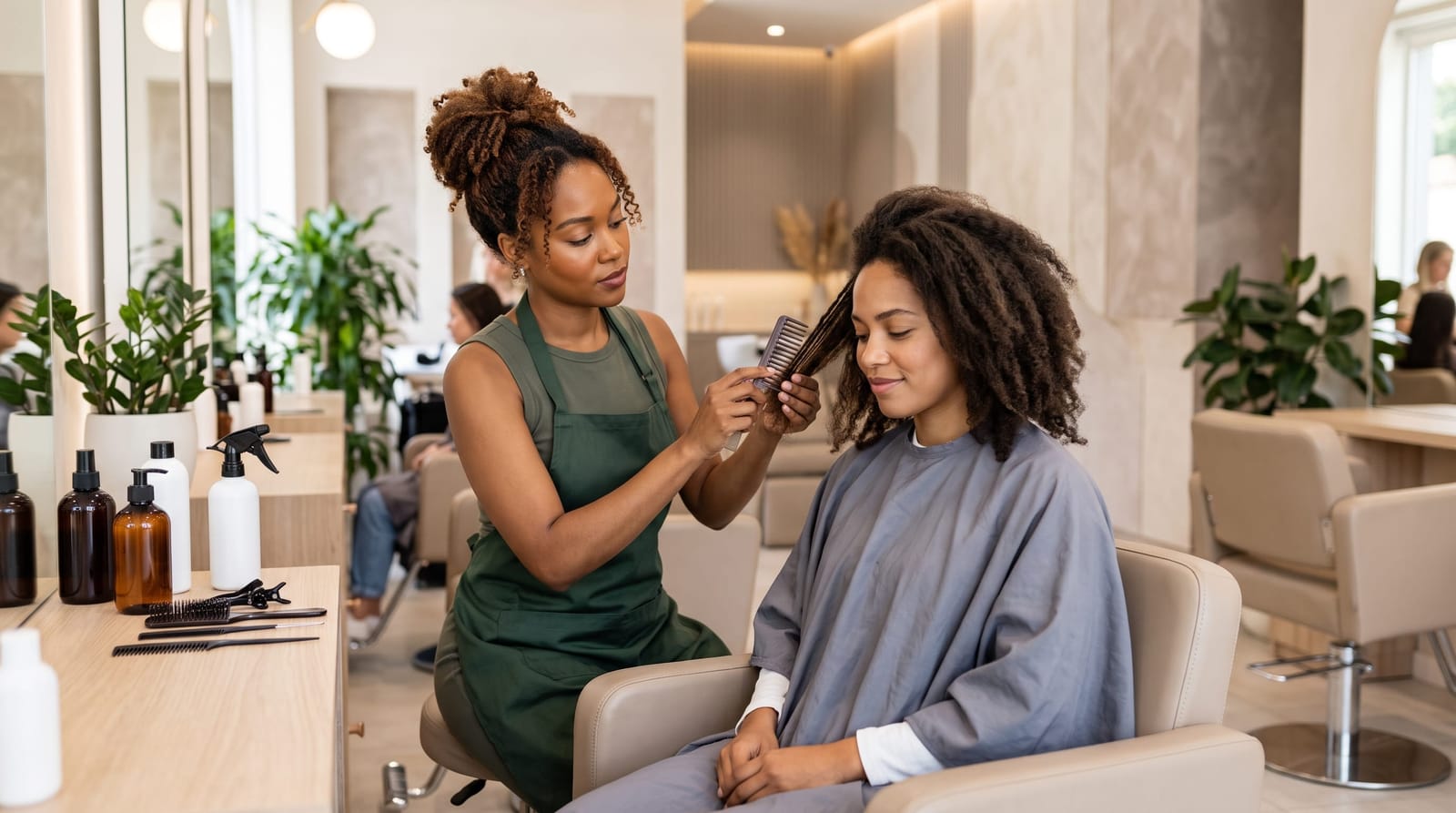
- A professional blow out for braid removal, to gently detangle, stretch, and smooth the hair before anything else happens
- Deep conditioning with moisture-rich treatments, to restore hydration that protective styles can deplete over time
- Protein treatments where needed, to reinforce the hair's structure and help it better withstand chemical processing
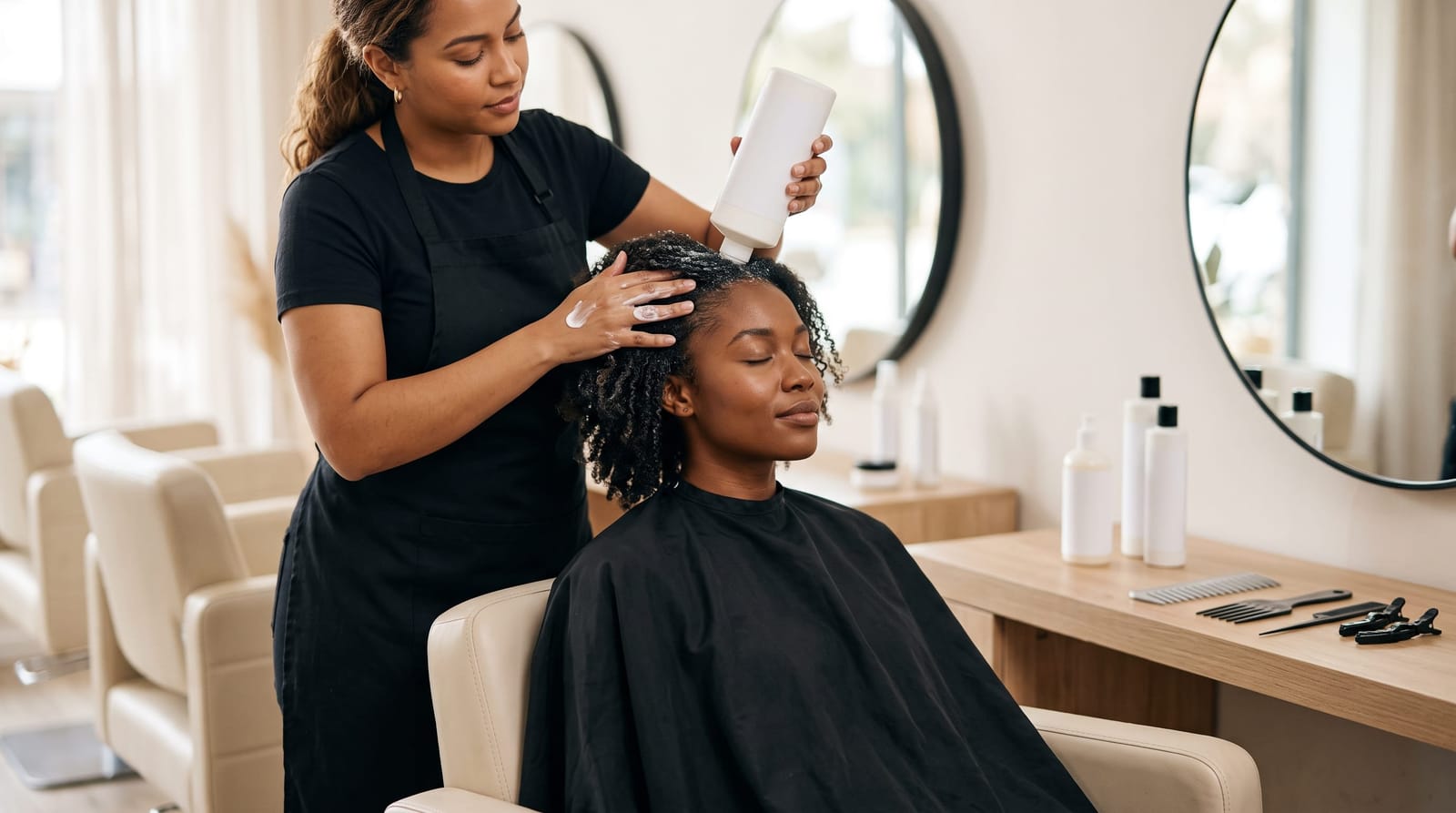
- Scalp care, to soothe and balance the scalp after extended braid wear
Think of it this way: a relaxer or keratin treatment works by altering the internal bonds of your hair. If your hair goes into that process already dehydrated and tangled, the chemical doesn't have an even, healthy foundation to work with. Conditioning before chemical treatment gives the hair that foundation, and the results are noticeably better when this step isn't skipped.
The Role of a Professional Blow Out in This Sequence
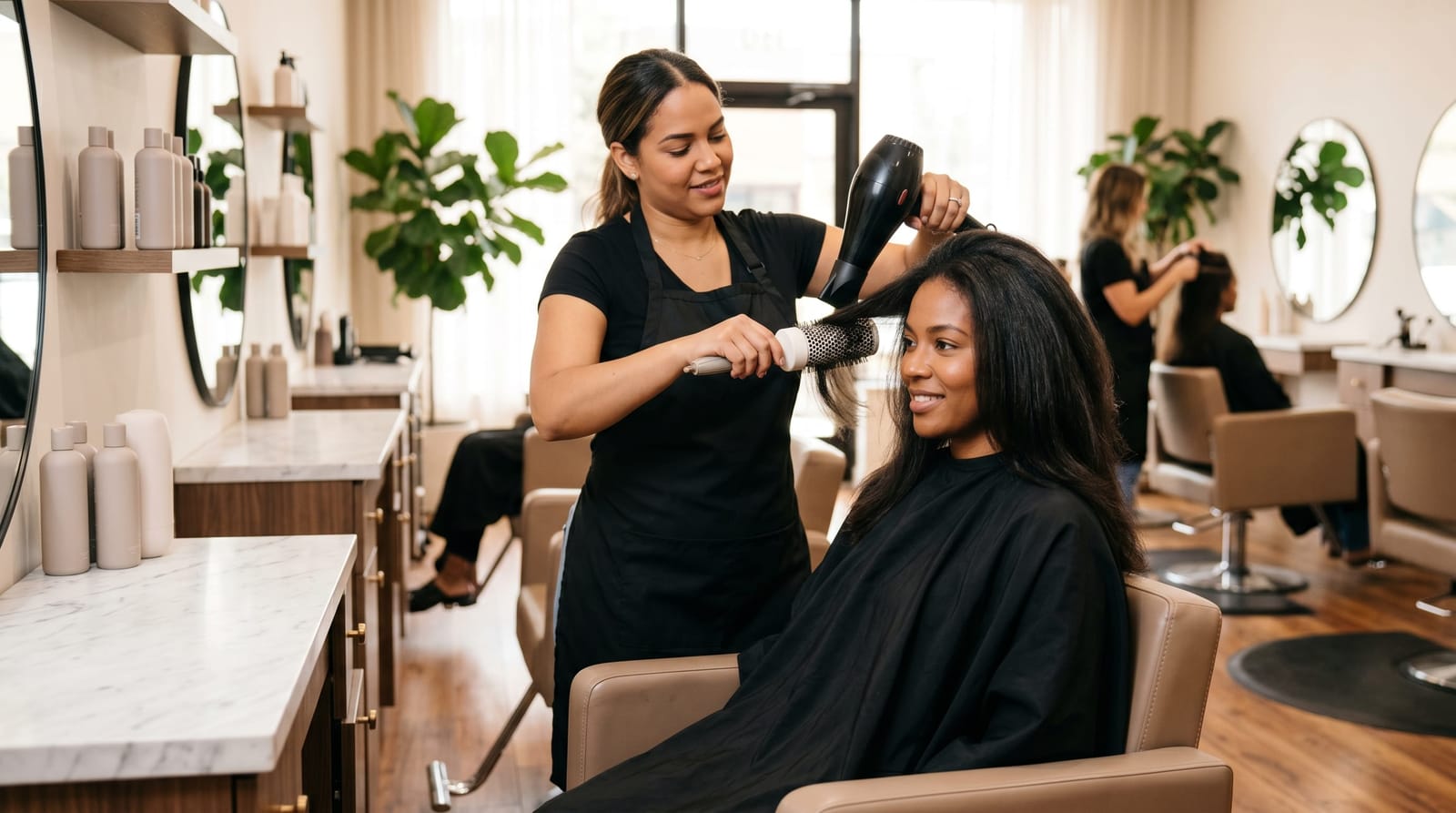
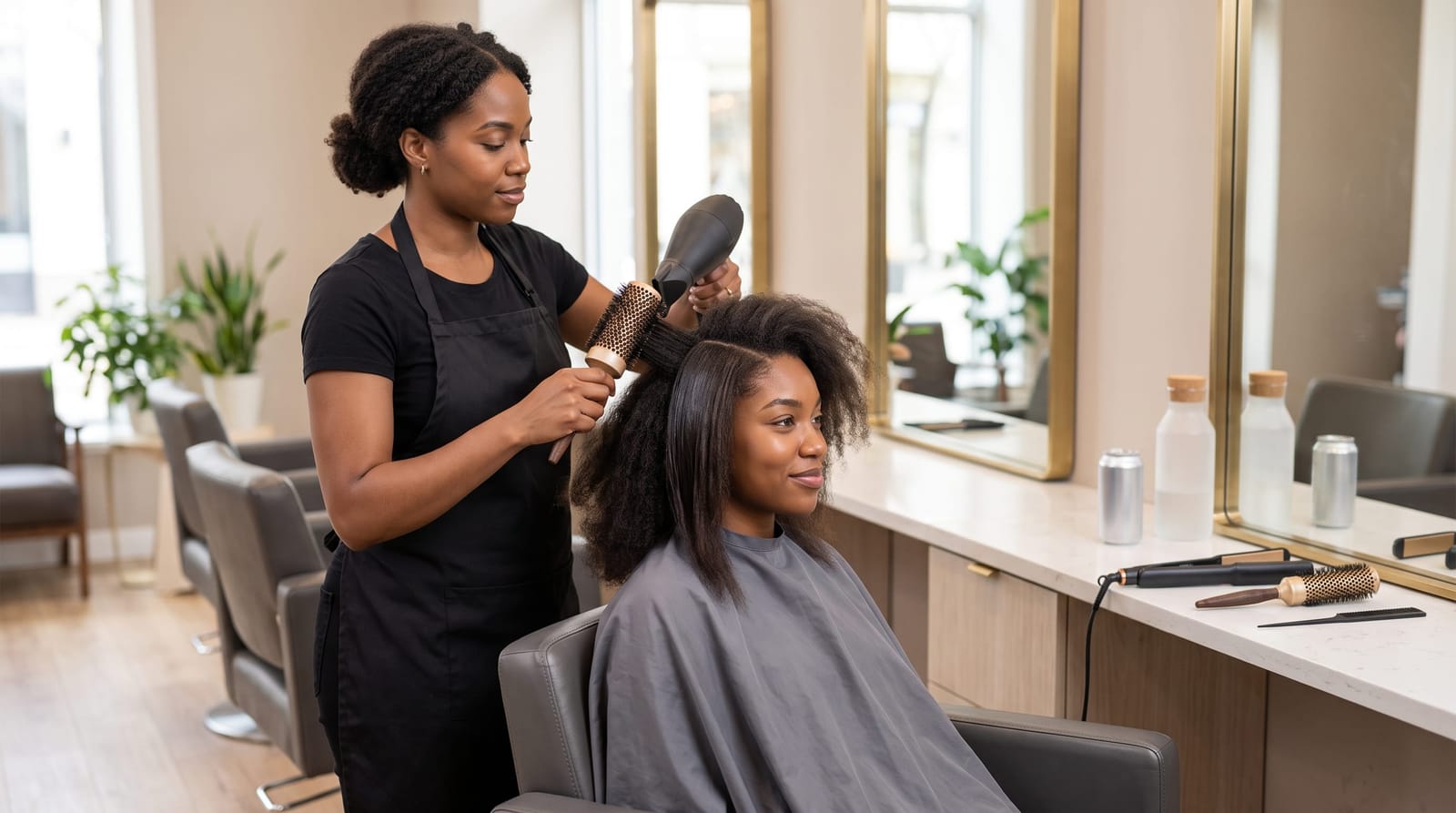
The blow out is the bridge between braid removal and chemical service. Our post-braid blow out service at Ka Belly Salon is designed specifically to handle the unique texture and condition of hair coming out of protective styles. This isn't a standard styling blowout: it's a restorative process that gently cleanses away buildup, works through shed hair and tangles, and stretches the hair back to its natural, elongated state.
Once the blow out is complete, your stylist can actually see and assess the hair properly: its true texture, density, elasticity, and overall condition. This assessment is essential before recommending any chemical service, because it determines which type of treatment is appropriate, how strong a formula to use, and whether additional conditioning sessions are needed first.
Skipping the blow out and going straight to chemicals often means the stylist is working with hair that hasn't been properly evaluated, which increases the likelihood of uneven results or unnecessary stress on the strands. At Ka Belly, we never rush this part of the process, and our clients consistently tell us they notice the difference in how their hair feels and responds afterward.
How Ka Belly Sequences These Services for Best Results
At Ka Belly Salon, we've developed a thoughtful approach to post-braid chemical services that prioritizes your hair's health at every stage. Here's how we typically structure the process when a client comes to us ready to transition from braids into a chemical service:
- Braid removal and detangling session: careful, professional removal with minimal stress on the strands
- Professional blow out: deep cleanse, conditioning rinse, and a controlled blowout to restore the hair's natural shape and smoothness
- Hair assessment: your stylist evaluates elasticity, porosity, and overall condition to determine readiness for chemical processing
- Conditioning treatment period: one to two weeks of targeted home care using protein and moisture-based products recommended by your stylist
- Chemical service appointment: relaxer or keratin treatment applied to properly prepared, restored hair
- Post-chemical conditioning: a follow-up conditioning routine to replenish moisture, balance pH, and maintain the results
This sequence might feel like it requires patience, but clients who follow it consistently see smoother results from their chemical services and healthier hair over time. If you're already thinking about what to expect during a professional post-braid blow out in the DMV, that service is really your starting point for this entire process.
What About Keratin Treatments Specifically?
Keratin treatments are often thought of as a gentler option compared to traditional relaxers, and in many ways, they are. But that doesn't mean they can skip the preparation phase when you're coming out of braids. Keratin treatments work by coating the hair with a smoothing protein solution that's sealed in with heat. For that coating to apply evenly and bond correctly, the hair needs to be clean, detangled, and in reasonable condition going in.
Hair that's still carrying braid buildup, is dry and porous, or hasn't been properly detangled after removal won't absorb a keratin treatment as evenly. You might notice patchy smoothness or results that fade faster than they should. The same conditioning-before-chemical-treatment principle applies here, and the blow out remains an essential first step regardless of which chemical service you're planning.
Frequently Asked Questions
How long should I wait after braid removal before getting a relaxer?
Most stylists recommend waiting at least one to two weeks after braid removal before booking a relaxer appointment. This gives you time to complete a professional blow out, allow your scalp to recover, and do a round or two of deep conditioning to restore hydration and strength. The goal is for your hair to be in its healthiest, most balanced state before any chemical service begins.
Can I do conditioning treatments at home before my chemical service?
Yes, and your stylist will typically recommend specific products for your hair type after your blow out appointment. Common at-home options include deep conditioning masks with argan oil, moisture-rich treatments, and protein-based conditioners. However, it's important to use products that are appropriate for your hair's current condition, which is something your stylist can help you determine based on the post-braid assessment.
What happens if I skip the conditioning phase and go straight to a chemical service?
Skipping conditioning before a chemical treatment on post-braid hair can lead to uneven processing, dryness after the service, or a result that doesn't look or feel as smooth as it should. It doesn't guarantee something dramatic will happen, but you're more likely to be happy with your results, and your hair's response, when it's been properly prepared. Professional stylists sequence these services the way they do for good reason.
Is a keratin treatment or a relaxer better after braids?
There's no universal answer: it depends on your hair type, texture, lifestyle, and goals. Relaxers permanently alter the hair's structure, while keratin treatments are temporary and wear off gradually. Both require the same preparation phase after braid removal. A consultation with your stylist at Ka Belly is the best way to decide which option is right for you based on how your hair looks and feels after the blow out.
The Bottom Line
Conditioning before a chemical treatment isn't an optional luxury when you're transitioning out of braids: it's a necessary step that protects your hair and helps the chemical service actually deliver the results you're looking for. At Ka Belly Salon, our approach to post-braid care is built around this philosophy: restore first, then transform. If you're ready to start the process, a professional blow out for braids in the DMV is where your hair's next chapter begins, and we'll guide you through every step from there.