Best Hair Colors for Dark Skin Tones
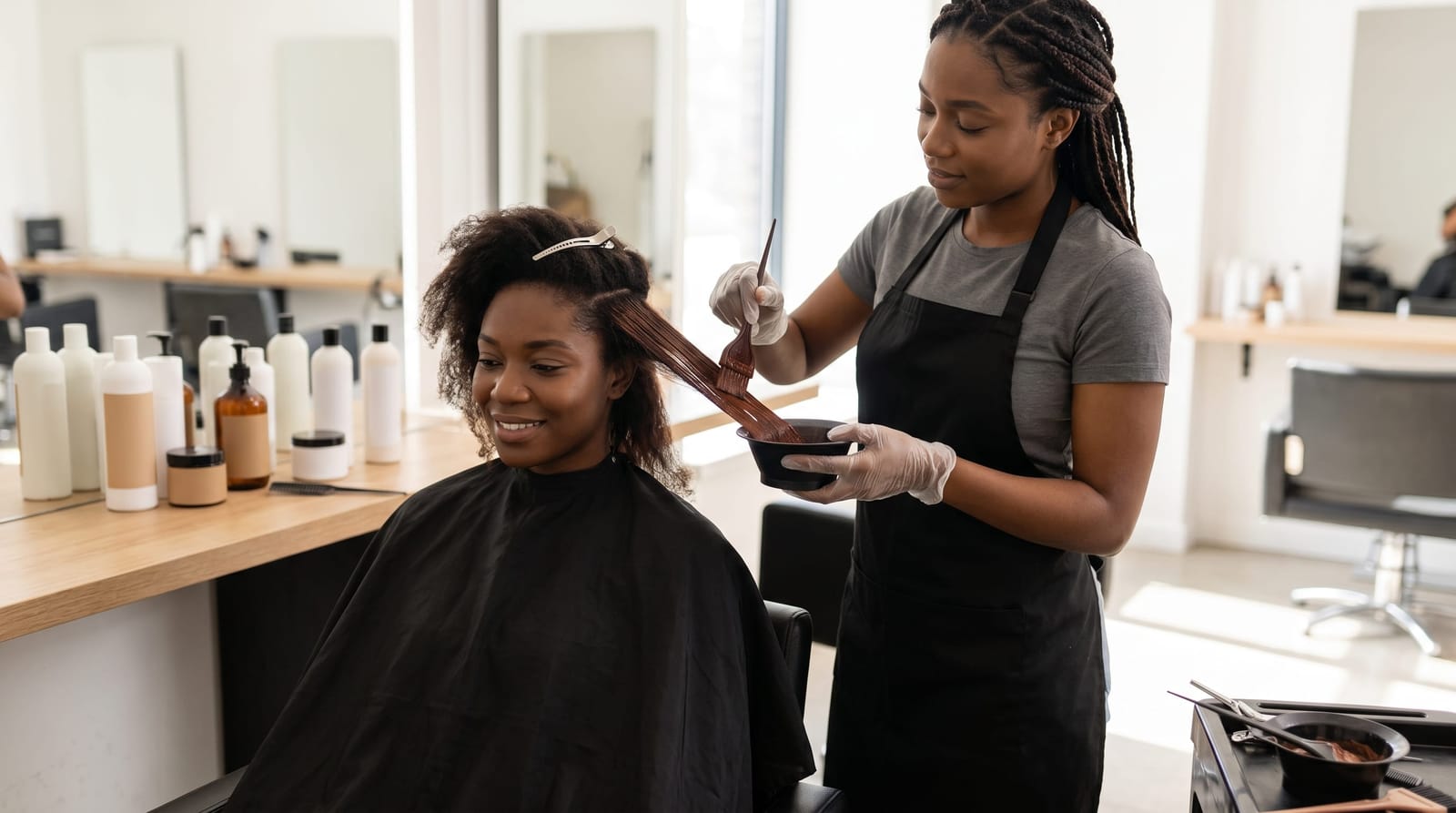
Choosing the right hair color for dark skin can feel overwhelming when you're staring at a wall of swatches or scrolling through hundreds of inspiration photos. The truth is, deeper skin tones are incredibly versatile: they can carry everything from rich jewel-toned reds to soft caramel highlights with stunning results. As part of our professional hair color and highlighting services at our Dominican salon, we help clients with dark complexions find shades that genuinely flatter their features. This guide breaks down exactly which colors work, why they work, and how to make the right choice for your unique skin tone.
Why Undertones Matter When Choosing Hair Color for Dark Skin
Before selecting a specific shade, understanding your skin's undertones is the single most important step in finding hair color for dark skin that truly flatters you. Undertones fall into three categories, warm, cool, and neutral, and they exist beneath the surface of even the deepest complexions.
Approximately 70% of people with dark skin tones have warm undertones, characterized by golden, peachy, or red-orange hues visible in the wrist veins (which appear greenish). Cool undertones show bluish or purple veins. Neutral undertones are a balanced mix of both.
- Warm undertones pair beautifully with golden brown, caramel, rich auburn, copper, and honey shades that mirror and amplify the warmth already in the skin.
- Cool undertones are complemented by ashy browns, jet black, cool-toned burgundy, and deep plum, which create a striking contrast without clashing.
- Neutral undertones are the most flexible: both warm caramel highlights and cool chestnut browns work equally well.
Getting this wrong is one of the most common coloring mistakes. A professional colorist will assess your undertones under proper lighting before recommending any shade: something a box dye simply cannot replicate. Mismatched undertones are the number one reason hair color looks "off" even when the shade itself is beautiful.
Top Hair Color Choices for Dark Skin Tones
Research consistently shows that certain shades perform exceptionally well on deeper complexions. Here are the most flattering hair color options for dark skin, broken down by finish and tone.
Rich Reds and Auburn
Red is arguably the most universally flattering hair color for dark skin. Deep burgundy, wine red, and true auburn shades add warmth and dimension without washing out melanin-rich complexions. Studies in color theory confirm that red-orange hues sit opposite to the blue-green tones present in deeper skin, creating a naturally complementary contrast. Auburn works particularly well for clients with warm or neutral undertones, while cooler burgundy and deep wine shades are ideal for those with cool undertones.
Golden Brown and Caramel
Golden brown is one of the most requested hair color shades for dark skin at salons across the DMV area, and for good reason. The complexion-brightening effect of golden tones against a deep skin tone creates a sun-kissed, luminous look. Caramel highlights, placed strategically around the face, can make skin appear more radiant without requiring a full color application. This makes caramel an excellent entry point for clients who want to try hair color for dark skin without committing to a dramatic change.
Chestnut and Chocolate Brown
Deep brown shades like chestnut and chocolate brown offer rich dimension while remaining close to natural hair color for many dark-skinned clients. These shades add depth and gloss without contrast shock, making them an ideal choice for first-time color clients. Chestnut leans warm with reddish undertones, while chocolate brown reads more neutral. Both shades reflect light beautifully on naturally coarser hair textures, which are common among Black women seeking professional color services.
Jet Black with Dimension
Jet black sounds simple, but when applied professionally, it delivers bold, high-gloss dimension that significantly enhances darker complexions. Pure black absorbs up to 97% of light, creating a dramatic contrast between hair and skin that reads as striking and intentional rather than flat. The key is how it's applied: a professional colorist may use slightly varied depths throughout the hair to prevent a one-dimensional result. This technique, sometimes called "shadow roots" or "dimensional black," adds movement without changing the overall color story.
Cool Ashy Tones and Deep Plum
For clients with cool undertones, ashy brown and deep plum shades are standout choices. Ashy colors neutralize any unwanted brassiness, a common concern when lightening darker hair, and create a sophisticated, editorial look. Deep plum sits in the purple-red family and adds a jewel-toned richness that complements cool and neutral undertones beautifully. About 30% of dark-skinned clients visiting our salon specifically request plum or violet-adjacent shades for this reason.
Hair Color Techniques That Work Best for Dark Skin
The shade is only half the equation. The application technique determines how natural, dimensional, or bold the final result looks on darker complexions.
- Balayage: Hand-painted highlights that create a gradual, sun-kissed effect. Ideal for adding caramel or golden tones without harsh lines. Works well on both straight and natural textures.
- Full color: A single, all-over color application that delivers even, consistent results. Best for clients moving from one depth to another, for example, transitioning to a rich burgundy or deep chocolate brown.
- Highlights and lowlights: Strategic placement of lighter and darker strands for multi-dimensional color. This technique adds visual texture, which is especially beneficial for clients with finer hair seeking more body and movement.
- Glossing treatments: Semi-permanent color-gloss services add shine and subtle tone shifts without significant lifting. A popular maintenance option between full color appointments, especially for adding warmth or neutralizing brassiness.
A skilled colorist at a professional hair color salon in the DMV will factor in your hair's current condition, porosity, and texture before recommending a technique. Dark hair that has been previously chemically relaxed, for example, requires a different approach than virgin natural hair.
What to Expect During a Professional Color Consultation
If you've never had a professional color consultation before, knowing what to expect makes the experience far more productive. Here's how the process typically works at a quality salon:
- Skin tone and undertone assessment: Your colorist will examine your complexion under natural and artificial light to identify your undertones accurately.
- Hair health evaluation: Porosity testing, which measures how well your hair absorbs and retains moisture: determines how color will deposit and how long it will last. High-porosity hair absorbs color quickly but fades faster.
- Goal and lifestyle discussion: How much maintenance are you willing to commit to? Color requiring root touch-ups every 4 weeks is very different from a low-maintenance balayage that grows out naturally over 3 to 4 months.
- Shade selection: Using swatches, reference photos, and professional color tools, your colorist will narrow down 2 to 3 specific shade options that align with your undertones, hair health, and goals.
- Realistic timeline planning: Dramatic color transformations, such as going from jet black to caramel, often require multiple sessions spaced 4 to 6 weeks apart to protect hair integrity.
Skipping the consultation and going straight to application is one of the most costly mistakes clients make. A 30-minute consultation saves hours of correction work later.
Frequently Asked Questions About Hair Color for Dark Skin
Can dark skin pull off blonde hair?
Yes, but it requires careful planning and professional execution. Lifting very dark hair to true blonde typically takes 2 to 4 sessions to avoid breakage. Honey blonde and golden blonde shades tend to be more flattering on dark skin than platinum or ash blonde, which can read too stark against very deep complexions. Always consult a professional colorist before attempting any significant lightening process.
How long does hair color last on dark skin?
Permanent hair color typically lasts 6 to 8 weeks before noticeable fading or root growth occurs. Semi-permanent color lasts 4 to 6 weeks. Factors like hair porosity, shampoo frequency, and sun exposure all affect longevity. Using color-safe, sulfate-free shampoo can extend results by up to 40%, according to professional haircare research.
Is hair color safe for natural Black hair?
Professional hair color applied by a trained colorist is safe for natural Black hair when the hair's condition and porosity are properly assessed beforehand. The key is choosing the right developer strength and conditioning the hair before and after the service. A deep conditioning treatment after coloring is essential: natural hair loses approximately 15 to 25% of its moisture during the coloring process.
What hair colors should dark skin tones avoid?
There are no hard rules, but certain shades can be tricky without professional guidance. Very light ash blonde and cool platinum can appear washed out or clash with warm undertones. Overly orange or brassy tones, often the result of improper lightening, rarely flatter any complexion. A professional colorist can neutralize these tones with toners and glosses when they occur.
Finding the Right Hair Color for Dark Skin Starts with Expert Guidance
The best hair color for dark skin is ultimately the one chosen with your specific undertones, hair health, and lifestyle in mind, not just the shade that looked great on someone else's Instagram. Whether you're drawn to golden caramel highlights, a bold deep burgundy, or rich dimensional black, the results you see in a professional salon setting will always outperform at-home color attempts. Our team specializes in color services designed for the full spectrum of dark and deep skin tones. Book a consultation to start your personalized color journey today.