What Deep Conditioning Treatment Should You Get After Extension Removal?
Removing your hair extensions is a moment worth celebrating, but it's also one of the most important moments to pay close attention to your hair's needs. After weeks or months of extended wear, your natural hair is often craving serious moisture and care. Knowing the signs your hair needs deep conditioning, and acting on them right away, can make a significant difference in how your hair looks and feels going forward. Here's what to expect after removal and how the right conditioning treatment can restore your hair's softness, strength, and shine.
---Why Post-Extension Hair Needs Immediate Attention
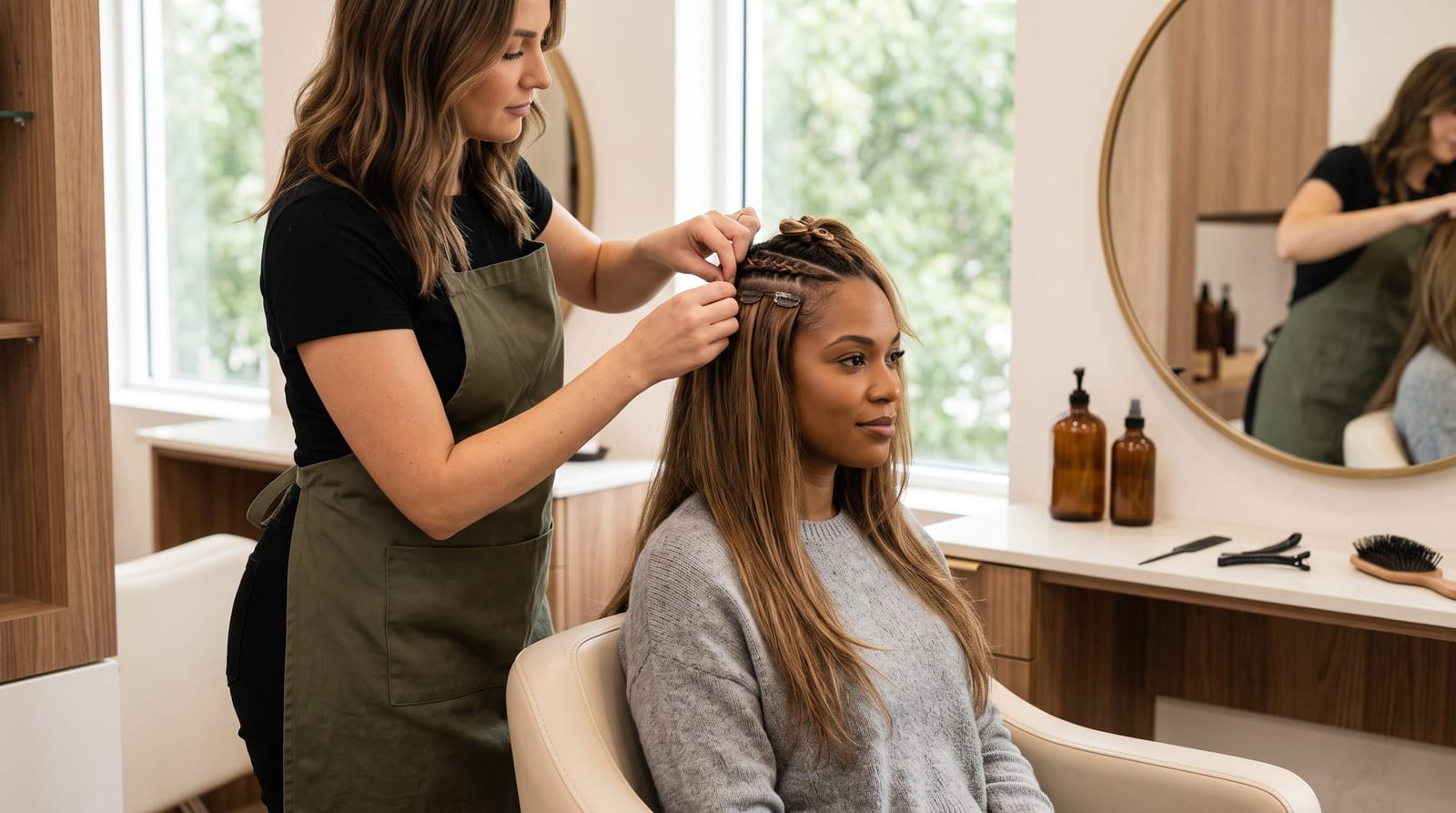
Extensions do a beautiful job of adding length and volume, but they also place ongoing stress on your natural strands. When extensions are worn for six to eight weeks or longer, your hair has been carrying extra weight, experiencing reduced airflow, and going longer stretches without direct conditioning care. The result? Many women sit in the salon chair after removal and notice their hair feels noticeably different, not quite themselves.
Research shows that one of the most common signs your hair needs deep conditioning is persistent dryness and brittleness: both of which are extremely common after extension removal. Studies suggest that hair exposed to limited airflow and prolonged tension can lose up to 30% of its normal moisture balance, making post-removal hydration not just helpful but essential.
Additionally, the scalp's natural oils, which travel down the hair shaft to keep strands moisturized, can get trapped or disrupted by extension bonds and tracks. After removal, many clients notice their hair feels simultaneously oily at the roots and dry at the ends. This is completely normal, and it's one of the clearest signals that a professional deep conditioning treatment should be your very next step.
---The Most Common Signs Your Hair Needs Deep Conditioning After Removal
Before diving into which treatment is right for you, it helps to recognize what your hair is telling you. After extension removal, these are the most frequent hair needs deep conditioning signs stylists look for during a post-removal assessment:
- Dullness and lack of shine: Hair that looks flat or lackluster is often moisture-depleted. Healthy hair reflects light; dry hair absorbs it.
- Increased frizz or puffiness: When hair lacks internal moisture, it tries to pull humidity from the air: causing frizz and unpredictable texture.
- Breakage or snapping: If strands snap easily when combed or detangled, they've lost elasticity: a key sign of moisture and protein imbalance.
- Rough or straw-like texture: Hair should feel smooth when run through your fingers. Roughness signals the cuticle is raised and the strand is dehydrated.
- Tangles that won't release: Dry, compromised hair tangles more easily and resists detangling, especially at the ends where breakage tends to concentrate.
- Poor elasticity: The stretch test tells a lot: healthy hair stretches slightly before returning to its shape. Hair that snaps immediately or stretches and doesn't return has low elasticity and needs conditioning support.
If you're experiencing even two or three of these signs after removing your extensions, a professional deep conditioning treatment isn't optional: it's the foundation of your hair's recovery.
---Types of Deep Conditioning Treatments: and Which One Fits Your Hair
Not all deep conditioning treatments are the same, and the right one depends on what your hair has been through. A skilled stylist will assess your hair's condition after removal and recommend a treatment based on your specific needs. Here's a breakdown of the most effective options:
Moisture-Based Deep Conditioners
These are ideal for hair that feels dry, dull, or frizzy after extension wear. Moisture treatments are formulated with humectants and emollients: ingredients that draw water into the hair shaft and seal it in. If your primary complaint is dryness, this type of treatment will restore softness, reduce frizz, and leave your hair feeling hydrated and manageable. Studies show that properly moisturized hair can reduce breakage rates by up to 40% compared to untreated, dry hair: a compelling reason not to skip this step.
Protein-Based Strengthening Treatments
Extensions that are bonded or sewn in place apply constant tension to the hair. Over time, this tension can weaken the hair's internal protein structure: specifically keratin, which makes up approximately 95% of each strand. Protein treatments rebuild these weakened bonds, improving elasticity and reducing the snapping and breakage many women notice after removal. If your hair felt strong before extensions and now feels fragile or limp, a light-to-medium protein treatment may be the missing piece.
Balanced Protein-Moisture Treatments
For many clients, the best approach after extension removal is a combination treatment that addresses both moisture loss and structural weakness simultaneously. These formulations are particularly well-suited for color-treated or chemically processed hair that was already dealing with some vulnerability before extensions were applied. If you're wondering whether chemical hair damage signs may have been a factor before your extension service, this type of balanced treatment provides a thorough reset.
Scalp-Focused Hydrating Treatments
Sometimes the scalp itself needs care after extended extension wear, especially if tracks or bonds were placed close to the root. Scalp treatments that include nourishing oils or hydrating serums help rebalance the scalp environment, soothe any sensitivity, and set the stage for healthier hair going forward. These are often paired with a full deep conditioning service for a complete post-removal experience.
---How Kabelly's Professional Conditioning Services Restore Hair Health
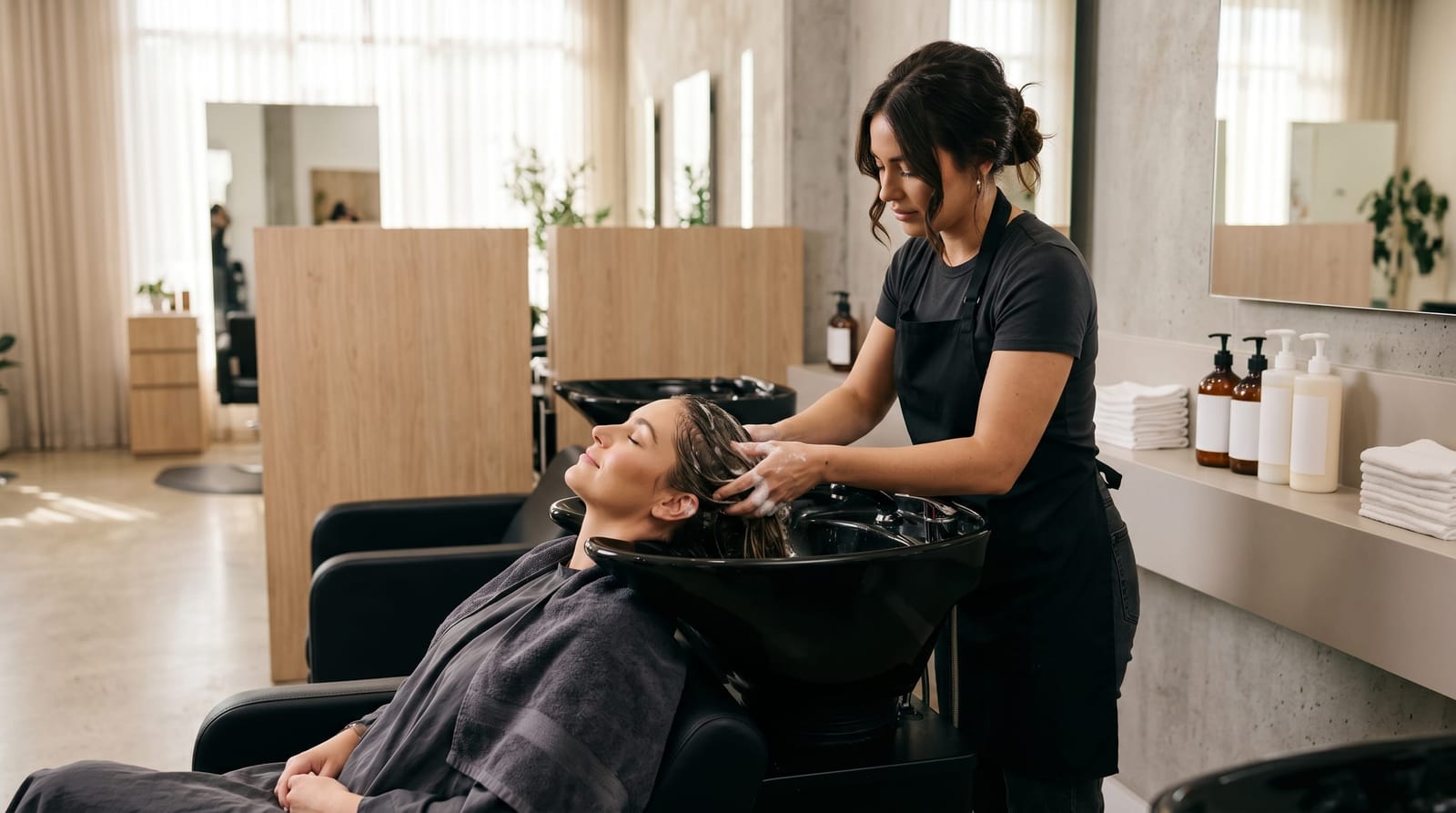
At Ka Belly Salon, the post-extension removal process is treated as an important care moment, not just a routine appointment. After your extensions are safely removed, your stylist will take a close look at your hair's current condition, identify which hair needs deep conditioning signs are present, and recommend the right treatment for your specific hair type and history.
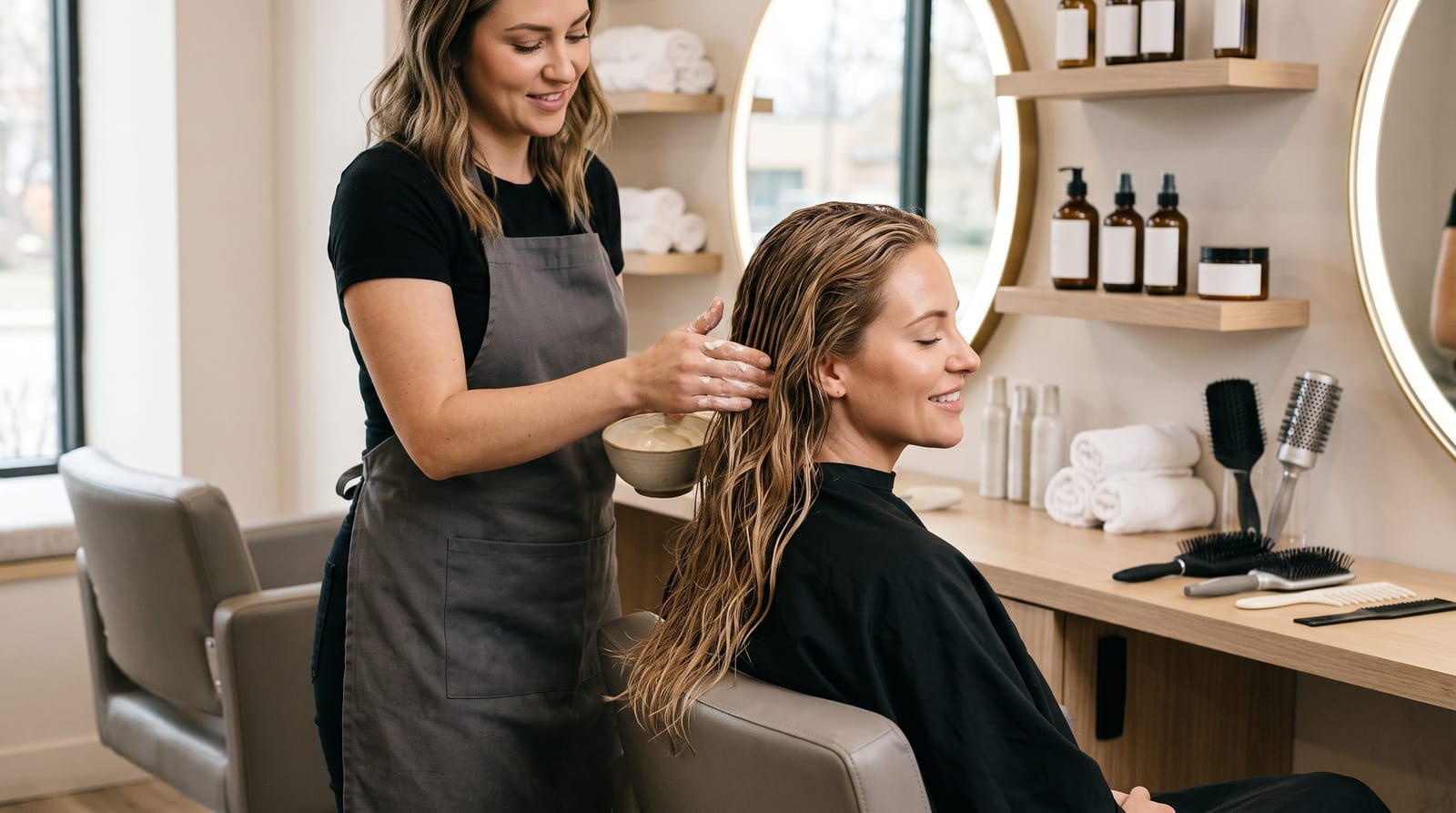
The professional-grade conditioning products used at Ka Belly are selected for their ability to deeply penetrate the hair shaft, not just coat the surface. This distinction matters because surface-level conditioners provide temporary slip but don't address the root causes of post-extension dryness or breakage. Treatments at the salon are applied with heat when appropriate, which research shows can increase ingredient absorption by as much as 30%, delivering more effective results than at-home conditioning alone.
The experience itself is also part of the benefit. From the moment you settle into the chair for your removal appointment, the team at Ka Belly creates a calm, supportive environment where you can ask questions, understand what your hair needs, and leave feeling genuinely refreshed, not just finished. Clients consistently walk away with hair that feels noticeably softer, more manageable, and full of renewed life.
For clients considering their next set of extensions, or wondering whether their hair is in the right condition, Ka Belly's stylists also offer honest guidance about timing and readiness. If you're exploring the topic of extensions on hair that needs some recovery first, that's a conversation worth having during your conditioning appointment.
---Frequently Asked Questions
How soon after extension removal should I get a deep conditioning treatment?
Ideally, your deep conditioning treatment should happen at the same appointment as your extension removal. This allows your stylist to assess your hair's condition immediately and give it what it needs right away. Waiting even a week without proper conditioning can allow dryness and fragility to worsen, especially if you're washing your hair at home in the meantime.
Can I deep condition my hair at home instead of going to a salon?
At-home deep conditioners can help maintain your hair between appointments, but they rarely match the strength or targeted results of professional-grade treatments. A licensed stylist can also identify issues, like low elasticity or early signs of breakage, that are easy to miss on your own. Think of the salon treatment as the foundation and at-home care as the upkeep.
How many deep conditioning treatments will I need after extension removal?
This depends on how long you wore your extensions and your hair's baseline health. Some clients feel a noticeable difference after a single professional treatment. Others, especially those who wore extensions for three months or more, may benefit from two to three conditioning sessions spaced a few weeks apart. Your stylist can give you a personalized recommendation based on what they observe.
Will deep conditioning help with shedding after extension removal?
It's completely normal to see more shed hairs immediately after extension removal: some of that hair was held in place by the extension bonds and is simply releasing at once. Deep conditioning helps improve the overall condition of your remaining strands, reducing future breakage and making your hair more resilient. If shedding feels excessive or prolonged, consult with your stylist so they can assess what's happening and offer appropriate care.
---Give Your Hair the Reset It Deserves
Extension removal day is more than an ending: it's an opportunity to give your natural hair a fresh, healthy start. Recognizing the signs your hair needs deep conditioning and acting on them right away is one of the most caring things you can do for your strands. Whether your hair is craving moisture, strength, or a combination of both, the right professional conditioning treatment makes an immediate and lasting difference. At Ka Belly Salon, that care is built into every removal appointment, because beautiful hair isn't just about the style you wear, it's about the health you protect along the way.