Hair Color for Textured Hair: Special Considerations
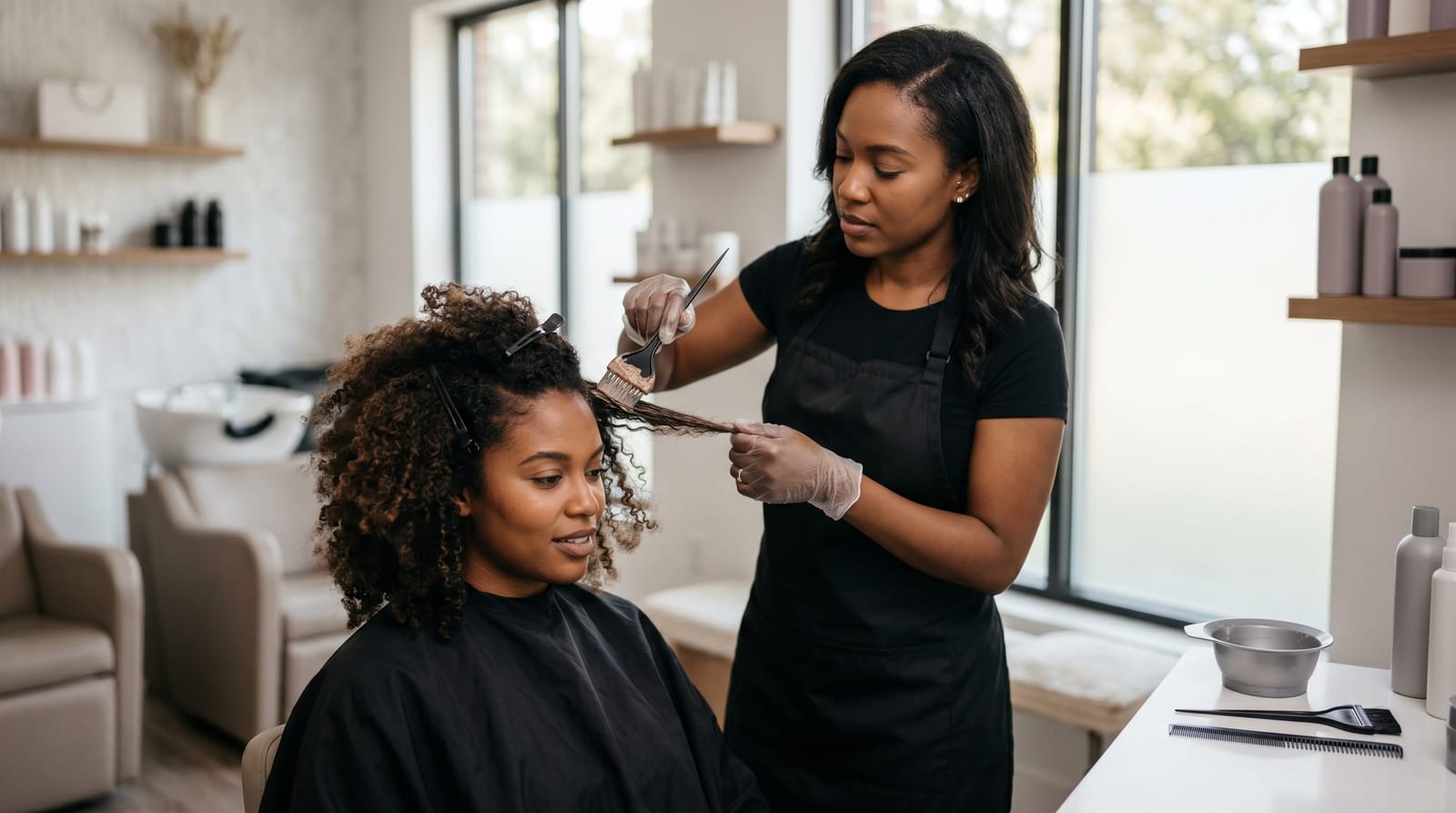
When it comes to professional hair color services, textured and naturally dark hair presents a uniquely beautiful canvas, but one that demands a thoughtful, specialized approach. Whether you're exploring your options at a professional hair color service or researching before your first color appointment, understanding the specific needs of textured hair can mean the difference between a stunning transformation and unnecessary damage. Hair color for black hair isn't simply about applying dye: it involves understanding hair structure, porosity, chemical history, and the science behind lifting or depositing pigment on naturally dark strands. In this guide, we'll cover the essential considerations every client with textured or dark hair should know before sitting in the salon chair, from safety protocols to achieving vibrant, long-lasting results.
Why Textured Hair Requires a Different Coloring Approach
Textured hair, including coily, kinky, and curly hair types, has a distinct structural profile that sets it apart from straight or wavy hair. The curl pattern creates more points of curvature along each strand, making the hair more fragile at those bends. This means the hair is naturally more prone to breakage, especially when exposed to chemical processing like bleach or permanent color.
Beyond structure, textured hair also tends to have higher porosity. Porous hair absorbs color quickly but also releases it faster, which can lead to uneven color results or premature fading. Understanding your hair's porosity before any color treatment is critical: your stylist should always perform a porosity assessment before recommending a specific color formula for hair color for black hair.
Additionally, many clients with textured hair have previously undergone chemical relaxers, texturizers, or keratin treatments. Layering hair color for black hair onto already chemically processed strands significantly increases the risk of over-processing. A professional colorist will factor in your entire chemical history before determining which products and techniques are safest and most effective for your specific hair.
Key Structural Differences to Know
- Higher fragility at curl points: Chemical services must be applied with precision to avoid breakage at vulnerable bends in the strand.
- Variable porosity: Textured hair can be unevenly porous, meaning some sections absorb color faster than others.
- Denser melanin concentration: Naturally dark hair contains more eumelanin, which must be addressed when attempting lighter hair color for black hair results.
Safety Protocols Before Coloring Dark or Textured Hair
Safety is non-negotiable when approaching hair color for black hair. A reputable salon will follow a structured pre-color protocol designed to protect the integrity of your strands throughout the coloring process. Skipping these steps, whether at home or in a rushed salon environment, is one of the leading causes of preventable damage.
Pre-Color Consultation and Strand Testing
Every color service for textured or dark hair should begin with a thorough consultation. During this conversation, your colorist will ask about your hair history, current condition, and your color goals. From there, a strand test is performed: a small section of hair is tested with the proposed color formula to assess how the hair responds before full application. This step is especially important when pursuing significant lightening, as hair color for black hair often requires higher-volume developers that can be damaging if misused.
Scalp and Strand Health Assessment
Coloring should never proceed on compromised scalp or severely damaged hair. If your hair shows signs of excessive breakage, thinning edges, or scalp sensitivity, a professional colorist will recommend a strengthening treatment program before any color is applied. Protein treatments and deep conditioning sessions in the weeks leading up to your color appointment can dramatically improve your hair's ability to handle chemical processing.
Choosing the Right Developer Strength
Developer volume is one of the most critical variables when formulating hair color for black hair. Using a developer that's too strong on textured hair accelerates damage and can cause severe breakage. Most professional colorists working with textured dark hair prefer lower-volume developers (10-20 volume) for deposit-only color and reserve higher volumes only for controlled lightening when absolutely necessary.
Lifting Color on Naturally Dark Hair: What to Realistically Expect
One of the most common questions clients ask about hair color for black hair is how light they can go in a single session. The honest answer depends on your starting shade, hair health, and the technique your colorist uses, but it's important to set realistic expectations from the beginning.
Naturally black or very dark brown hair contains a high concentration of eumelanin, the pigment responsible for deep, cool tones. To achieve lighter shades, blonde, caramel, copper, or vivid fashion colors, that melanin must first be lifted using a lightener. Attempting to reach platinum blonde from jet black hair in a single session is not only unrealistic but genuinely dangerous for textured hair types.
The Staged Lightening Process
Professional colorists approach significant lightening on dark textured hair through a staged process. Rather than over-processing in one appointment, they schedule multiple sessions spaced weeks apart, allowing the hair to recover between each stage. Each session lifts the hair incrementally, from black to warm brown, then to orange-red tones, then to gold, and finally to the target shade. This patient, phased approach is the cornerstone of responsible hair color for black hair when dramatic transformations are the goal.
Toning After Lightening
Once the desired level of lift is achieved, a toner is applied to neutralize unwanted warm tones: the brassy, orange, or yellow hues that naturally appear as dark pigment is removed. Toning is what gives hair color for black hair that polished, professional finish, whether the target is an ashy blonde, cool brunette, or fashion-forward silver.
Vibrant and Fashion Colors on Dark Hair
Bold, vivid colors, jewel-toned blues, rich purples, deep reds, and vibrant greens, have become increasingly popular choices for hair color for black hair. The good news is that dark hair provides a rich, saturated background that can actually enhance certain fashion shades, particularly jewel tones and deep vivids that might appear washed out on lighter hair.
For clients who want vivid fashion colors without the commitment of extensive bleaching, darker bases can work beautifully. Deep burgundy, cherry red, and midnight blue are all achievable on dark hair with minimal or no lightening, making them excellent entry points for clients exploring fashion-forward hair color for black hair for the first time.
Semi-Permanent vs. Permanent Color for Fashion Shades
Semi-permanent and demi-permanent color options are particularly well-suited for adding richness and dimension to naturally dark hair without the chemical commitment of permanent color. These formulas deposit color without lifting the natural base, meaning there's less risk of damage: an important consideration for textured hair. Your colorist may recommend semi-permanent hair color for black hair as a starting point before committing to a more dramatic transformation.
For clients interested in exploring a full spectrum of dimensional color options, techniques like balayage and highlights can also introduce color in a way that respects the natural texture and minimizes overall damage. Learn more about these approaches through our guide on hair highlights salon techniques specifically tailored for dimensional results.
Color-Friendly Haircare for Textured Hair
Achieving beautiful hair color for black hair is only half the journey: maintaining that color while preserving the health of textured strands requires a dedicated aftercare routine. Color-treated textured hair has unique needs that differ significantly from straight or non-textured color-treated hair.
Moisture is Non-Negotiable
Chemical color processes, particularly those involving lighteners, strip the hair of moisture. For textured hair that already tends toward dryness, this can lead to significant brittleness and breakage if not addressed. A consistent routine using sulfate-free shampoos, deep conditioning treatments, and leave-in conditioners is essential for preserving both the color and the structural integrity of your hair color for black hair results.
Protein and Moisture Balance
Color-treated textured hair needs a careful balance of protein and moisture. Too much protein can make hair stiff and prone to breakage; too little leaves it limp and over-elastic. A professional colorist can recommend a post-color treatment protocol specifically designed for your hair type and the color service you received. This balance is fundamental to maintaining healthy, vibrant hair color for black hair long after your salon appointment.
Heat Protection and UV Defense
Heat styling and sun exposure are two of the most significant contributors to color fade in hair color for black hair results. Using a heat protectant before styling and choosing hair products with UV filters helps preserve color vibrancy between salon visits. Color maintenance is a topic we explore in depth in our upcoming guide on color maintenance and hair health protection.
Choosing the Right Colors for Your Skin Tone
One of the most exciting aspects of exploring hair color for black hair is discovering which shades complement your complexion most beautifully. The relationship between hair color and skin tone is nuanced: warm skin tones typically glow alongside warm caramel, honey, and auburn shades, while cool or neutral complexions are often enhanced by ashy browns, deep burgundies, and cool blacks like blue-black.
For clients with deeper complexions, the range of flattering options for hair color for black hair is genuinely expansive. Rich jewel tones, warm chestnuts, and deep coppers all create stunning contrast against dark skin. For a deeper exploration of which specific shades work best, visit our detailed resource on hair color for dark skin tones, where we break down the most flattering options by undertone and complexion depth.
Final Thoughts on Hair Color for Black Hair
Hair color for black hair is one of the most rewarding services a skilled colorist can provide, but it requires expertise, patience, and a genuine respect for the unique characteristics of textured and naturally dark hair. From pre-color assessments and staged lightening to post-color moisture routines and shade selection, every step matters. The result, when done right, is a vibrant, healthy transformation that celebrates your hair's natural beauty rather than working against it. If you're ready to explore your options, our team at the salon specializes in color services designed specifically for textured hair. Book a consultation today and let's create a personalized color plan that puts the health and beauty of your hair first.