Color Maintenance and Hair Health Protection
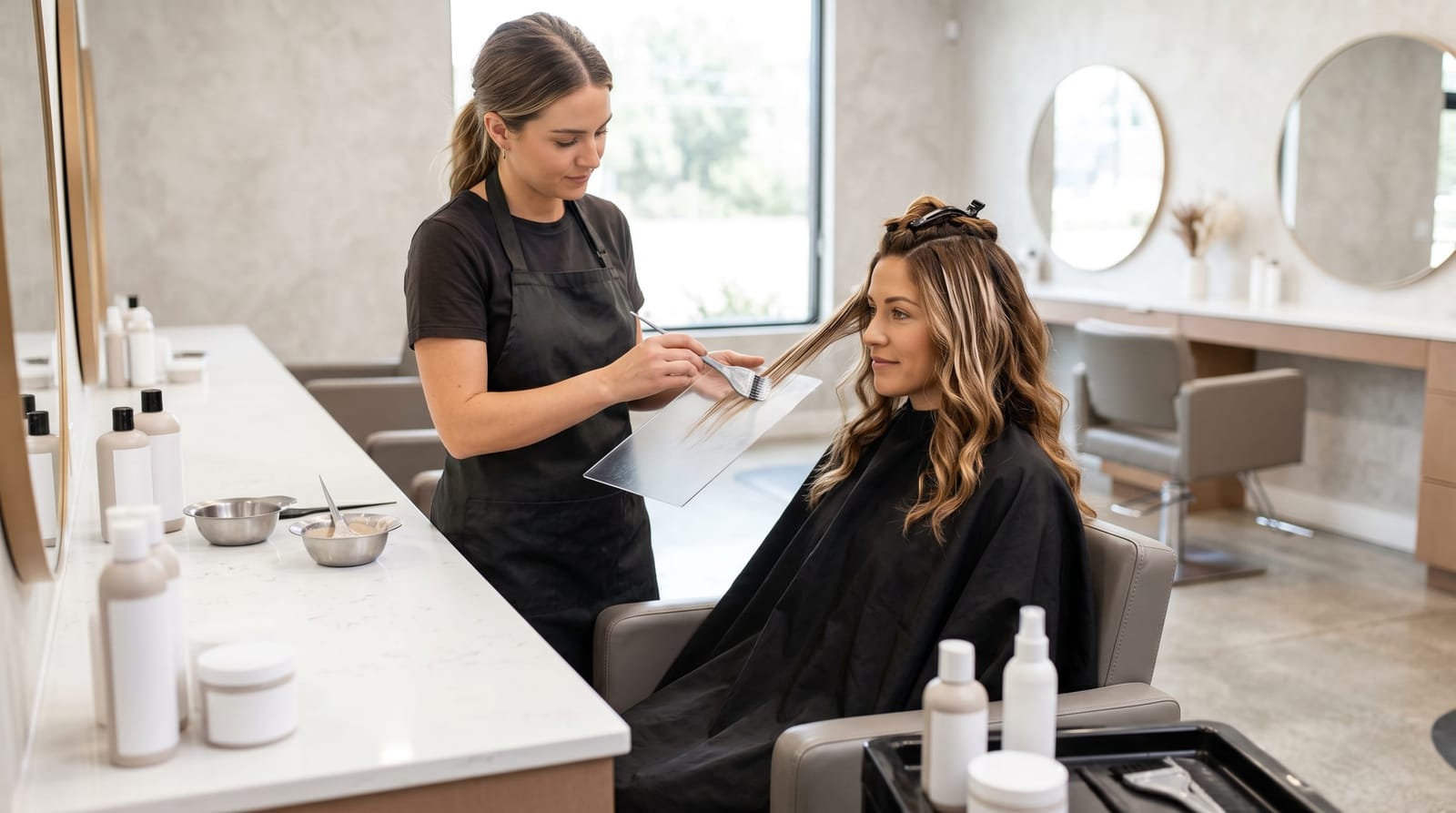
When you invest in a beautiful color service, whether it's a rich, dimensional balayage or a full transformation, protecting that color becomes just as important as the initial appointment. Color-treated hair care is a genuine commitment, but it doesn't have to feel complicated or overwhelming. With the right daily habits, quality products, and a consistent salon schedule, your color can stay vibrant, your hair can stay healthy, and every day can feel like you just stepped out of the salon. This guide walks you through everything you need to know to maintain your color beautifully between visits, from choosing the right shampoo to scheduling your next appointment at the perfect time.
Why Color-Treated Hair Needs a Different Approach
Color-treated hair behaves differently than uncolored hair, and understanding why makes it much easier to care for. During the coloring process, the hair's outer protective layer (the cuticle) is slightly lifted to allow color molecules to settle inside the strand. This is completely normal and expected, but it does mean the hair is more porous afterward, which affects how it holds moisture, reflects light, and retains color pigment.
Research shows that color-treated hair can lose up to 60% of its moisture retention compared to non-colored hair, which is why hydration becomes such a priority after any color service. When hair is dry and porous, color fades faster, strands feel rougher to the touch, and shine diminishes, all of which can make even a beautiful color look dull within just a few weeks.
The good news is that these are manageable concerns. Color-treated hair care isn't about restriction: it's about smarter choices. Switching a few products, adjusting your washing routine slightly, and adding one or two protective steps can make a significant difference in how long your color lasts and how healthy your hair feels throughout.
What Changes After a Color Service
- The hair cuticle is temporarily more open, making it more susceptible to moisture loss
- Color pigments are actively settling into the strand for the first 48-72 hours after coloring
- Hair may feel slightly different in texture as it adjusts: this is normal and temporary
- Scalp sensitivity can occasionally occur after color services, especially with lightening treatments
Your stylist's post-color guidance isn't just general advice: it's tailored to exactly what was done to your hair. Following those recommendations in the first week after your appointment sets the foundation for longer-lasting color all around.
Building a Color-Safe Washing Routine
One of the most impactful changes you can make for color-treated hair care is rethinking how and how often you wash your hair. Frequent washing, especially with harsh shampoos, is one of the leading causes of premature color fading. Studies suggest that color-treated hair can fade up to 40% faster when washed daily with standard shampoos compared to color-safe alternatives used less frequently.
Sulfates are the main ingredient to watch for. These cleansing agents, commonly found in everyday shampoos, are effective at removing buildup but are also quite aggressive on color molecules. Sulfate-free shampoos clean the hair gently without stripping color pigment or natural oils, making them the recommended choice for anyone with color-treated hair.
Tips for a Color-Preserving Wash Routine
- Wash 2-3 times per week at most. This gives your natural oils time to condition the hair and slows color fade significantly.
- Use cool or lukewarm water. Hot water opens the hair cuticle and releases color molecules. Rinsing with cooler water helps seal the cuticle and lock color in.
- Focus shampoo on the scalp. Most of the cleansing action belongs at the roots: letting the suds rinse through the lengths is usually sufficient without over-shampooing the mid-shaft and ends.
- Always follow with a color-safe conditioner. Conditioning after every wash is non-negotiable for color-treated hair.
If you feel like you need to refresh your hair between washes, a dry shampoo designed for color-treated hair is a great option. It absorbs excess oil at the roots without any water contact, helping you extend time between washes without sacrificing freshness.
Deep Conditioning and At-Home Treatments
Color-treated hair genuinely thrives with regular deep conditioning. While your everyday conditioner provides surface-level hydration, a weekly deep-conditioning treatment penetrates the hair strand more deeply, replenishing moisture and smoothing the cuticle for better shine and softer texture.
Deep conditioners and hair masks work by depositing concentrated ingredients, proteins, oils, and humectants, into the hair structure, which can temporarily fill in areas where the cuticle has become rough or porous. For color-treated hair, this translates to better color reflection, reduced frizz, and hair that simply feels more resilient day to day.
How to Get the Most from a Deep Conditioning Treatment
- Apply the treatment to clean, damp hair (not dripping wet)
- Work it through from mid-lengths to ends, where dryness is most common
- Gently twist your hair into a loose bun to hold the treatment in place
- Leave it on for at least 10-20 minutes: longer for very dry or heavily processed hair
- Rinse thoroughly with cool water
Once a week is typically enough for most color-treated hair types, though hair that has been lightened significantly or has undergone multiple color processes may benefit from twice-weekly treatments. Your stylist can give you a specific recommendation based on your hair's condition and the services you've received.
For guidance on what to look for when choosing color safe hair products, including masks and conditioners, we've put together a detailed breakdown that makes the selection process much simpler.
Protecting Color from Environmental and Heat Damage
Color fading doesn't only happen in the shower. Environmental factors, particularly UV exposure, chlorine, and heat styling, can significantly impact how long your color stays vibrant and how healthy your hair looks between appointments.
UV rays break down color molecules in a process similar to how sunlight fades fabric over time. Research indicates that UV exposure is responsible for approximately 90% of surface color fading in dyed hair when left unprotected. This is especially relevant for clients with lighter colors, blondes, and vivid shades, which tend to show sun-related changes most noticeably.
Protecting Color from Sun and Heat
- Use a UV-protective hair product. Leave-in sprays and serums with UV filters are widely available and easy to incorporate into your morning routine.
- Apply heat protectant before any hot tool use. Flat irons, curling wands, and blow dryers should always be used with a thermal protectant spray: this helps preserve both the hair structure and color vibrancy.
- Lower your heat tool temperature. Most styling results can be achieved at 350°F or below, which is significantly gentler on color-treated hair than the maximum settings of 400-450°F.
- Rinse before swimming. Saturating your hair with clean water before entering a pool limits chlorine absorption. A swim cap or a leave-in conditioner applied beforehand adds further protection.
Seasonal Color Care Considerations
Summer months bring increased sun, saltwater, and chlorine exposure, which can collectively accelerate fading significantly. Winter months bring indoor heating and reduced humidity, which tends to cause dryness. Adjusting your color care routine seasonally, adding more moisture in colder months and more UV protection in warmer ones, keeps your color looking its best year-round.
Scheduling Color Maintenance Appointments
Consistent salon visits are one of the most important elements of long-term color-treated hair care. Knowing when to come back in, and what type of maintenance service your color requires, helps you stay ahead of fading, brassiness, and unwanted root growth before they become significant.
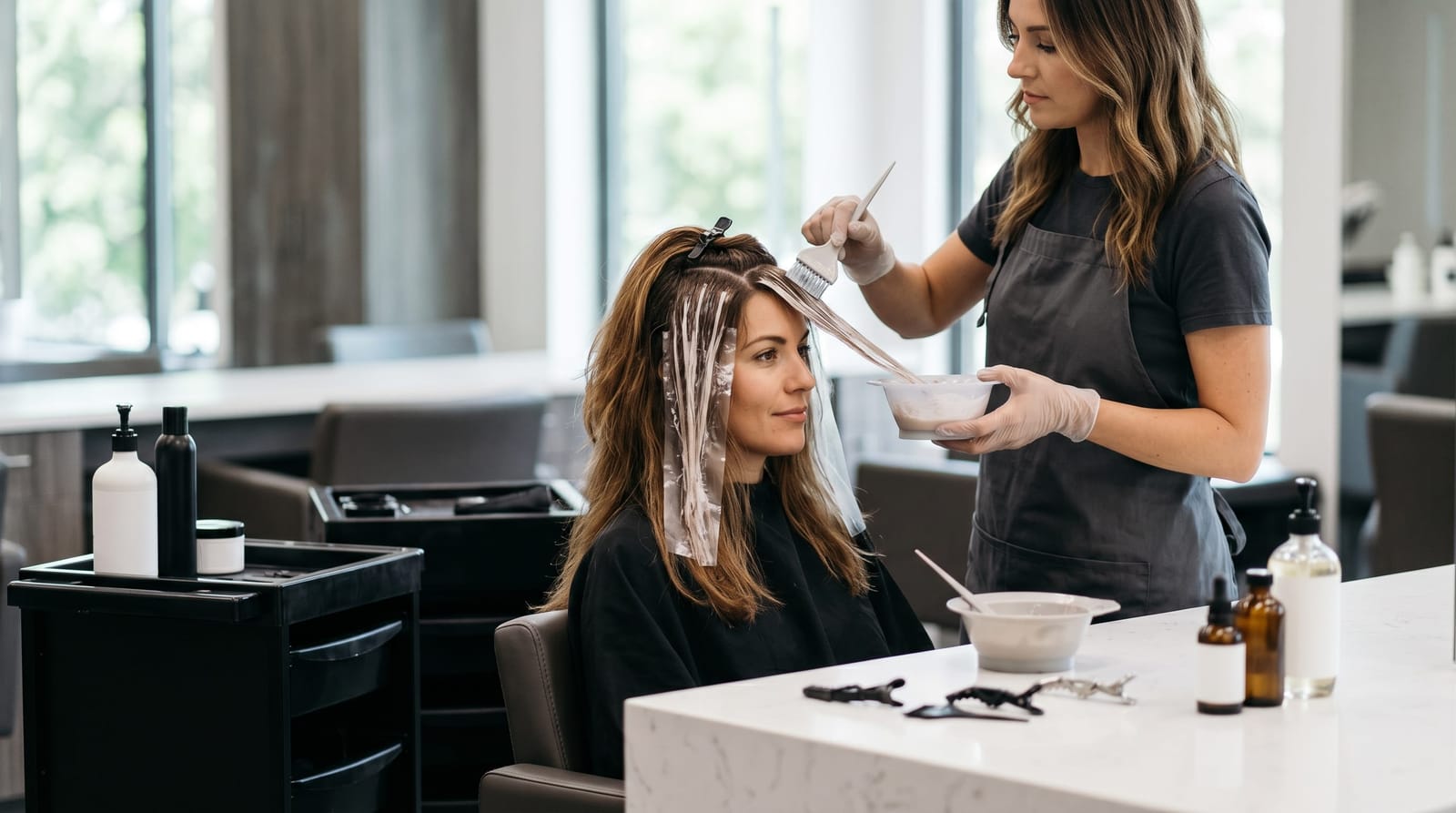
Different color services have different maintenance timelines. Full color services and root touch-ups are generally recommended every 4-6 weeks for clients who prefer a seamless look with minimal regrowth showing. Highlights and balayage typically have a softer, more gradual grow-out, which means visits every 8-12 weeks are usually sufficient to keep the color looking fresh and dimensional.
Signs It's Time to Book an Appointment
- Roots are visible and contrasting noticeably with your color
- Your color appears brassy, orange, or yellow: common with lightened hair as tone shifts
- Hair feels more dry or rough than usual, which can signal it's time for a toning or glossing treatment
- The vibrancy or depth of your color has faded significantly
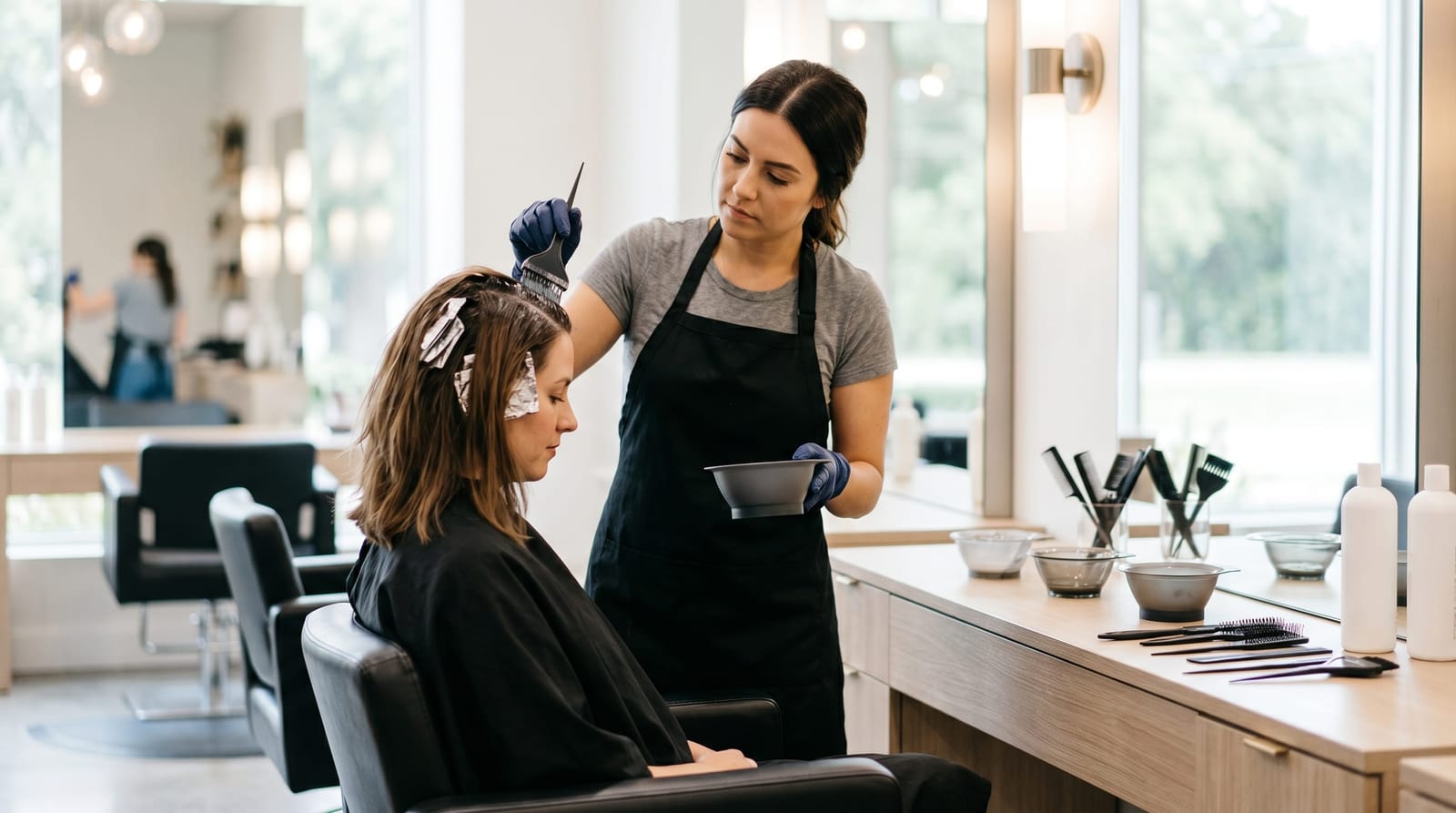
Toning and glossing treatments are wonderful maintenance options between major color appointments. A gloss treatment can refresh your color, eliminate unwanted brassiness, and add a beautiful shine, often in a single quick salon visit. Many clients find that scheduling a gloss every 6-8 weeks between color appointments keeps their hair looking consistently polished.
If you're curious about the full range of services that can complement your maintenance routine, our guide to professional hair color service options covers everything from single-process color to creative transformations. And if highlights are part of your look, understanding the different application techniques covered in our post on hair highlights salon services can help you make the most informed choices at your next appointment.
Special Considerations for Textured and Natural Hair
Color-treated hair care looks a little different for clients with textured, curly, or natural hair. These hair types have a naturally more complex curl pattern that can make the cuticle layer slightly more open along the strand, meaning color and moisture can behave differently than they do in straighter hair types.
For textured hair, deep conditioning is even more essential after coloring: moisture retention is the foundation of healthy color-treated curls. Gentle, detangling-focused styling and protective styles between salon visits can also significantly reduce breakage and maintain color vibrancy. If you're exploring color options specifically designed around the needs of textured or natural hair, our in-depth guide on hair color for black hair covers the most important considerations in detail.
Choosing a stylist who has experience working with your specific hair texture and coloring it safely is equally important. Consultation before any color service helps ensure the approach is tailored to your hair's natural structure and current condition.
Related Details Worth Exploring
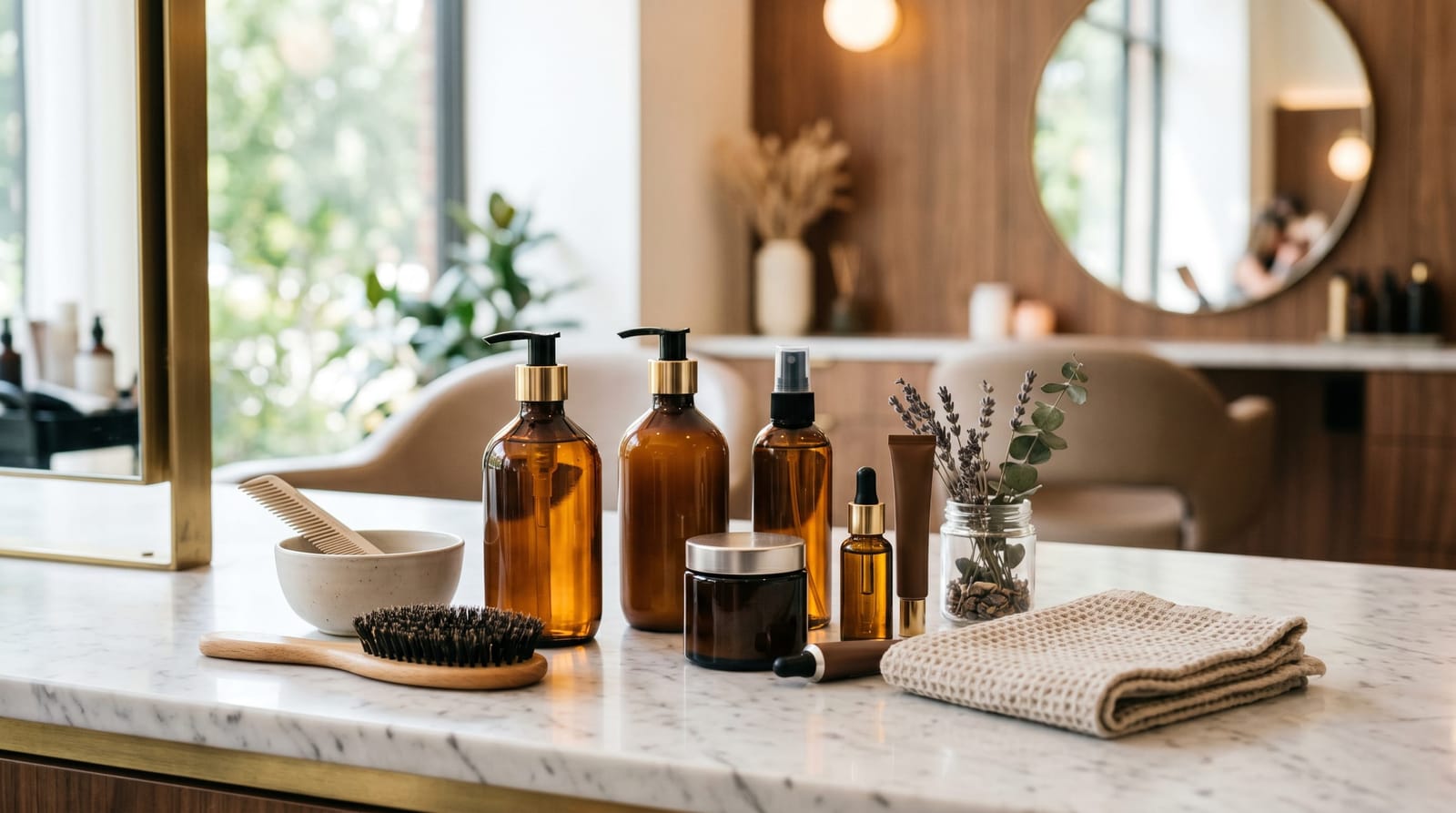
If you want to go even deeper into specific aspects of color-treated hair care, we have dedicated posts that dive further into these topics. Our detailed guide on color safe hair products walks through exactly what ingredients to look for (and which to avoid) in shampoos, conditioners, and styling products: making it much easier to shop with confidence for your hair type and color service.
Keeping Your Color as Beautiful as the Day You Left the Salon
Caring for color-treated hair doesn't require an elaborate routine or a bathroom full of products. It comes down to a few consistent, thoughtful habits: washing less frequently with the right sulfate-free products, hydrating deeply every week, protecting your hair from UV rays and heat, and keeping up with your salon schedule. These steps work together to preserve the color, shine, and health of your hair between every appointment.
At Ka Belly Salon, we're here to support your color journey from start to finish, not just on the day of your service, but every day in between. Whether you're due for a refresh, a toning treatment, or a full color transformation, we'd love to help you keep your hair looking and feeling its absolute best. Book your next color maintenance appointment with us and let's take care of your hair together.