Can You Color Your Hair After a Keratin Treatment? What You Need to Know
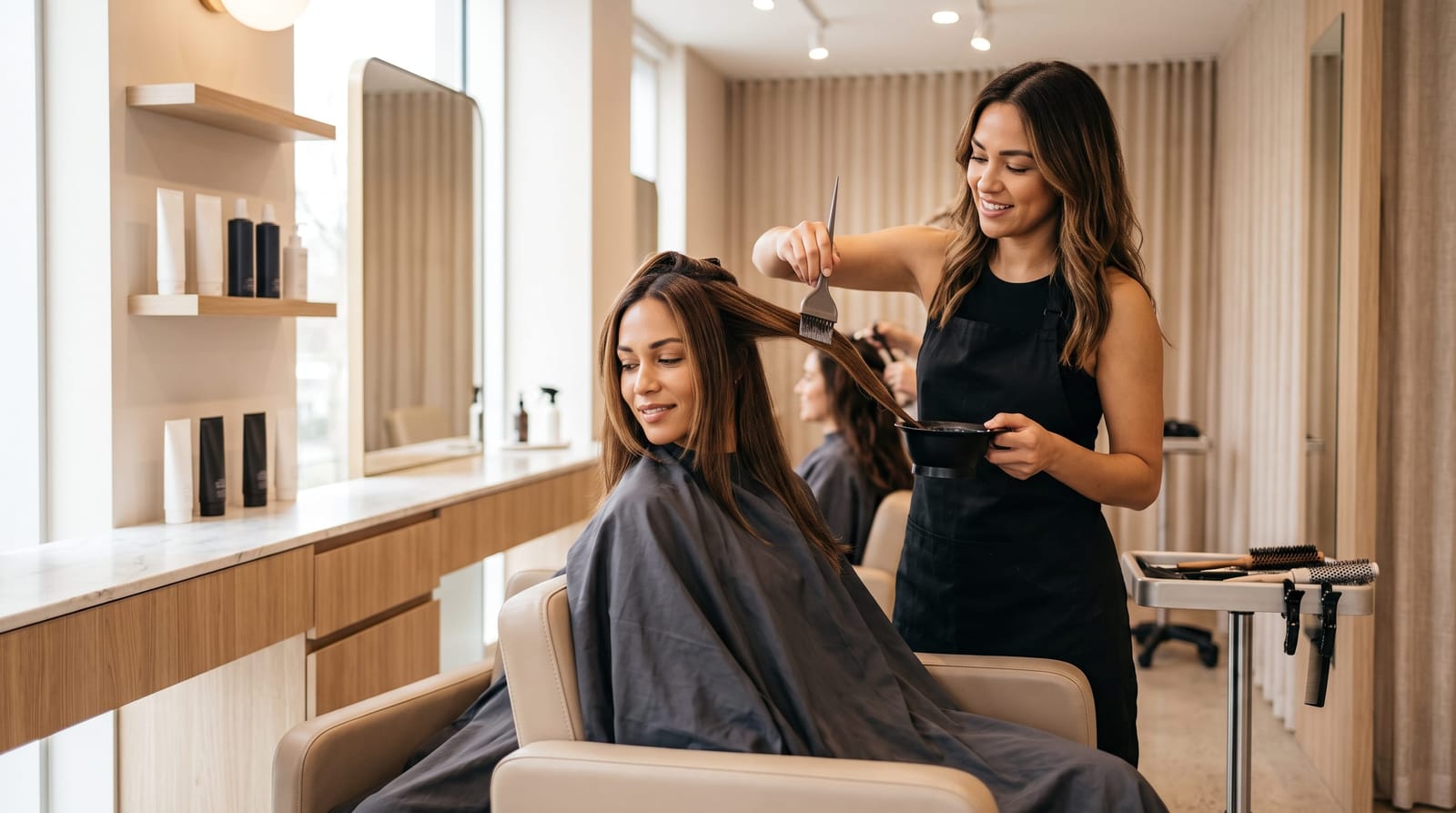
If you've just walked out of the salon with silky, frizz-free hair after a keratin treatment, the last thing you want to do is anything that might compromise those results. But what if you were also thinking about refreshing your color? Maybe your highlights are overdue, or you've been dreaming about a rich, dimensional brunette shade. It's one of the most common questions we hear at Kabelly: can I color my hair after a keratin treatment? The short answer is yes, but timing and sequencing matter more than most people realize. This beginner's guide walks you through exactly what you need to know about coloring after keratin treatment, why the order of services matters, and how our stylists approach chemical service combinations for textured hair.
First, Let's Understand What a Keratin Treatment Actually Does
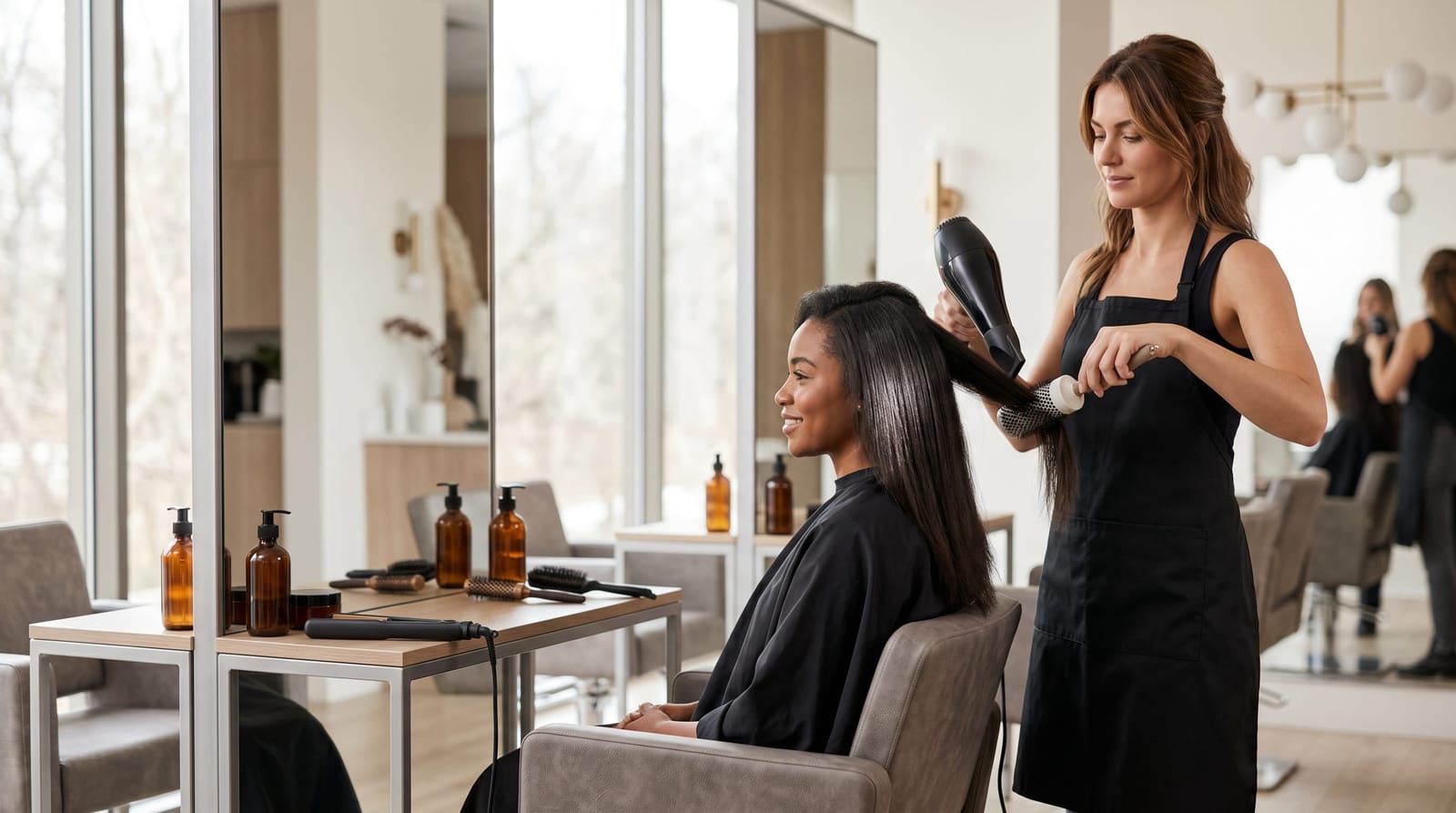
Before diving into color timing, it helps to understand what's happening to your hair during a keratin treatment. At its core, a keratin smoothing service works by infusing the hair with a protein-based formula that fills in the gaps of the hair cuticle. Heat is then used to seal everything in place, creating that signature smooth, manageable finish that lasts for weeks.
The cuticle, the outermost layer of each hair strand, plays a huge role in how your hair looks, feels, and responds to any additional chemical services. After a keratin treatment, that cuticle layer is sealed tightly, which is exactly what gives your hair its shine and reduces frizz.
Why This Matters for Color
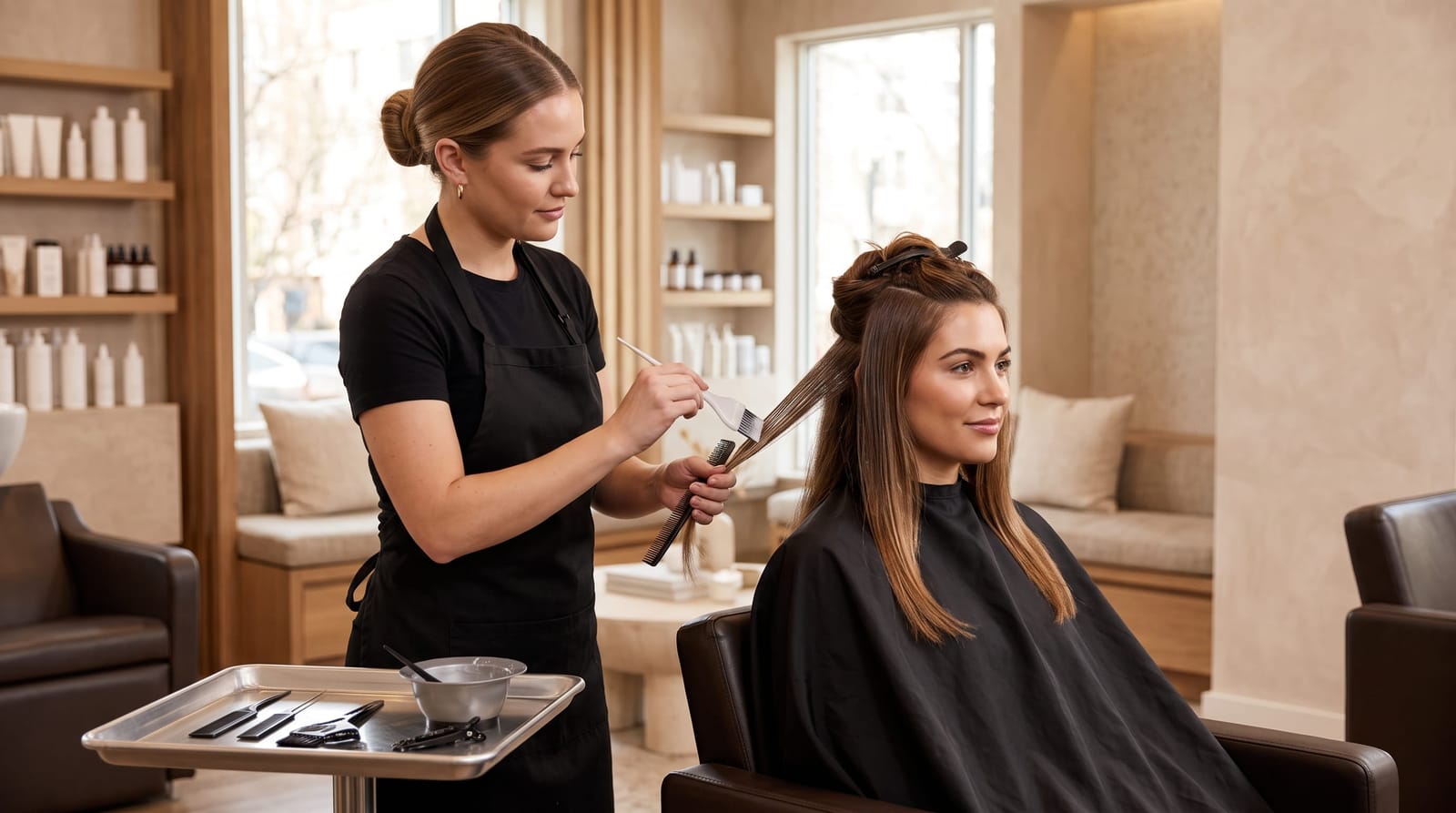
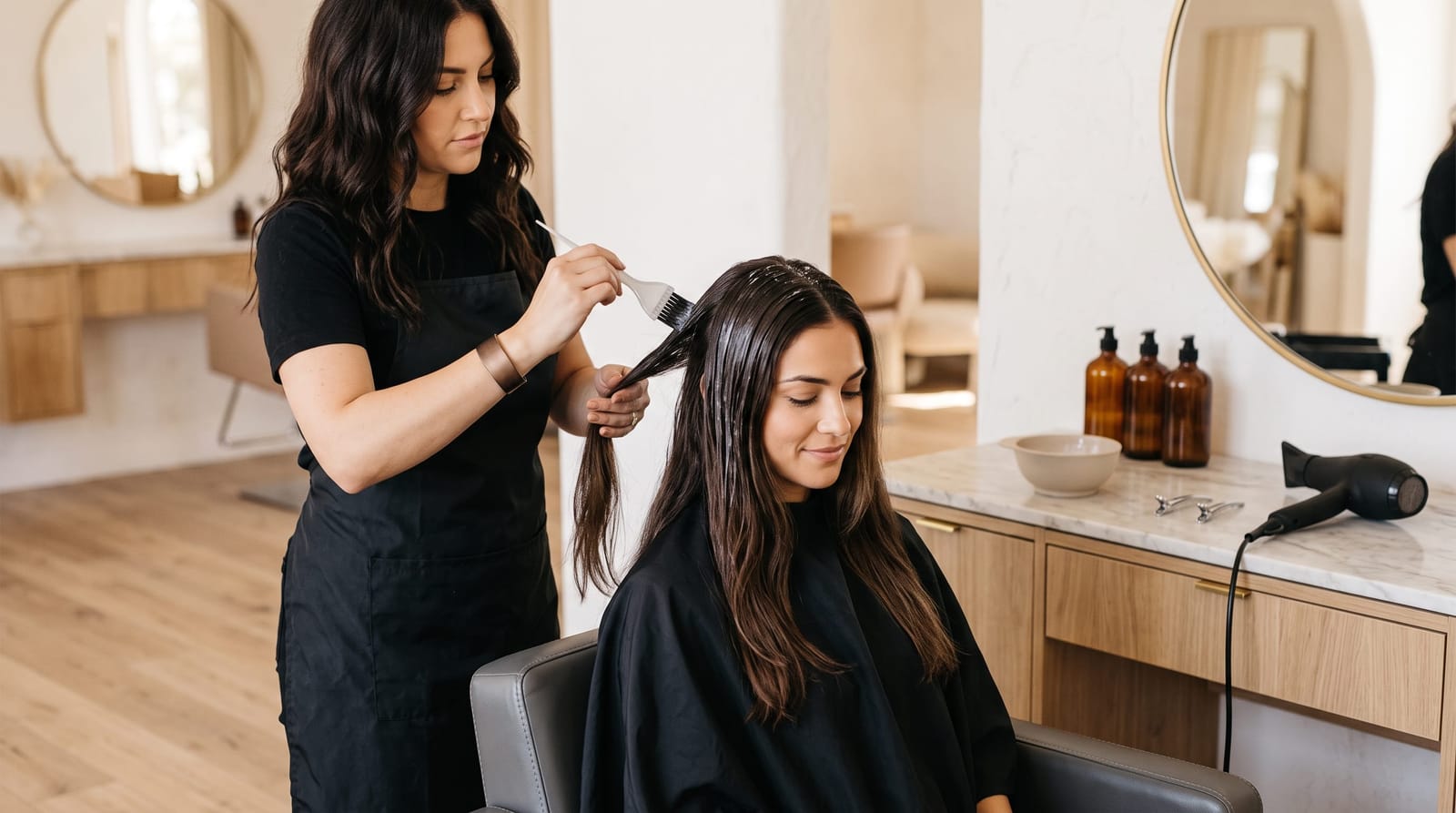
Hair color works by opening the cuticle to deposit pigment (in the case of permanent color) or sitting on top of it (in the case of semi-permanent color). When the cuticle is freshly sealed from a keratin treatment, it can actually resist color penetration, leading to uneven, patchy results or color that simply doesn't take the way it should. This is why coloring immediately after a smoothing treatment is something professional stylists advise against, not because it's dangerous, but because the results can be unpredictable and disappointing.
The Golden Rule: Why You Should Wait at Least Two Weeks
This is the piece of advice that nearly every professional agrees on: wait a minimum of two weeks after a keratin treatment before applying hair color. For clients with textured, coarser, or chemically treated hair, which is common among many of our clients in the DMV, this waiting period is especially important.
Here's why two weeks makes a difference:
- The keratin has time to fully bond. In the days immediately following your treatment, the keratin formula is still completing its bonding process within the hair structure. Coloring too soon can interfere with that process and shorten the lifespan of your smoothing results.
- Your cuticle settles naturally. As the days pass post-treatment, the cuticle softens slightly from its just-sealed state, making it more receptive to color without stripping the treatment away.
- Color applies more evenly. A two-week buffer creates a more stable base for color application, reducing the risk of patchiness or uneven saturation.
- Your treatment investment is protected. Coloring too soon can break down the keratin formula faster, meaning you lose weeks of smoothing results prematurely.
Think of the two-week window as protecting two investments at once: the smoothing treatment you just paid for, and the color service you're planning next.
What Happens If You Color Too Soon?
This is worth understanding clearly so you can make an informed decision. Applying color before your keratin treatment has fully set doesn't mean your hair will fall out or suffer dramatic consequences, but it does mean you're likely to see less-than-ideal results from both services.
Risks of Coloring Too Soon After Keratin
- Patchy or uneven color: Because the sealed cuticle resists color in some areas more than others, you can end up with blotchy or inconsistent results, especially with permanent color.
- Shortened treatment life: The chemical process of coloring can break down the keratin bonds before they've fully set, meaning your smooth results might fade weeks earlier than expected.
- Color that doesn't hold: In some cases, color applied over a fresh keratin treatment may fade faster or shift tone because it hasn't properly bonded with the hair.
- Potential for dryness: Layering chemical services too close together without proper timing increases stress on the hair, which can affect its texture and moisture balance.
None of these outcomes are what you want after investing in professional services. Spacing them out properly gives both treatments the conditions they need to deliver their best results.
Should You Color Before or After a Keratin Treatment?
Here's where many clients get understandably confused. If you want both color and a keratin treatment, which comes first?
The general professional recommendation is to color first, then do your keratin treatment. Here's why this sequencing works in your favor:
Coloring Before Keratin: The Preferred Order
When you color your hair before a keratin treatment, the smoothing service actually helps seal and lock in the color molecules. Many clients notice that their color looks richer, shinier, and more vibrant after a keratin treatment is applied on top because the treatment seals the cuticle around freshly deposited pigment. It's a beautiful synergy between the two services when done in the right order.
This sequencing is especially popular at Kabelly among clients who want dimensional color, balayage, highlights, or rich brunette tones, combined with smooth, frizz-free texture. The color gets done at one appointment, and the keratin smoothing service is scheduled to follow, often at the same appointment or within a few days.
When You've Already Had Keratin and Want Color Next
If you've already had a keratin treatment and you're now ready to add color, simply honor that two-week window. Schedule your color appointment two to four weeks post-treatment, let your stylist know about your recent smoothing service, and allow them to select the right color formula for your hair's current condition. This transparency makes a big difference in how your color turns out.
How Kabelly Approaches Chemical Service Combinations for Textured Hair
Textured hair, whether naturally curly, coily, or chemically relaxed, has unique structural characteristics that require thoughtful planning when combining services. African American and Hispanic clients, many of whom visit Kabelly for our expertise in smoothing treatments and color services, often have hair that has already undergone some form of chemical processing. That history matters when layering additional services.
Our stylists at Kabelly approach every chemical service combination with a thorough consultation process. We ask about your full service history, assess the current condition of your hair, and create a personalized plan for how to sequence your services safely. This isn't one-size-fits-all: someone with fine, highlighted hair will need a different approach than someone with thick, naturally coily hair that's never been chemically treated.
What to Share During Your Consultation
When you sit down with a Kabelly stylist before booking both color and a keratin treatment, be prepared to share:
- When you last had any chemical service (relaxer, color, previous keratin, etc.)
- Whether your hair has been recently highlighted or bleached
- Any at-home treatments or color products you've used
- Your hair goals for both texture and color
This information allows us to recommend the right timing, the right products, and the right sequence to get you the results you're envisioning without unnecessary stress on your hair.
If you're also evaluating which smoothing service is right for your hair type, our guide on texturizer vs relaxer difference breaks down the differences between keratin, relaxers, and texturizers so you can make a fully informed decision before your appointment.
Maintaining Color and Keratin Results Together
Once you've successfully combined color and a keratin treatment in the right sequence, the goal becomes maintaining both as long as possible. The good news is that healthy maintenance habits actually support both services simultaneously.
Tips for Keeping Both Services Looking Their Best
- Use sulfate-free shampoo and conditioner. Sulfates are the number one enemy of both keratin treatments and color vibrancy. Sulfate-free formulas cleanse gently without stripping either service.
- Wash hair less frequently. Over-washing accelerates the breakdown of both color molecules and keratin bonds. Aim for two to three washes per week at most.
- Use cool or lukewarm water when rinsing. Hot water opens the cuticle, which causes color to fade faster and keratin to break down more quickly.
- Incorporate a weekly deep conditioning treatment. Maintaining moisture balance keeps hair looking healthy between salon visits and supports the integrity of both services.
- Book color touch-ups on schedule. Regular, properly timed color appointments keep your shade looking fresh without over-processing your hair.
Wondering whether the investment in maintaining both services is worthwhile? Our breakdown of keratin treatment cost worth can help you think through the full picture before committing to a combined service plan.
Related Topics Worth Exploring
Color and keratin combination services open up a world of possibilities, but there's always more to learn. Some of the detail topics we cover in this cluster include how to maintain your keratin treatment between salon visits, how humidity and climate in the DMV area affect smoothing results, and which specific hair types tend to benefit most from keratin versus other smoothing services. If you have questions that go beyond the basics covered here, our stylists are always happy to walk you through the details during a personalized consultation.
Final Thoughts: Sequencing Is Everything
Coloring after keratin treatment is absolutely possible, and with the right timing, it can look stunning. The key takeaways are simple: wait at least two weeks if you're adding color after your smoothing service, opt for color-first sequencing whenever possible, and always communicate your full service history to your stylist. These steps protect both your color results and your keratin investment.
At Kabelly, we specialize in helping clients in the DMV navigate exactly these kinds of multi-service decisions with confidence and care. Ready to plan your color and keratin combination? Book a consultation with our team and let's create a personalized service plan that works beautifully for your hair.